In the world of home meteorology, the pursuit of the perfect backyard sensor suite is a perpetual balancing act between granular accuracy and the convenience of a modern, connected ecosystem. The latest entrant to the market, the Ambient Weather WS-4000, aims to strike that balance by bundling an advanced, all-in-one sensor array with a dedicated indoor console and a robust, well-regarded software platform. However, as our testing reveals, the device serves as a cautionary tale for enthusiasts: while the engineering is sleek and the software is top-tier, the reliance on haptic rain-sensing technology remains a divisive choice that may alienate users demanding meteorological precision.
Main Facts: The Anatomy of the WS-4000
The Ambient Weather WS-4000 is an all-in-one, "no-moving-parts" sensor suite designed for the modern smart home. Unlike traditional weather stations that rely on spinning cups for wind speed or mechanical tipping buckets for rainfall, the WS-4000 employs a sonic anemometer and a haptic sensor to gauge environmental conditions.
Key Specifications:
- Sensor Suite: Integrated sonic anemometer, haptic rain sensor, and temperature/humidity/UV/light sensors.
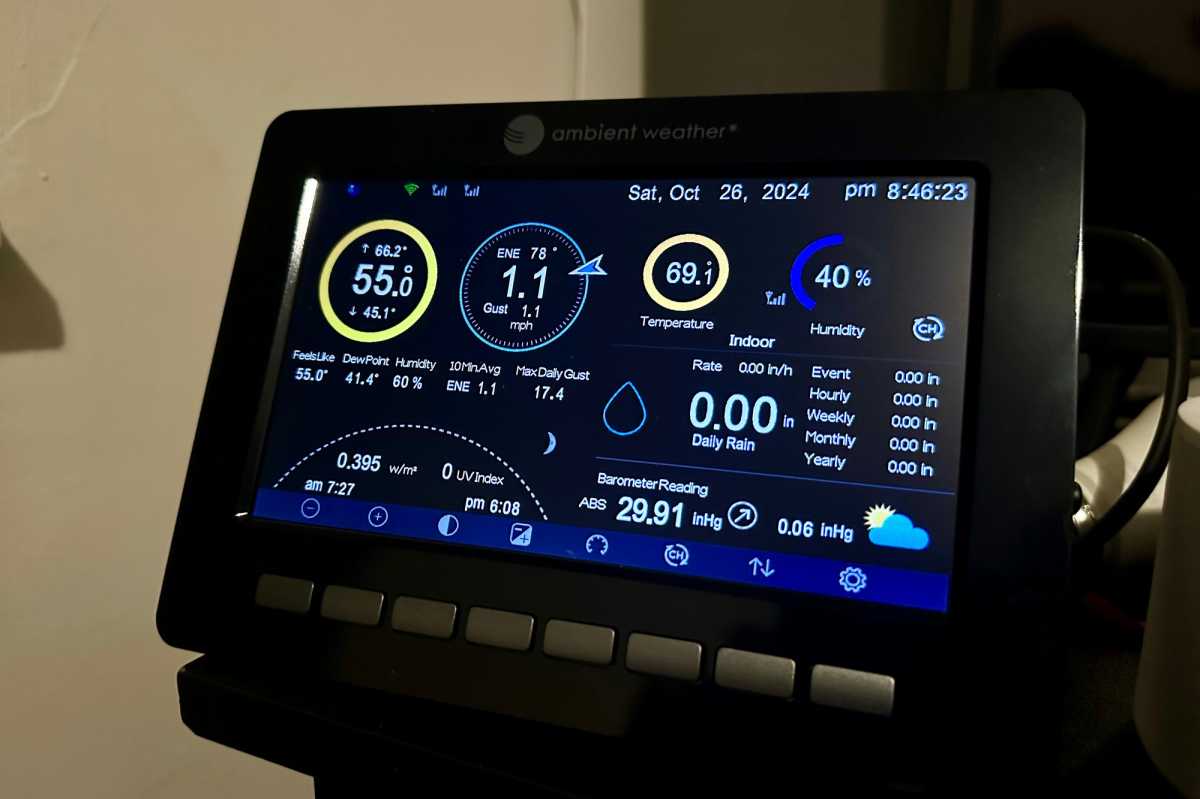
- Indoor Connectivity: Includes a dedicated, high-contrast, full-color indoor console and a separate WH32B indoor thermometer-barometer-hygrometer.
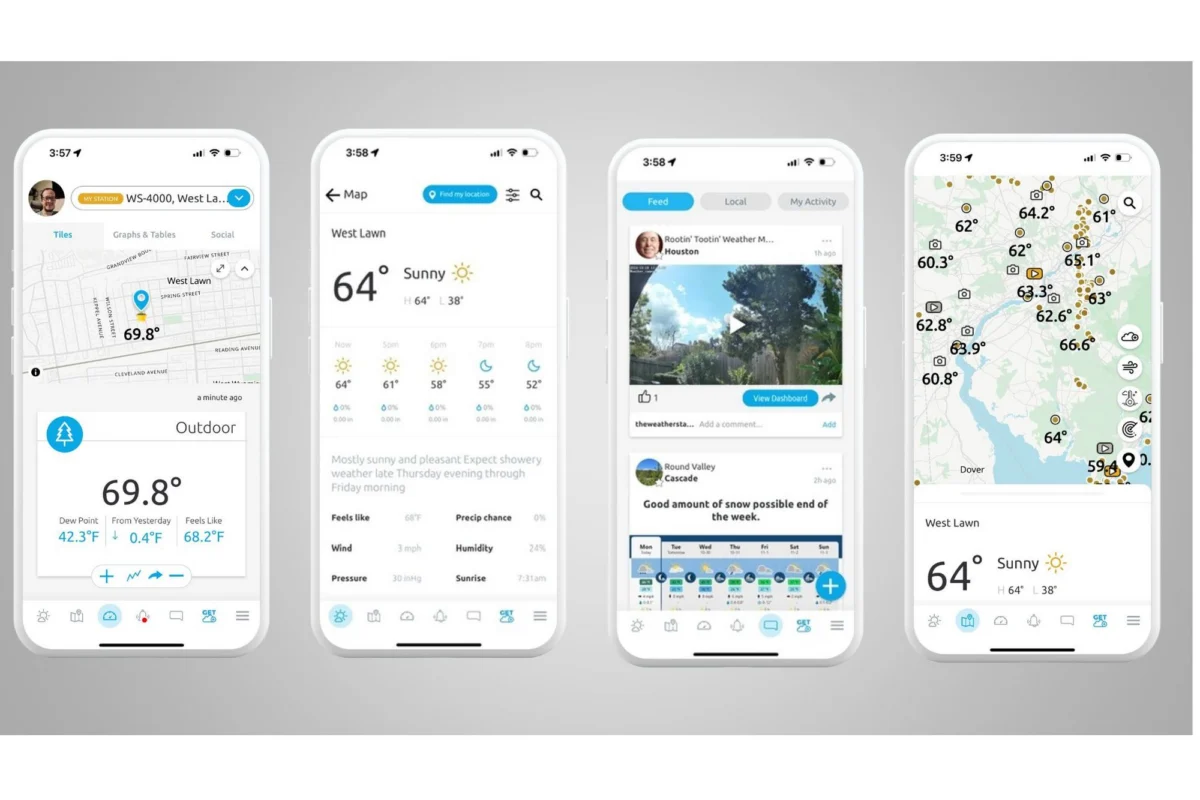
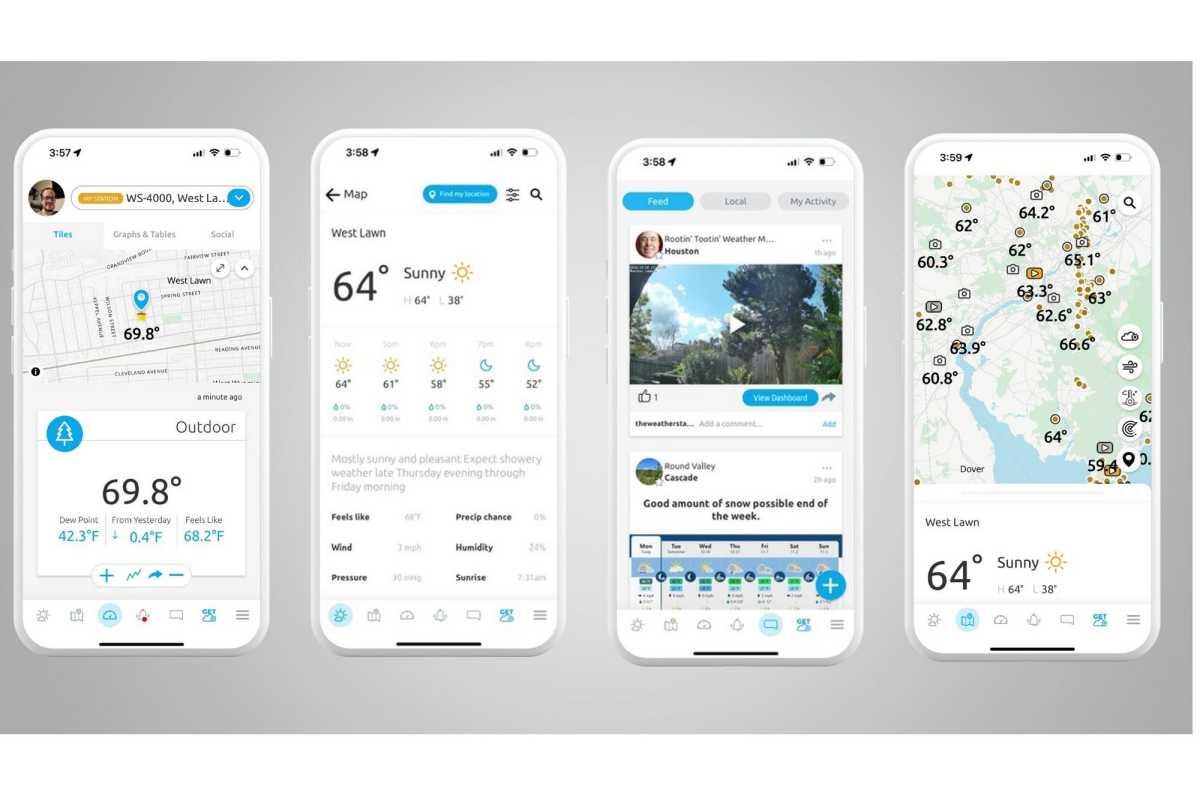
- Software Ecosystem: Fully compatible with the Ambient Weather Network (AWN) for remote monitoring, historical data tracking, and smart home integration (IFTTT/Alexa).
- Mounting Requirements: Requires a 1-inch mast (note: this is a departure from the industry-standard 1.25-inch mounting poles).
- Power: Solar-powered array with battery backup (two AA batteries included).
The device is marketed as a seamless upgrade for existing Ambient Weather users, yet it occupies a crowded space. It is structurally identical to the Ecowitt Wittboy Pro, a product that often retails at a significantly lower price point, leading to inevitable questions regarding value proposition and brand loyalty.
Chronology: The Evolution of Haptic Sensing
The rise of haptic rain sensors in consumer-grade equipment is a relatively recent phenomenon. Four years ago, the WeatherFlow Tempest made waves by eliminating moving parts entirely, opting for a haptic sensor that detects the vibration of raindrops hitting a surface.

The industry quickly followed suit. Fine Offset Electronics—the manufacturing powerhouse behind many of the world’s most popular home weather station brands—incorporated similar haptic technology into their product lines. Ambient Weather’s parent company, Neilsen-Kellerman, has long licensed these designs for models like the WS-2902 and WS-5000.
The WS-4000 represents the latest iteration of this design philosophy. However, the trajectory of this technology has been marked by a recurring struggle: while removing moving parts reduces maintenance, it introduces significant challenges in accurately measuring light drizzle and heavy, high-velocity downpours. By the time the WS-4000 reached the test bench, the industry had yet to perfect the "haptic hurdle," leaving users to choose between the aesthetic, low-maintenance design of the WS-4000 and the proven, albeit mechanical, accuracy of traditional tipping buckets.
Supporting Data: Performance Benchmarks
Our testing of the WS-4000 yielded a "tale of two devices." The performance of the temperature, humidity, and sonic anemometer modules was exemplary. The sonic anemometer, in particular, offers superior sensitivity compared to traditional mechanical cup-and-vane designs. It is capable of tracking wind speeds up to 85 mph with remarkable consistency, making it a reliable tool for tracking everything from gentle breezes to severe gusts.
However, the rain sensor remains the "Achilles’ heel." During controlled tests, the haptic sensor struggled significantly under two specific conditions:
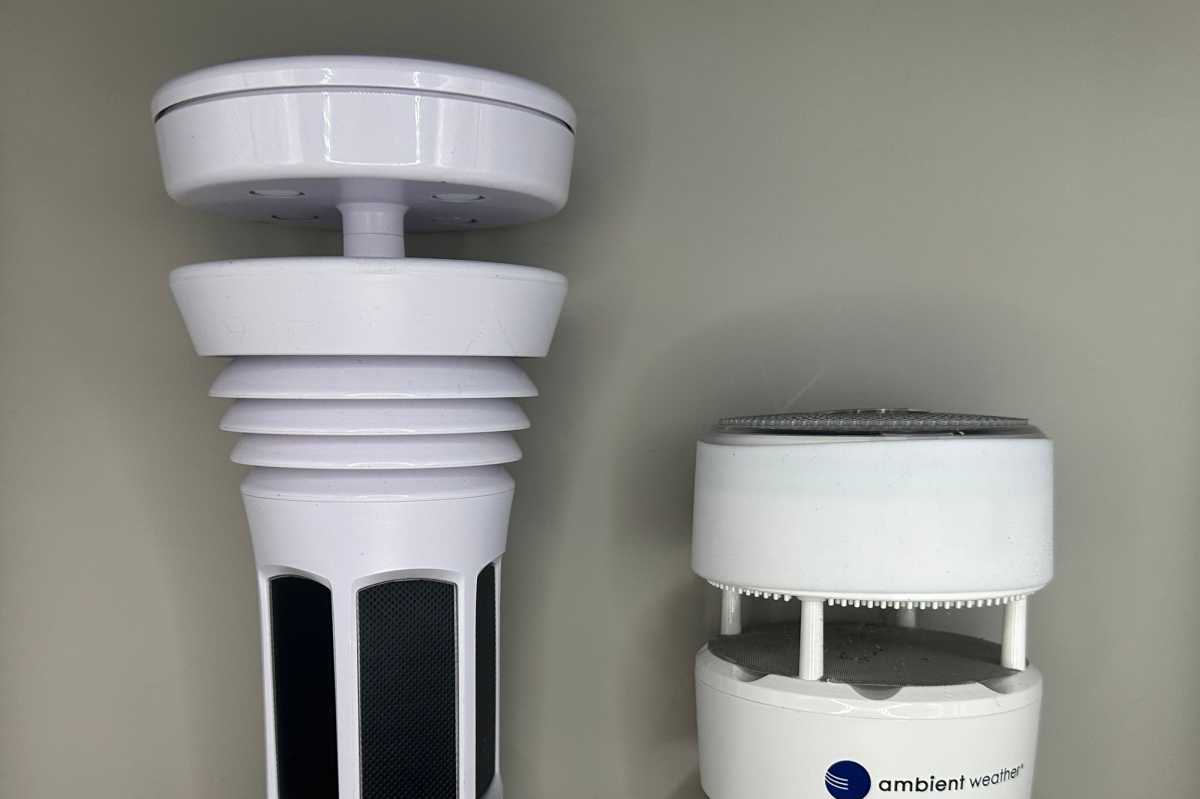
- Light Drizzle: The sensor often failed to register the fine, low-impact droplets characteristic of light rain or misty conditions.
- Calibration sensitivity: The unit requires a perfectly level installation. Even a slight deviation in the mounting angle—often overlooked by novice installers—results in skewed precipitation data.
While these discrepancies might be acceptable for a casual observer, they are problematic for serious hobbyists. It is telling that even the manufacturer’s documentation for the underlying sensor technology (the Ecowitt-based designs) acknowledges these limitations, explicitly recommending that users who require high-precision rain data supplement the system with an additional $50 WH40 traditional rain gauge.
Official Responses and Market Positioning
Ambient Weather has positioned the WS-4000 as a premium experience, bolstered by the "Ambient Weather Network." This platform remains the gold standard for consumer weather stations, offering a clean, intuitive interface that has withstood the test of time.
In terms of competition, the landscape is complex. When asked about the lack of Google Home support, representatives noted that API changes by Google would necessitate a wholesale rewrite of the AWN platform, a project currently not on the roadmap. Users are encouraged to utilize IFTTT or Amazon Alexa for smart home triggers.
The most significant "official" conflict for the consumer is the relationship between the WS-4000 and the Ecowitt Wittboy Pro. By all accounts, the hardware is identical. Ambient Weather’s value add is its support, its North American presence, and the convenience of a pre-bundled system that "just works" out of the box. For many, this justifies the price premium; for the cost-conscious, the existence of the nearly identical Ecowitt model creates a significant barrier to purchase.
Implications: Who Should Buy the WS-4000?
The implications for the consumer are clear: the WS-4000 is an investment in an ecosystem, not just a set of sensors.
For the Existing Ambient User
If you are already embedded in the Ambient Weather Network, the WS-4000 is an excellent, low-maintenance upgrade. It integrates effortlessly with existing consoles and sensors, allowing you to improve your wind and temperature monitoring without the frustration of migrating your historical data or re-learning a new app interface.
For the First-Time Buyer
If you are entering the hobby for the first time, your decision is more difficult. The WS-4000 is a beautifully designed, sleek piece of hardware that blends into a yard far better than the bulky, traditional stations. However, the "haptic" compromise is real. If your primary goal is to contribute to local weather reporting or to maintain a personal, highly accurate climate log, you may find the haptic rain gauge frustrating.
Final Assessment:
The Ambient Weather WS-4000 is a triumph of design and connectivity, but it is a device of compromises. It is perfect for the user who wants a modern, "set-it-and-forget-it" system that looks good and reports wind and temperature with high fidelity. But for the meteorology enthusiast, it serves as a reminder that in the world of weather tracking, sometimes the "old ways"—like a simple, mechanical tipping bucket—are still the most reliable tools for the job.
As I prepare to move this unit to the West Coast to monitor its performance during the rainy season, the verdict remains: buy it for the convenience and the software, but keep a separate, traditional rain gauge on standby if the clouds are calling for more than just a light drizzle.