If you have yet to integrate a robot vacuum into your home, you are missing out on one of the most transformative shifts in domestic management. No longer just a novelty gadget that bumps into walls, the modern robot vacuum has evolved into a sophisticated, autonomous cleaning system. These devices can manage your daily maintenance, target high-traffic areas, and handle the transition between vacuuming and mopping with clinical precision.
In this comprehensive guide, we examine the current market leaders, the technological leaps that define the 2026 landscape, and the crucial considerations you must weigh before purchasing your next cleaning assistant.

The 2026 State of Play: Key Market Leaders
As we move through 2026, the market has bifurcated into two distinct categories: ultra-premium flagships that require almost zero human intervention and budget-conscious models that deliver exceptional value by stripping away non-essential luxury features.
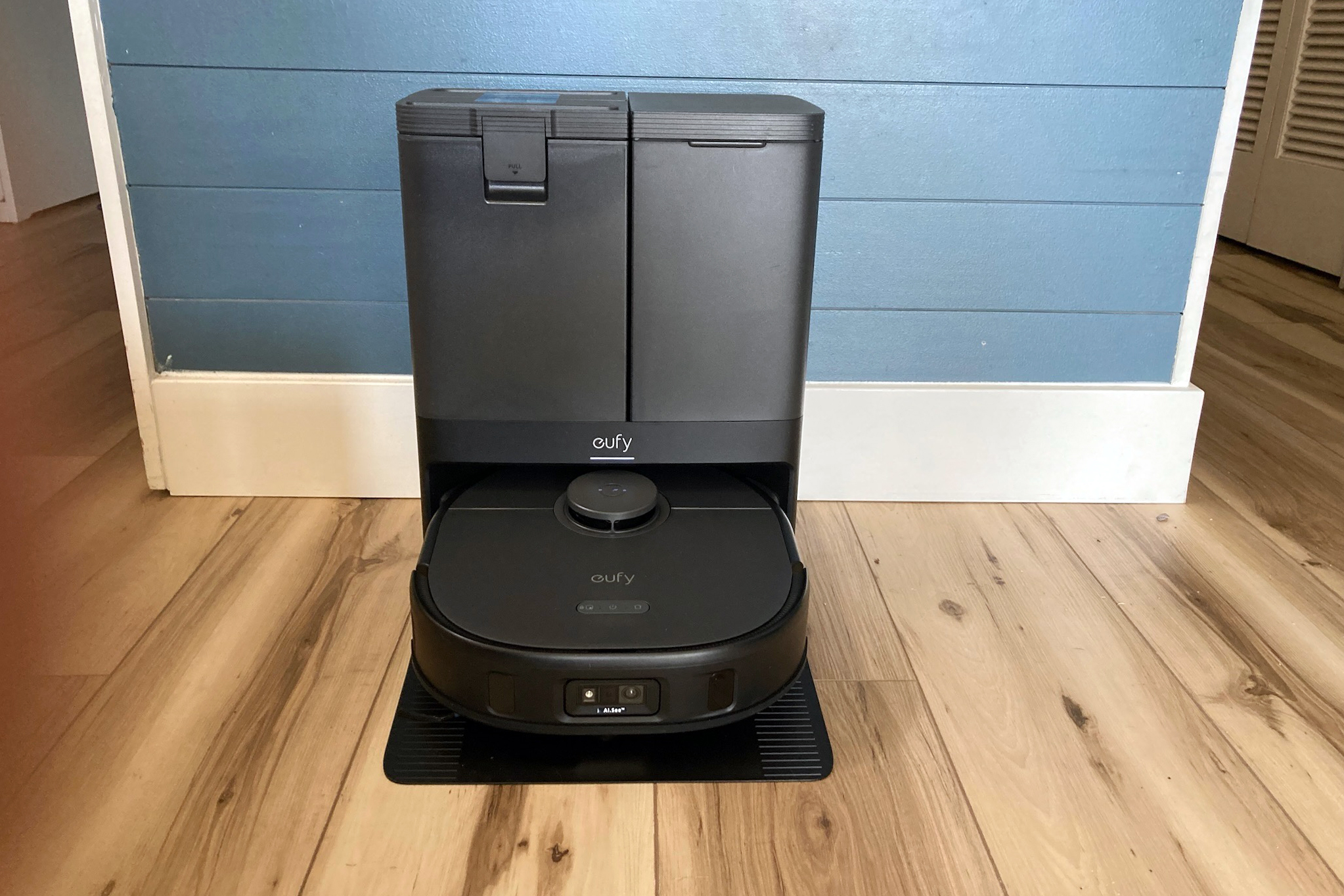
1. Eufy X10 Pro Omni: The Mid-Range Champion
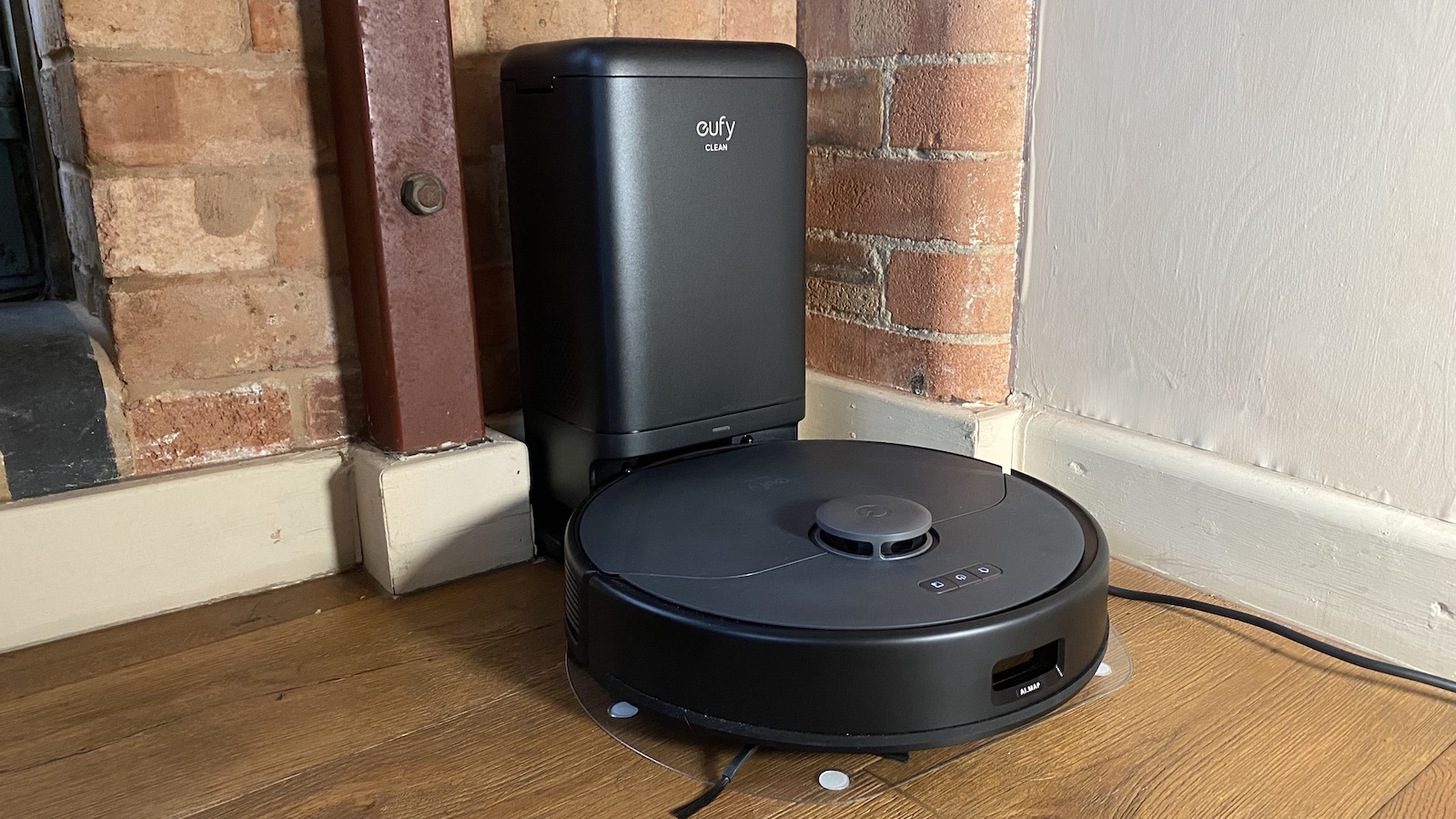
The Eufy X10 Pro Omni continues to dominate as the "best value" flagship. It offers 8000Pa of suction power—a figure that was once reserved for high-end industrial units—and features robust rotating mop pads that provide genuine scrubbing pressure. Its AI-driven object detection is particularly impressive, capable of identifying and marking cables, shoes, and obstacles on your digital map in real-time.
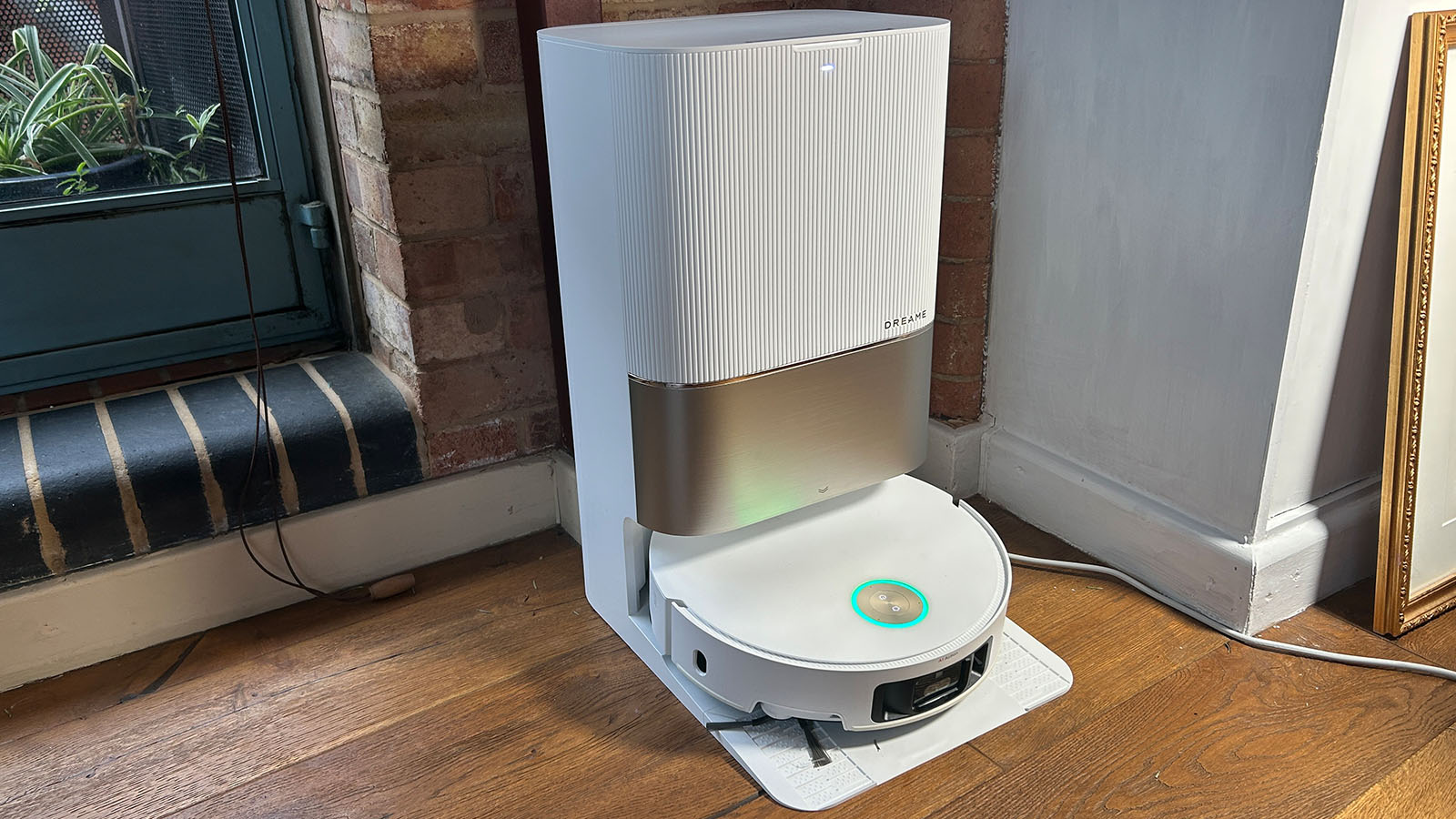
2. Dreame X50 Ultra Complete: The Engineering Marvel
For those seeking the absolute pinnacle of technology, the Dreame X50 Ultra is the benchmark. Its "ProLeap" technology is a standout feature; the unit uses extendable legs to physically lift its chassis, allowing it to navigate thresholds and steps up to 6cm. With its retractable LiDAR tower, it maintains a low 9cm profile, ensuring it can clean under furniture that taller units simply cannot reach.
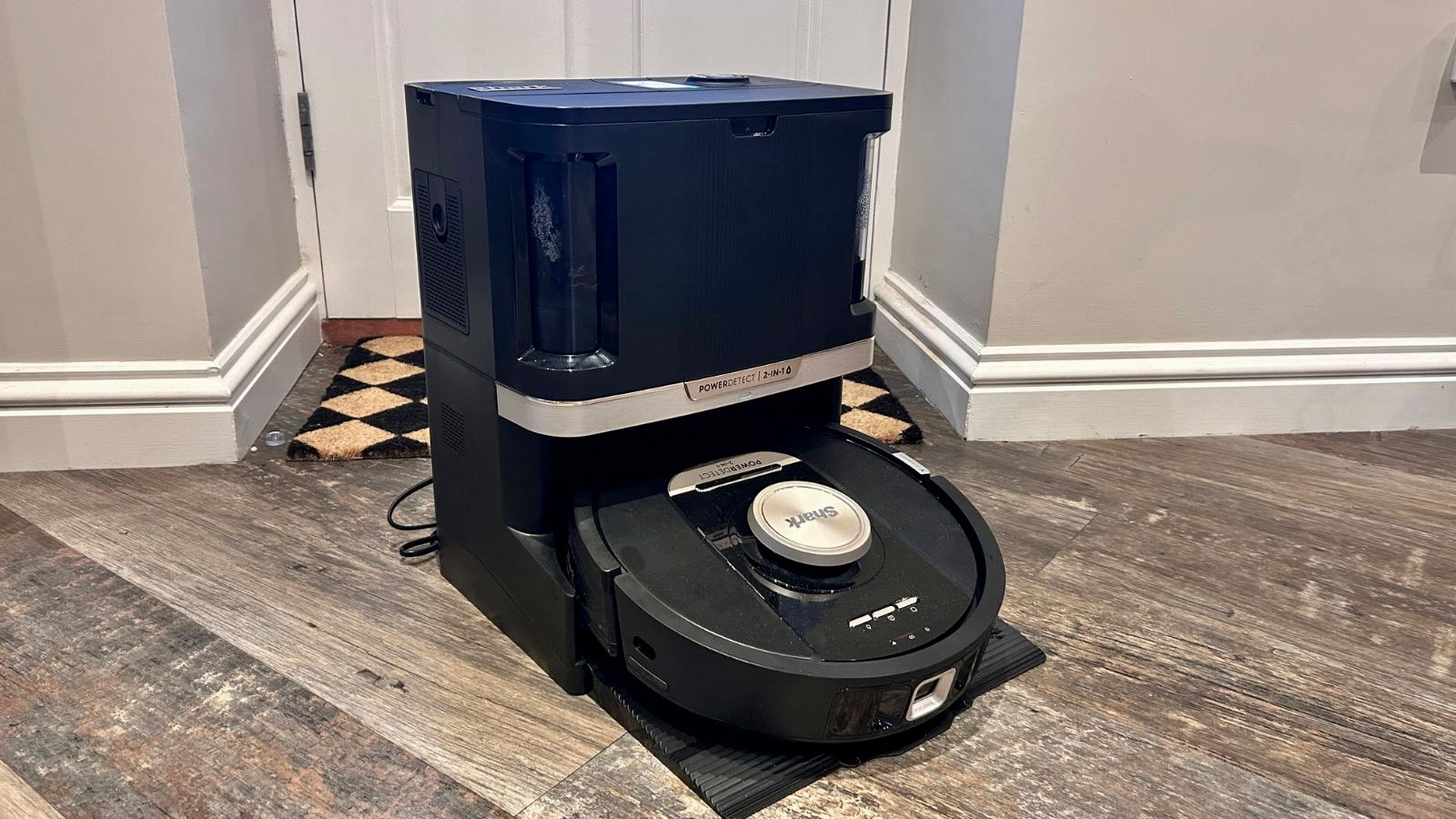
3. Shark PowerDetect NeverTouch Pro 2-in-1: The All-Rounder
Shark’s latest flagship is engineered for the "set and forget" user. Beyond the standard vacuuming and mopping, the dock includes an anti-odor cartridge, preventing the damp, musty smells often associated with robot mops. Its "NeverStuck" technology is highly effective, reducing the frequency of user intervention—a critical factor for those who schedule cleanings while away from home.
Chronology of Innovation: From Bumpers to Brains
The evolution of the robot vacuum has followed a rapid, three-phase trajectory:
- Phase 1 (The Random Era): Early models utilized random navigation patterns, effectively bouncing off furniture until the battery died. They lacked intelligence, maps, and efficiency.
- Phase 2 (The Mapping Era): With the introduction of LiDAR and camera-based SLAM (Simultaneous Localization and Mapping), robots began to move in systematic, "lawnmower" patterns. This era introduced the ability to designate "no-go" zones via mobile apps.
- Phase 3 (The Autonomy Era): We are currently in the age of true autonomy. Modern units don’t just map; they identify specific rooms, detect pet waste, automatically wash and dry their own mop pads, and self-empty their dustbins into base stations that only require human attention once every 60 to 90 days.
Supporting Data: Understanding Your Investment
When evaluating a robot vacuum, consumers should look beyond the marketing jargon. Here are the technical specifications that actually dictate performance:
| Feature | Importance | Why it matters |
|---|---|---|
| Suction (Pa) | High | Essential for pulling dirt out of thick carpet fibers. |
| Height (cm) | Critical | Must be lower than your lowest sofa clearance. |
| Bin Capacity | Low (if self-emptying) | Only matters if you don’t have an auto-empty base. |
| Mop Type | Variable | Spinning pads offer deep scrubbing; static pads only wipe. |
The Cost-to-Performance Ratio
Our testing confirms that while flagship models ($1,000+) offer the best convenience (auto-washing, obstacle avoidance, and high-level navigation), the mid-range sector ($400–$700) has reached a point of "diminishing returns." You no longer need to spend a fortune to get excellent mapping and reliable daily cleaning.
Expert Analysis: How to Choose the Right Model
Choosing a robot vacuum is not about finding the "best" device on paper; it is about finding the device that fits your specific floor plan.
The "Pet Owner" Profile
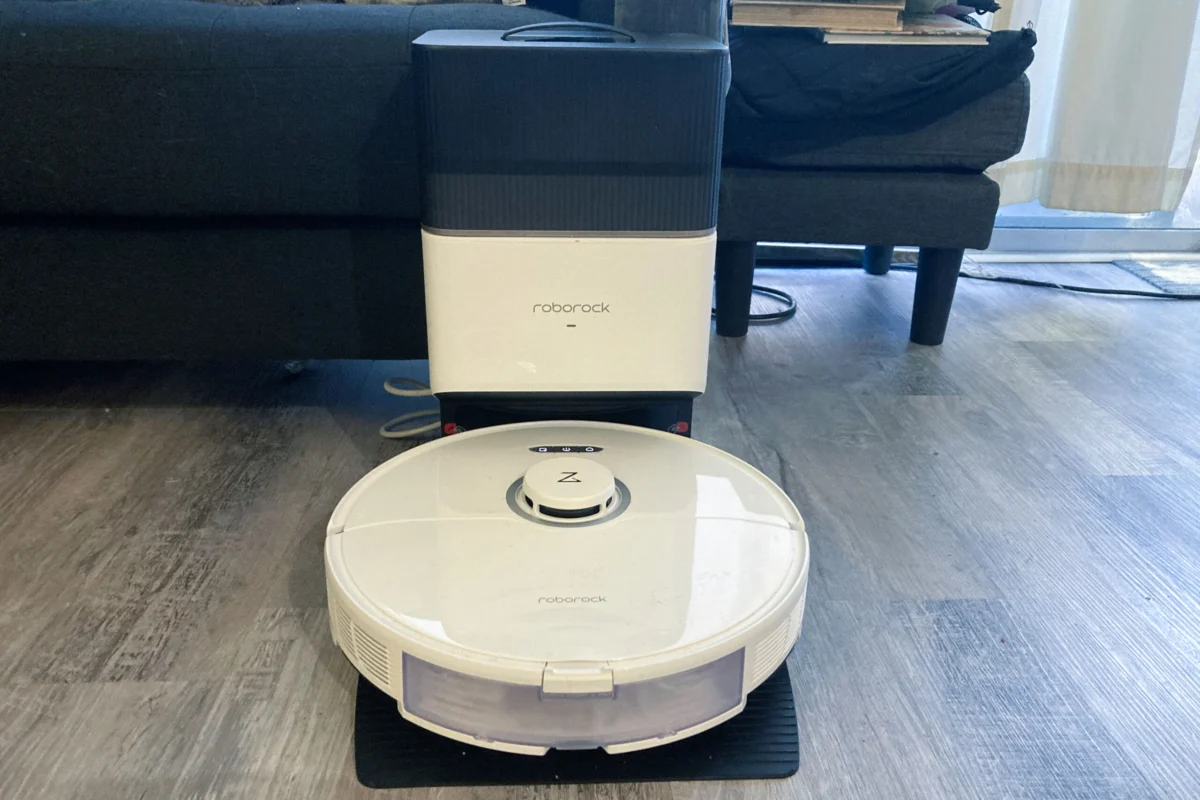
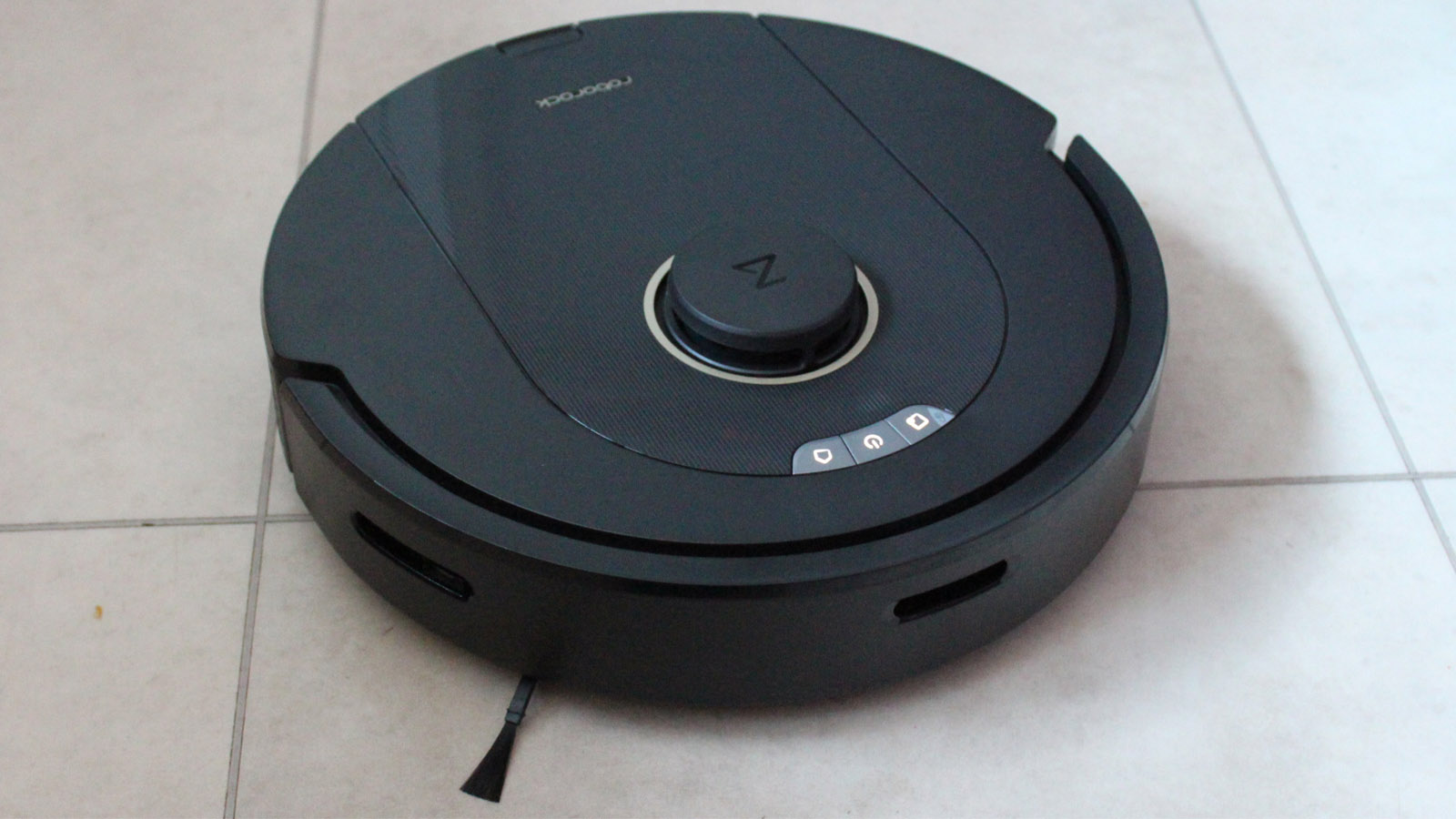
If you have shedding pets, prioritize models with "anti-tangle" rubber rollers, such as the Roborock Q5 Pro. These rollers are specifically designed to resist the hair-winding issues that plague older brush designs.
The "High-Threshold" Profile
If your home features significant transitions between flooring (e.g., a raised wood floor to a tile kitchen), the Dreame X50 Ultra is currently the only unit on the market that can physically overcome these barriers, saving you from manually moving the device.
The "Minimalist" Profile
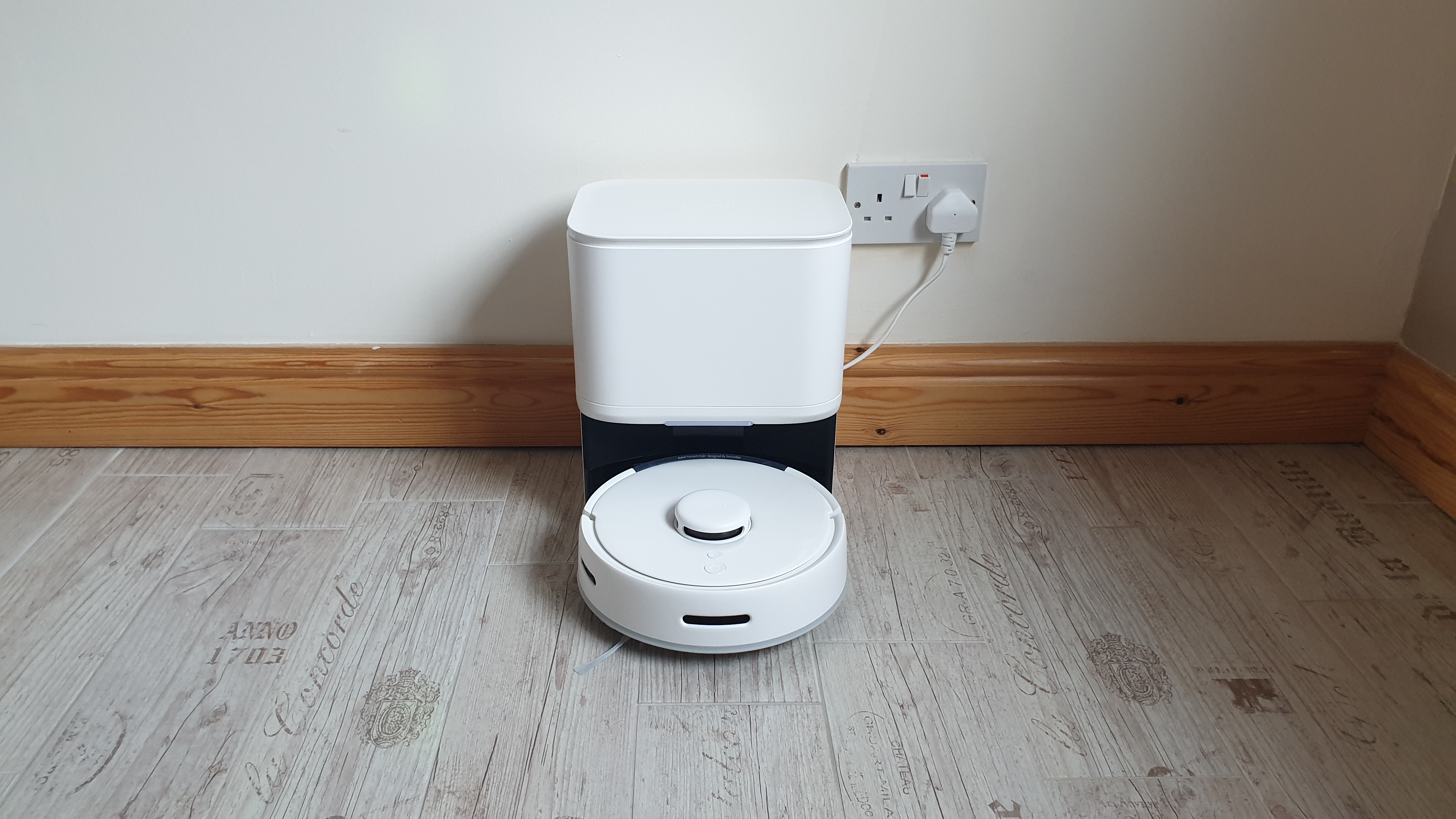
For smaller apartments or homes with tight furniture layouts, the SwitchBot Mini K10+ is a revelation. It is roughly 50% the size of a standard robot but retains the essential self-emptying functionality, allowing it to fit into spaces that larger flagships simply cannot access.
Implications for Future Domestic Maintenance
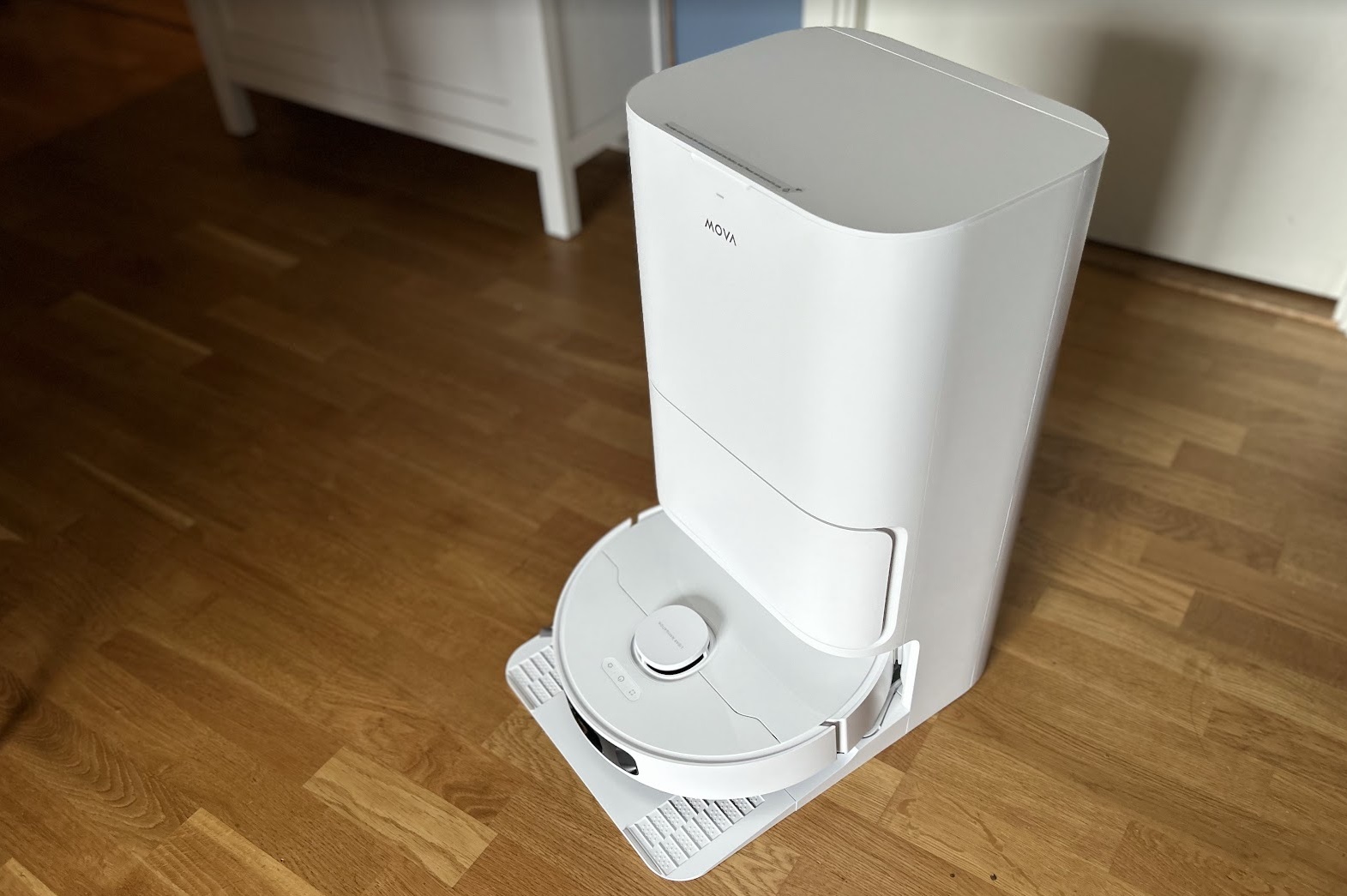
The primary implication of the current state of robot vacuum technology is the shift from "active cleaning" to "maintenance management." We are moving away from the paradigm where the floor is cleaned once a week, and toward a model of constant, incremental maintenance.
The Rise of the "Smart Home Ecosystem"
Robot vacuums are increasingly integrating with broader smart home ecosystems. Voice control through Alexa or Google Home is now standard, but the future lies in "predictive cleaning." We expect that within the next 24 months, robots will integrate with smart home security systems to automatically trigger a vacuuming cycle when the system detects you have left the house.
Environmental and Longevity Concerns
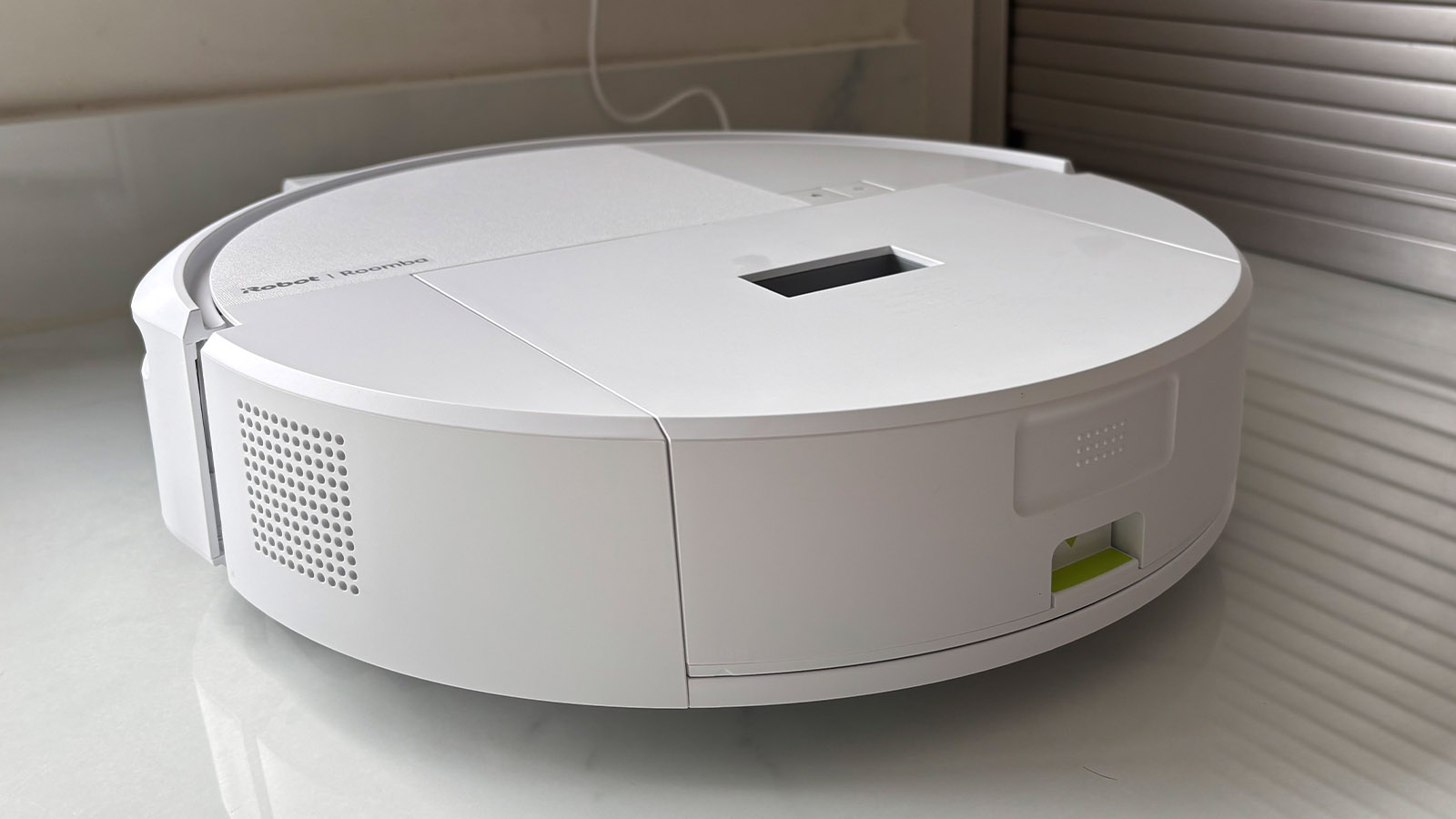
One of the most persistent criticisms of the robot vacuum industry is the "throwaway" nature of the hardware. However, manufacturers like Miele are bucking this trend. The Scout RX3 is designed with a five-year service life in mind, signaling a shift toward more sustainable, repairable, and durable hardware. For consumers tired of buying a new vacuum every two years, this represents a significant change in the value proposition.
Frequently Asked Questions (FAQs)
Q: Can a robot vacuum truly replace my traditional vacuum?
A: For 90% of your daily maintenance, yes. However, you will still need a traditional stick vacuum or an upright for stairs, deep-corner cleaning, and major spills. Robot vacuums are "maintenance" tools, not "deep-clean" tools.
Q: Why does my robot vacuum get stuck on cables?
A: Even with advanced AI, cables are the "kryptonite" of robot vacuums. They are often too thin to be detected by standard LiDAR. We recommend using cable management solutions—like clips or sleeves—to ensure the best performance from any model.
Q: Are the mopping features actually effective?
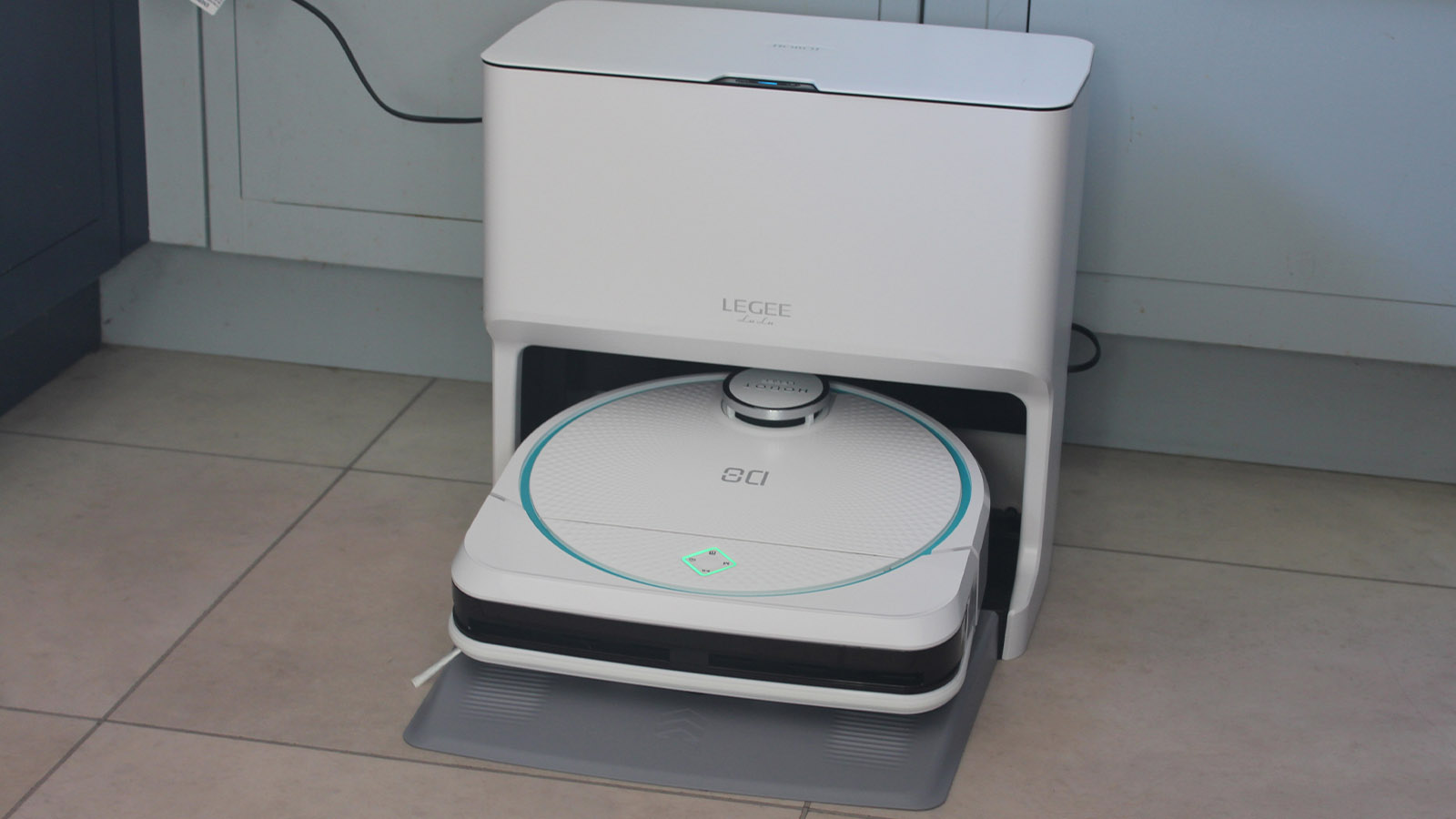
A: It depends on the design. Avoid units with a simple "drip" plate if you have stains. Look for units with dual-spinning mops or those that use a reciprocating (back-and-forth) scrubbing motion. These units apply the necessary pressure to actually clean floors rather than just moving dust around with a wet cloth.
Q: Do I really need an auto-empty base?
A: If you suffer from allergies or simply value your time, the answer is a resounding yes. Emptying a small onboard dustbin every two days is a chore that quickly negates the convenience of owning a robot. An auto-empty dock allows you to ignore the machine for months at a time, which is the true definition of a "set-and-forget" appliance.
Final Verdict: The Tech Advisor Recommendation
For most users, the Eufy X10 Pro Omni remains the most balanced recommendation for 2026. It occupies the "sweet spot" where high-end features like AI-navigation and mopping-automation meet an accessible price point. However, if your home has unique architectural challenges like steep thresholds or extremely low-clearance furniture, the engineering prowess of the Dreame X50 Ultra is worth the premium.
As always, we suggest reviewing your floor plan before making a purchase. A robot vacuum is an investment in your personal time; choose one that is designed to minimize your labor, not add to your maintenance schedule.