
By Tom Wiggins
Streaming Entertainment & Technology Critic
Main Facts: The Phenomenon of Widow’s Bay
It might seem paradoxical to describe a series that has recently swept the board with 14 Emmy Awards as a "hidden gem," yet that remains the most fitting descriptor for Apple TV+’s critically acclaimed 10-part streaming phenomenon, Widow’s Bay.
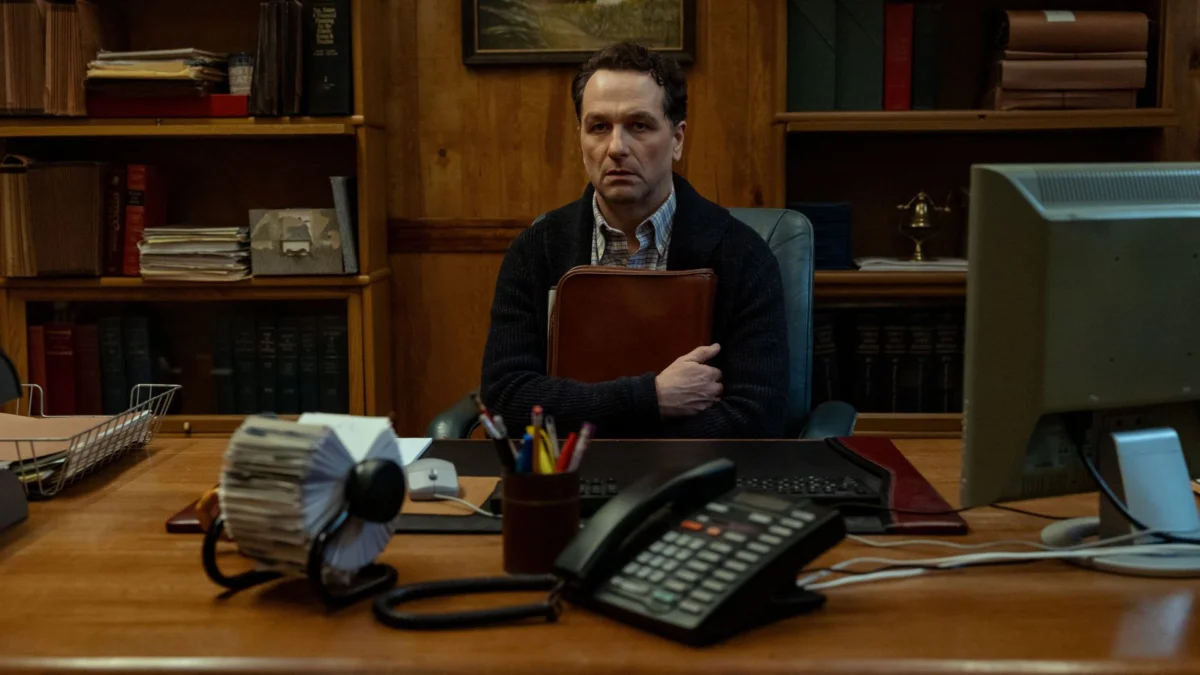
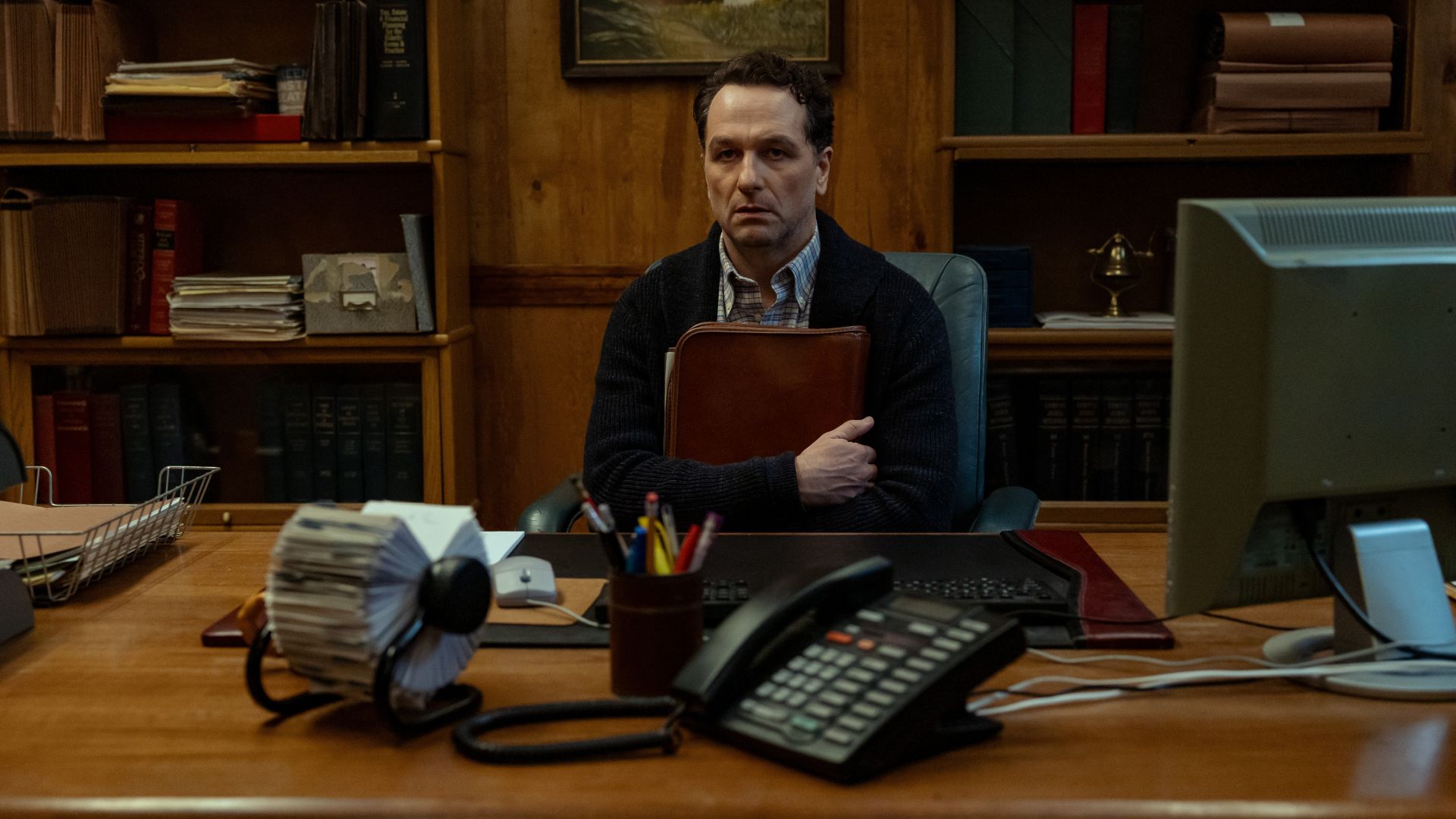
The dark comedy-horror series stars acclaimed Welsh actor Matthew Rhys (The Americans, Perry Mason) as Tom Loftis, the perennially exasperated, bureaucratic mayor of the titular island town. Located 40 miles off the rugged New England coast, Widow’s Bay is so profoundly isolated that it lacks basic modern conveniences like internet access and mobile phone signals. However, outdated telecommunications prove to be the least of the town’s worries. The tight-knit, insular community operates under the unwavering belief that their home is plagued by an ancient, inescapable curse.
Despite generations of local superstition and a macabre history featuring localized bouts of human sacrifice, mass murder, and historical cannibalism, Mayor Loftis remains undeterred. He embarks on an ambitious, albeit delusional, public relations campaign to revitalize the local economy and turn Widow’s Bay into "the next Martha’s Vineyard." But on the eve of a pivotal inspection visit from a high-profile, cynical travel writer, bizarre and inexplicable occurrences begin to plague the town, prompting panicked locals to warn that another dreaded "haunting" is imminent.
Behind the camera, the show’s creative team has crafted a visual and sonic masterpiece that makes Widow’s Bay not only a triumph of storytelling and performance, but also the ultimate stress-test for high-end home theater equipment, demanding the absolute best from modern OLED displays and Dolby Atmos surround sound systems.
Chronology: A History of Isolation, Curses, and Creeping Dread
To fully appreciate the narrative layers of Widow’s Bay, viewers must navigate a meticulously constructed timeline that bridges New England’s dark colonial past with its tense, modern present.
The Colonial Foundation (1702)
The deep historical roots of the island’s trauma are explored most vividly in the series’ pivotal sixth episode. Set entirely in the year 1702, this installment eschews modern apparatuses entirely, relying instead on stark, natural lighting and period-accurate set designs. For home cinema enthusiasts, this episode serves as a showcase for high-end OLED displays, handling the flickering torchlight and shadowy, wood-paneled interiors of early American settlements with breathtaking authenticity. It establishes the foundational sins of the island—laying bare the exact historical atrocities that contemporary characters must live—and die—with.
The Modern Campaign and the Catalyst
Jumping forward to the present day, the series kicks off with a jolt in its opening minutes. Mayor Tom Loftis is violently shaken awake by a nocturnal earthquake. In a masterclass of cinematic tension, the scene is illuminated solely by the cold, pale glow of the moon piercing through a bedroom window. On sub-standard television displays, this sequence dissolves into a muddy, unwatchable blanket of crushed blacks that hides critical narrative details. On a well-calibrated screen, however, viewers can distinctly discern the silhouettes of a vintage alarm clock and a bedside lamp resting on Tom’s nightstand just moments before he leaps out of bed to confront the rumbling earth.
The Escalation of the "Haunt"
As the tourism campaign gathers disastrous momentum, the tension reaches a fever pitch toward the end of the pilot episode. Mayor Loftis hosts the visiting travel journalist at the town’s sole restaurant. Suddenly, the electrical grid fails, plunging the establishment into absolute darkness save for the flickering, intimate glow of tabletop candles.
This sequence offers a brilliant demonstration of dynamic range and contrast. The viewer experiences the stark interplay between the searing, focused intensity of individual candle flames and the deep, oppressive shadows pooling between panicked diners. The claustrophobic atmosphere is further heightened by intimate close-ups that capture the subtle, growing panic etched across Matthew Rhys’s face.
Supporting Data: New England’s Dark Literary and Cinematic Legacy
Widow’s Bay does not exist in a cultural vacuum; rather, it taps deeply into the rich, unsettling geological and cultural iconography of New England. The region has long served as the spiritual and physical heart of American horror, tracing its lineage from real-world historical atrocities to the foundational works of speculative fiction.
The Real-World Blueprint of Terror
In the collective American consciousness, New England is inextricably linked with the supernatural and the repressed. It is the historical site of the Salem witch trials—a mass hysteria fueled by religious paranoia and isolation. Furthermore, it stands as the literary birthplace of some of the most influential architects of dark fiction:
- Edgar Allan Poe: Master of the psychological macabre and the unreliable narrator.
- H.P. Lovecraft: Pioneer of cosmic horror, whose stories frequently feature decaying, isolated coastal towns much like Widow’s Bay.
- Stephen King: The modern titan of horror, who localized terror in fictional Maine towns like Derry and Castle Rock.
Cinematic Predecessors
Modern filmmakers have continually returned to New England’s dense forests, foggy coasts, and crumbling colonial architecture to mine its eerie aesthetic:
- Robert Eggers: Imbued both The Witch and The Lighthouse with the authentic, oppressive atmosphere of historical New England isolation.
- Martin Scorsese: Utilized an abandoned psychiatric hospital on Boston Harbor to evoke psychological dread in Shutter Island.
This architectural and environmental history relies heavily on grand, aging timber-framed buildings. These structures are inherently acoustic instruments, filled with groaning timber, drafty hallways, and the perpetual sound of settling wood. Because of this, Widow’s Bay utilizes Dolby Atmos audio to its absolute limit, making it a stellar showcase for advanced surround sound systems.
While the series relies sparingly on cheap jump scares—saving them for a select few meticulously earned, terrifying moments—it builds dread primarily through audio. When Tom spends a harrowing night in the island’s allegedly haunted hotel, the psychological terror is driven entirely by sound design:
- The deliberate, heavy creaking of wooden stairs as he descends into a pitch-black basement.
- The agonizing, rhythmic ticking of an antique grandfather clock in the communal lounge.
- Ghostly, unexplained footsteps echoing down an empty hallway when official records state he is the only living soul in the building.
Official Responses: The Creative Vision Behind the Masterpiece
The unprecedented critical and awards success of Widow’s Bay—culminating in 14 Emmy victories—has caught many industry observers by surprise, transforming a quiet prestige drama into a dominant cultural touchstone. Speaking on the unique tonal balance of the series, showrunners and cast members have emphasized the delicate alchemy required to blend pitch-black comedy with genuine, skin-crawling horror.
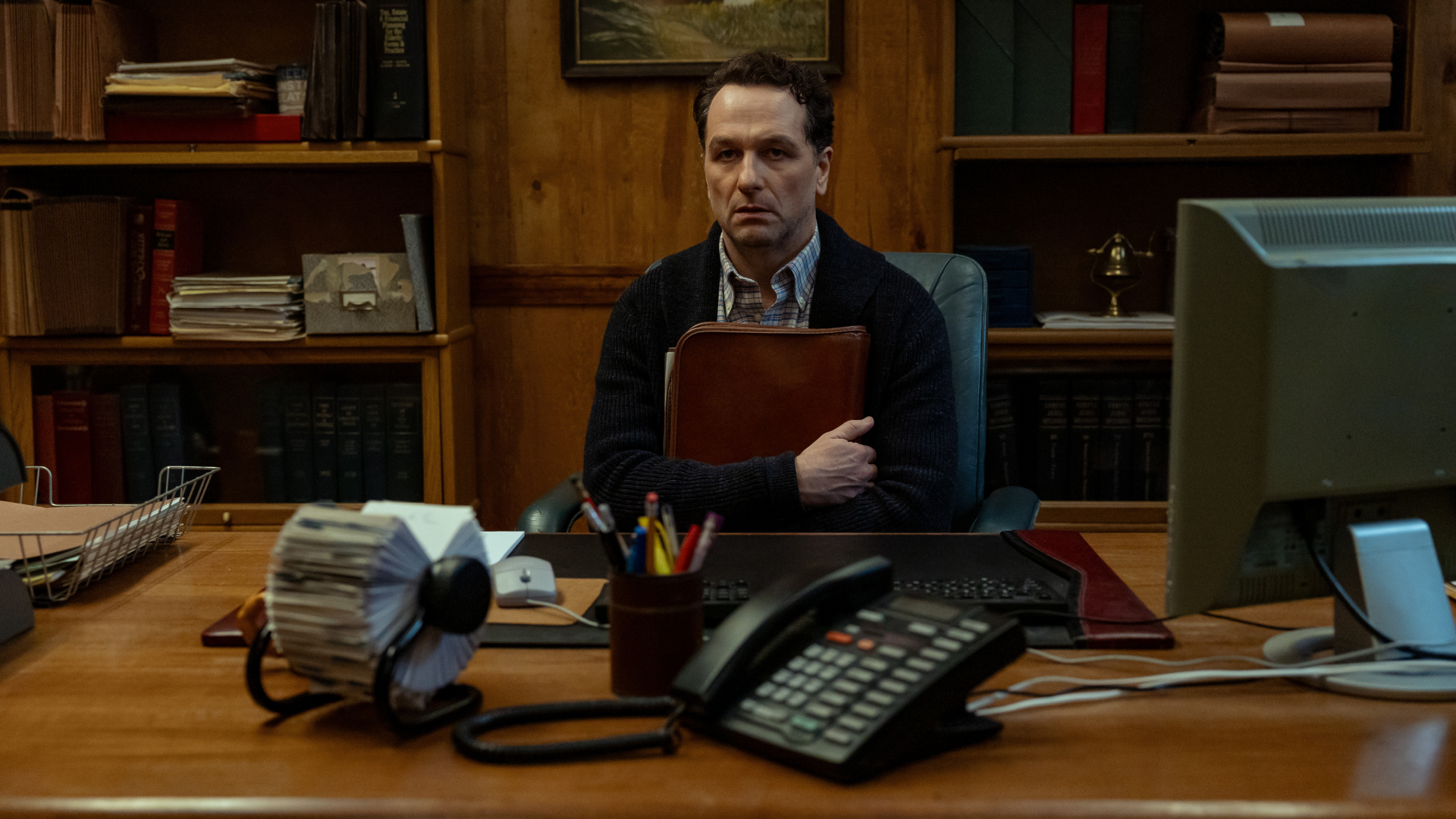
Matthew Rhys, reflecting on his role as the beleaguered Mayor Tom Loftis, noted in early press statements the exhaustion required to play a man fighting against both municipal bureaucracy and supernatural inevitability:
"Tom is a man trying to sell paradise while standing on the precipice of hell. He isn’t an action hero; he’s a middle-aged bureaucrat who desperately wants streetlights that work and a paved road, only to find himself arguing with entities that predate the American Constitution. Playing that level of hyper-real panic while maintaining a straight face was both the greatest joy and the most exhausting challenge of my career."
Apple TV+ executives have likewise praised the series for pushing the boundaries of what streaming television can achieve visually and sonically. By committing to a deliberately desaturated, slightly grained color palette that evokes a vintage cinematic quality, the production team successfully created a coastal town that is simultaneously breathtaking by day and deeply menacing by night.
Industry analysts point out that the show’s sweeping Emmy success validates Apple’s ongoing strategy of prioritizing high-end, auteur-driven content over algorithmically generated mass-market programming.
Implications: What Widow’s Bay Means for Streaming and Home Entertainment
The runaway success of Widow’s Bay carries significant implications for both the television production landscape and the home entertainment hardware market.
1. The Revival of Prestige Horror-Comedy
For years, television struggled to find a sustainable middle ground between campy horror anthologies and bleak, humorless prestige dramas. Widow’s Bay has proven that audiences are hungry for a sophisticated hybrid genre—one that respects the intelligence of the viewer, employs high-caliber dramatic actors like Matthew Rhys, and balances existential dread with sharp, situational wit. Its 14 Emmy wins signal to Hollywood that quirky, high-concept regional storytelling can achieve mainstream awards dominance.
2. A Benchmark for AV Enthusiasts
In an era where a significant percentage of consumers view prestige television on compressed mobile screens or budget smart TVs, Widow’s Bay serves as an aggressive counter-argument. The series acts as a living advertisement for premium home hardware. By demanding peak performance from display technology—specifically calling out the necessity of OLED panels to parse complex night sequences, moonlight illumination, and candlelight gradients—the show encourages viewers to invest in superior gear. Similarly, its meticulous use of Dolby Atmos object-based audio redefines how television soundscapes should be mixed, proving that television can match the sonic fidelity of Hollywood blockbusters.
3. The End of the "Hidden Gem" Era
Armed with an unprecedented trophy haul and surging word-of-mouth recommendations across global streaming communities, Widow’s Bay will not remain a secret much longer. For prospective viewers who have yet to book a virtual ticket to the cursed island, the message from critics and industry insiders is unanimous: jump on board before you miss the boat, turn off the lights, crank up your sound system, and prepare to experience one of the finest television achievements of the decade.