Introduction: A New Chapter for a Storied Brand
For audiophiles worldwide, the name Thorens is synonymous with a golden era of vinyl playback. For decades, the company has been celebrated for its meticulously engineered idler-wheel turntables, particularly the iconic TD 124. This legendary machine, a benchmark of sonic excellence and build quality, has graced countless listening rooms and captured the hearts of discerning music lovers. However, a recent development from Thorens has sent ripples through the audio community: the introduction of a direct-drive version of its flagship model, christened the TD 124. This move, a significant departure from the brand’s heritage, raises a compelling question: can Thorens successfully translate the magic of its past into a modern, direct-drive paradigm? This article delves into the genesis, specifications, initial impressions, and potential implications of this ambitious reimagining.
The Genesis of a Direct-Drive Icon
The original Thorens TD 124, first introduced in 1962, was a revolutionary product for its time. It wasn’t merely a turntable; it was a sophisticated piece of engineering that combined innovative features with a robust build. Its unique idler-wheel drive system, coupled with a heavy platter and a meticulously designed tonearm, delivered a sound characterized by its impressive dynamics, low noise floor, and a natural, organic warmth. The TD 124 quickly garnered a cult following, becoming a sought-after component for those seeking the pinnacle of analog audio reproduction. Its enduring appeal is evident in the thriving vintage market, where well-maintained examples command premium prices and continue to be restored and cherished by enthusiasts.
The decision by Thorens to introduce a direct-drive variant of the TD 124 is therefore a significant one. For years, the brand has been associated with the sonic characteristics inherent in idler-wheel designs. Direct-drive turntables, while offering their own distinct advantages, have traditionally been associated with a different sonic signature, often characterized by unwavering speed stability and a more immediate, impactful presentation. This new TD 124, therefore, represents a deliberate and calculated evolution, aiming to blend the revered aesthetic and conceptual lineage of its predecessor with the technological advancements and sonic characteristics of modern direct-drive systems.
Unpacking the Modern TD 124: Key Specifications and Design Philosophy
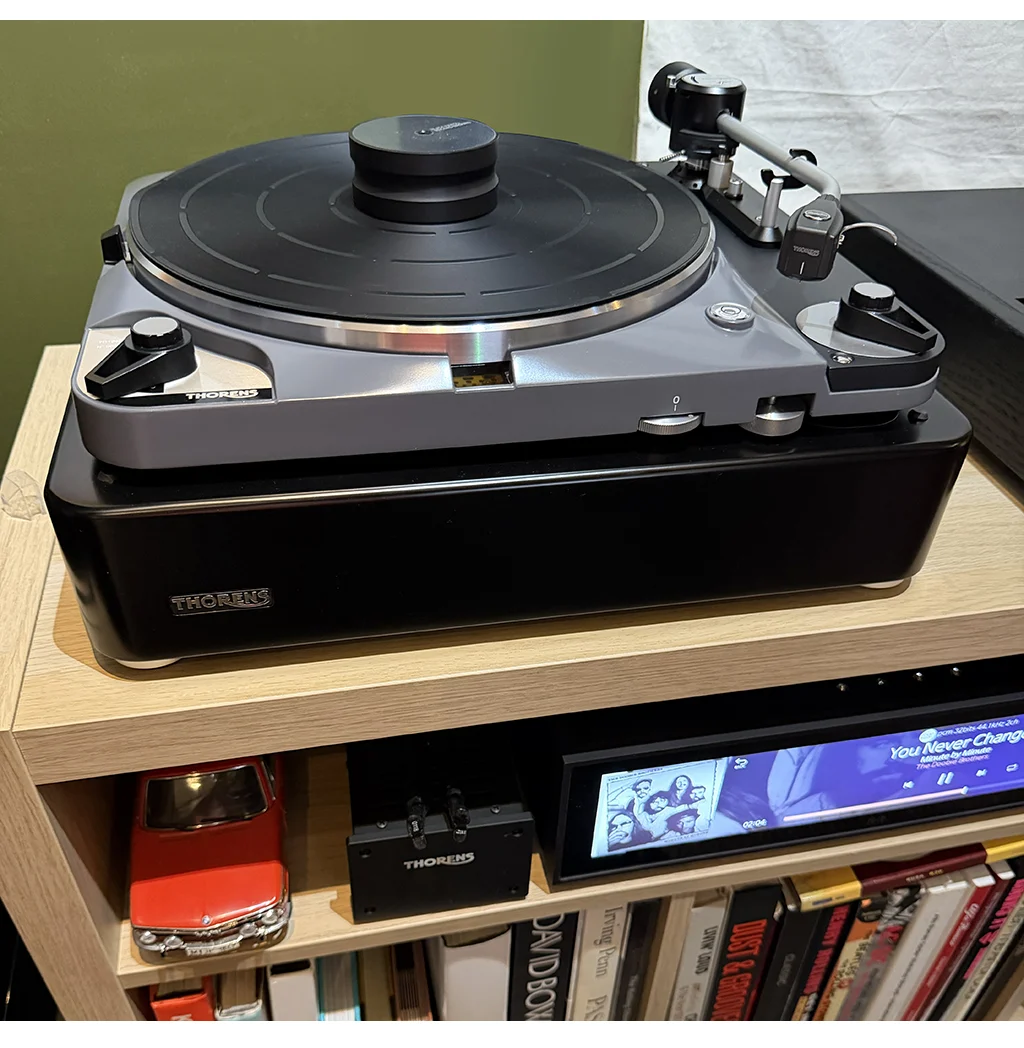
The new Thorens TD 124 is not a mere cosmetic rehash of the original. While it clearly pays homage to its ancestor through its styling cues, the internal engineering represents a significant leap forward. The most notable departure, as indicated by the "DD" designation, is the adoption of a direct-drive motor. This eliminates the need for the idler wheel and associated mechanical complexities, offering potentially greater speed accuracy and reduced mechanical noise.
Key Specifications and Features:
- Drive System: Direct Drive – This is the headline feature, promising exceptional speed stability and a direct connection between the motor and the platter. This contrasts sharply with the original TD 124’s idler-wheel system.
- Platter: While the original TD 124 featured a heavy, cast-iron platter, the new model utilizes a platter that, while substantial, does not employ cast iron. This is a practical consideration, as the original cast-iron platter was known to be exceptionally hard and could potentially damage delicate phono cartridges during mounting or accidental contact. The new platter’s design prioritizes mass for inertia while mitigating the risk of damage to expensive MC cartridges.
- Tonearm: The reimagined TD 124 is supplied with a 9-inch Thorens tonearm. This ensures compatibility with a wide range of cartridges and maintains the brand’s tradition of offering integrated tonearm solutions. The specific model of the Thorens arm may vary or be a new design, but its presence underscores the commitment to a complete, high-performance package.
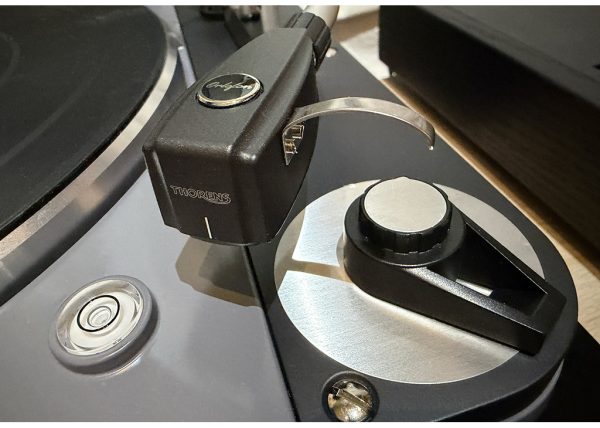
- Cartridge Integration: In initial reports, the TD 124 is being showcased with Ortofon’s latest SPU cartridge, specifically designated the TD124. This collaboration highlights Thorens’ intention to offer a turnkey solution for audiophiles, pairing the turntable with a cartridge renowned for its sonic capabilities and its historical connection to the SPU lineage, which itself has a long and distinguished history.
- Build and Aesthetics: The article highlights that the "styling cues are here," suggesting that the visual essence of the original TD 124 has been preserved. This includes the distinctive plinth design and overall layout, which contribute significantly to the turntable’s iconic status. However, the reviewer notes that "when you lift the platter it looks more like an SL-1200 than a Thorens." This observation is significant. The Technics SL-1200 is another legendary direct-drive turntable, known for its robust direct-drive mechanism. This comparison suggests that while Thorens has retained the visual charm of the original, the underlying direct-drive technology might share some functional similarities with the benchmark direct-drive designs.
The design philosophy behind this new TD 124 appears to be a delicate balancing act. On one hand, Thorens is leveraging the immense goodwill and sonic legacy associated with the original TD 124. On the other, it is embracing modern direct-drive technology to offer a turntable that is not only a tribute but also a contemporary contender in the high-fidelity market. The aim is likely to capture the spirit of the original – its musicality, its presence, and its ability to convey the emotional depth of the music – while benefiting from the precision and convenience of direct-drive.
Initial Sonic Impressions: Big, Lush, and Dynamic
Early listening impressions of the new Thorens TD 124 suggest that Thorens has managed to create a turntable that offers a compelling sonic experience. The reviewer, paired with MoFi Distribution and utilizing Ortofon’s SPU TD124 cartridge and the MoFi Master Phono phono stage in "current mode," describes the sound as "big, lush, and dynamic."
This description is particularly noteworthy. "Big" suggests a soundstage with a substantial sense of scale and presence, with instruments occupying their own space. "Lush" implies a rich, detailed, and perhaps slightly warm tonal balance, avoiding the clinical or sterile sound that some direct-drive turntables can exhibit. "Dynamic" points to a wide dynamic range, with the ability to reproduce subtle nuances and powerful crescendos with equal fidelity and impact.
The ease of setup is also mentioned as a positive, indicating that the modern iteration of the TD 124 is designed for user-friendliness, a contrast to some of the more involved setup procedures of vintage turntables. The absence of a cast-iron platter, while a departure from the original, is presented as a practical improvement that enhances usability without compromising the overall mass and inertia required for stable playback.
The reviewer’s initial reaction, even without a direct comparison to a vintage unit, is positive. The combination of the new TD 124, the Ortofon SPU TD124 cartridge, and the MoFi Master Phono stage appears to be a potent one, capable of delivering an engaging and musically satisfying listening experience.
The Specter of the Original: A Vintage Comparison on the Horizon
The article explicitly states the intention for a "proper comparison to a vintage 124." This is perhaps the most crucial aspect of evaluating the new TD 124. The original Thorens TD 124 is not just a turntable; it’s an artifact of audio history, revered for its unique sonic character. Its idler-wheel drive, while sometimes perceived as having potential for subtle rumble or speed fluctuations, is also credited with imparting a certain "groove" and musical momentum that many audiophiles find irresistible.
A direct comparison will be essential to understand:
- Sonic Signature: How does the direct-drive TD 124’s sound compare to the classic idler-wheel presentation? Does it retain the warmth and organic quality of its predecessor, or does it lean towards the more precise and immediate sound often associated with direct drive?
- Speed Stability: While direct drive inherently offers superior speed accuracy, how does it stack up against a well-maintained vintage unit? Are there any subtle speed variations in the original that contribute to its perceived musicality, and can the new TD 124 replicate or surpass this?
- Noise Floor and Dynamics: How does the noise floor of the direct-drive system compare to the idler wheel? Does the direct drive offer a more extended dynamic range or a greater sense of impact?
- Tonearm Performance: The original TD 124 was often paired with high-quality tonearms. How does the new 9-inch Thorens arm perform in comparison to the arms typically found on vintage TD 124s, and how does it integrate with the new drive system?
- Build Quality and User Experience: While the new TD 124 aims to capture the styling, the tactile feel and overall build quality of vintage Thorens turntables are legendary. How does the new model compare in terms of materials, fit, and finish?
This impending comparison will be eagerly awaited by the audiophile community. It will shed light on whether Thorens has managed to capture the "soul" of the original TD 124 in a modern package or if the new direct-drive system, while technically superior in some aspects, offers a fundamentally different sonic experience. The reviewer’s curiosity, "if nothing else – I want to know," reflects the sentiment of many who have a deep appreciation for the original and are keen to see how this reimagining fares.
Supporting Data and Context: The Evolution of Turntable Technology
The introduction of a direct-drive TD 124 is not an isolated event in the history of turntable design. It reflects broader trends and advancements in audio engineering.
The Idler Wheel Era:
Idler-wheel turntables, prevalent from the 1950s through the early 1970s, were characterized by a motor that drove a rubber idler wheel, which in turn spun the platter. This system offered good torque and a relatively low noise floor compared to early belt-drive systems. However, idler wheels could wear down, leading to speed inconsistencies and potential rumble. The Thorens TD 124, despite these potential drawbacks, was exceptionally well-engineered, minimizing these issues through innovative design and high-quality components. Its iconic status is a testament to how well Thorens managed this technology.
The Rise of Direct Drive:
Direct-drive turntables, gaining prominence in the 1970s, offered a different approach. The motor was directly coupled to the platter, eliminating the idler wheel and often the belt. This resulted in exceptional speed accuracy and stability, crucial for DJing and for audiophiles who prioritized unwavering pitch. Brands like Technics, with their legendary SL-1200 series, became synonymous with direct-drive performance. However, early direct-drive motors could sometimes generate electromagnetic interference or audible motor noise if not meticulously designed.
The Resurgence of Vinyl and Modern Innovations:
In recent decades, vinyl has experienced a remarkable resurgence. This has fueled innovation across the entire audio chain, from cartridge design to phono preamplifiers and, of course, turntables. Manufacturers are now able to leverage advancements in materials science, motor control, and digital signal processing to create turntables that offer the best of both worlds. Modern direct-drive systems are incredibly sophisticated, offering pinpoint accuracy without the sonic compromises of earlier designs. Similarly, belt-drive and idler-wheel systems have also seen significant improvements, with manufacturers finding new ways to optimize their performance.
Thorens’ decision to enter the direct-drive arena with a TD 124 model can be seen as a strategic move to remain relevant and competitive in this evolving landscape. By applying their legendary brand prestige and design heritage to a modern direct-drive platform, they are aiming to attract both existing Thorens enthusiasts and a new generation of audiophiles who may be drawn to the benefits of direct drive but also appreciate the allure of a classic design. The use of a 9-inch arm and a cartridge like the Ortofon SPU TD124 further indicates a commitment to delivering a high-performance, integrated system.
Official Responses and Brand Strategy
While the provided text does not include direct quotes from Thorens representatives, the product itself speaks volumes about the company’s strategic direction. The reimagining of the TD 124 as a direct-drive model is a bold statement.
Reaffirming Heritage while Embracing the Future:
By naming the new model the TD 124, Thorens is clearly aiming to capitalize on the immense brand recognition and positive associations with its most famous product. This is a common strategy for established companies looking to introduce new products – leveraging nostalgia and a proven track record. However, the shift to direct drive signifies a willingness to evolve and adapt to contemporary audio technology. It suggests that Thorens recognizes the advantages of direct drive and believes they can implement it in a way that aligns with their brand’s reputation for quality and sonic excellence.
Targeting a Diverse Audience:
This new TD 124 likely aims to appeal to a broad spectrum of audiophiles:
- Long-time Thorens enthusiasts: Those who have cherished their vintage Thorens turntables and are curious to see how the brand translates its legacy into modern technology.
- Direct-drive proponents: Audiophiles who prefer the sonic characteristics of direct-drive systems and are looking for a high-end option from a respected brand.
- Newcomers to high-fidelity audio: Individuals who are attracted to the iconic styling and the promise of a high-performance, easy-to-set-up turntable that offers a premium listening experience.
The collaboration with MoFi Distribution, a well-respected name in the audiophile world, further solidifies Thorens’ commitment to presenting this new product in the best possible light, ensuring it reaches the right audience and is reviewed by credible sources. The choice of the Ortofon SPU TD124 cartridge suggests a carefully curated system, designed to showcase the turntable’s capabilities from the outset.
Implications and the Future of Thorens
The introduction of the direct-drive Thorens TD 124 has several significant implications for the brand and the wider audio industry.
1. Redefining the Thorens Sound:
For decades, the "Thorens sound" has been associated with the warm, musical, and dynamic presentation of their idler-wheel turntables. This new direct-drive model has the potential to redefine that perception. If it successfully marries the precision of direct drive with the musicality that Thorens is known for, it could establish a new sonic benchmark for the brand, one that embraces both heritage and technological advancement. The success of this endeavor will hinge on how well the engineering team has managed to imbue the direct-drive system with the engaging and lifelike qualities that made the original TD 124 so beloved.
2. Competition in the High-End Turntable Market:
The high-end turntable market is fiercely competitive, with established players and emerging brands constantly pushing the boundaries of performance. A new Thorens TD 124, especially one that offers a modern direct-drive solution with the allure of a legendary name, will undoubtedly attract attention. It will compete directly with other premium direct-drive turntables, as well as high-end belt-drive and idler-wheel designs. Its success will depend on its ability to offer a compelling combination of sonic performance, build quality, aesthetics, and value.
3. The Future of Vintage vs. Modern:
This launch also touches upon the ongoing debate between vintage and modern audio equipment. While vintage turntables like the original TD 124 hold immense appeal for their historical significance and unique sonic character, they can also be prone to wear and tear, requiring maintenance and restoration. The new TD 124 offers a modern, factory-warrantied alternative that aims to deliver comparable, or even superior, performance with the convenience and reliability of contemporary engineering. This could encourage a new generation of audiophiles to explore the Thorens legacy without the potential challenges of acquiring and maintaining a vintage unit.
4. The Thorens Brand Trajectory:
This release is a clear indication of Thorens’ ambition to remain a significant player in the high-fidelity audio market. By innovating and embracing new technologies while respecting their heritage, they are positioning themselves for continued growth and relevance. The success of the TD 124 could pave the way for further reinterpretations of other classic Thorens models or the development of entirely new product lines that draw inspiration from their rich history.
Conclusion: A Legend Reborn, A New Era Dawns?
The Thorens TD 124 in its direct-drive iteration is more than just a new turntable; it’s a statement of intent from a storied brand. It represents a bold step into a new technological paradigm, a deliberate reimagining of an icon that seeks to honor its past while embracing the future. The initial impressions are promising, hinting at a sound that is both substantial and engaging.
The true measure of this new TD 124 will, of course, come with the in-depth comparisons and long-term listening experiences. Will it capture the intangible magic of its predecessor while offering the precision and stability of direct drive? Or will it forge a new sonic identity that stands on its own merits? Regardless of the outcome, the introduction of the direct-drive Thorens TD 124 is a significant event in the world of high-fidelity audio, promising to reignite passion for the Thorens legacy and offer a compelling new option for discerning music lovers. The anticipation for further evaluation and the direct comparison with the vintage original is palpable, marking a new and exciting chapter for this legendary marque.