When was the last time you sat down and truly, deeply listened to an album? In an era dominated by the relentless pull of the attention economy, the honest answer for most is: far too long ago. Music has increasingly transitioned from a primary artistic medium into the background soundtrack of our lives—relegated to commutes, household chores, or passive scrolling.
As the digital landscape becomes noisier, a quiet counter-revolution is taking place in the dark. Celebrating its tenth anniversary, Pitchblack Playback—a global listening initiative founded in 2016—has established a sanctuary for distracted minds. By stripping away visual stimuli, banning mobile devices, and gathering audiences in absolute darkness, the event series offers a radical return to dedicated, active listening.
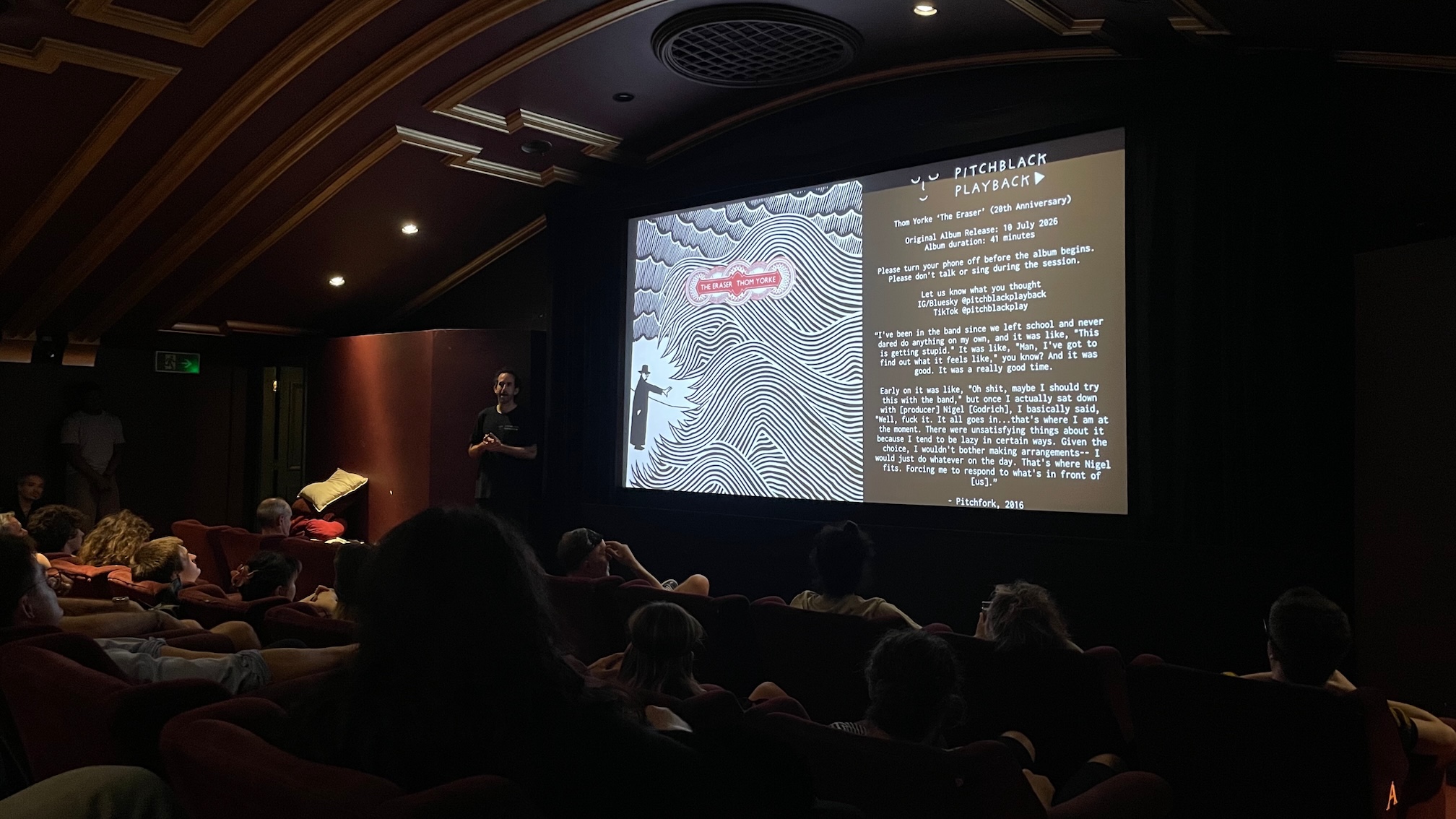
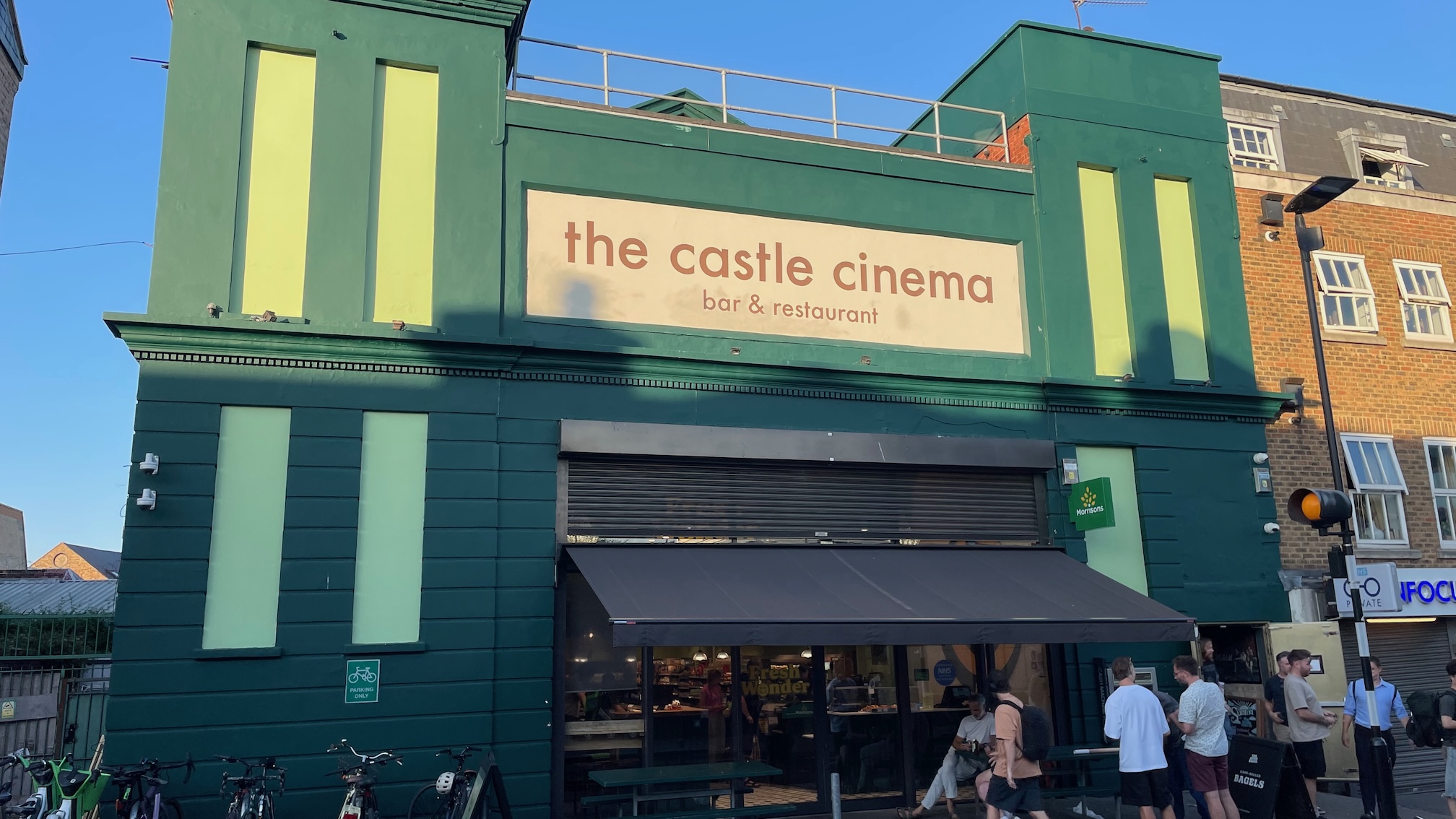
To understand the appeal of this sensory-deprivation phenomenon, we attended a special anniversary session at The Castle Cinema in Homerton, London. The featured record was Thom Yorke’s seminal debut solo album, The Eraser, which has just marked its 20th anniversary. The experience revealed not only a new way to appreciate high-fidelity audio but also a growing cultural movement seeking refuge from modern digital exhaustion.
Main Facts: The Anatomy of a Blackout Listening Session
At its core, Pitchblack Playback is an exercise in radical focus. The premise is deceptively simple: an audience gathers in a high-specification audio venue, the lights are extinguished, and a curated album is played in its entirety from start to finish. However, the execution requires strict adherence to a set of rules designed to preserve the integrity of the acoustic environment.
The Rules of Engagement
To eliminate the subconscious urge to check notifications or engage in social performativity, the organizers enforce a zero-tolerance policy for distractions:
- No Phones: All mobile devices must be silenced and put away.
- No Talking or Singing: Attendees are expected to remain completely silent throughout the playback.
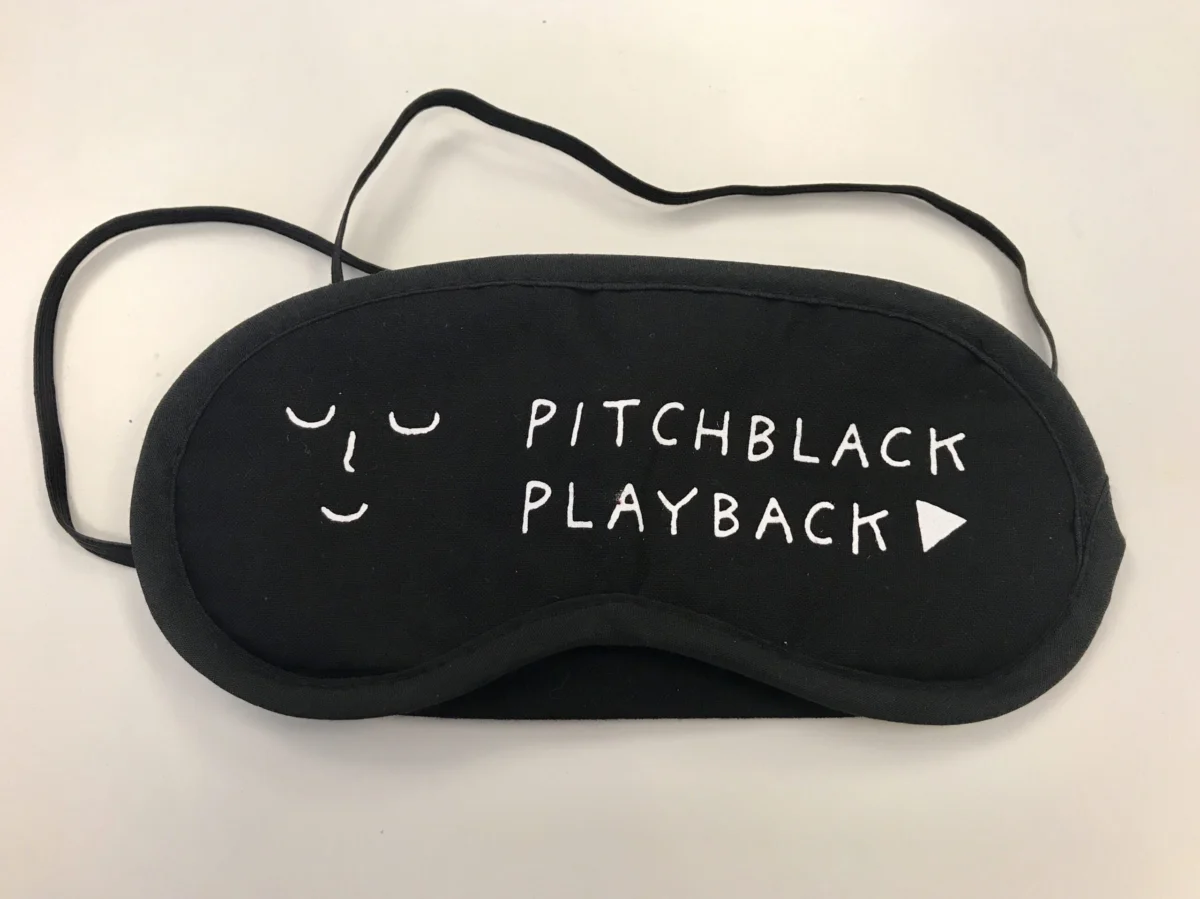
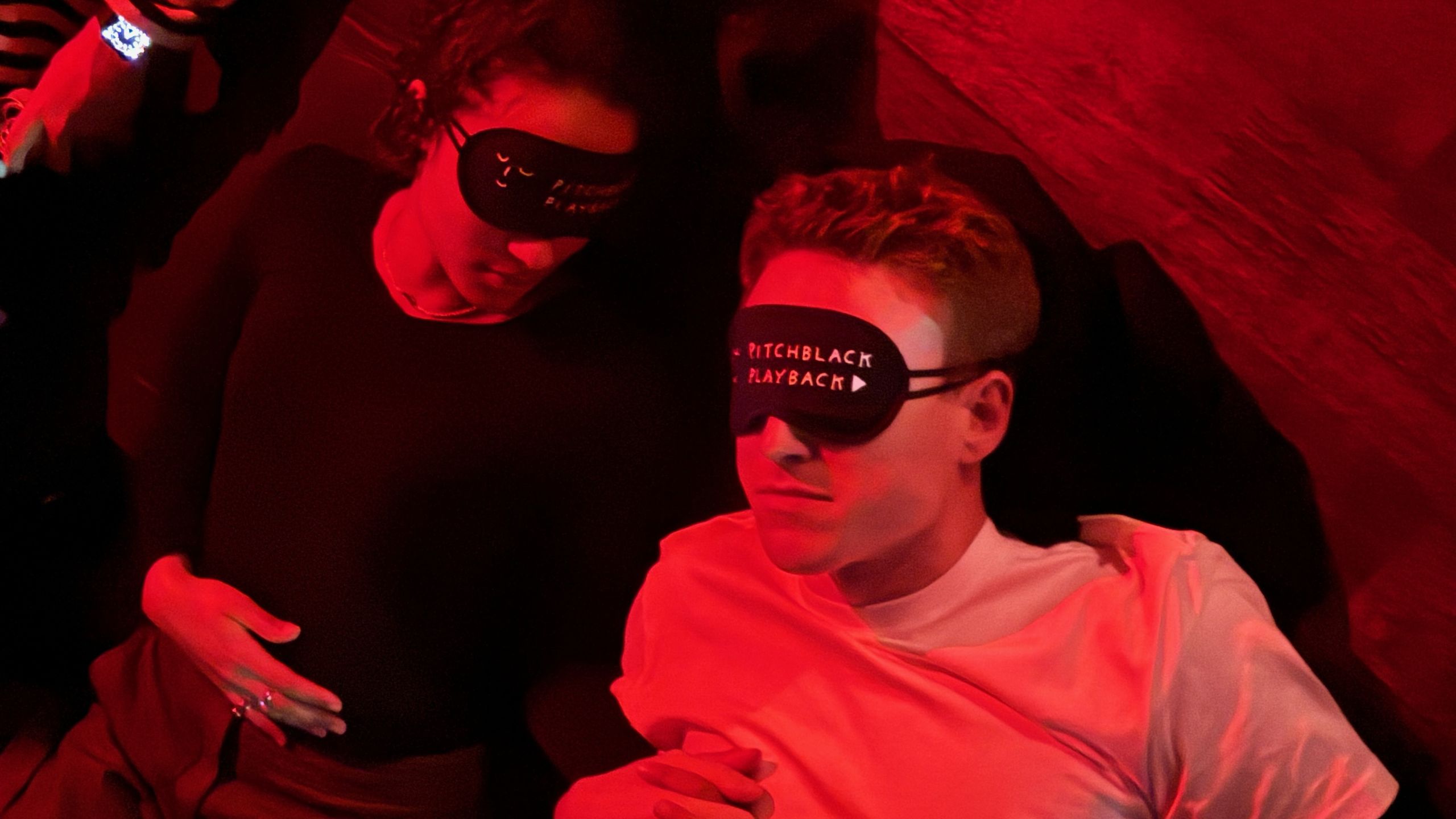
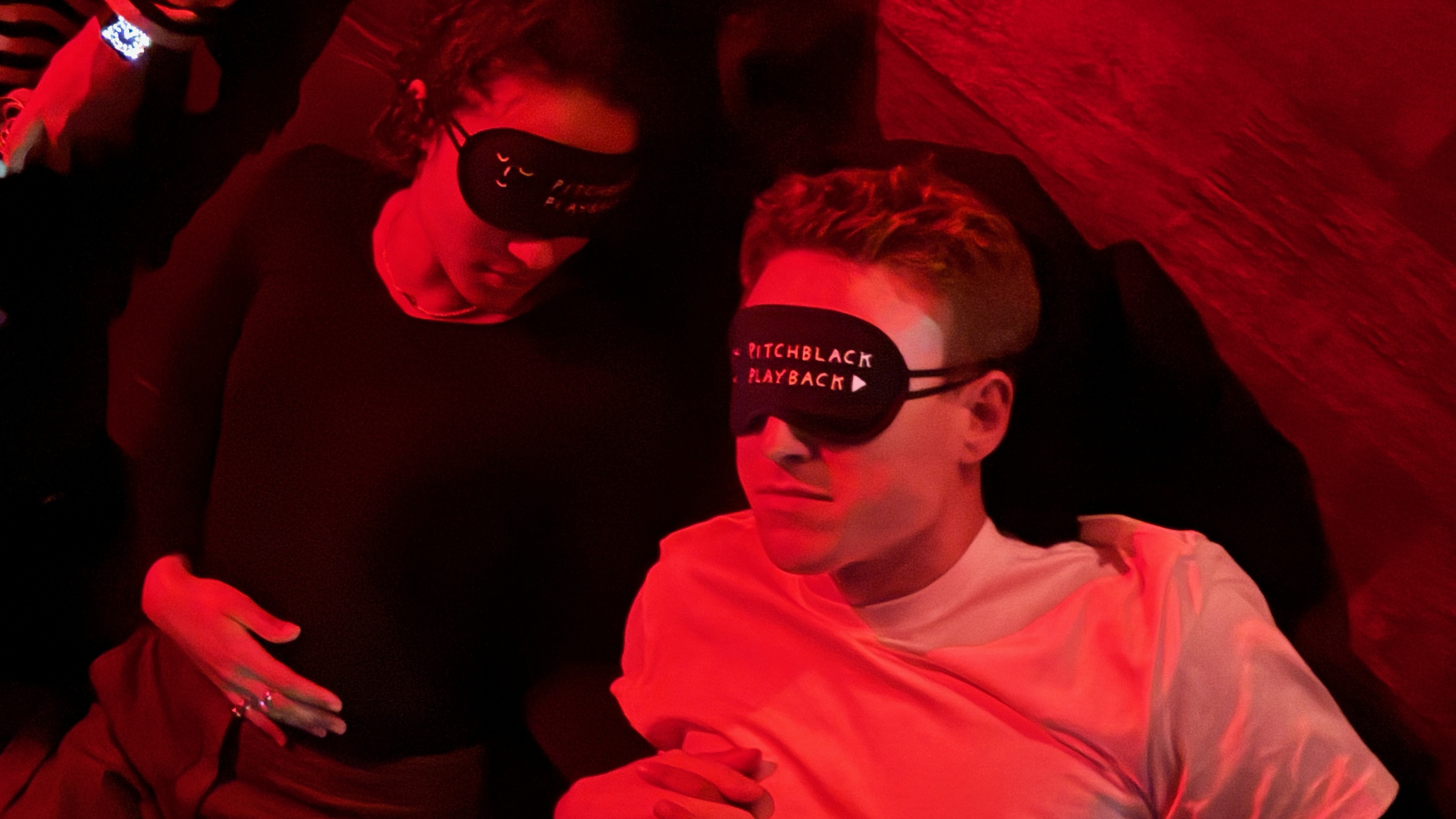
- Complete Darkness: Although the venue’s lights are turned off, local fire safety regulations require emergency exit signs to remain illuminated. To combat this residual light, every attendee is handed a high-quality eye mask upon entry, ensuring a total, uninterrupted blackout.
The Venue and the Music
The anniversary session took place at The Castle Cinema, a historic independent venue in Hackney, London, known for its superb acoustic properties and comfortable, deep-backed seating. The album of choice, Thom Yorke’s The Eraser (originally released in 2006), was selected for its intricate, glitchy electronic layers and intimate vocal deliveries—characteristics that Yorke himself once noted were designed "to be listened to in an isolated space."
Chronology: From Samuel Beckett to Global Audiophile Phenomena
The trajectory of Pitchblack Playback from a niche London experiment to an international audio movement spans over a decade of cultural shifts.
[2011] Amon Tobin "ISAM" Preview (Inspiration)
   │
[2014] Beckett's "Not I" at Royal Court (The Spark for Darkness)
   │
[2016] Pitchblack Playback Founded by Ben Gomori
   │
[2018-2019] Shift to Classic Albums & Global Expansion (Paris, Mexico City)
   │
[2026] 10th Anniversary Celebrations / "The Eraser" 20th Anniversary Session
2011–2014: The Sparks of Inspiration
The conceptual seeds of the event were planted in 2011 when founder Ben Gomori, a London-based DJ, producer, and promoter, attended an exclusive album preview for electronic artist Amon Tobin’s ISAM. Hosted by the independent record label Ninja Tune at the Soho Hotel, the playback featured custom visuals projected onto a screen.
While the visuals were impressive, Gomori was far more struck by the physical environment: a room of strangers sitting in silence, collectively absorbing a complex record over a premium sound system without the typical interruptions of a live gig or a crowded bar.
The pivot toward total darkness occurred a few years later, inspired by an unlikely source: the modernist playwright Samuel Beckett. A friend of Gomori’s had recently attended a production of Beckett’s short monologue play Not I at the Royal Court Theatre. The staging of the play requires the auditorium to be in pitch darkness, save for a single, intense spotlight illuminating the actress’s mouth as she delivers a rapid-fire stream of consciousness. The sensory intensity of this theatrical device sparkled an idea: if darkness could focus the mind so sharply on the spoken word, it could do the same for music.
2016: The Launch
In 2016, Pitchblack Playback was officially launched. Initially, the events focused primarily on hosting exclusive previews for highly anticipated new releases from contemporary artists such as MGMT, Explosions In The Sky, and Christine and the Queens.
2018–Present: The Shift to Classics and Global Expansion
While new release previews drew dedicated fans, the series experienced a massive surge in popularity when Gomori began programming classic albums. Masterpieces by iconic artists like David Bowie and Miles Davis acted as powerful gateways, attracting audiophiles who wanted to experience their favorite, deeply familiar records in an entirely new dimension.
As word of mouth spread, major record labels realized the value of these sessions as premium, high-impact marketing tools for catalog reissues and box sets. Today, Pitchblack Playback is no longer confined to London cinemas. The brand has hosted sessions in planetariums in Bristol and Glasgow, as well as specialized listening spaces worldwide, including Listener in Paris and Shhh in Mexico City.
Supporting Data: The Physics and Philosophy of Spatial Audio
To appreciate why a Pitchblack Playback session sounds vastly superior to a standard home listening setup, one must examine the rigorous technical standards and acoustic engineering behind each event.
Technical Specifications and Resolution Standards
Gomori maintains an uncompromising stance on audio quality. The events reject highly compressed formats, ensuring that every playback meets or exceeds high-resolution standards:
| Parameter | Standard Requirement | Cultural Context |
|---|---|---|
| Minimum Resolution | 16-bit / 44.1 kHz (CD Quality) | Avoids lossy MP3/streaming compression |
| Target Resolution | 24-bit / 96 kHz (High-Res Audio) | Maximizes spatial detail and dynamic range |
| Upmixing Protocol | Stereo to 5.1 or Dolby Atmos | Tailored specifically to the venue’s architecture |
The Spatial Audio Architecture
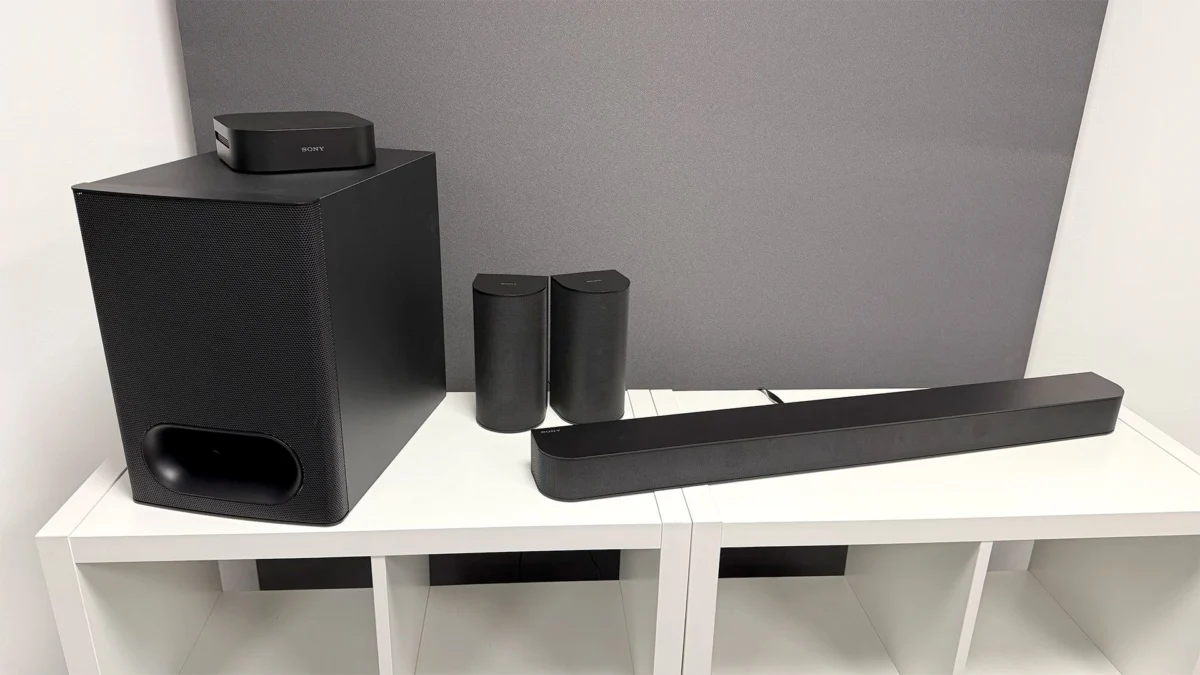
Unless an album has been natively mixed in Dolby Atmos or 5.1 surround sound, Pitchblack Playback meticulously upmixes high-resolution stereo masters to utilize the multi-channel cinema sound systems.
Upmixing is a delicate art. Done poorly, it can smear the stereo image and ruin the artist’s original production intentions. Gomori and his audio team carefully test each record to ensure that the upmixing process enhances the sense of scale, height, and depth without introducing phase issues. In the rare event that an upmixed album sounds worse than its original format, the team defaults to a pure, unadulterated stereo playback.
Furthermore, venue selection is subject to strict criteria. The room’s geometry is analyzed to ensure there are no "dead zones" or overly distant seating configurations. Cinemas are ideal because they are acoustically treated to minimize sound reflection and maximize low-end bass response.
Official Responses: Insights from Founder Ben Gomori and Participant Accounts
The Founder’s Philosophy: "Shared Introspection"
Speaking ahead of the London session, Ben Gomori emphasized that Pitchblack Playback addresses a deep-seated psychological need that modern technology has actively eroded.
"It’s about taking time out of your week and just sitting down with a piece of art and engaging with it with no distraction," Gomori explained. "We need experiences like this in our lives. I call it ‘shared introspection.’ Maybe none of your friends like a certain artist, but you can come here and meet other superfans. I’ve seen complete strangers making plans together afterwards, which is really nice to see."
Gomori also noted the wide spectrum of audience reactions to the sensory deprivation:
"We’ve had a few people fall asleep. It’s usually dads—I’ve had to prod them awake at the end. Whereas some people lie down on the floor directly in front of the subwoofer to really absorb the physical weight of the bass."
First-Hand Account: Experiencing The Eraser in the Dark
Entering Screen One at The Castle Cinema, the atmosphere was immediately distinct from a typical movie screening. The chatter was subdued, almost reverent. After a brief introductory talk by Gomori, attendees adjusted their eye masks, and the lights plunged into total blackness.
Initially, the sensation of wearing an eye mask in a room full of strangers can induce a mild, self-conscious paranoia. Without visual cues, the brain struggles to orient itself. However, as the opening piano chords of the title track The Eraser echoed through the theater, the anxiety dissolved.
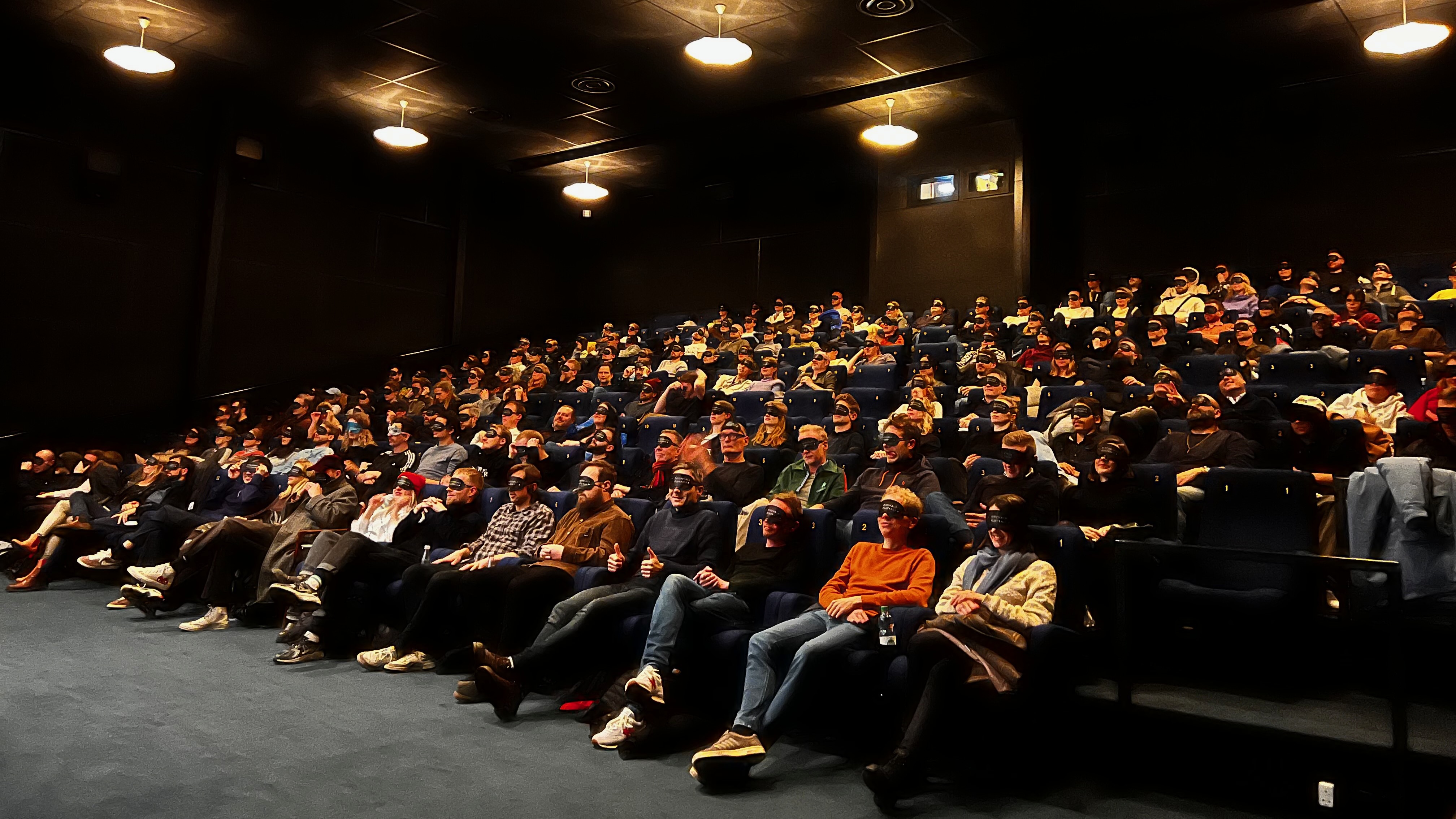
The spatial audio mix was revelatory. Thom Yorke’s signature vocals did not merely play from the front; they hovered intimately in the center of the room, while glitchy digital percussion skittered across the side and rear channels. The warm, analog-sounding synthesizer pads of Cymbal Rush bloomed from the subwoofers, vibrating through the fabric of the seats.
Without visual distractions, the mind’s relationship with the music changes. It does not result in a state of hyper-focus where every single note is clinically analyzed; rather, it mimics a meditative state. The mind wanders, triggered by sonic textures, drifting in and out of the soundscape in a way that feels incredibly reminiscent of pre-smartphone music consumption.
Upon the album’s conclusion, several seconds of absolute silence hung in the air before the dim house lights slowly returned. The collective transition back to reality was marked by a shared sense of disorientation—attendees blinked, smiled sheepishly, and slowly adjusted to the light, visibly relaxed.
Implications: Resisting the Digital Stream and the Future of Shared Introspection
The steady growth of Pitchblack Playback over the past ten years points to a broader cultural shift: the rise of the "slow movement" in art and lifestyle. Just as slow food and slow travel emerged as antidotes to hyper-convenience, "slow listening" is positioning itself as a vital counterweight to the algorithmic curation of streaming platforms.
       [The Digital Landscape]
  High Distraction / Low Engagement
              │
              ▼ (The Search for Contrast)
       [Sensory Deprivation]
   Zero Screens / Dedicated Space
              │
              ▼ (The Psychological Outcome)
     "Shared Introspection"
  Deep Acoustic & Communal Connection
The Renaissance of Audiophile Spaces
This phenomenon does not exist in a vacuum. It aligns directly with the global resurgence of vinyl records and the rapid proliferation of Japanese-style hi-fi listening bars across major metropolitan areas. Consumers are increasingly willing to pay a premium for high-quality, physical, and analog-adjacent audio experiences.
The Post-Pandemic Need for Low-Demand Community
In a post-pandemic society where remote work and digital communication have isolated individuals, Pitchblack Playback offers a unique form of community. It provides a physical, shared experience that demands absolutely nothing from the participant. There is no pressure to socialize, no dress code, and no performative element. It is a communal gathering based entirely on passive, shared vulnerability in the dark.
As we look to the future of entertainment, the success of Pitchblack Playback suggests that the next luxury frontier may not be high-tech virtual reality or hyper-stimulating visual spectacles. Instead, the ultimate luxury might be something far simpler, rarer, and increasingly precious: absolute silence, total darkness, and the time to truly hear.