In the rapidly evolving world of personal meteorology, the pursuit of the "perfect" home weather station remains a delicate balance between aesthetic design, ease of use, and scientific accuracy. The new Ambient Weather WS-4000 enters a crowded market, promising a streamlined, all-in-one sensor experience backed by one of the industry’s most robust software ecosystems. However, as our testing reveals, this device serves as a case study in the trade-offs currently defining modern weather technology.
Main Facts: A Familiar Face in the Sky
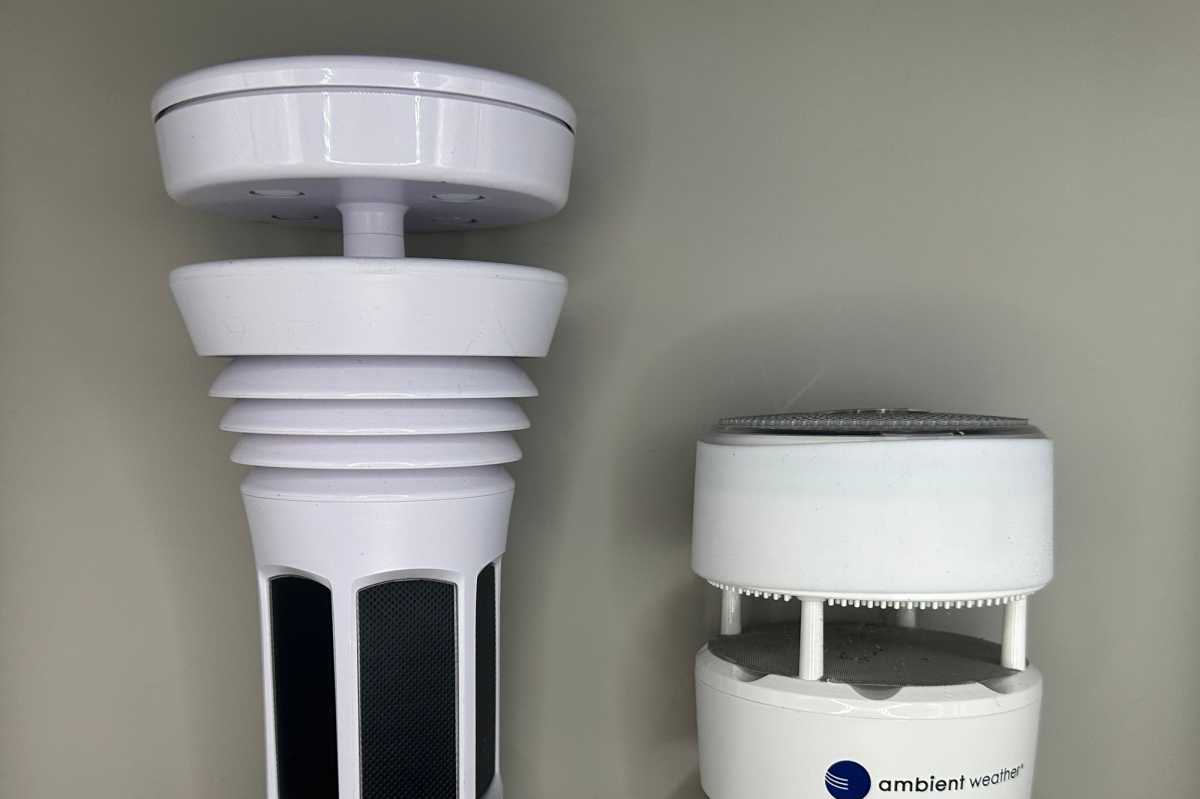
The Ambient Weather WS-4000 is an all-in-one, no-moving-parts sensor suite that relies on sonic anemometers and haptic sensors rather than traditional mechanical cups and buckets. At its core, it is a sleek, modern, and unobtrusive device that blends into a suburban backyard significantly better than the industrial-looking alternatives like the KestrelMet 6000.
The package includes:
- The Sensor Array: A compact unit measuring wind speed, direction, temperature, humidity, UV levels, light intensity, and precipitation.
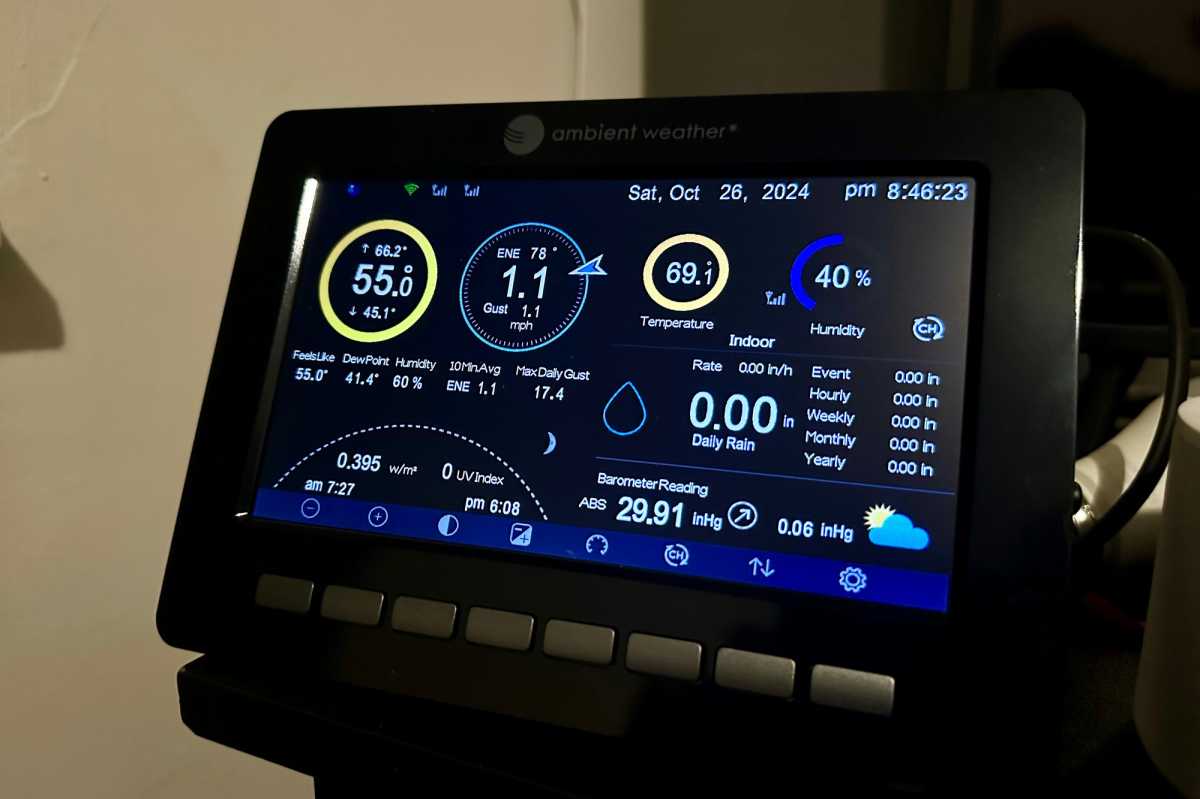
- Indoor Console: A high-contrast, bright display that provides real-time data at a glance, allowing for a localized view of weather conditions without relying on a smartphone.
- Indoor Sensor: A dedicated WH32B barometer/thermometer/hygrometer unit to monitor the climate inside the home.
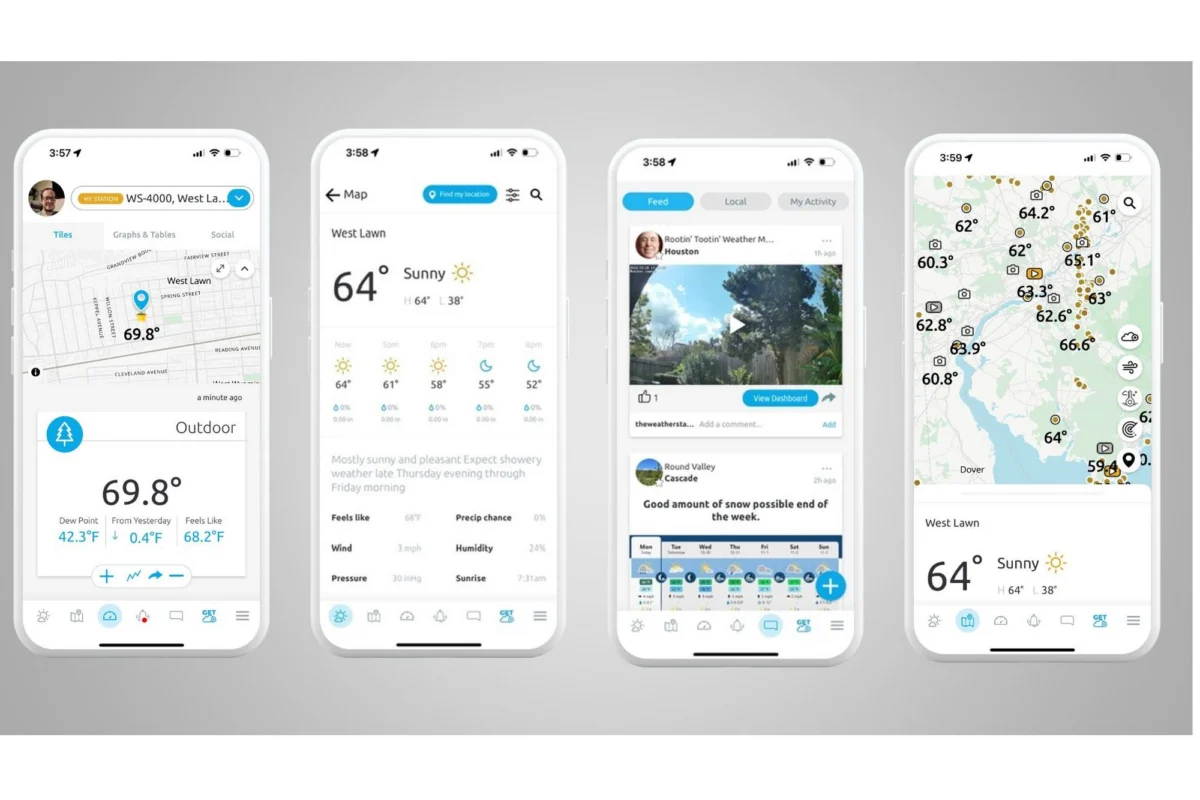
The system integrates seamlessly with the Ambient Weather Network (AWN), a comprehensive platform that allows users to share data, view historical trends, and integrate with smart home services like IFTTT and Amazon Alexa. While the core hardware is impressive, the device’s reliance on haptic rain-sensing technology—a design choice shared with the popular WeatherFlow Tempest and the Ecowitt Wittboy Pro—remains its most contentious feature.

Chronology: The Evolution of Haptic Sensing
To understand the WS-4000, one must look at the timeline of home weather innovation. Four years ago, the launch of the WeatherFlow Tempest brought haptic rain sensing to the mainstream. This technology uses the vibration caused by rain hitting a sensor surface to estimate precipitation volume, theoretically eliminating the need for moving parts that can clog or jam.
Following that release, Fine Offset Electronics—the manufacturing powerhouse behind many consumer weather brands—began incorporating similar haptic arrays into their product lines. Ambient Weather, under its parent company Neilsen-Kellerman, has long licensed Fine Offset designs for its successful WS-1965 and WS-5000 series. The WS-4000 is the latest iteration of this lineage, effectively serving as a rebranded sibling to the Ecowitt Wittboy Pro.
This technology has followed a predictable arc: excitement over the lack of mechanical parts, followed by a gradual realization among the meteorology hobbyist community that haptic sensors struggle with the nuance of light drizzle and heavy, intense deluges compared to traditional "tipping bucket" rain gauges.
Supporting Data: Performance Under Pressure
During our testing period, the WS-4000 delivered mixed, albeit predictable, results.
The Good: Sonic Accuracy
The temperature, humidity, and sonic anemometer sensors performed beautifully. Unlike mechanical wind cups, which have high inertia and can struggle in shifting winds, the sonic anemometer is highly sensitive and responsive. It effectively tracks wind speeds up to 85 mph, a threshold that will suffice for all but the most extreme storm chasers.
The Bad: The Haptic Hurdle
The haptic rain sensor, however, continues to be a point of friction. In our tests, the gauge required the sensor to be perfectly level; even a minor tilt led to significant deviations in data. Furthermore, in light rain or misty conditions, the sensor often failed to register precipitation accurately.
For the average homeowner, these inaccuracies might be negligible. However, for those who demand precision for agricultural planning, gardening, or local climate record-keeping, the built-in sensor is insufficient. This is why it is telling that even the manufacturer, via its Ecowitt-branded documentation, recommends the purchase of an additional, dedicated WH40 mechanical rain gauge for users who require high-fidelity data—an additional $50 investment.
The Setup Complexity
Installation is generally straightforward, but the device carries a notable hidden requirement: it demands a 1-inch mounting mast. This is a departure from the industry-standard 1.25-inch masts found on most existing weather station installations. For a consumer looking to upgrade their current system, this creates an unexpected barrier, necessitating either a new mast or an adapter, which was not explicitly highlighted in the marketing materials.
Official Responses and Ecosystem Strategy
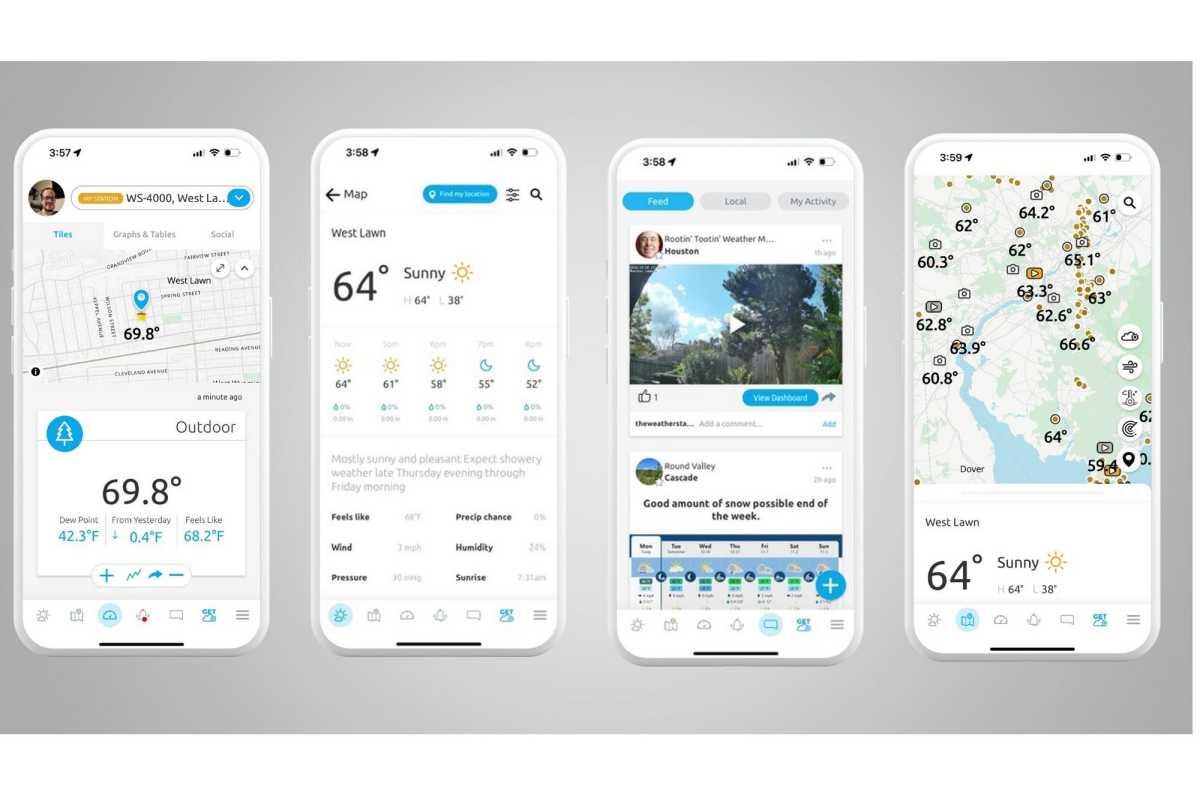
Ambient Weather has positioned the WS-4000 not just as a piece of hardware, but as an entry point into their broader network. The Ambient Weather Network (AWN) remains the gold standard for ease of use. While competitors struggle with clunky interfaces, the AWN app offers a clean, professional aesthetic that has been refined over years of user feedback.
Regarding the lack of Google Home integration, the company has been transparent: Google’s changes to its API architecture would require a complete rebuild of the platform’s integration layer. Given the current maintenance costs of their free service, Ambient has signaled that such a rewrite is not in the immediate product roadmap. Users looking for advanced historical data or specialized map layers are encouraged to opt for the $50-per-year subscription, which provides up to three years of data storage.
Implications: Where Does the WS-4000 Fit?
The arrival of the WS-4000 presents a complex choice for the consumer.
The "Platform" Loyalty Argument
For existing Ambient Weather users, the WS-4000 is a logical, albeit incremental, upgrade. It allows them to maintain their current data logs and use the same app interface while replacing an aging or broken unit with something more modern and compact. The convenience of keeping one’s data in the same ecosystem cannot be overstated, especially for those who have spent years building a community presence on the Ambient Weather Network.
The "Market" Reality
If you are a first-time buyer, the decision is harder. The WS-4000 is essentially identical to the Ecowitt Wittboy Pro, which is often available for a significantly lower price point. While the Ambient branding offers the comfort of domestic support and a well-vetted app, the hardware parity raises questions about value.
The primary advantage the WS-4000 holds over the Tempest is the inclusion of the indoor console and the standalone indoor sensor suite. If you prefer a physical display on your desk rather than checking a phone app, the WS-4000 is a compelling choice.
Final Verdict
The Ambient Weather WS-4000 is a polished, well-connected, and beautifully designed weather station that excels in almost every metric—until it rains. The haptic sensor remains the Achilles’ heel of this design generation.
If you are a casual user who enjoys seeing wind gusts and temperature trends on a high-quality display, the WS-4000 is an excellent, sophisticated addition to a smart home. If you are a precision-focused enthusiast, you should treat the WS-4000 as a base station and immediately factor in the $50 cost of a separate, traditional rain gauge. The future of home meteorology is clearly heading toward the convenience of "no moving parts," but until haptic technology matures, the old-fashioned plastic bucket remains the king of accuracy.