As home cinema systems, high-fidelity audio, and interactive entertainment increasingly converge, the demands placed on gaming audio hardware have reached unprecedented heights. No longer content with simple stereo outputs or muddy, bass-heavy sound profiles designed merely to emphasize explosions, modern gamers are seeking the same level of acoustic precision, spatial accuracy, and material luxury traditionally reserved for high-end audiophile headphones.
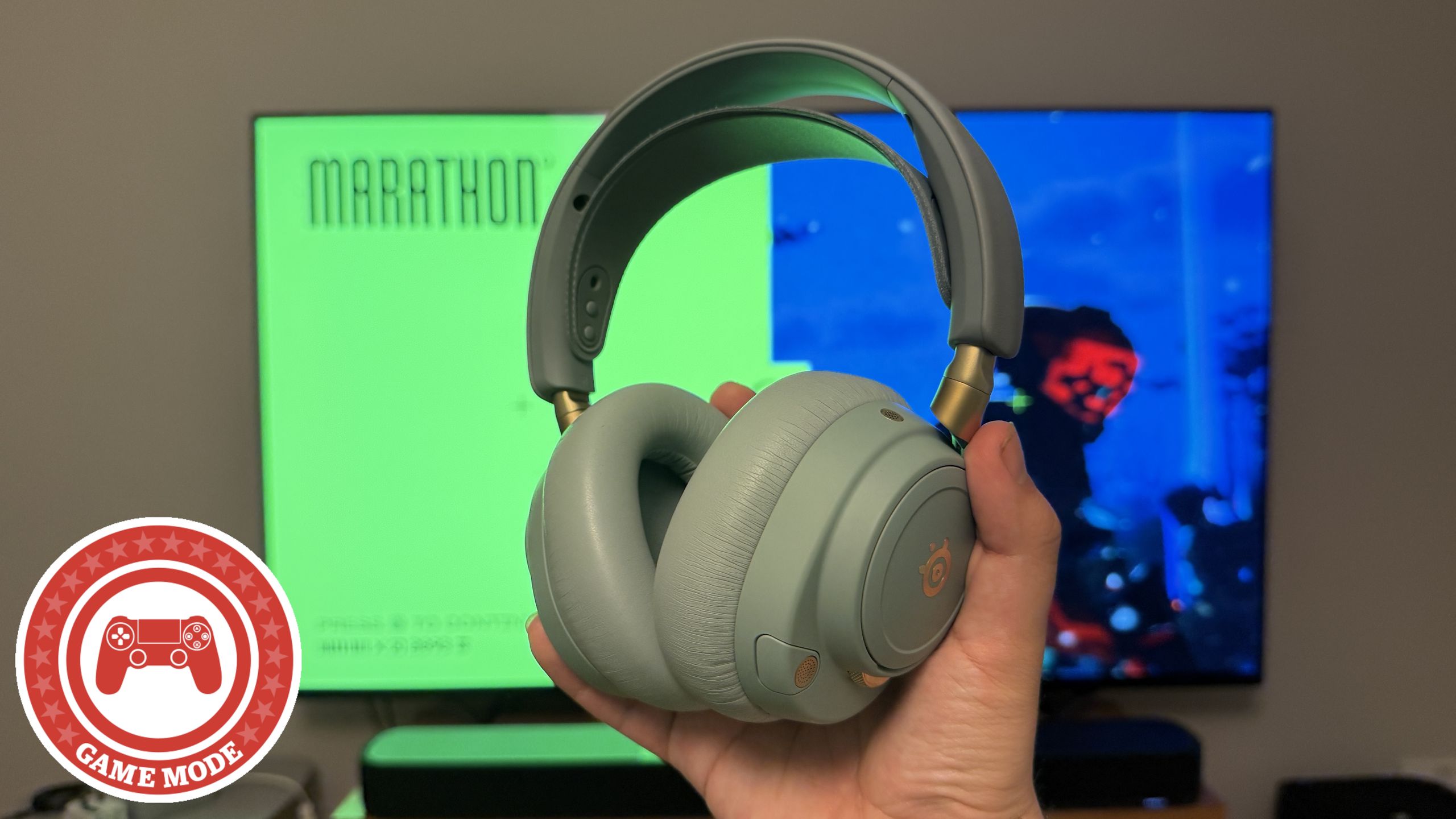
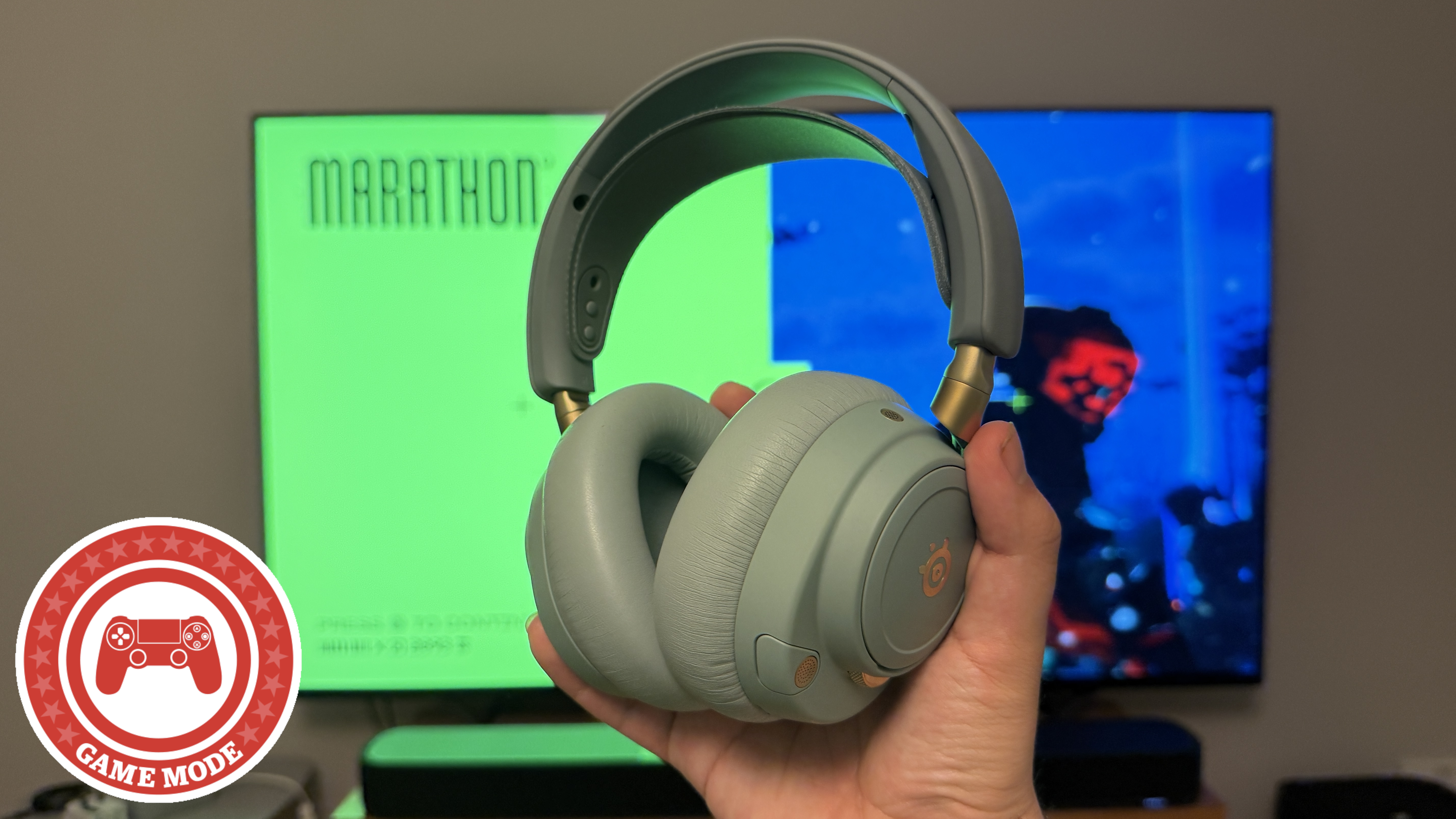
In response to this shifting paradigm, manufacturers are pushing the boundaries of what gaming peripherals can command in both performance and price. Leading this charge is the SteelSeries Arctis Nova Elite, an ultra-premium wireless gaming headset priced at £600 / $600 / AU$1,349. This positioning places it in direct competition not just with high-end gaming gear, but with established audiophile and premium lifestyle headphones like the Apple AirPods Max, the Sony WH-1000XM5, and the Bowers & Wilkins PX8.
Main Facts: Specifications, Design, and Pricing
The SteelSeries Arctis Nova Elite represents a significant escalation in the gaming audio market. Historically, premium gaming headsets hovered around the $150 to $300 range. At $600, the Arctis Nova Elite demands a thorough examination of its build quality, internal engineering, and functional ecosystem.
+--------------------------+--------------------------------------------------------+
| Feature                  | Specification / Detail                                 |
+--------------------------+--------------------------------------------------------+
| Price                    | £600 / $600 / AU$1,349                                 |
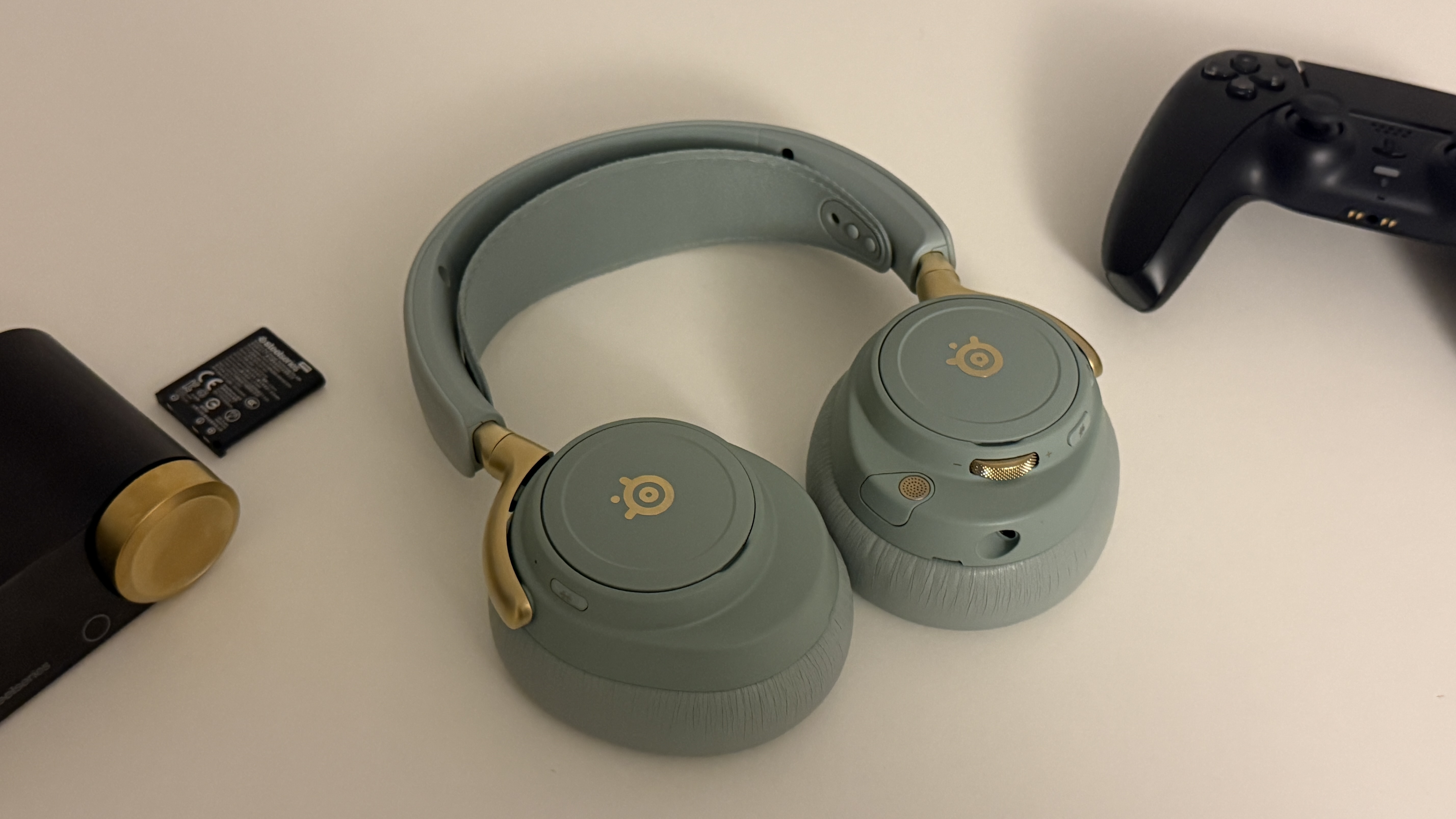
| Driver Size & Material   | 40mm dual-piece; Carbon Fiber dome with Brass surround |
| Audio Resolution         | Up to 96kHz / 24-bit (Hi-Res & Hi-Res Wireless)        |
| Spatial Audio Support    | Dolby Atmos, DTS:X, Tempest 3D Audio                  |
| Connectivity             | 2.4GHz Wireless, Bluetooth, OmniPlay Multi-System      |
| Base Station             | GameHub OLED Wireless Receiver & Charger               |
| Battery System           | Hot-Swappable Dual-Battery System                      |
| Active Noise Cancelling  | Yes (Multi-microphone hybrid ANC)                      |
+--------------------------+--------------------------------------------------------+
Premium Materials and Ergonomics
The structural design of the Arctis Nova Elite distances itself from the plastic-heavy construction typical of mainstream gaming headsets. It features:
- Luxurious Aluminum Yokes: Lightweight yet highly durable metal arms that provide structural integrity and a premium tactile feel.
- Memory Foam Ear Cushions: Wrapped in high-grade vegan leather-style material, engineered to provide passive noise isolation while maintaining breathability during long sessions.
- Suspension Headband: A ski-goggle-style elastic band that distributes weight evenly across the head, mitigating pressure points.
Chronology: The Evolution of Gaming Audio and the Reviewer’s Journey
To understand the impact of the Arctis Nova Elite, one must look at the evolution of gaming audio over the past decade. For years, gaming headsets were treated as secondary accessories. Early models focused primarily on microphone clarity for voice chat, utilizing cheap, off-the-shelf dynamic drivers that favored bloated low-end frequencies at the expense of detail and spatial accuracy.
[2010s: Budget Stereos] ---> [2020: Standard Spatial Audio] ---> [Present: Ultra-Premium Hi-Res]
- Plastic builds             - Sony Pulse 3D / Xbox Wireless      - SteelSeries Arctis Nova Elite
- Bloated bass, muddy mids   - Proprietary spatial engines        - Carbon fiber drivers, 24-bit DACs
- Wired or basic 2.4GHz      - Mid-tier comfort & materials       - Multi-system base stations
In 2020, the launch of the PlayStation 5 and Xbox Series X brought spatial audio technologies—such as Sony’s Tempest 3D AudioTech and Dolby Atmos for Gaming—into the mainstream. Headsets like the Sony PlayStation Pulse 3D Wireless Headset (£90 / $100) became the baseline standard, offering accessible spatial imaging but lacking physical refinement, high-resolution audio codecs, and premium materials.
Transitioning from a standard console-branded headset to the Arctis Nova Elite is akin to upgrading from a standard passenger sedan to a hand-crafted grand tourer. Over a rigorous two-month testing period, the Arctis Nova Elite was subjected to diverse, highly demanding gaming environments on both PlayStation 5 and PC, including:
- Immersive Open-World Simulations: Grand Theft Auto V and Forza Horizon 6, testing low-frequency engine textures, environmental acoustics, and dynamic panning.
- High-Stakes Competitive Shooters: Marathon, Battlefield 6, and Rainbow Six: Siege, testing transient response, micro-detail retrieval (such as footsteps and reloading sounds), and multi-directional spatial placement.
Supporting Data: Hardware Architecture and Acoustic Performance
The high cost of the Arctis Nova Elite is backed by sophisticated acoustic engineering and a robust physical ecosystem.
1. Dual-Piece Driver Technology
At the heart of each earcup lies a custom-engineered 40mm driver. Rather than using a standard single-material synthetic diaphragm, SteelSeries has implemented a two-piece design:
- Carbon Fiber Dome: Carbon fiber is highly valued in high-end loudspeaker design for its exceptional stiffness-to-weight ratio. This rigidity minimizes cone breakup and harmonic distortion, allowing for rapid transient response and clean high-frequency extension.
- Brass Surround: The brass housing dampens unwanted mechanical resonances, ensuring that the driver’s vibration is precisely translated into acoustic energy without colorizing the mid-range.
2. High-Resolution Wireless Transmission
The Arctis Nova Elite is marketed as the first gaming headset to support end-to-end Hi-Res and Hi-Res Wireless audio, handling digital signals up to 96kHz/24-bit. This is achieved via a proprietary 2.4GHz wireless protocol that bypasses the bandwidth limitations of standard Bluetooth, delivering uncompressed, low-latency audio crucial for both high-fidelity music playback and competitive gaming synchronization.
       +-----------------------------------------+
       |             GameHub DAC/TX              |
       |  (Decodes 96kHz/24-bit Hi-Res Signal)   |
       +--------------------+--------------------+
                            |
             Proprietary 2.4GHz Low-Latency
             Wireless Connection (High Bandwidth)
                            |
                            v
       +--------------------+--------------------+
       |          Arctis Nova Elite              |
       |  (Carbon Fiber Dome + Brass Surround)   |
       +-----------------------------------------+
3. The GameHub Wireless Ecosystem and Hot-Swappable Power
A major differentiator for the headset is the included GameHub base station. Serving as a high-quality USB DAC (Digital-to-Analog Converter) and wireless transmitter, it features:
- OLED Display: Provides real-time readouts of audio signal formats, sampling rates, volume levels, and battery status.
- OmniPlay Connectivity: Allows users to physically connect up to three platforms (e.g., PS5, Xbox Series X, PC) via USB-C simultaneously, alongside a mobile device via Bluetooth, switching between inputs at the touch of a button.
- Continuous Power System: The GameHub features an integrated charging bay for a spare lithium-ion battery. When the headset’s battery runs low, the user can swap it with the fully charged cell in the base station in under ten seconds, eliminating the need to ever tether the headset to a charging cable.
Official Responses and Manufacturer Claims
SteelSeries asserts that the Arctis Nova Elite is designed to bridge the gap between competitive esports hardware and reference-grade audiophile headphones. According to the company’s engineering team, the development of the Arctis Nova Elite focused heavily on "situational awareness optimization" without sacrificing acoustic richness.
The Sonar Audio Software Suite
To unlock the headset’s full potential, SteelSeries highlights its Arctis Sonar Software, a PC-based parametric EQ suite.
- Developer-Tuned Profiles: SteelSeries collaborated with game developers and professional esports athletes to create custom EQ curves tailored to specific titles. These profiles surgically isolate crucial audio cues, such as the specific frequency of footsteps in Marathon or the sound of defuser plants in Rainbow Six: Siege.
- Pro-Grade Spatial Algorithms: The software allows users to customize the virtual distance and angle of spatial audio channels, providing a highly personalized 360-degree acoustic field.
Implications: The Convergence of Audiophile Standards and Interactive Entertainment
The introduction of a $600 gaming headset carries significant implications for the consumer audio industry and the gaming community alike.
                             [The Tuning Dilemma]
                                      |
             +------------------------+------------------------+
             |                                                 |
             v                                                 v
   [Gaming-Centric Tuning]                           [Audiophile Tuning]
   - Boosted treble (footsteps)                      - Flat frequency response
   - Sharp transient peaks (gunshots)                - Natural timbre & warmth
   - High situational awareness                      - Highly authentic reproduction
   - Can sound "zingy" or fatiguing                 - May soften critical game cues
1. The Tuning Dilemma: Competitive Advantage vs. Audiophile Purism
While the Arctis Nova Elite delivers exceptional clarity and spaciousness, its acoustic tuning highlights a fundamental divergence between gaming and audiophile requirements:
- The "Zingy" Presentation: To aid competitive players, gaming headsets often feature elevated upper-mid and high frequencies (treble). This tuning emphasizes sharp transients like cracking gunshots, shattering glass, and subtle footfalls.
- The Cinematic Trade-Off: For single-player, narrative-driven games like Forza Horizon 6 or cinematic RPGs, this bright presentation can occasionally feel artificially sharpened or "flavored." Audiophile purists seeking a perfectly flat, neutral frequency response may find this tuning less suited for natural music reproduction or organic cinematic soundscapes compared to dedicated hi-fi headphones.
2. The Console Feature Bottleneck
A critical challenge facing ultra-premium multi-platform headsets is the architectural limitation of modern gaming consoles.
- While the Arctis Nova Elite offers unparalleled customization via its PC software, consoles like the PlayStation 5 restrict deep integration of third-party software.
- Consequently, console-centric gamers cannot access the full suite of parametric EQ adjustments and advanced spatial tuning tools offered by the Sonar app, relying instead on the console’s built-in processing (such as Tempest 3D) and the hardware-level controls of the GameHub.
3. A New Benchmark for the Industry
Despite these platform-specific limitations, the SteelSeries Arctis Nova Elite establishes a new standard for luxury in the gaming peripheral space. By integrating exotic materials like carbon fiber and brass, offering an innovative hot-swappable dual-battery ecosystem, and delivering uncompromised high-resolution wireless audio, SteelSeries has demonstrated that there is a viable, high-performance market above traditional pricing ceilings. For the dedicated gamer seeking an uncompromising, feature-rich audio experience, the Arctis Nova Elite represents the pinnacle of modern interactive sound design.