In the modern automotive landscape, vehicle electronics have become increasingly complex. While integrated infotainment systems offer unprecedented connectivity and convenience, they also introduce unique diagnostic challenges. A recent technical query surfacing on automotive forums has highlighted a classic, yet frustrating, automotive electrical issue: intermittent power loss to an infotainment system, specifically within a 2013 Hyundai i20.
The report, documented by a vehicle owner identified as "Seppälä," details a scenario where the vehicle’s radio unit experiences total power failure, particularly during periods of high ambient humidity. This case serves as a quintessential example of how environmental factors can exacerbate underlying hardware vulnerabilities in older vehicles.
Main Facts: The Symptomatology of the Fault
The core of the issue involves a specific, recurring failure of the radio unit in a 2013 Hyundai i20. According to the owner’s report, the failure is not total; rather, it is highly situational.
Key Diagnostic Observations:
- Environmental Sensitivity: The primary catalyst for the radio’s failure appears to be damp or humid weather. This strongly suggests the presence of moisture-induced oxidation or a compromised electrical seal somewhere in the circuit path.
- Isolated Component Failure: Unlike a catastrophic electrical failure that might affect the instrument cluster, lighting, or engine management systems, this fault is localized exclusively to the radio. Other vehicle systems function without interruption, implying that the issue is isolated to the head unit’s power supply or its specific ground path.
- Thermal Influence: The owner noted that warming up the vehicle’s interior appears to have a "positive effect," potentially restoring functionality. This is a crucial observation for technicians, as heat can cause materials to expand, temporarily closing a loose connection, or aid in the evaporation of residual moisture that may be creating a bridge or short-circuit.
- Ineffectiveness of Percussive Maintenance: The owner attempted the age-old method of "hitting" the unit—a common, albeit unscientific, attempt to rectify loose connections—to no avail. This suggests that the fault is not a simple loose faceplate or a finicky solder joint within the unit itself, but rather a more systemic wiring or harness issue.
Chronology of the Inquiry
The inquiry originated on a specialized automotive audio forum on July 2, 2026. The initial post was submitted in Finnish, detailing the symptoms of the intermittent electrical failure.
- July 2, 2026 (01:19 AM): The original poster (OP) initiates the thread, seeking advice on why the radio in their 2013 Hyundai i20 cuts out during damp weather.
- July 2, 2026 (02:00 AM): A forum moderator responds, requesting that the inquiry be translated into English to facilitate a broader community response.
- July 2, 2026 (10:55 AM): The thread experiences a brief lapse into community banter regarding the language barrier, highlighting the challenges of international technical troubleshooting on open forums.
- July 7, 2026 (08:31 PM): A technical contributor, "Old_Slapper," provides the first substantive diagnostic hypothesis, pointing toward a failing ground connection as the likely culprit.
Supporting Data: Why Humidity Matters
The relationship between moisture and electrical systems is well-documented in automotive engineering. When a vehicle reaches the 13-year mark—as is the case with a 2013 model—the integrity of wiring harnesses and connectors begins to degrade.
The Science of Corroded Connections
In damp environments, oxygen and moisture react with copper wiring, particularly at connection points, to form copper oxide. Unlike copper, copper oxide is a poor conductor of electricity. In a dry environment, the "crust" of oxidation might still allow enough current to pass to power the radio. However, when the humidity rises, the moisture can penetrate the connection, increasing electrical resistance to the point where the head unit no longer receives the required voltage to remain operational.
Thermal Expansion and Contraction
The owner’s observation that the radio works better after the car warms up is a classic indicator of a "thermal-sensitive" connection. As the interior temperature rises, the metal terminals in the wiring harness expand. If there is a microscopic gap caused by oxidation or loose crimping, the thermal expansion can physically bridge that gap, restoring the circuit and allowing the radio to power on.
Technical Implications: The "Ground" Theory
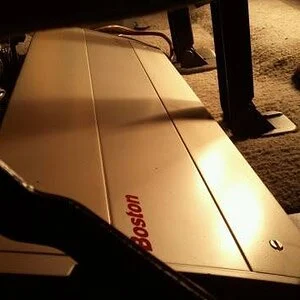
The response provided by community member "Old_Slapper" offers a compelling roadmap for resolution. By suggesting that the issue lies in the ground wire—either from the chassis to the amplifier or from the battery to the chassis—the contributor addresses the most common point of failure in older automotive electrical systems.

Understanding Ground Loops and Continuity
Automotive electronics rely on a "common ground" system where the metal chassis of the car serves as the return path for the electrical current. If the connection point where the ground wire bolts to the chassis becomes rusted or loosened, the path of least resistance is interrupted.
When a vehicle is damp, the conductivity of the rusted ground point decreases significantly. A technician looking at this vehicle would likely perform the following steps:
- Continuity Testing: Using a multimeter to test the resistance between the radio’s ground wire and a known-good chassis point.
- Visual Inspection of Terminals: Checking for signs of "green death" (corrosion) on the battery terminals and the engine-to-chassis ground strap.
- Harness Integrity: Examining the radio’s wiring harness for signs of chafing, particularly where it passes through the firewall or near the steering column, as these are common areas for water ingress.
Implications for Owners of Older Vehicles
This incident is more than just a case of a broken radio; it is a case study in vehicle aging. As cars like the 2013 Hyundai i20 enter their second decade of life, owners should anticipate these types of "nuisance" electrical faults.
Preventative Maintenance Measures
To avoid the frustration of intermittent power loss, owners can take several proactive steps:
- Dielectric Grease: Applying dielectric grease to electrical connectors can prevent moisture from reaching the metal terminals, thereby stopping oxidation before it begins.
- Ground Strap Inspection: Periodically checking the tightness and cleanliness of the main engine ground strap can prevent a cascade of electrical issues, ranging from flickering headlights to radio failure.
- Battery Terminal Care: Keeping battery terminals clean and coated with a protective spray ensures that the entire vehicle’s electrical system has a robust foundation.
Conclusion: The Path Forward
The situation faced by the owner of the 2013 Hyundai i20 is a manageable, albeit annoying, technical hurdle. While it is tempting to blame the head unit itself and rush to replace it, the evidence points strongly toward a failing ground path or a corroded connector.
For any owner experiencing similar symptoms, the advice remains clear: Start with the basics. Before investing in a new audio system or expensive diagnostic labor at a dealership, a thorough inspection of the vehicle’s grounding points and a simple cleaning of the electrical connections could potentially resolve the issue at little to no cost.
As vehicle technology continues to advance, the "old-school" skills of tracing a circuit and ensuring a solid ground remain just as vital as they were decades ago. The "radio gremlin" is a reminder that even in an era of digital complexity, the fundamental laws of physics—oxidation, resistance, and thermal expansion—still dictate the reliability of our daily drivers. By understanding these interactions, owners can extend the life of their vehicles and maintain the comfort and connectivity they have come to rely on.