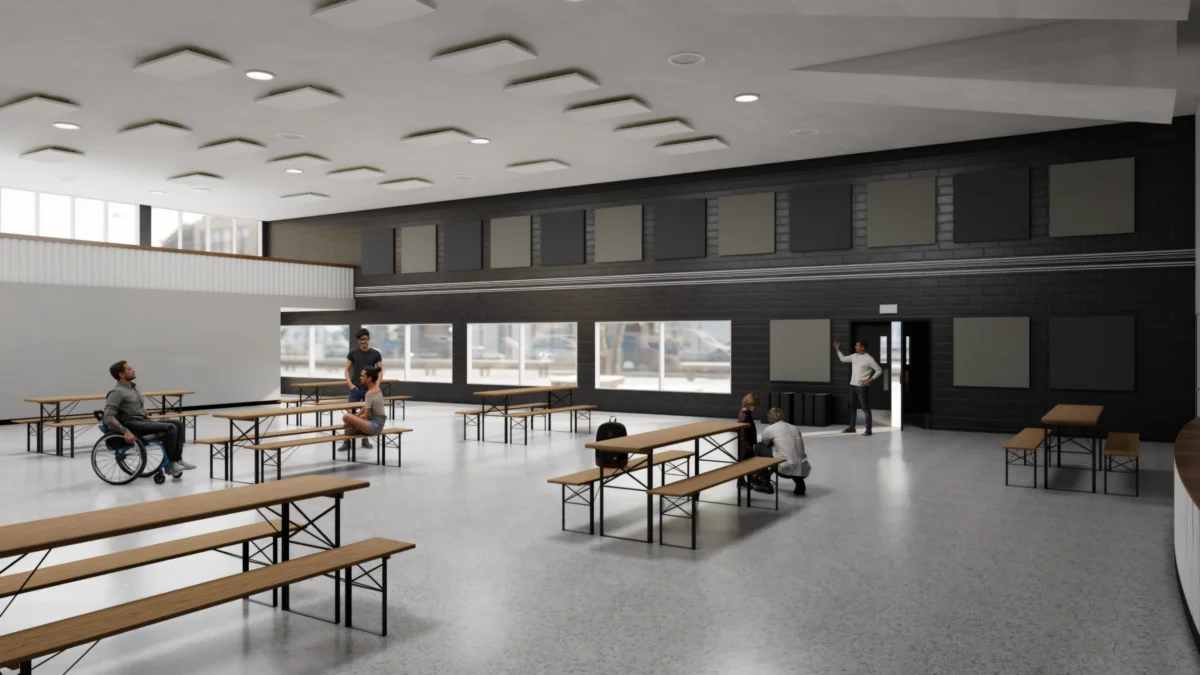
In the realm of contemporary architecture, we often prioritize the visual—the clean lines of glass, the brutalist honesty of concrete, and the minimalist appeal of expansive drywall. Yet, this focus on visual "clarity" often inadvertently creates a sonic nightmare. We perceive a space through a multifaceted sensory lens, and just as a symphony requires more than a single note to resonate, a well-designed room requires more than visual aesthetic to truly "function."
The secret to bridging the gap between a space that merely looks good and one that feels harmonious lies in the intentional use of texture. Far from being a mere decorative afterthought, texture acts as the "instrumentation" of interior design, dictating the beat, rhythm, and emotional resonance of our built environments.
The Sensory Composition: Texture as Design Language
Think of interior design as an intentional musical composition. A room has a beat—the frequency of movement; it has a tempo—the speed at which occupants interact with the space; and it has harmony—the way light, color, and materials coalesce. In this analogy, textures are the instruments.
When a designer selects a surface, they are not just choosing a color or a finish; they are determining how the room will "speak." Tactile surfaces add depth and character, transforming a flat, sterile environment into a dynamic, inviting sanctuary. However, there is a technical side to this artistic choice: the physical geometry of these surfaces is the primary driver of a space’s acoustic profile.

Chronology of Acoustic Evolution: From Echo Chambers to Intelligent Design
For much of the 20th century, acoustic treatment was an "after-the-fact" endeavor. Architects would design grand, cavernous atriums or sharp, modern conference rooms, only to find that the resulting reverberation made the spaces unusable. The solution was almost always retroactive: hanging unsightly foam wedges, heavy drapes, or obtrusive baffles that ruined the original design intent.
In the last decade, a paradigm shift has occurred. The industry has moved toward "integrated acoustics." This evolution, championed by material scientists and design-forward manufacturers like Primacoustic, posits that the wall itself should be the instrument of sound control.
- The Era of Hard Surfaces (1990s–2010s): The rise of the "open concept" office and modern residential minimalism favored reflective, non-porous surfaces. Sound bounced off these surfaces with little resistance, leading to the "cocktail party effect," where background noise makes speech intelligibility impossible.
- The Rise of Retroactive Fixes (2010s–2020): Designers began utilizing acoustic panels, but they were often treated as industrial hardware—boxy, utilitarian, and aesthetically jarring.
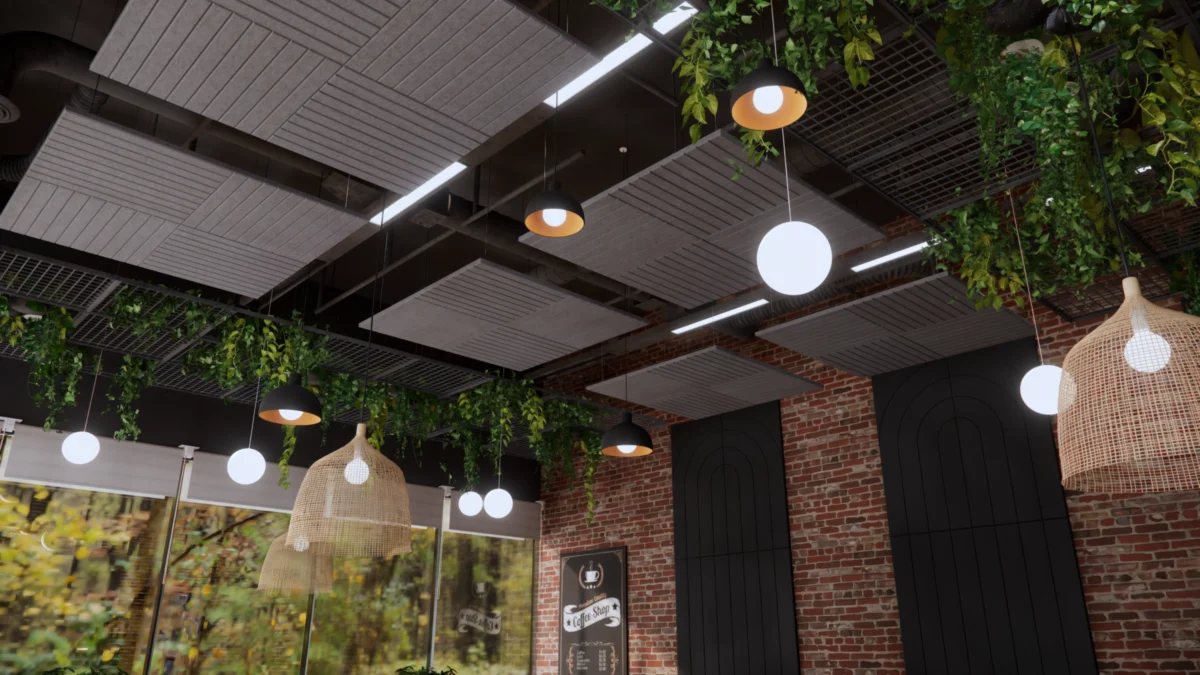
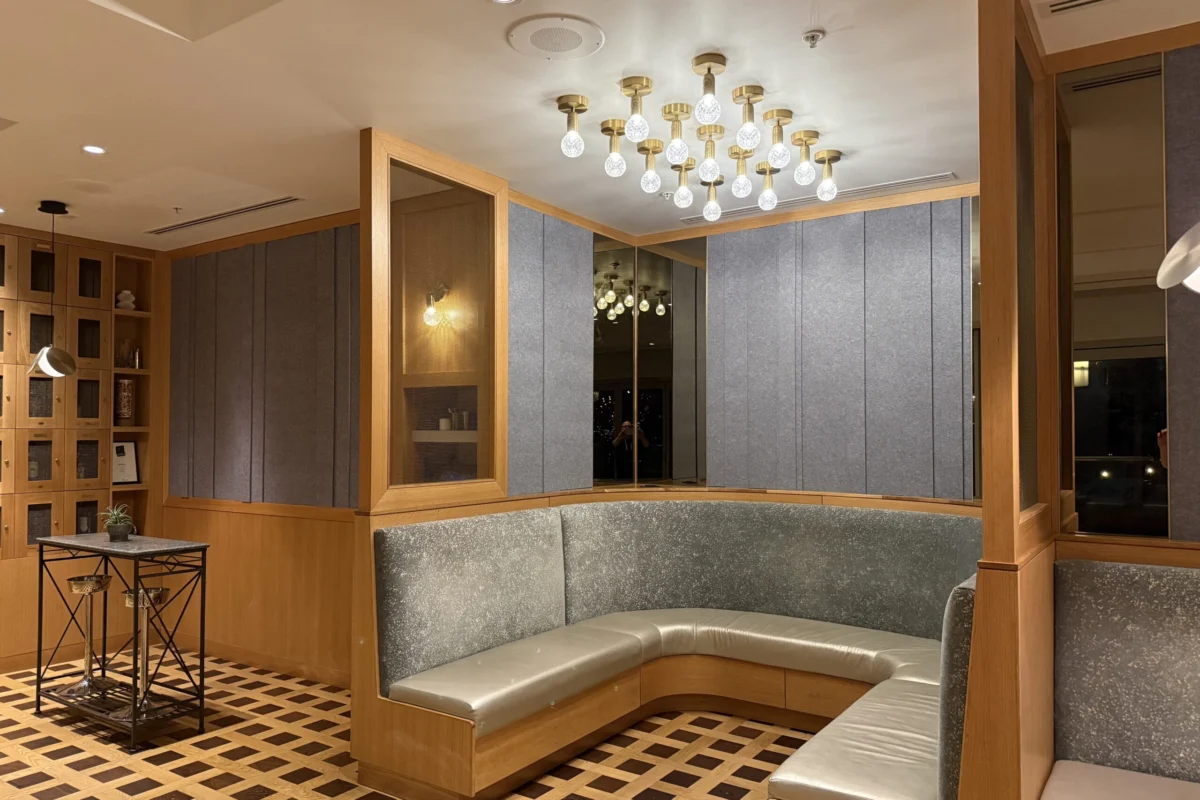
- The Modern Integration Era (2020–Present): We are now in the age of "design-forward" acoustics. Using materials like Polyethylene Terephthalate (PET)—derived from recycled plastic bottles—designers can now carve, color, and shape acoustic treatments to act as feature walls, ceiling clouds, and bespoke art installations that serve a dual purpose: they are both the wall and the sound-dampener.
Supporting Data: The Physics of Sound Diffusion
The science behind this shift is grounded in the behavior of sound waves. When a sound wave strikes a hard, flat surface (like glass or concrete), it behaves much like a billiard ball hitting a wall—it reflects back into the room at the same angle it arrived. In a space filled with such surfaces, these reflections overlap, creating a "muddy" sonic environment where speech becomes indistinguishable from background noise. This is not just a nuisance; it is a physiological stressor.
Textured surfaces, by contrast, function as acoustic diffusers. By introducing irregular geometric patterns, carvings, or high-density fibers into the surface, sound waves are scattered in multiple directions. This diffusion breaks up the energy of the sound wave, effectively "softening" the room.
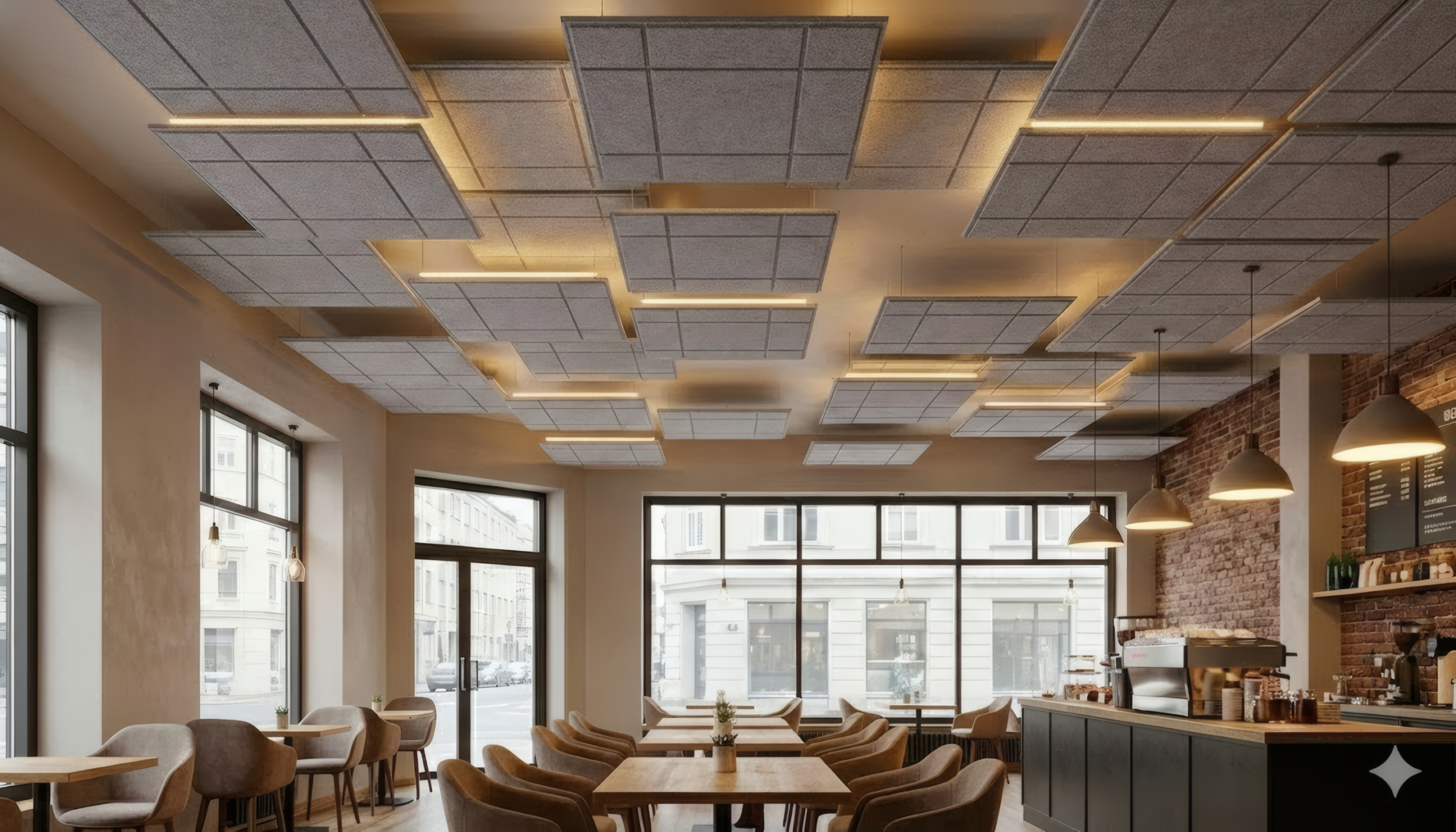
Research into PET-based panels, such as Primacoustic’s EcoScapes Contour line, shows that these materials offer a high Noise Reduction Coefficient (NRC). Because they are porous, they absorb sound energy rather than reflecting it, while the carved, three-dimensional geometry prevents the "slap-back" echo typical of flat, reflective panels.
Official Perspectives: The Professional Design Mandate
Leading architects and interior designers now argue that waiting until the end of a project to consider acoustics is a fundamental flaw in the design process.
"We are seeing a move away from the ‘decorate later’ philosophy," says one industry lead. "When you incorporate acoustic design at the conceptual phase, you aren’t adding clutter; you are actually enhancing the minimalism of the room. A carved PET feature wall doesn’t look like a ‘fix’—it looks like a deliberate design choice that adds architectural interest, depth, and shadow play."
This sentiment is echoed by those focusing on occupant wellness. The "Biophilic" design movement, which emphasizes our connection to natural forms, pairs perfectly with textured acoustic panels. By moving away from the "sterile" look of smooth surfaces and toward the nuanced, organic, or geometric textures made possible by CNC-carved PET, designers are creating environments that reduce cognitive fatigue.

The Implications: Designing for Human Experience
The implications of this shift are profound for several sectors:
- Corporate Environments: In the era of hybrid work, the office must offer something the home cannot: superior focus and collaborative capability. A room that is acoustically "tuned" allows for seamless video conferencing and high-intensity brainstorming without the fatigue caused by poor acoustics.
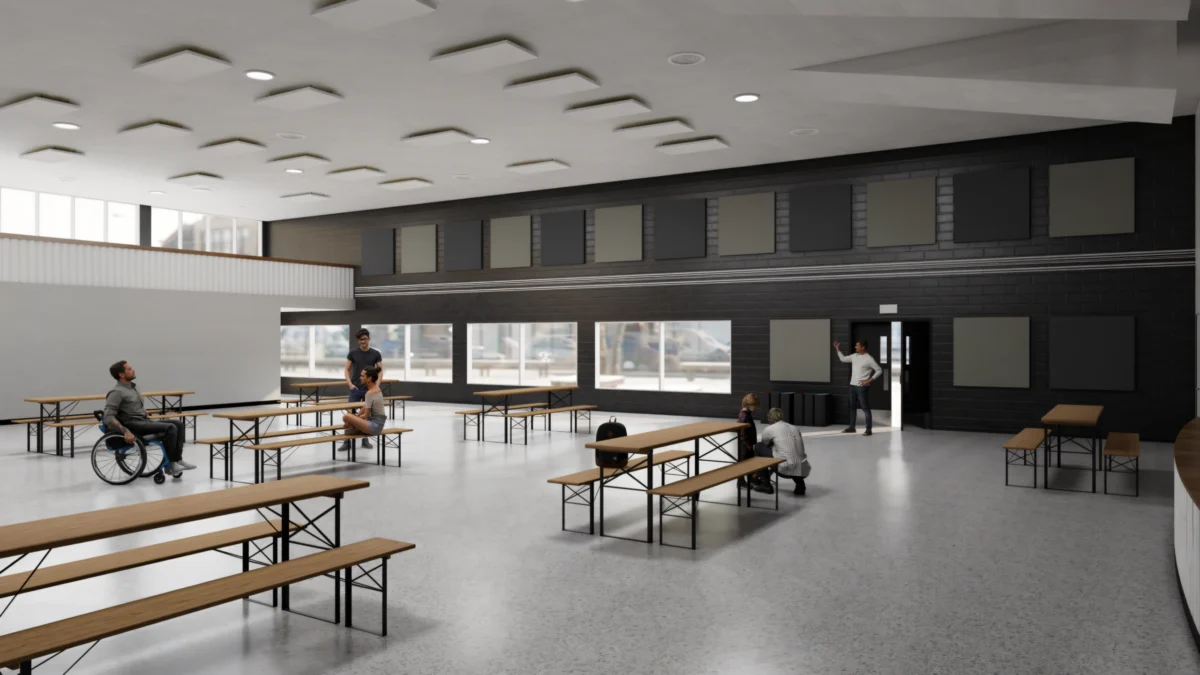
- Educational Facilities: For schools, the implications are developmental. Children in high-reverberation environments show lower reading comprehension and higher stress markers. Integrating acoustic textures directly into the wall design is an invisible, yet life-changing, intervention.
- Worship and Community Spaces: These rooms require a delicate balance—the clarity for speech during a presentation and the warmth required for music. Sculpted acoustic surfaces allow for a "rhythm" of sound that can be tuned to the specific needs of the congregation.
The Future: Where Design Meets Performance
The goal for the modern architect is to create spaces that "look good and feel right." This requires a departure from the idea that a wall is merely a background element. A wall is an active participant in the human experience.
By utilizing technologies like custom-carved PET panels, designers can now engrave their personality, their brand identity, or the very "rhythm" of the company into the room itself. We are moving toward a future where the distinction between "design" and "utility" dissolves.
When you walk into a room, you should not be able to point to the "acoustic fix." You should simply feel a sense of clarity. You should notice the way light dances across a carved, textured wall, and you should be able to hear a conversation clearly, even from across the room. That is the triumph of modern design—a seamless synthesis of form, function, and sound, anchored by the understanding that texture is not just something we see; it is the fundamental medium through which we experience the space we inhabit.
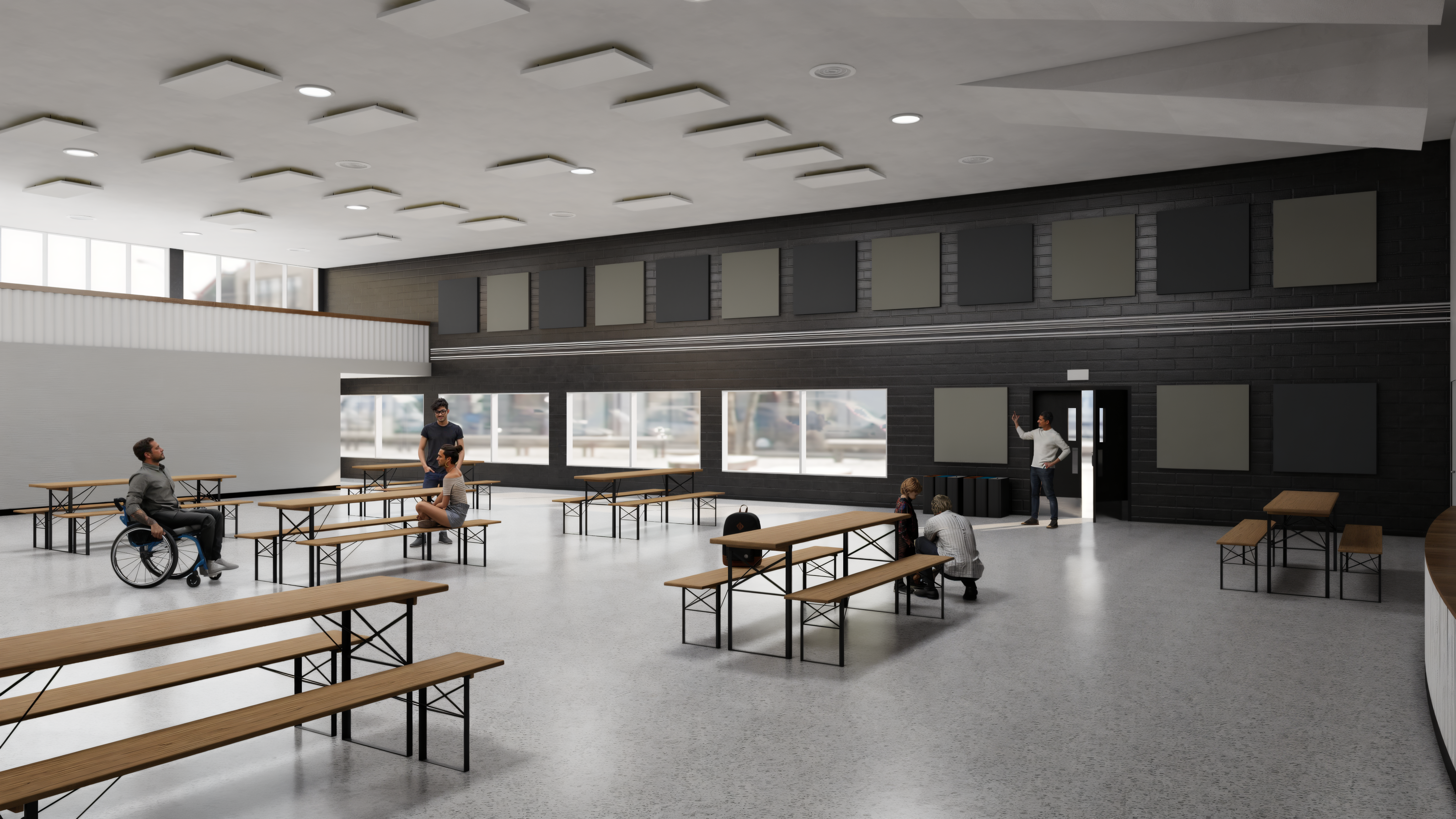
As we look ahead, the mandate for the design community is clear: prioritize the sonic environment with the same rigor as the aesthetic. The best spaces are those that compose their own silence as beautifully as they compose their own light.