In the heart of London’s creative district, 180 Studios has announced a significant extension for Selah, the monumental career-spanning exhibition by acclaimed photographer and filmmaker Gabriel Moses. Initially slated for a shorter run, the exhibition—which acts as both a retrospective and a forward-looking creative statement—will now remain open to the public until August 31, 2025. This decision comes as a direct response to overwhelming popular demand, cementing Moses’ status as one of the most influential visual storytellers of his generation.
Spanning two expansive floors, Selah offers an immersive journey through a body of work that effortlessly bridges the gaps between high fashion, global music culture, and the raw grit of athletic portraiture. For those who have yet to witness the exhibition, it stands as a testament to the South London native’s meteoric rise and his unique, emotive approach to visual composition.

The Core of the Exhibition: A Curated Retrospective
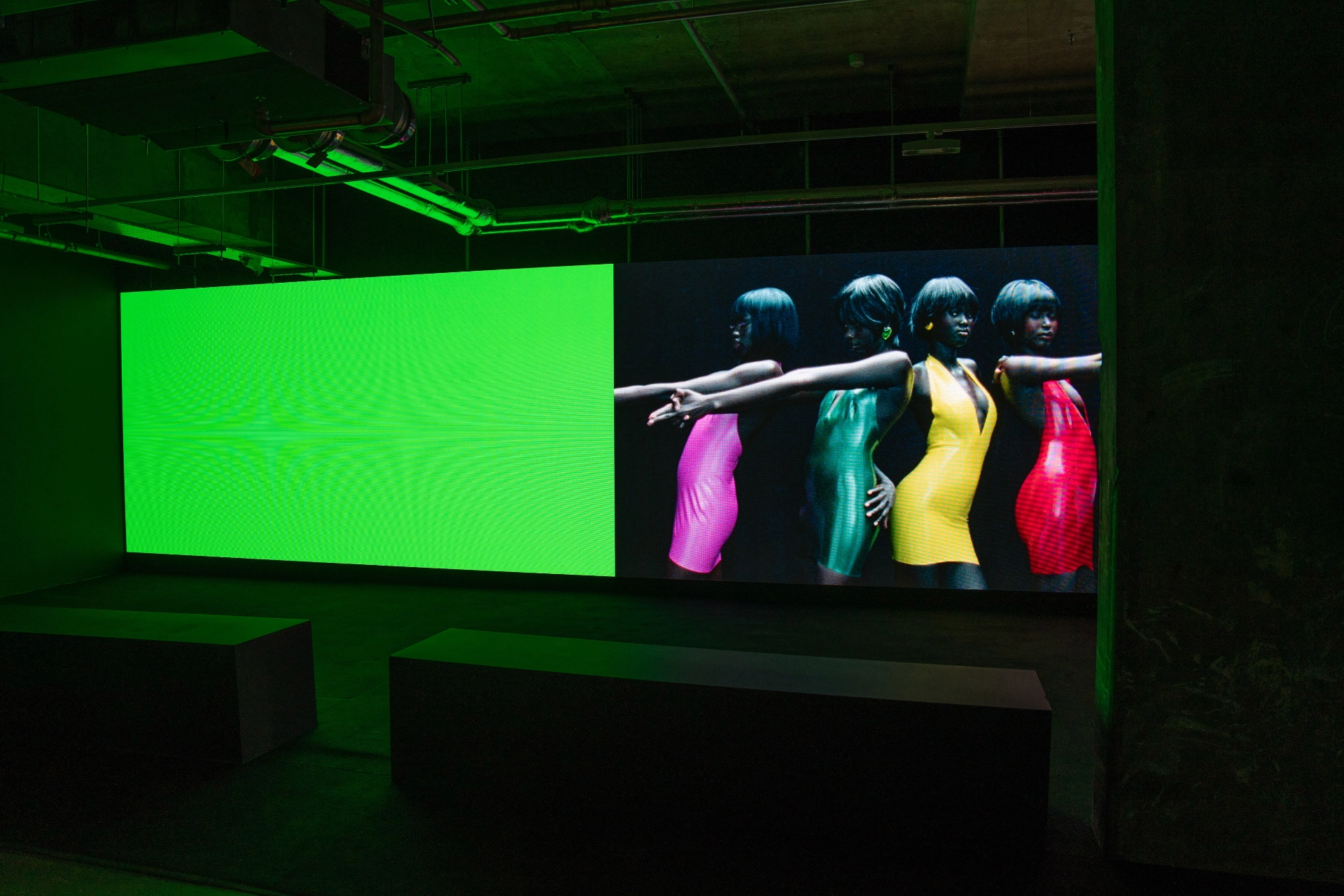
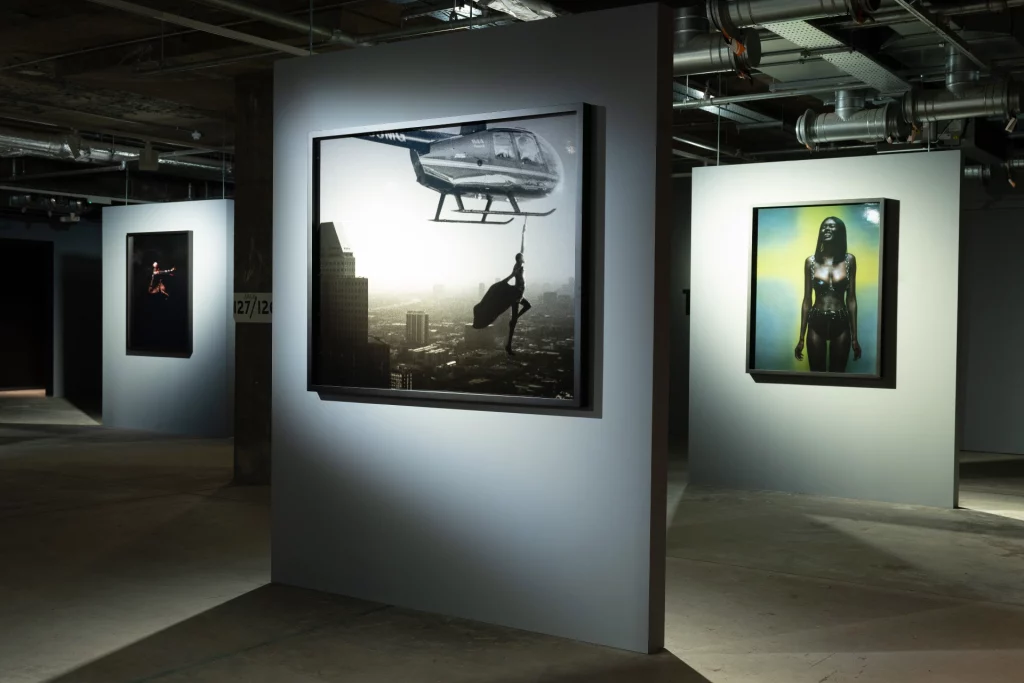
Selah is not merely a gallery of greatest hits; it is a meticulously curated dialogue between the artist and his subjects. The exhibition brings together over 70 photographs and 10 short films, providing a holistic view of a career that, despite its brevity, has already redefined the aesthetic standards of modern media.
Among the standout features of the exhibition are the high-octane music visuals that have defined the current pop-culture zeitgeist. Visitors can experience the visceral energy of Moses’ work on Travis Scott and Playboi Carti’s Fein, as well as the atmospheric, storytelling-driven aesthetic of Schoolboy Q’s Lost Times. These are displayed alongside a gallery of intimate, striking portraits featuring cultural icons such as Skepta, Slawn, Alek Wek, and football sensation Jude Bellingham.

The exhibition is curated by Katja Horvat, with spatial design by Emilia Margulies and a sleek graphic identity crafted by Jayda Deans. Together, they have transformed the industrial space of 180 Studios into a sanctuary of light, shadow, and color.
Chronology: From South London to Global Icon
To understand the weight of Selah, one must trace the rapid trajectory of Gabriel Moses’ ascent. His journey is a masterclass in dedication and stylistic evolution.

- Formative Years: Growing up in South London, Moses was surrounded by the vibrant cultural fabric of his British-Nigerian heritage. His early aesthetic was heavily influenced by the women in his life—his mother, grandmother, and sister—who nurtured his initial interest in the intersections of art, fashion, and history.
- 2023: The Breakthrough: After establishing a formidable reputation in editorial and commercial circles, Moses held his debut solo exhibition at 180 Studios in 2023. This served as the proving ground for his transition from a commercial photographer to an auteur.
- 2024: The Monograph and Global Expansion: The year 2024 proved to be a turning point. Moses released his first monograph, Regina, published by Prestel—a project that distilled his artistic philosophy into print. During this same period, his reach went global with exhibitions at the Anthony Gallery in Chicago, Spazio Maiocchi in Milan, Permanent in Paris, Frieze Seoul, and WSA in New York City.
- 2025: Consolidation of Success: The current year has seen Moses cement his position at the pinnacle of the industry. Beyond the success of Selah, he was honored as the designer for the 2025 BRIT Award trophy, a commission that reflects his integration into the mainstream British cultural establishment. This year also saw his work showcased at the prestigious Luma Foundation in Arles.
Supporting Data: The Anatomy of a Visionary
Gabriel Moses’ impact is best measured by the sheer breadth of his professional collaborations. His photographic eye has been sought after by the world’s most prestigious luxury houses and media outlets.
Key Collaborations
- Fashion Houses: Louis Vuitton, Burberry, Dior, Nike.
- Editorial Powerhouses: Vogue, i-D.
- Cultural Icons: Pharrell Williams, Zinedine Zidane, Skepta, Travis Scott.
The Centerpiece: The Last Hour
A primary draw of the Selah extension is the premiere of The Last Hour, a short film commissioned specifically for 180 Studios. Shot on location in Atlanta, Georgia, the film represents a departure into narrative-driven, acted-out cinematography. It follows the journey of a man navigating the complexities of isolation in his pursuit of personal redemption. Executive produced by Division and Goat, The Last Hour serves as a poignant, meditative anchor for the exhibition, showcasing Moses’ ability to handle long-form storytelling with the same precision he brings to a single frame.

Official Perspective and Artistic Intent
The power of Moses’ work lies in its "minimal contextual detail." Unlike many contemporary photographers who rely on environmental noise to convey meaning, Moses strips away the unnecessary, forcing the viewer to confront the soul of the subject.
"My practice is deeply rooted in my heritage," Moses has noted in previous discussions regarding his work. By utilizing a rich, warm color palette, he produces images that feel like memories—hazy, soulful, and deeply personal. He describes his work as a tribute, a way of immortalizing the influences that shaped his identity. The deliberate absence of background clutter in his portraits is not a lack of effort; it is a calculated artistic choice to emphasize the humanity and the cultural signifiers inherent in the individual.

The curation by Katja Horvat emphasizes this soulfulness. By placing the viewer in an environment that dictates the pace, the exhibition forces an encounter with the subject that is far more intimate than a standard gallery walk-through.
Implications: Why Selah Matters for the Art World
The decision to extend Selah until August 31, 2025, is a significant marker for the London art scene. It highlights a shifting preference among audiences toward multidisciplinary exhibitions that blend high art with pop culture.
- Breaking Down Barriers: By exhibiting music videos alongside fine-art portraiture, Moses is actively dismantling the hierarchy between "commercial" work and "art." This validation is crucial for younger photographers who, like Moses, are looking to build careers that bridge the gap between editorial commissions and gallery-level fine art.
- Cultural Heritage as Currency: The success of Selah proves that there is a massive, engaged audience for work that centers on personal and cultural identity. Moses’ success as a British-Nigerian artist who remains deeply connected to his roots serves as a template for future generations of creators.
- The Role of 180 Studios: The gallery continues to position itself as the epicenter of contemporary visual culture in London. By backing an artist of Moses’ caliber and facilitating the commission of new work like The Last Hour, they are playing an active role in the production of art, rather than acting as a passive exhibition space.
Conclusion
As Selah prepares for its extended run, it stands as more than just an exhibition; it is an invitation to engage with the inner life of one of the most prolific visual artists of the modern era. Whether through the lens of a fashion campaign or the frame of a soul-searching short film, Gabriel Moses continues to prove that his work is not just seen—it is felt.
For those planning to visit, the exhibition is open Wednesday through Sunday, from 12pm to 7pm. Tickets are available through the official 180 Studios website, and early booking is highly recommended given the sustained interest in the show.

In a world saturated with digital imagery, Selah offers a rare moment of stillness—a chance to pause, reflect, and appreciate the mastery of a photographer who has truly found his rhythm.