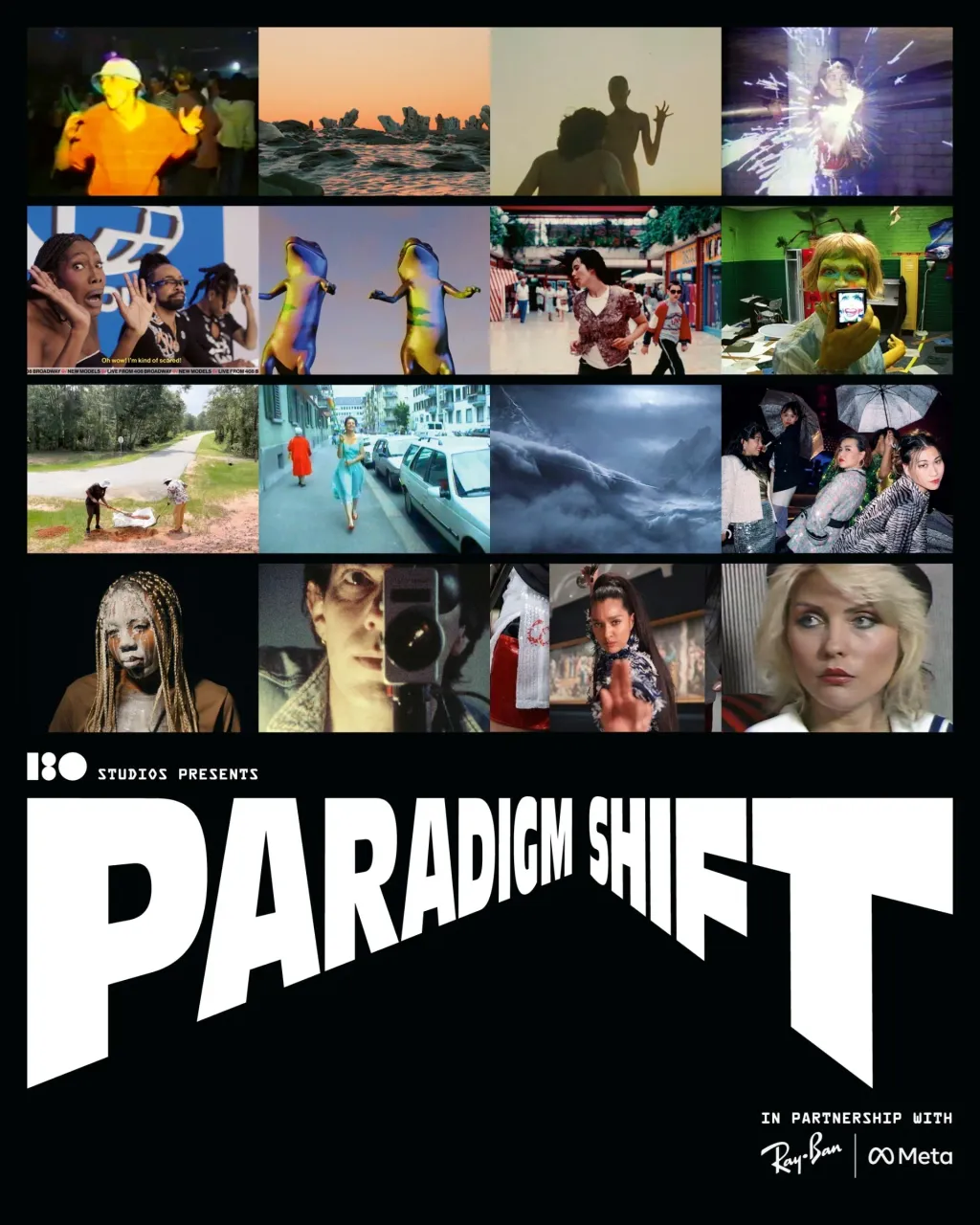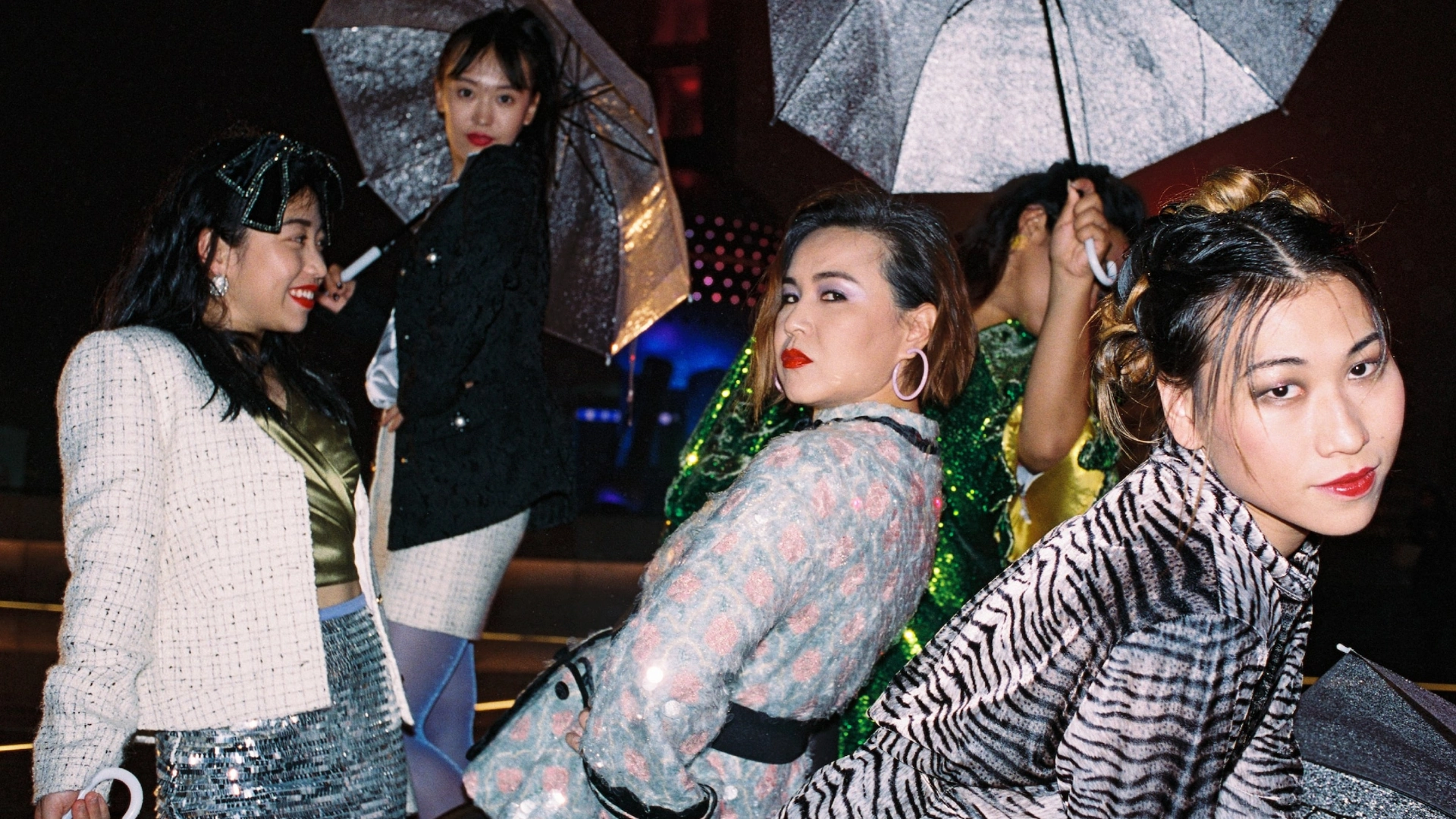
London’s cultural landscape is bracing for a seismic event this autumn as 180 Studios unveils Paradigm Shift, a sweeping, ambitious exhibition dedicated to the transformative power of moving image culture. Spanning the subterranean labyrinth of 180 The Strand, the exhibition—which opens to the public on Wednesday, 15 October 2025—serves as a comprehensive survey of how artists have utilized the screen to challenge, subvert, and redefine the status quo over the last five decades.
Curated by 180 Studios’ Mark Wadhwa and Dazed co-founder and CEO Jefferson Hack, Paradigm Shift is not merely an art show; it is an immersive exploration of the technological and cultural revolutions that have shaped our visual language. Featuring a stellar roster of icons and innovators—including Andy Warhol, Nan Goldin, Mark Leckey, and Arthur Jafa—the exhibition promises to bridge the gap between high-art avant-garde and the visceral realities of internet, gaming, and street culture.
The Core Narrative: Mapping the Moving Image
At its heart, Paradigm Shift seeks to chart the lineage of the "rebel" artist—those who, throughout the late 20th and early 21st centuries, seized upon emerging technologies not just to record reality, but to interrogate it. From the portable Super 8 cameras of the 1970s to the hyper-connected, algorithmic digital landscape of the 2020s, the exhibition frames the history of video art as a series of constant technological disruptions.
The exhibition is vast in scope, utilizing the expansive, industrial architecture of 180 Studios to create a sequence of distinct environments. Visitors will encounter works that blur the lines between genres; the curatorial approach highlights the permeability between television, fashion, music video, and digital gaming. By juxtaposing historical pillars of the medium with brand-new, 180 Studios-commissioned works, the exhibition offers a dialogue between the pioneers of the past and the digital natives of the present.
A Chronology of Disruption: From VHS to the Metaverse
To understand the weight of Paradigm Shift, one must view the exhibition as a timeline of technological accessibility.
The Analog Awakening (1970s–1980s)
The journey begins with the democratization of the image. The 1970s saw the birth of affordable video equipment, allowing artists to bypass traditional broadcast gatekeepers. Figures like Andy Warhol and early video pioneers began experimenting with the "real-time" nature of tape. This era introduced a new level of intimacy and performance, where the camera became an extension of the self rather than a distant, objective lens.
The Rise of the Auteur and the Underground (1990s–2000s)
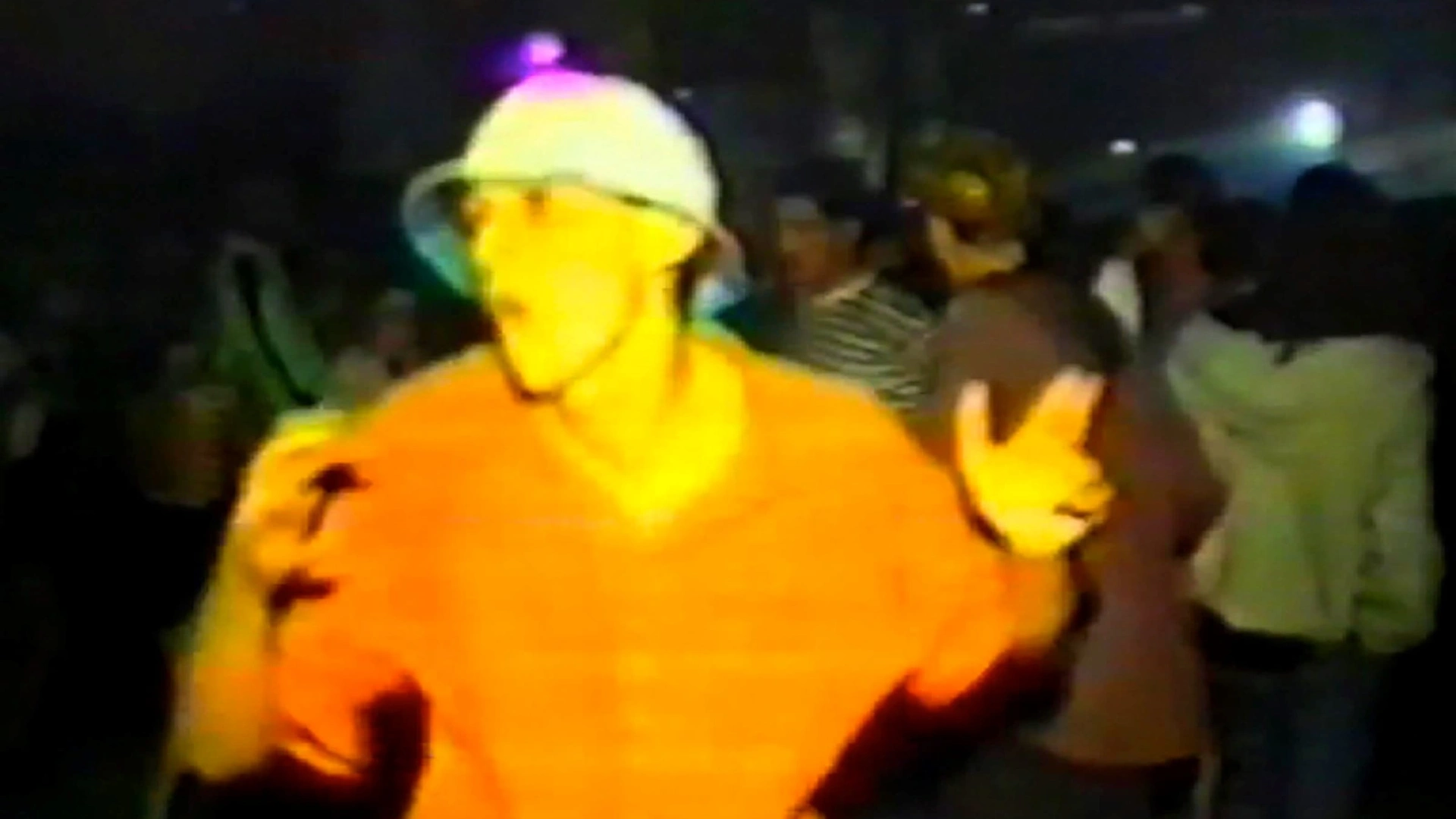
The 1990s and early 2000s are represented by pivotal works that captured the intensity of subcultures. Mark Leckey’s 1999 masterpiece, Fiorucci Made Me Hardcore, stands as a centerpiece of this period. By synthesizing archival footage of British dance culture, Leckey created a sensory history that remains a foundational text in contemporary video art. This era marked a transition where "found footage" and archival re-contextualization became a primary tool for cultural critique.
The Digital Hyper-Connected Present (2010s–2025)
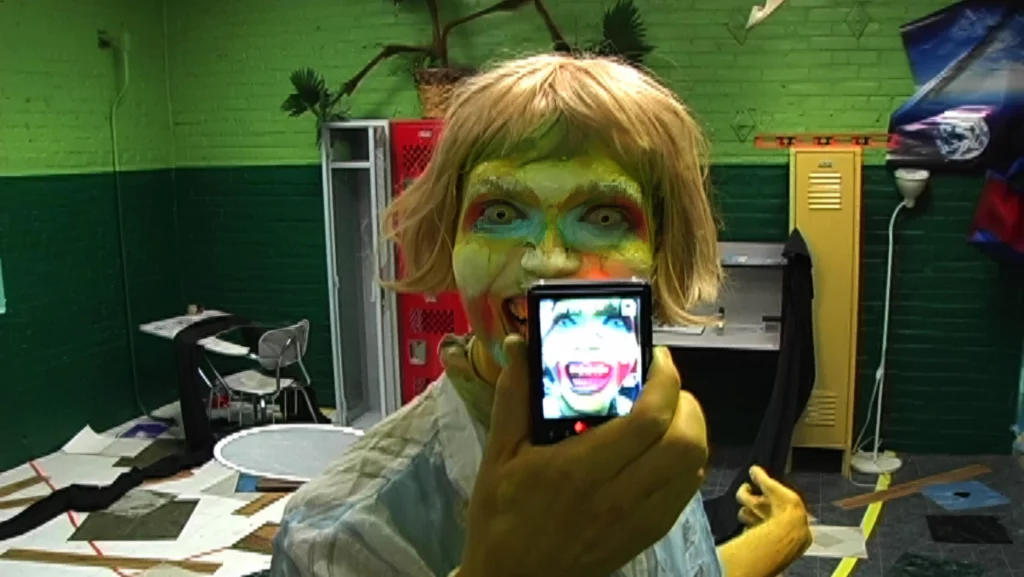
The final segment of the exhibition addresses the current state of flux. With the rise of social media, high-fidelity gaming, and AI-driven imagery, the moving image has moved from the gallery wall into the palm of our hands. Artists like Martine Syms, Ryan Trecartin, and Cao Fei explore how digital identity is constructed, manipulated, and consumed in an era of infinite connectivity. These works reflect the speed and fragmentation of modern life, where the "screen" is no longer a static rectangle, but a fluid, interactive interface.
Supporting Data: The Curatorial Roster
The strength of Paradigm Shift lies in its eclectic assembly of talent. The exhibition brings together a generational spectrum, ensuring that the dialogue remains vital and contemporary.
Featured Artists include:
- The Visionaries: Andy Warhol, Derek Jarman, Nan Goldin, and Gillian Wearing.
- The Contemporary Disruptors: Arthur Jafa, Mark Leckey, Martine Syms, and Ryan Trecartin.
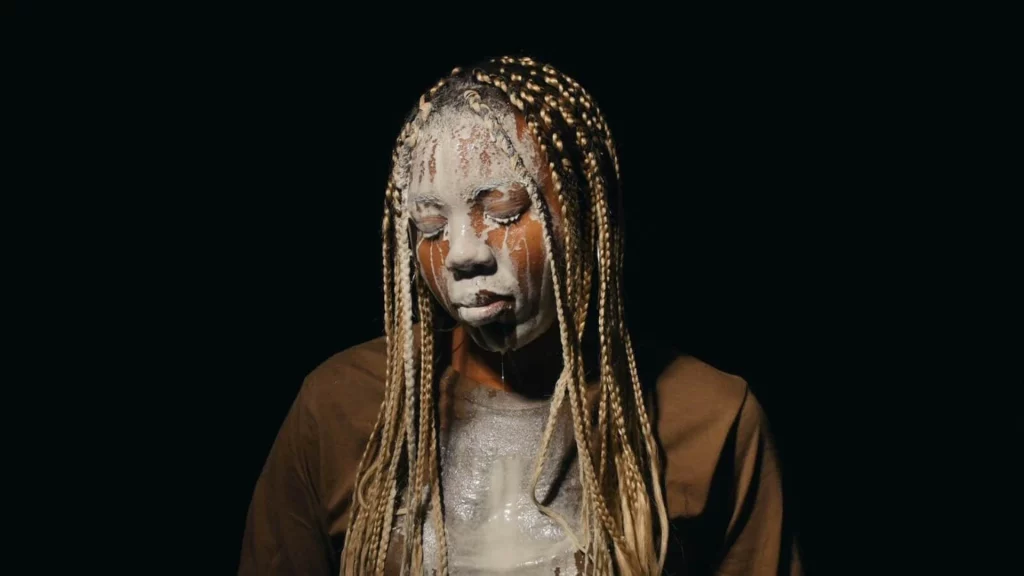
- Global Perspectives: Cao Fei, Sophia Al-Maria, Meriem Bennani, and Josèfa Ntjam.
- Interdisciplinary Voices: Foday Dumbuya, Tremaine Emory, Julianknxx, Pipilotti Rist, and the fashion-forward collective TELFAR.
The inclusion of fashion designers like Foday Dumbuya and the label TELFAR alongside fine artists is a deliberate curatorial choice. It highlights how modern visual storytelling is increasingly collaborative, with the aesthetics of fashion and the subversion of luxury labels serving as a direct commentary on contemporary consumerist culture.
Official Responses and Curatorial Intent
In discussions regarding the conceptual backbone of the exhibition, Jefferson Hack has emphasized the emotional stakes of the project. Speaking on the exhibition’s mission, Hack noted:
"From the Super 8 and VHS revolutions of the 1970s and ’80s to the digital hyper-connectivity of our present moment, video art and moving image have always operated at a crossroads: high and low, visceral and conceptual, personal and political. In Paradigm Shift, we see how great artists inspire us to engage with storytelling through screens differently: for us to feel more, imagine more and recover our senses."
This sentiment is echoed by the exhibition’s partnership with Ray-Ban Meta, which underscores the theme of "new dimensions." By looking at how wearable technology and augmented realities are changing our perception, the exhibition asks the viewer to consider whether we are still watching the screen, or if the screen has begun to watch us.
Implications: The Future of the Moving Image
Paradigm Shift is not merely looking backward; it is forecasting the trajectory of artistic expression. By commissioning new works for the exhibition, 180 Studios is asserting itself as a patron of the future, not just a curator of the past.
The Democratization of Vision
The exhibition posits that the "paradigm shift" of the 21st century is the collapse of the barrier between the creator and the consumer. In the age of user-generated content, the techniques once reserved for avant-garde film studios are now accessible to anyone with a smartphone. The exhibition suggests that this is not the death of high art, but rather its evolution into a more democratic, if more chaotic, form.
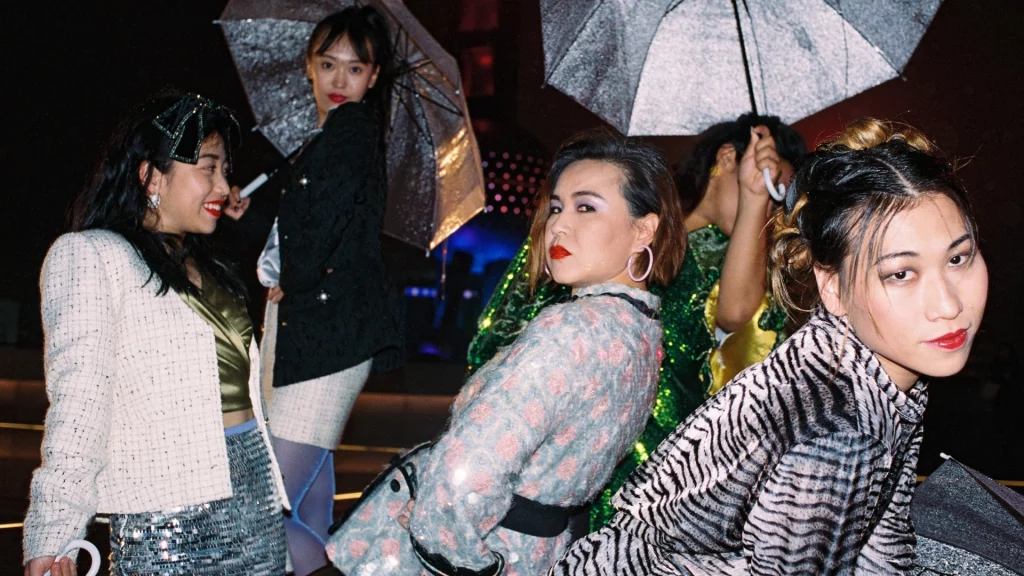
Environmental and Social Reflections
Furthermore, the inclusion of artists like Cao Fei—whose work often deals with the impact of industrialization and urban alienation in China—brings a necessary global political dimension to the exhibition. The "paradigm" being shifted is not just technological, but also social. The exhibition invites viewers to consider the impact of screen culture on human relationships, environmental awareness, and the very concept of truth in an era of deepfakes and algorithmic curation.
Visitor Information and Conclusion
Paradigm Shift is a testament to the resilience and adaptability of the moving image. It confirms that as long as there is a screen, there will be an artist eager to break it.
The exhibition runs from 15 October 2025 until 1 February 2026. Located at 180 The Strand, London, the exhibition is open to the public from Wednesday through Sunday, 12pm to 7pm.
Given the anticipated demand and the scale of the installations, visitors are strongly encouraged to book in advance. Tickets are available through the official 180 Studios website. As we navigate an increasingly digital existence, Paradigm Shift offers a crucial space for reflection—a place to pause, look, and truly see the moving images that define our lives.
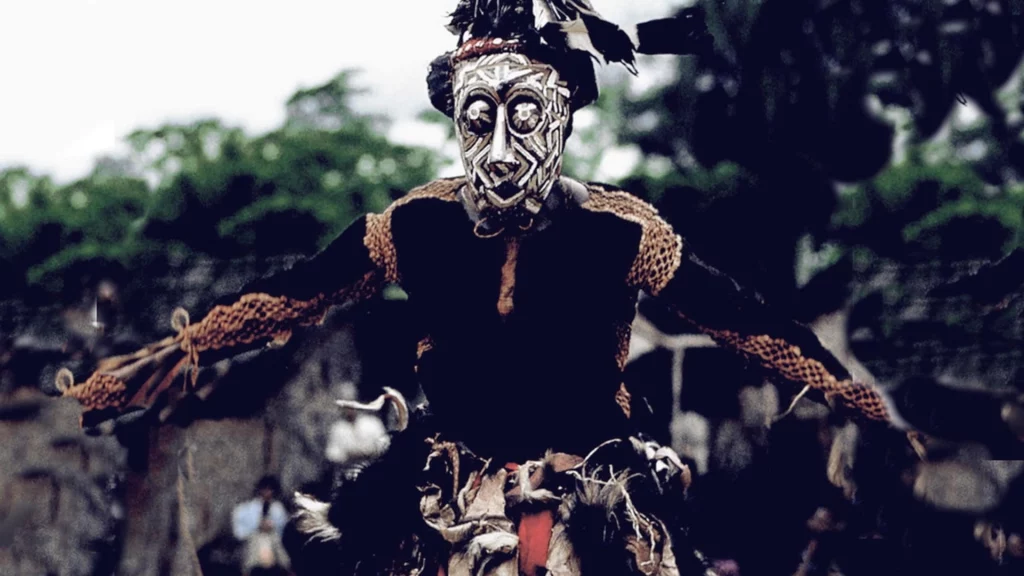
Whether you are a student of film, a follower of contemporary art, or simply a citizen of the digital age, this exhibition serves as an essential mirror. It reminds us that behind every pixel, every frame, and every loop, there is a human impulse to communicate, to challenge, and to transform the world as we know it. Don’t miss this opportunity to witness the evolution of the most influential medium of our time.