While the full-scale production of a heavily layered modern track can sweep listeners away with a massive soundstage packed with instruments and studio wizardry, seasoned audio reviewers know that true system performance is exposed when everything is stripped away. Great acoustic tracks remove the bells and whistles, creating an intimate connection between the artist and the listener. For the audiophile, these minimalist arrangements serve as the ultimate acid test, allowing hardware to reveal the subtlest, finest details, natural instrument textures, and dynamic nuances that might otherwise remain buried.
To explore what makes an acoustic recording truly exceptional for hardware testing, a panel of expert reviewers from the high-fidelity audio community opened up their reference libraries. Below is a comprehensive look at the ultimate acoustic test tracks—ranging from timeless folk staples to radical genre-bending covers—used by professionals to highlight a hi-fi system’s greatest strengths or expose its fatal shortcomings.
1. Main Facts: Why Acoustic Music is the Ultimate Hi-Fi Benchmark
When evaluating speakers, amplifiers, or headphones, reviewers look for specific performance metrics that heavily rely on source material. Acoustic tracks present a unique challenge because they lack electronic masking.
- Transient Response: The speed and accuracy with which a system reacts to sudden string plucks or drum strikes.
- Timbre and Tone: The natural, uncolored reproduction of wood, steel, and human vocal cords.
- Low-Level Dynamics: The ability to render minute shifts in volume, allowing emotional intent and fragile room acoustics to breathe.
- Soundstage and Imaging: The spatial placement of performers, giving listeners a three-dimensional sense of being seated in a live venue.
2. Chronology: The Reference Tracks That Shaped Audio Testing
Spanning decades of recording innovation, these specific performances represent the pinnacle of acoustic production and arrangement.

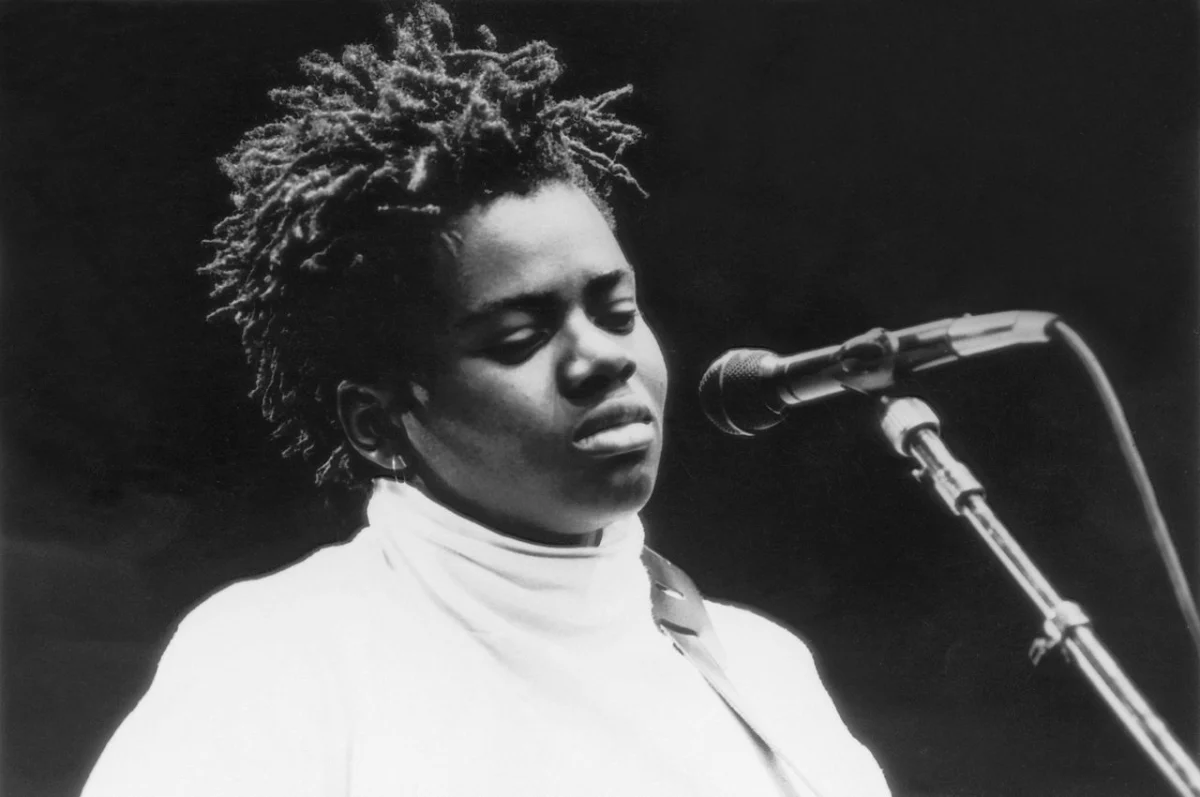
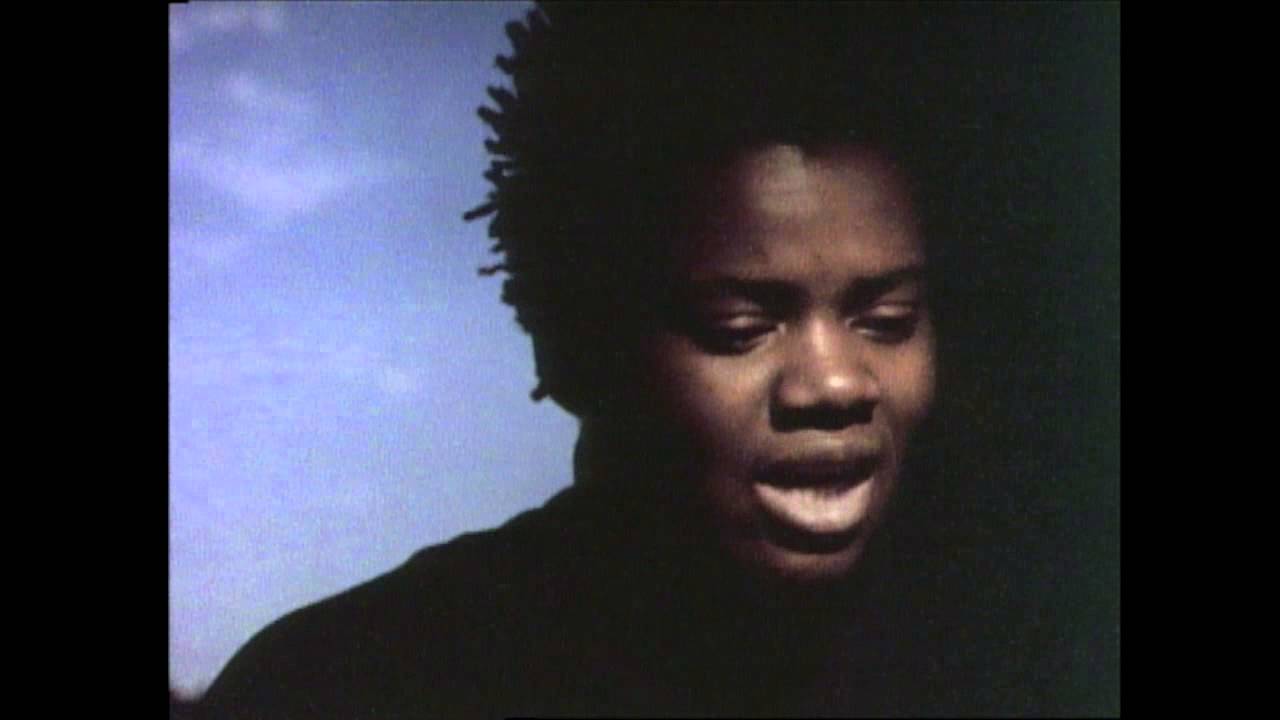
"Fast Car" — Tracy Chapman (Tracy Chapman, 1988)
Selected by Andy Madden
As predictable as it might be, there is no getting away from the fact that Fast Car remains one of the greatest acoustic tracks of all time. It is a permanent fixture in high-end test rooms, regularly deployed when reviewers are putting high-fidelity gear through its paces.
The track effortlessly blends folk and pop, sprinkling in elements of rock during its soaring chorus. Lyrically, it tells an emotional story of one person’s dream to escape difficult circumstances for a better life. Chapman’s delivery is packed with palpable hope and yearning. Beyond the vocals, the track offers a masterclass in dynamic versatility: delicate acoustic guitar playing lets listeners hear fingers sliding over steel strings, which then contrasts sharply with drums that explode into life during the chorus, testing how well a system handles abrupt shifts in tempo and scale.
"All Along the Watchtower" — Michael Hedges (Watching My Life Go By, 1985 / Live on the Double Planet)
Selected by Alastair Stevenson

Michael Hedges is widely regarded as one of the most revolutionary acoustic guitarists of the 20th century. Featuring an atypical, highly physical style, Hedges achieved on the acoustic guitar what Eddie Van Halen did for the electric guitar in the 1980s.
Characterized by heavy percussive elements and radical tunings (such as the D A E E A A tuning used on this track), Hedges combined left-hand hammer-ons, pull-offs, and aggressive body slaps. While his studio work was brilliant, the live rendition captured on Live on the Double Planet serves as a masterclass for testing a hi-fi system’s transient speed, impact, and instrument separation.
"Good Riddance (Time Of Your Life)" — Green Day (Nimrod, 1997)
Selected by Andy Madden
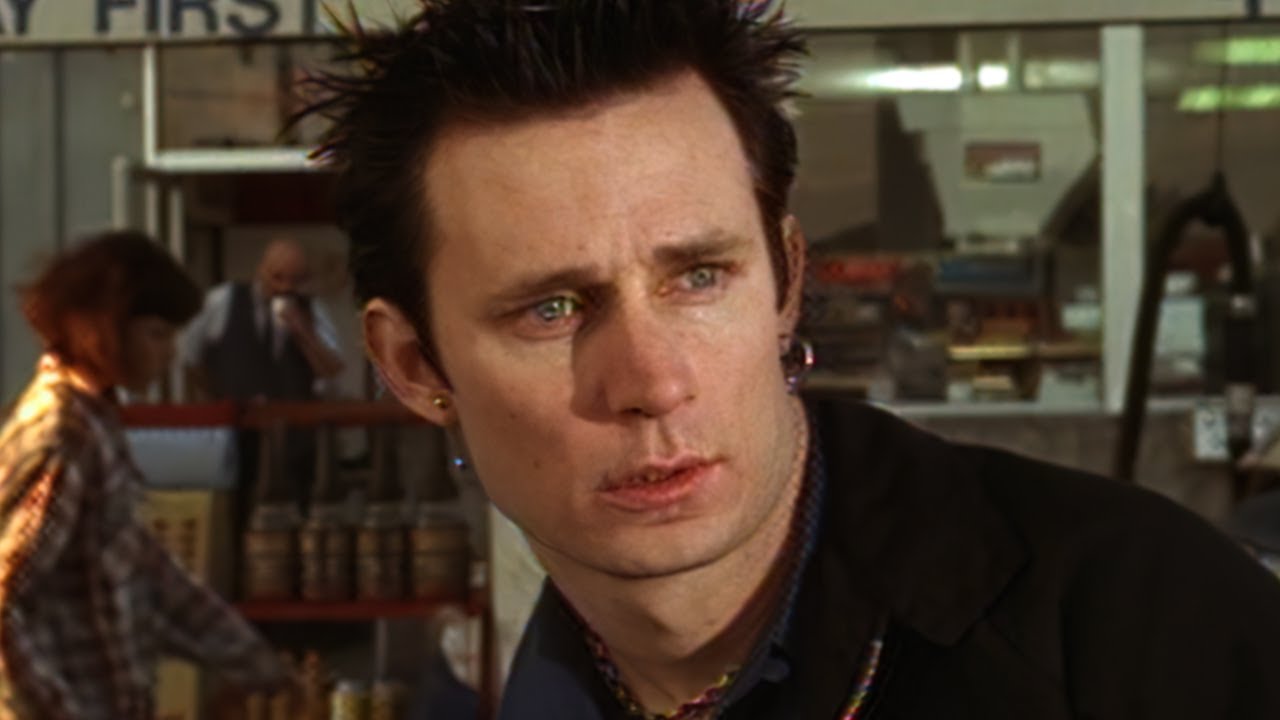
Though frequently relegated to nostalgic television montages and graduation ceremonies, Green Day’s acoustic departure from their trademark punk sound is an engineering marvel. The track begins simply with an acoustic guitar and Billie Joe Armstrong’s distinctive vocal tone.
However, the introduction of slow, sweeping orchestral strings elevates the track, rising and falling to complement the acoustic rhythm. The song’s gradual wind-down—where the guitar slowly decelerates before fading to silence—provides a punishing test of fine detail retrieval, system timing, and low-level dynamics that challenges even the most capable audio setups.
"Hurt" — Johnny Cash (American IV: The Man Comes Around, 2002)
Selected by Harry McKerrell
Johnny Cash’s late-career reinvention of Nine Inch Nails’ Hurt stands as the cover to end all covers. Stripping away the industrial, eerie soundscapes of Trent Reznor’s 1994 original, Cash relied on little more than a weathered acoustic guitar and a stark, somber piano note.
The recording places the spotlight squarely on the bleak nature of Cash’s fragile, world-weary voice. Where Reznor’s original conveyed a man still fighting his internal demons, Cash’s sparse interpretation sounds like a man who has accepted them. For playback systems, rendering the dry, intimate texture of Cash’s voice without sounding harsh or sibilant is a monumental test of midrange fidelity.

3. Supporting Data: Modern Acoustic Masterpieces for Critical Listening
In recent years, artists have continued to push the boundaries of minimalist production, offering reviewers fresh benchmarks for spatial awareness and emotional depth.
"Take On Me" (MTV Unplugged) — A-ha (Summer Solstice, 2017)
Selected by Andy Madden
Because the 1984 synth-pop original and its iconic music video are so deeply ingrained in pop culture, listeners easily forget the underlying composition of A-ha’s biggest hit. Stripping the track down to vocals, a piano, and an acoustic guitar for MTV Unplugged completely reframes the song.
Morten Harket’s vocal performance is a study in controlled restraint, showcasing subtle micro-dynamics and natural tonal decay. The acoustic placement allows the natural resonance of the wooden piano soundboard and guitar body to shine through, making it an intimate performance that tests spatial depth.

"S P E Y S I D E" — Bon Iver (SABLE, fABLE, 2025)
Selected by Lewis Empson
Marking Bon Iver’s return after a five-year hiatus, S P E Y S ID E relies heavily on a raw, minimalist acoustic foundation. Built around a sparse acoustic guitar and Justin Vernon’s emotionally charged falsetto, the song is subtly underpinned by a sweeping viola that weaves through the arrangement.
The track is a dynamic showcase, featuring moments of near-silence interrupted only by harmonized vocals. It requires a playback chain—whether high-end headphones, earbuds, or floorstanding speakers—that can handle low-level dynamics with absolute finesse and maintain an uncolored, natural tonal balance.
"Change" — Big Thief (Dragon New Warm Mountain I Believe In You, 2022)
Selected by Ioan Hazell
Big Thief’s earthy, roomy recording style relies on characterful imperfections that make their tracks feel remarkably lifelike. Change features a simple yet devastatingly effective arrangement anchored by a substantial kick-drum that delivers a healthy dose of authentic room ambience. Combined with close-up vocal harmonies and Buck Meek’s trembling guitar work, the track demands a system capable of parsing complex acoustic environments without muddying the vocal presentation.
4. Official Responses and Industry Perspectives
The philosophy of using acoustic tracks as diagnostic tools is universally embraced across the consumer electronics and audio engineering sectors. Manufacturers of amplifiers, DACs, and loudspeakers routinely tune their hardware using minimalist source material to ensure that musicality is not lost in pursuit of technical precision.
According to lead acoustic engineers in the hi-fi industry, consumers often mistakenly believe that complex, heavily produced electronic or orchestral tracks are the hardest for a system to reproduce. In reality, the human brain is so finely tuned to the sound of a real human voice and an acoustic guitar in a physical space that any distortion, phase error, or frequency imbalance introduced by audio gear immediately stands out. When a system can successfully reproduce the transient snap of a steel string, the woody resonance of a guitar body, and the breathy cadence of a vocalist standing "in the room," the user can rest assured that the hardware is performing at an elite level.
5. Implications for the Future of Personal Audio
As the audio market shifts increasingly toward convenient wireless listening—ranging from active noise-canceling earbuds to smart soundbars—the importance of rigorous testing methodology becomes even more pronounced. Codecs, digital signal processing (DSP), and miniaturized drivers present unique hurdles for acoustic reproduction.

By utilizing tracks like Tracy Chapman’s Fast Car, John Mayer’s live cover of Free Fallin’, or The Wailin’ Jennys’ acapella-driven Old Churchyard, reviewers and consumers alike can look past marketing claims and evaluate how faithfully a piece of equipment translates human emotion into sound. Whether you are building a six-figure dedicated listening room or searching for the best portable earbuds on the market, paying attention to how gear handles these acoustic benchmarks will ensure you never miss a subtle detail.
What are your favorite acoustic tracks to test your audio system? Let us know in the comments below!