
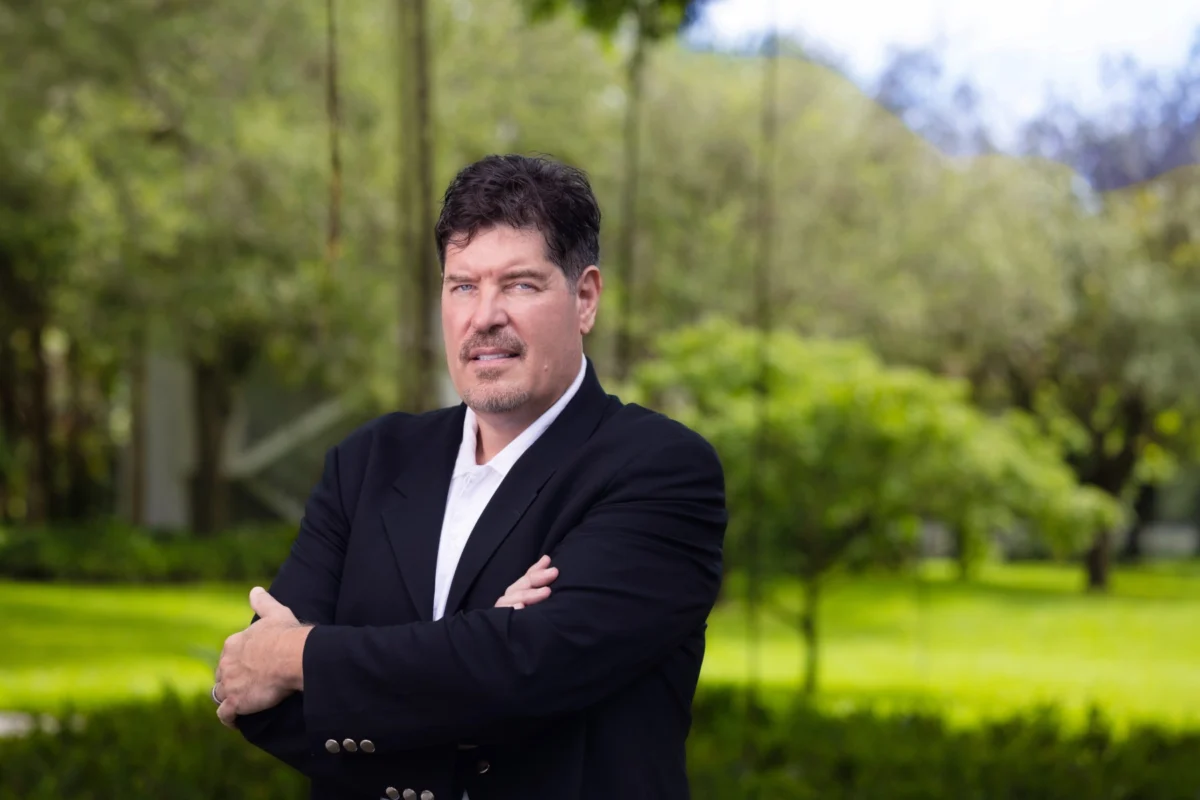
The University of Miami’s Frost School of Music, a powerhouse of conservatory-style training and industry innovation, has officially entered a new era. Following a year-long centennial celebration that honored a century of musical excellence, the university has announced the appointment of Grammy Award-winning producer and music industry veteran Matt Serletic as the institution’s sixth dean.
Serletic’s return to his alma mater marks a significant shift for the school, signaling an aggressive push toward integrating high-level commercial industry expertise with traditional academic rigor. As he assumes the mantle of leadership, Serletic brings with him a decorated career that spans decades, marked by chart-topping successes with artists like Aerosmith, Santana, and Willie Nelson, as well as executive roles in the upper echelons of the global technology sector.
The Architect of Hits: A Professional Chronology
To understand the significance of Serletic’s appointment, one must first look at his trajectory, which began in the halls of the University of Miami. After graduating with both Bachelor’s and Master’s degrees in music performance, Serletic did not simply enter the industry; he transformed it.
The Rise of a Producer
In the late 1990s and early 2000s, Serletic became a household name for artists and executives alike. His work as a producer and songwriter became synonymous with the "gold standard" of radio production. His most notable milestone came in 1999 when he produced Santana’s Supernatural, a project that fundamentally shifted the landscape of popular music by bridging the gap between Latin rock and mainstream pop.
The album earned Serletic a Grammy for Album of the Year, while his work on the project’s lead single, "Smooth" (featuring Rob Thomas), secured the Grammy for Record of the Year. His prowess was further cemented by two consecutive nominations for Producer of the Year (Non-Classical) in 2000 and 2001, distinguishing him as one of the most sought-after creative minds in the business.
From Studio to Boardroom
Beyond the mixing console, Serletic evolved into a multifaceted executive. His career trajectory expanded into the technology and media sectors, where he navigated the complex transition from physical media to the digital streaming era. This blend of creative intuition and corporate strategy has been a hallmark of his career, providing him with a unique vantage point on the evolving nature of music consumption.
The Path to the Deanship
Serletic’s formal involvement with the Frost School of Music did not begin with this appointment. Since 2018, he has served on the Dean’s Advisory Committee, playing an active role in shaping the school’s strategic vision during its centennial transition. Earlier this year, he was one of 100 distinguished alumni to receive a Frost Centennial Medal, an honor bestowed upon individuals who have significantly contributed to the music industry and upheld the values of the institution.

Supporting Data: Why Serletic, Why Now?
The Frost School of Music has consistently ranked among the top music institutions in the United States. Its reputation is built on a "Frost Method" that balances performance with entrepreneurship. The selection of Serletic as the sixth dean is a deliberate move to ensure that this reputation remains relevant in a world where AI, streaming algorithms, and independent distribution models are rewriting the rulebook.
Academic Alignment
The university’s leadership, specifically Provost and Executive Vice President for Academic Affairs Joel Samuels, emphasizes that the choice of Serletic was driven by the current state of the music economy.
- Innovation: The school is currently prioritizing "innovation in the arts," seeking to break down silos between the conservatory, the business department, and the natural sciences.
- Industry Integration: With the music industry currently grappling with the rapid integration of artificial intelligence and new intellectual property laws, the university believes a leader with Serletic’s background in technology and production is uniquely qualified to prepare students for the workforce.
Official Responses and Strategic Vision
The transition of power at the Frost School is viewed by the university’s administration as a pivotal moment for the campus. Provost Joel Samuels articulated the rationale behind the hire, noting that the university’s broader mission involves fostering interdisciplinary growth.
"Across the University of Miami, we are seeing innovation take shape in new and meaningful ways," Samuels stated in the official announcement. "Matt Serletic’s remarkable and wide-ranging experience as a musician and music industry veteran positions him to lead the Frost School of Music into its next century of landmark transformation for the benefit of its students, faculty, staff, alumni and partners."
Samuels further noted that the school’s global footprint necessitates a leader who understands both the art and the commerce of music. "With a unique background that combines musical creation, performance, business, technology and leadership skills, Matt Serletic will be able to partner with the extraordinary faculty and students of the Frost School to further elevate the school’s impact and reach."
A Philosophy of Listening
In his first remarks since the appointment, Serletic reflected on the lessons he learned at the Frost School—lessons he credits for his professional longevity.
"The Frost School of Music taught me to listen," Serletic shared with Billboard. "A professor told me to play it again, slower, and listen this time. I’ve spent 30 years doing exactly that in studios and inside the biggest technology companies in the world, and now I get to pay it back."

His vision for the future of the school is rooted in a pragmatic, career-focused pedagogy. "The business has never needed better-trained people more than it does right now," he added. "I want this school to be fearless, close to Miami and the industry, and serious about every student graduating with a career, not just a degree."
Implications for the Future of Music Education
Serletic’s appointment signals a broader trend in higher education: the pivot toward industry-led leadership. As universities face criticism regarding the employability of arts graduates, the hiring of a proven hitmaker suggests that the Frost School of Music is doubling down on its commitment to practical, career-ready outcomes.
Bridging the Gap Between Academia and Industry
The "fearless" approach Serletic describes likely entails a tighter integration with the Miami music scene—a city that has become a global hub for Latin music and international media. By positioning the school at the epicenter of this industry, Serletic aims to turn the institution into a laboratory for new business models and creative production techniques.
Challenges Ahead
While Serletic’s resume is impeccable, he faces the inherent challenges of the modern conservatory:
- Technological Disruption: How does a traditional music school teach students to navigate a market where AI can generate composition?
- Financial Sustainability: The need to secure funding and build partnerships in an era where arts funding is increasingly scrutinized.
- Preserving Heritage: Balancing the school’s 100-year history and academic prestige with the demands of a fast-paced, digital-first music industry.
Conclusion: A New Century for Frost
The appointment of Matt Serletic is more than just a personnel change; it is a declaration of intent. As the Frost School of Music looks toward its second century, it is betting on the idea that the best way to teach the future of music is to place the curriculum in the hands of someone who has helped define its past.
By combining the academic rigor of a century-old institution with the hard-won wisdom of a multi-Grammy-winning producer, the University of Miami is positioning itself to remain at the forefront of the global music landscape. For the students, faculty, and alumni, the "Serletic era" promises to be defined by a singular focus: the relentless pursuit of musical excellence in a world that is always listening. As Serletic himself noted, the goal is simple but profound: to play it again, listen, and evolve.