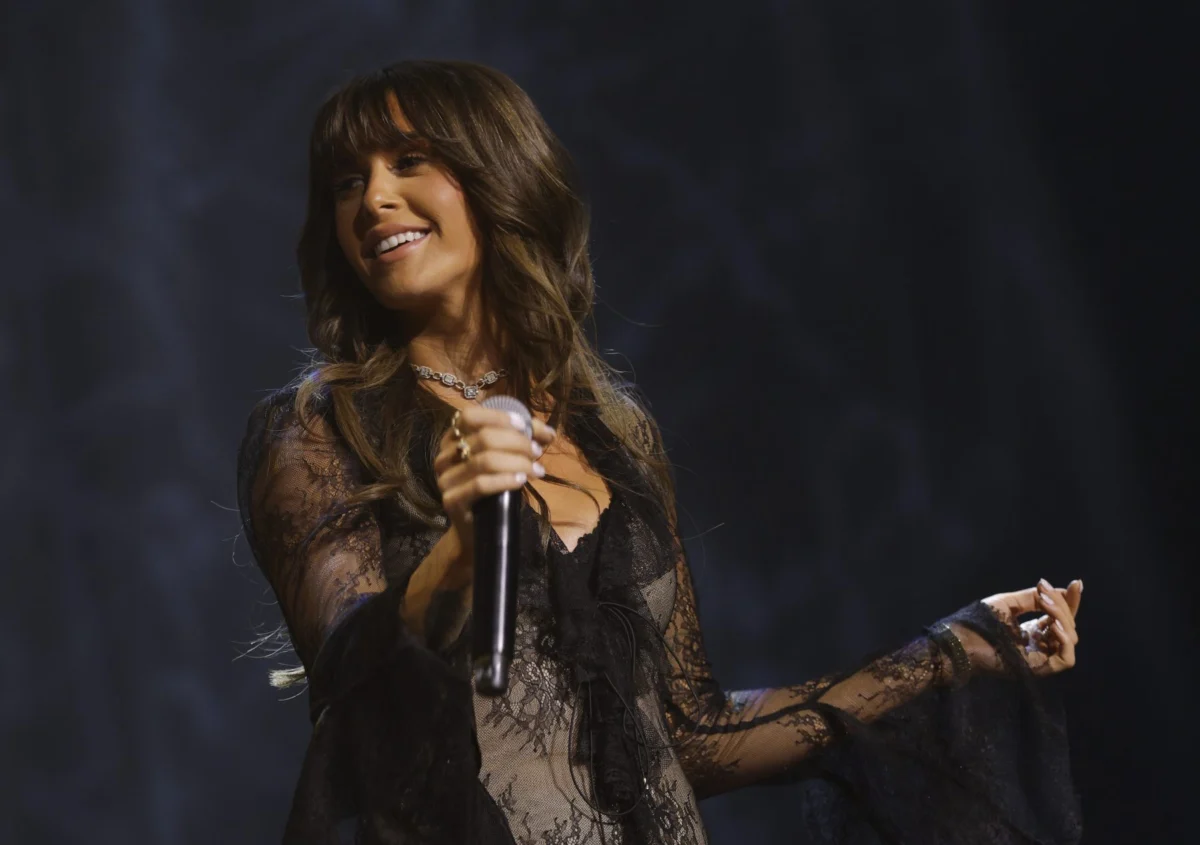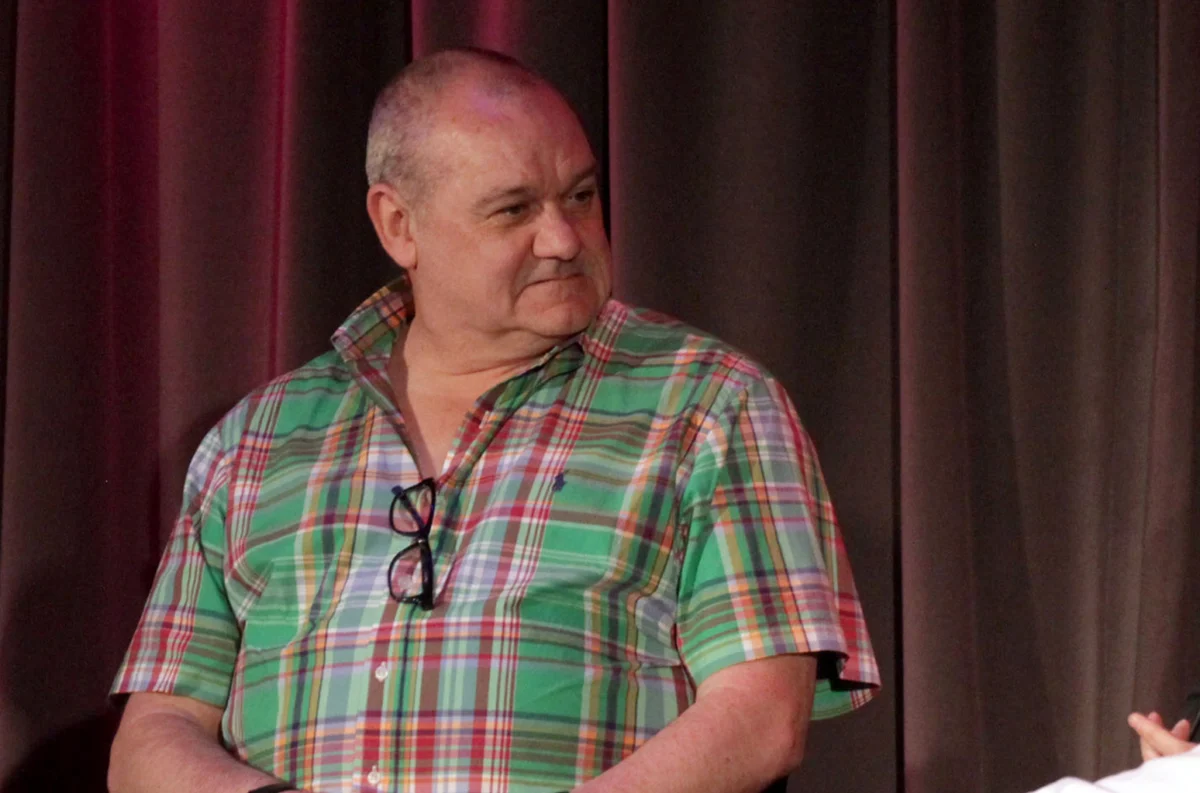
As the dog days of summer settle in, the music industry is responding with a wave of high-profile releases that promise to define the sonic landscape for the remainder of the year. This week’s edition of the Billboard Friday Music Guide highlights a diverse array of projects—from the long-awaited return of R&B innovators to the bold, experimental shifts of established pop stars. Whether you are looking for the introspective folk-pop of Gracie Abrams or the funk-infused grooves of Steve Lacy, this week’s drop provides a comprehensive look at the current state of modern music.
Main Facts: A Diverse Harvest of New Sounds
This Friday has proven to be a watershed moment for both established heavyweights and rising talents. The most significant release is undoubtedly Gracie Abrams’ third studio album, Daughter From Hell. Building on the critical and commercial success of her previous project, The Secret of Us, Abrams continues to solidify her position as a generational songwriter.
Parallel to Abrams’ introspective pop, the R&B world is buzzing with the arrival of Steve Lacy’s Oh yeah?, an album that marks a four-year hiatus for the multi-hyphenate artist. Meanwhile, the pop veteran Carly Rae Jepsen is laying the groundwork for her ambitious upcoming double album, Day and Night, by releasing her latest single, “After All.” These releases, alongside impactful contributions from Bella Kay, Dexter and The Moonrocks, Rick Ross, and Buju Banton, demonstrate a week characterized by high-stakes creative risks and stylistic evolution.
Chronology: The Road to Release Day
The path to these releases has been months, and in some cases years, in the making.
- Mid-2022: Steve Lacy dominates the charts with his breakout hit “Bad Habit,” setting a high bar for his follow-up project.
- Early 2024: Gracie Abrams begins recording sessions at the legendary Long Pond studio with producer Aaron Dessner, signaling a return to the intimate sound that characterized her early work.
- Late June 2026: Carly Rae Jepsen makes a splash with the announcement of Day and Night, a 24-track conceptual double album, split into a “Day” (psychedelic pop) and “Night” (dance-pop) structure.
- July 12, 2026: Rising star Bella Kay surprises fans with the release of her debut album, My Reckless Abandon, opting for a pre-Friday rollout to build independent momentum.
- July 17, 2026: The industry prepares for the massive Friday wave, with digital service providers (DSPs) updating their flagship playlists to feature these pivotal new tracks.
Supporting Data: The Commercial Landscape
The streaming era has changed the nature of the "Friday release," but the numbers still tell the most compelling stories. Gracie Abrams, whose last project debuted at No. 2 on the Billboard 200, is entering this release cycle with significantly more mainstream leverage than ever before. Her single “That’s So True” provided the necessary tailwinds to carry Daughter From Hell into the top-tier of industry expectations.
Similarly, the return of Rick Ross with Set in Stone—his first solo studio effort in five years—is a strategic move. By anchoring his 2026 campaign around the 20th anniversary of his debut, Port of Miami, Ross has cultivated a renewed interest in his discography, which his current label partners hope will translate to high-volume streaming numbers for his 19-track new set.
In the reggae and dancehall sectors, Buju Banton’s Too Too Bad serves as a crucial case study in legacy management. By returning to VP Records after 23 years, Banton is utilizing the stability of an established label to maximize the distribution of his 13-track project, which relies on a mix of legacy fan loyalty and new collaborations with contemporary stars like Ari Lennox and DJ Khaled.
Official Perspectives: The Artists’ Vision
Gracie Abrams on Self-Actualization
In Daughter From Hell, Abrams explores themes of autonomy and self-preservation. Her focus track, “Good Reason,” is a poignant exploration of the moment one chooses oneself over a relationship. "If only I chose you and not me / If only I had a good reason," she sings. Industry analysts suggest this lyrical shift—moving away from heartbreak toward a quiet, steady confidence—is a hallmark of her maturation as a songwriter.
Steve Lacy’s Funk Evolution
For Oh yeah?, Steve Lacy has leaned into the “Funk” aesthetic that defined his earlier work but has added a layer of profound vulnerability. Featuring cameos from SZA and Erykah Badu, the album is described by insiders as a “whimsical fusion of synths and guitars” that refuses to abandon his self-effacing humor, even when the subject matter turns somber.
Carly Rae Jepsen’s Sonic Bifurcation
Jepsen’s “After All” provides a necessary contrast to her earlier, more rock-oriented single “On Wires.” By emphasizing a “Night” aesthetic—sleeker production, falsetto-heavy choruses, and dance-ready instrumental breaks—Jepsen is effectively segmenting her audience, catering to both the indie-pop listener and the club-goer.
Implications: What This Week Means for the Industry
The current release cycle offers several key takeaways for the music business at large:
1. The Resurgence of the Double Album
Carly Rae Jepsen’s move toward a 24-track double album is a direct response to the "streaming consumption" model. By providing a massive volume of content, artists can maximize their footprint on discovery algorithms, ensuring that they remain a part of the daily listening habit for a longer duration.
2. The “Long Pond” Effect
The continued success of projects produced at Aaron Dessner’s Long Pond studio—exemplified by Gracie Abrams—highlights a shift in consumer demand. Listeners are increasingly prioritizing “sonically intimate” production over the maximalist, hyper-produced pop that dominated the early 2020s.
3. Genre Fluidity as a Commercial Tool
Dexter and The Moonrocks’ “Western space grunge” label is a perfect example of how emerging artists are using genre-blurring to capture fragmented digital audiences. By refusing to fit into a single box, they are able to appeal to rock, alternative, and country listeners simultaneously, a strategy that is proving effective for bands looking to break into the Hot 100.
4. Legacy vs. Modernity
The return of veterans like Rick Ross and Buju Banton to their respective roots (label-wise and sound-wise) illustrates that there is still a massive, untapped market for legacy artists who know how to package their history with modern, high-profile collaborations.
Conclusion
This week’s releases are more than just a collection of songs; they represent the ongoing evolution of artists navigating an increasingly crowded digital landscape. As Gracie Abrams continues her ascent, Steve Lacy redefines his sound, and artists like Carly Rae Jepsen and Buju Banton find new ways to leverage their deep catalogs, the audience remains the primary beneficiary. As these tracks permeate playlists over the coming weekend, one thing is certain: the music industry remains as dynamic and unpredictable as ever. Whether you are a fan of high-octane hip-hop, introspective indie-pop, or experimental funk, this week provides a roadmap for the sounds that will dominate the conversation for the rest of the year.