After a 15-year hiatus from the car audio hobby, enthusiast YzFool78 has returned to the scene, sparking a lively technical discussion within the automotive community. His recent project—a comprehensive sound system upgrade for a 5th Generation Toyota 4Runner—serves as a case study for modern mobile audio integration, highlighting the balance between high-fidelity sound quality (SQ) and the practical constraints of an off-road-oriented vehicle.
The project, which began in early July 2026, has evolved from a simple request for a small-footprint 8-inch subwoofer into a broader debate regarding system synergy, power distribution, and the complexities of modern vehicle electronics.
Main Facts: The Foundation of the Build
The 5th Gen 4Runner, a vehicle prized for its rugged capability and interior versatility, presents unique challenges for audio installation. Space is at a premium, particularly for owners who utilize their vehicles for off-roading and overlanding, where every cubic inch of cargo capacity is vital.
The Current Hardware Configuration
The builder has opted for a high-end component lineup aimed at delivering clarity and soundstage depth:

- Front Stage: CDT Wideband Unity 7.5 drivers in the dash, paired with CDT HD-690CFS 6×9-inch mid-bass drivers in the front doors.
- Rear Fill: Hertz DCX 1653 6.5-inch coaxial speakers, driven directly by the factory head unit.
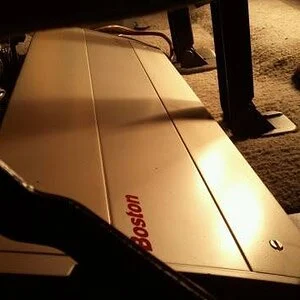
- Amplification: A CDT ACD 5-channel amplifier serves as the backbone of the system, currently powering the front stage and intended to drive the subwoofer.
The core of the current dilemma lies in the subwoofer selection. The owner initially sought an 8-inch subwoofer capable of performing in a small, sealed enclosure with a 400-watt power handling limit. The goal is not "purse SPL" (Sound Pressure Level or raw volume) but rather deep, accurate bass that maintains musical integrity.
Chronology: A Community Collaborative Process
The project’s trajectory shifted significantly as forum members began to weigh in on the limitations of small-diameter subwoofers in the context of the 4Runner’s interior volume.
Phase 1: The Initial Inquiry (July 10, 2026)
YzFool78 opened the thread on July 10, seeking advice on a low-profile 8-inch sub. He expressed a desire to keep the build "boring" and space-efficient. Community expert "Hal" provided a curated list of recommendations, including the JL Audio 8W3v3-4 and the Rockford Fosgate P3SD8, citing their proven track record in sealed enclosures.
Phase 2: The Shift to 10-inch Drivers
Shortly after the initial suggestions, user "Doxquzme" challenged the premise, arguing that a pair of 6×9-inch speakers already approximates the surface area of an 8-inch sub. He suggested that moving to a 10-inch driver would provide a vastly superior sonic return for the space investment. By July 11, the consensus had solidified: a single 10-inch driver would be the "sweet spot" for this specific vehicle.

Phase 3: Technical Refinement
The conversation then turned to technical implementation. User "slater" introduced critical warnings regarding vehicle-specific electronic features, such as Active Sound Control (ASC) and Engine Sound Enhancement (ESE). While the 4Runner owner noted that his model year might not include these features, the warning underscored the risks of "dirty" signal injection into modern audio systems.
Supporting Data: Selecting the Right Driver
The transition from an 8-inch goal to a 10-inch reality involved evaluating several high-performance options. The builder narrowed his focus to two primary candidates:
- DD Audio SL710: Known for its shallow-mount design and ability to deliver punchy, accurate bass in compact enclosures.
- Crescendo Audio Forte B2 10: A brand frequently praised by enthusiasts for its rugged build quality and thermal management.
The Power-to-Subwoofer Efficiency Gap
A major realization occurred during the discussion regarding the CDT ACD 5-channel amplifier. The builder noted that while he initially planned for 400 watts of power, many of the high-quality 10-inch drivers suggested require significantly higher RMS wattage to reach their peak potential.
This prompted an acknowledgment that the system might eventually require a secondary, dedicated subwoofer amplifier or an upgrade to the primary power unit. The consensus among the experts was clear: running a high-wattage subwoofer on insufficient power leads to clipping and potential damage, negating the benefits of a high-quality component.

Official Perspectives and Expert Advice
The community provided several "pro-tips" that go beyond simple equipment selection, focusing on the integration of aftermarket components into modern Toyota architecture.
The "Carista" Warning
User "slater" emphasized the use of OBD-II diagnostics tools like Carista. In many modern vehicles, fake engine noise is piped through the speakers to simulate a more aggressive engine profile. If an aftermarket system taps into the factory signal without disabling these features, the subwoofer will attempt to amplify these artificial frequencies, resulting in muddy, distorted, or "boomy" bass.
Signal Acquisition
The discussion also touched on the use of the PAC AP4-TY14 interface. This module is essential for extracting a clean, flat audio signal from the factory head unit without the interference of the factory EQ curves or chimes. Using such an interface is considered the "gold standard" for 5th Gen 4Runner owners who wish to keep their factory head unit while achieving high-fidelity sound.
Implications: The Future of the Build
As of mid-July 2026, the project is moving forward with a revised scope. The implications of this build are significant for other 4Runner owners:

- Space Optimization: The owner is now planning a custom fiberglass or MDF enclosure to be built into the fender well. This approach maximizes cargo space, proving that high-end audio does not necessarily require the sacrifice of utility.
- The Shift in Philosophy: The project serves as a reminder that "bigger is not always better." By focusing on a single, high-quality 10-inch driver rather than a bulky dual-subwoofer setup, the owner maintains the integrity of the vehicle’s purpose while elevating the sound quality to a level that surpasses most factory-premium options.
- The Importance of Community: The thread highlights the shift in car audio from solitary hobbyism to a collective, crowd-sourced engineering effort. By utilizing forums like CarAudio.com, the builder avoided potential pitfalls—such as underpowering his system or dealing with unwanted engine noise—before he even purchased the final hardware.
Final Technical Roadmap
The project will proceed with:
- Driver: A 10-inch shallow-mount subwoofer (DD SL710 or similar).
- Enclosure: A custom-molded sealed box, approximately 0.5 cubic feet, optimized for the fender well.
- Power: Potential upgrade to a dedicated sub amp, ensuring the 10-inch driver receives the full 500W+ RMS required for optimal excursion and linearity.
- Tuning: Extensive use of the 5-channel amp’s onboard processing to ensure the front stage and the new subwoofer are time-aligned and phase-coherent.
This 4Runner build represents a return to form for a veteran enthusiast and a roadmap for modern owners who prioritize musicality, efficiency, and the rugged, go-anywhere spirit of their vehicles. It is a testament to the fact that with the right advice and a clear vision, one can achieve concert-hall sound even in the most utilitarian of environments.