Introduction: The "Swiss Watchmaker" Returns
In the landscape of classical music criticism, few voices carry the weight and historical perspective of NativeDSD Senior Music Reviewer Bill Dodd. Through his long-running series, Dodd’s Discoveries, the veteran broadcaster and audiophile curates a journey into the heart of high-fidelity sound, focusing on the latest recordings that demand more than just a cursory listen.
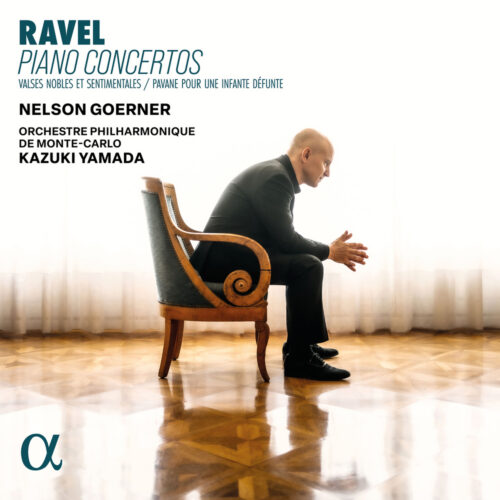
In his most recent installment, Dodd turns his attention to a fresh interpretation of Maurice Ravel’s Piano Concertos, released by Alpha Classics. As a special incentive for audiophiles and classical music enthusiasts, NativeDSD is currently offering this featured album at a 40% discount, inviting listeners to experience what Dodd describes as a definitive, balanced approach to one of the 20th century’s most nuanced composers.
Main Facts: The Intersection of Art and Engineering
The core of this review centers on the collaborative effort between pianist Nelson Goerner and conductor Kazuki Yamada. While Ravel is often categorized by the flamboyant, pyrotechnic flourishes found in the climactic descent of La Valse, Dodd argues that such a lens misses the composer’s true identity.
Ravel was, as Igor Stravinsky famously noted, a "perfect Swiss Watchmaker." His music is built upon an architecture of rigorous structural integrity, clarity, and an almost obsessive attention to balance. The new Alpha Classics release captures this ethos with surgical precision. Rather than opting for the "histrionics" and "virtuoso displays" that characterize many popular interpretations, Goerner and Yamada prioritize the inherent geometry of the music.
The result is a recording that eschews "chewing the scenery"—a common pitfall for performers eager to showcase their technical prowess—in favor of a faithful, crystalline rendering of Ravel’s intentions.
Chronology: From the Conservatoire to the Modern Studio
To understand why this specific recording matters, one must look at the trajectory of Ravel’s compositional career and how it has been interpreted through the decades.
- The Early Period: Ravel emerged from the Paris Conservatoire at a time when French music was undergoing a radical shift. Influenced by both the impressionism of Debussy and the structuralism of the Baroque, he developed a unique language that emphasized orchestral color.
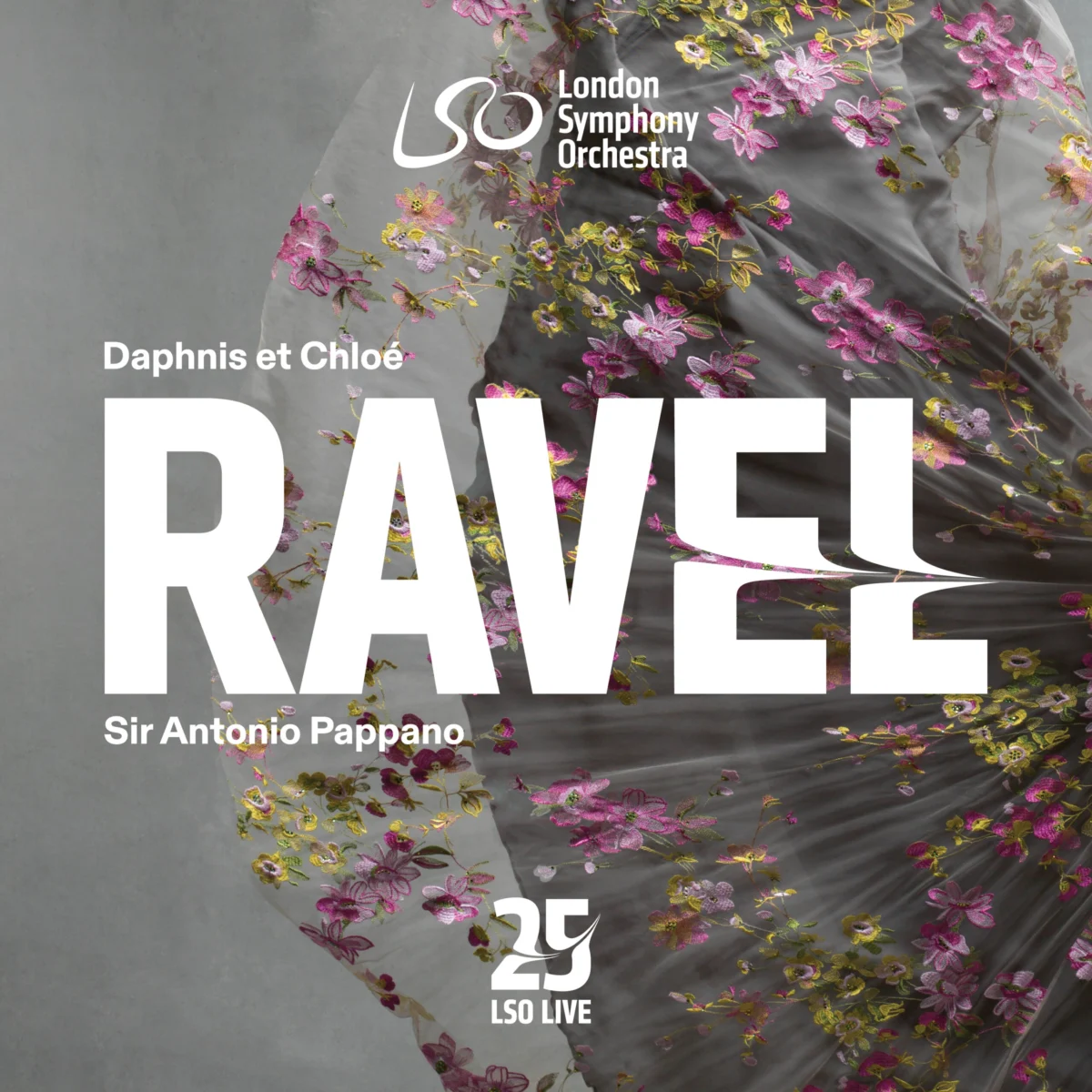
- The Mid-Career Peak: With works like Daphnis et Chloé, Ravel established a standard for orchestral texture. The clarity required to execute these scores is immense; even a minor miscalculation in balance can collapse the delicate sonic tapestry he constructed.
- The Concertos: The Piano Concerto in G major and the Piano Concerto for the Left Hand, composed between 1929 and 1931, represent the culmination of his technical mastery. These works are not merely exercises in pianism; they are sophisticated dialogues between the soloist and the ensemble.
- The Modern Era: For decades, the trend in Ravel performance favored the "fire-breathing" school—recordings that pushed the tempo and dynamics to their limits. While exciting, this tradition often obscured the subtleties of Ravel’s orchestration. The Goerner/Yamada recording represents a "third way": a return to the structural transparency that the composer himself demanded.
Supporting Data: Why This Recording Stands Out
The technical merits of this release are bolstered by the high production values of Alpha Classics. In the world of high-resolution audio, the recording environment is as much a "performer" as the artist.

The Goerner-Yamada Synergy
Nelson Goerner’s approach to the solo pieces is marked by a profound respect for the score. By refusing to over-interpret the dynamics, he allows the listener to hear the internal logic of the passages. When paired with Yamada’s orchestral precision, the result is a rare level of transparency. The orchestral colors—the winds, the brass, and the percussion—do not fight the piano; they exist in a symbiotic relationship.
Audiophile Specifications
For the NativeDSD community, the value of this album lies in its fidelity. The recording captures the nuance of the piano’s hammer strikes and the decay of the notes in the acoustic space of the concert hall. This level of detail allows for a listening experience that rivals being in the front row, a hallmark of the curation process that Bill Dodd brings to his series.
Official Perspectives: The Philosophy of Bill Dodd
Bill Dodd, the architect behind these recommendations, offers a unique perspective shaped by a lifetime of musical engagement. From his early days as a morning personality in San Francisco to his deep, long-standing appreciation for the complexities of Bach and Gershwin, Dodd’s ears have been trained by decades of diverse listening.
In his assessment of the Alpha Classics release, Dodd highlights the importance of consistency. He suggests that while a listener might occasionally crave a "fire-breathing" performance to shake things up, the Goerner/Yamada recording is the one that will "satisfy consistently."
"This is the Ravel who wrote Daphnis et Chloé," Dodd writes, emphasizing that the concertos share the same delicate, luminous DNA as his most famous ballets. For Dodd, music is not just about the moment of impact; it is about the structural integrity that remains long after the final note has faded.
Implications: The Future of Classical Interpretation
The success of this recording signals a potential shift in how we approach 20th-century masterpieces. As high-resolution playback systems become more sophisticated, listeners are becoming increasingly attuned to the "middle ground"—performances that prioritize texture and clarity over raw speed.
A New Standard for Ravel?
By selecting this album for Dodd’s Discoveries, NativeDSD is implicitly endorsing a move away from the "cult of personality" in classical music. The implications for future releases are clear: record labels and artists are being encouraged to prioritize the composer’s original intent, favoring the "Swiss Watchmaker" over the "showman."
The Economic Impact
The 40% discount currently applied to this album via the NativeDSD platform is more than just a sale; it is an entry point. By making high-fidelity, high-art recordings more accessible, the series invites a broader demographic to engage with music that is often unfairly labeled as "inaccessible" or "too academic."
Conclusion: A Must-Have for the Discerning Listener
In an age of digital oversaturation, finding a recording that demands multiple listens is a rare joy. Bill Dodd’s latest discovery is a testament to the fact that when a performer stops "chewing the scenery" and starts listening to the composer, the results are transformative.
The Alpha Classics recording of Ravel’s Piano Concertos is not merely a technical achievement; it is an emotional and intellectual experience that honors the legacy of one of music’s most meticulous craftsmen. Whether you are a lifelong Ravel enthusiast or a newcomer to the concertos, this performance offers a clarity of vision that is as refreshing as it is necessary.
As Bill Dodd concludes in his review, this is how the music should be performed. With the current discount available at NativeDSD, there has never been a better time to add this essential recording to your library.
To explore the full range of Dodd’s Discoveries and to take advantage of the 40% discount on the Ravel Piano Concertos, please visit the official NativeDSD website.