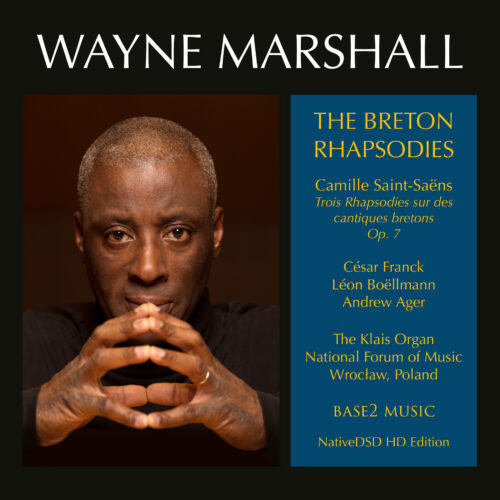
In the rarefied world of high-fidelity audio, few instruments present as significant a challenge to capture as the pipe organ. Its sheer scale, dynamic breadth, and ability to oscillate between the most delicate, ethereal whispers and tectonic, floor-shaking bass make it the ultimate test for any recording engineer. With the release of The Breton Rhapsodies, Base2 Music has not only met this challenge but has potentially redefined the standard for immersive, high-resolution organ recordings.
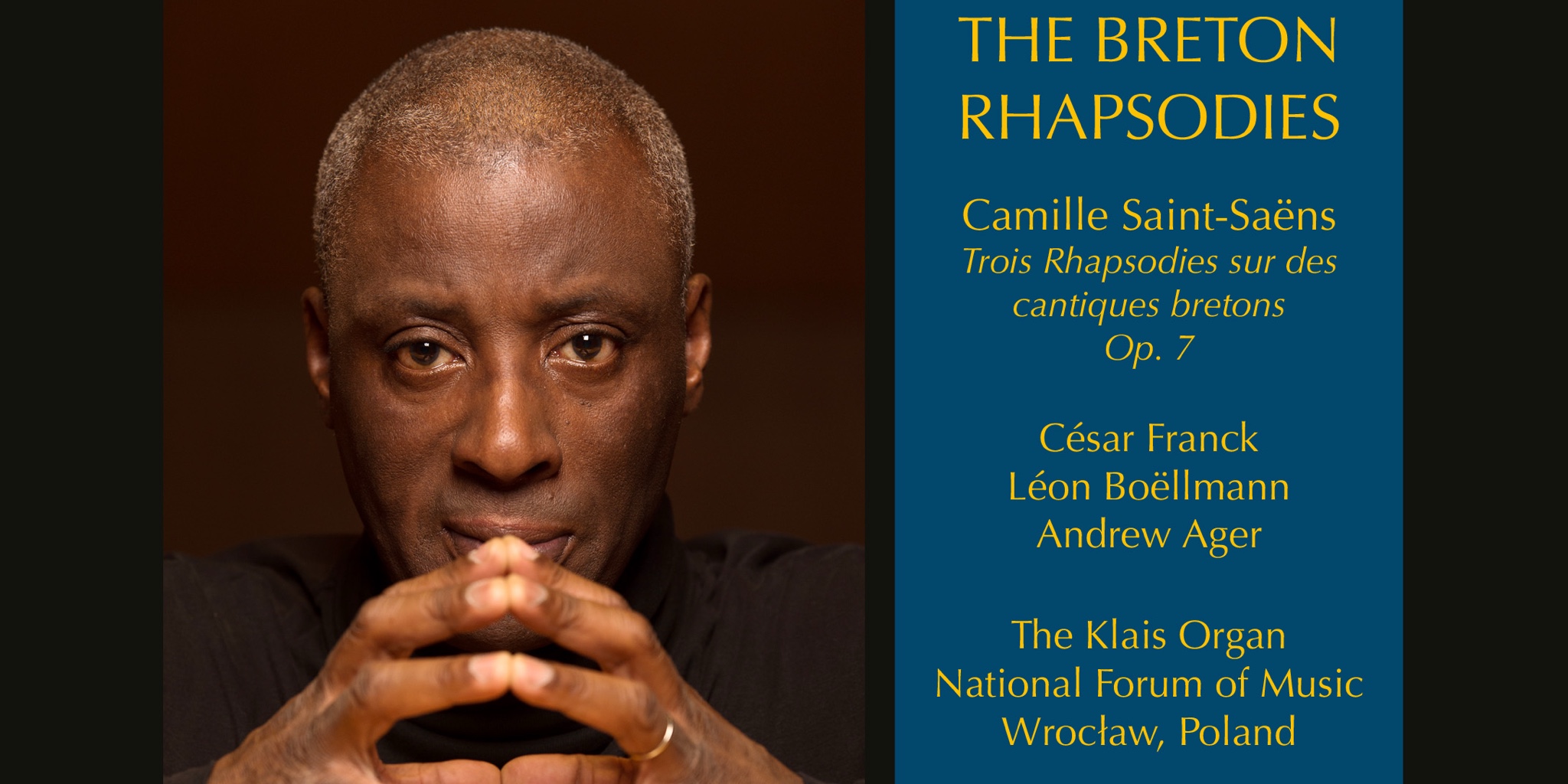
Featuring the internationally acclaimed conductor, pianist, and organist Wayne Marshall, this release is the culmination of a rigorous four-year journey. Recorded at the state-of-the-art National Forum of Music (NFM) in Wrocław, Poland, The Breton Rhapsodies is a testament to the intersection of architectural acoustics, cutting-edge microphone technology, and virtuosic performance.
The Genesis: A Four-Year Labor of Love
The production of The Breton Rhapsodies was never intended to be a quick turnaround project. According to producer Jake Purches of Base2 Music, the project was defined by the logistical complexities of coordinating with Wayne Marshall. Given Marshall’s relentless global schedule, the production team often found themselves managing creative and editorial sessions across disparate European cities, necessitating a long-term commitment to a singular vision.
The project began to take its final shape in 2022, a time when the world was tentatively emerging from the shadow of the COVID-19 pandemic. The recording sessions were strategically scheduled to take place immediately following a live recital by Marshall, ensuring that he was not only prepared but in a state of peak performance readiness.
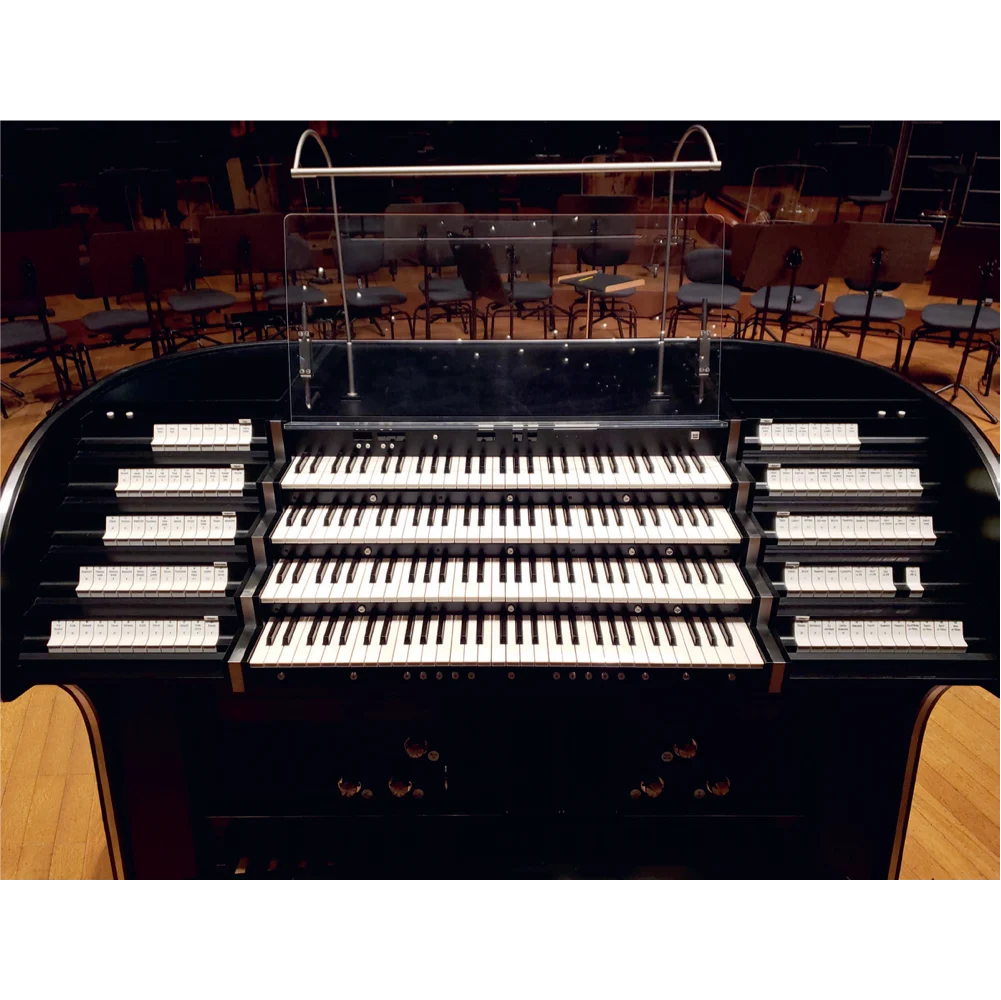
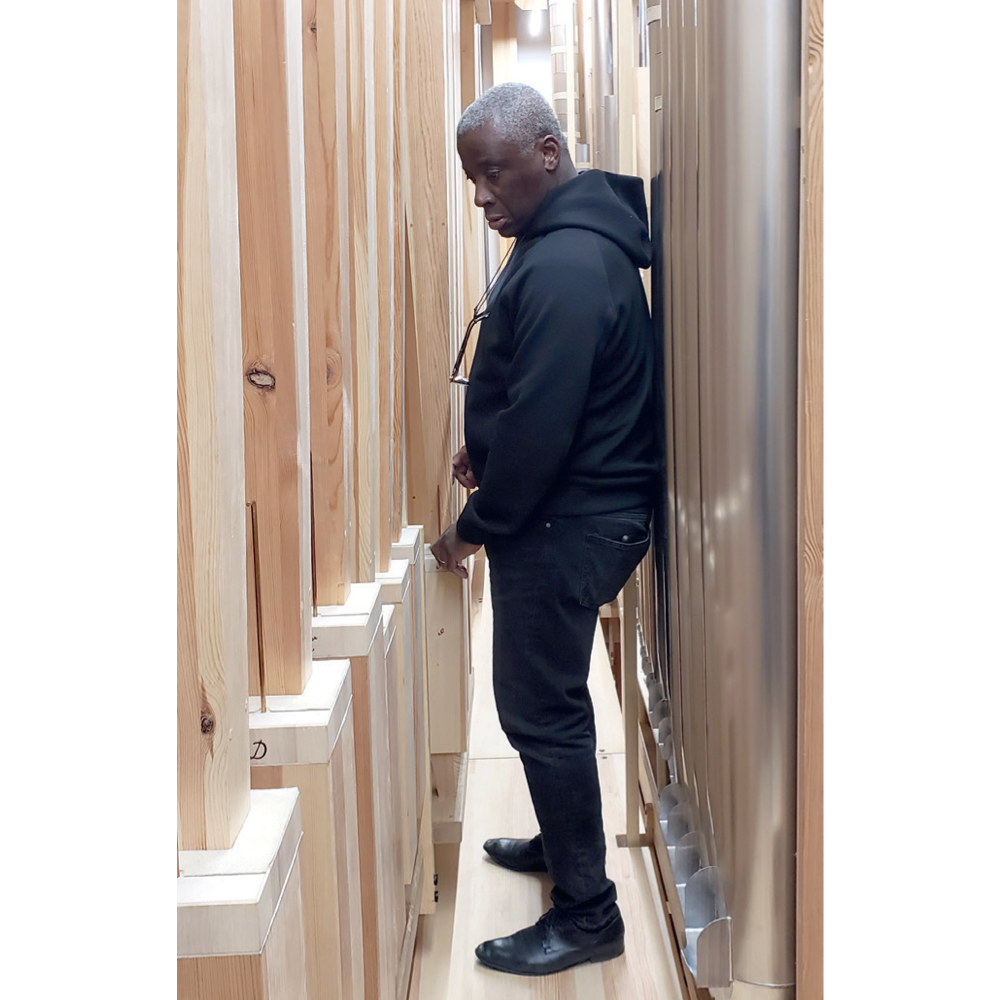
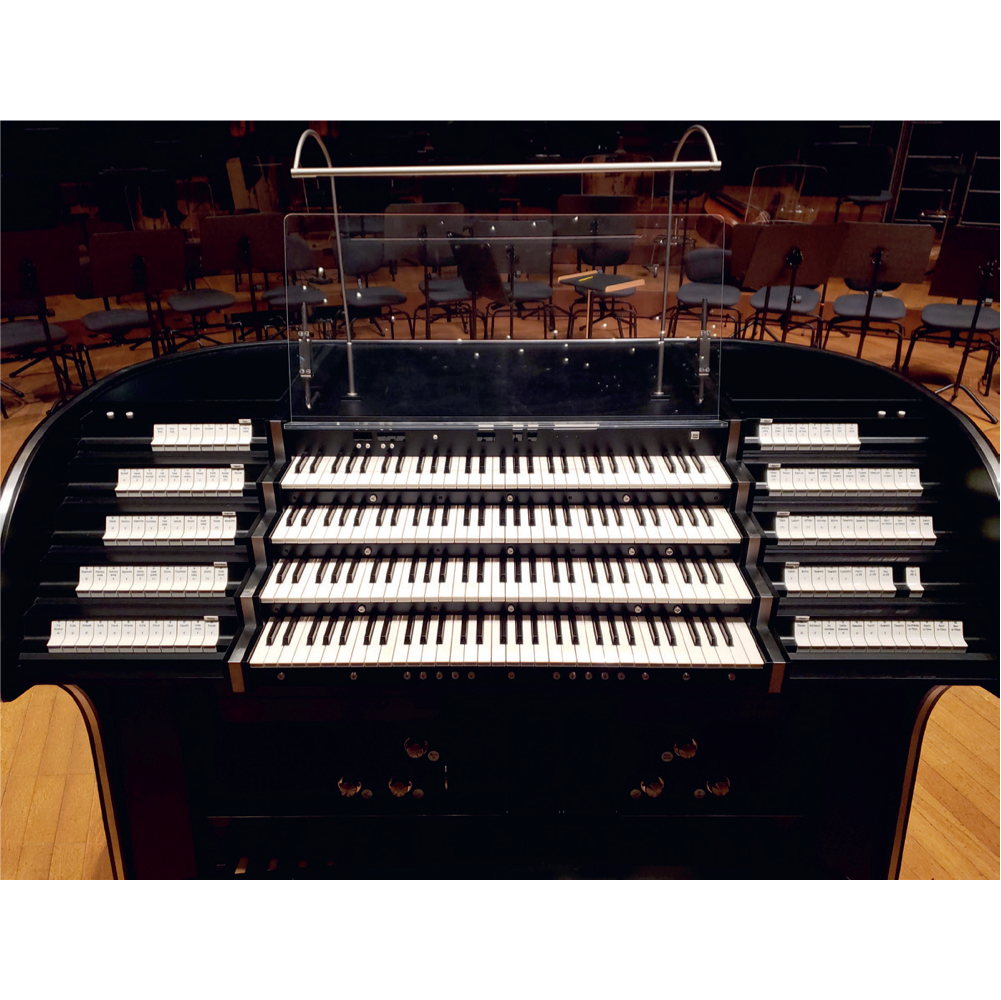
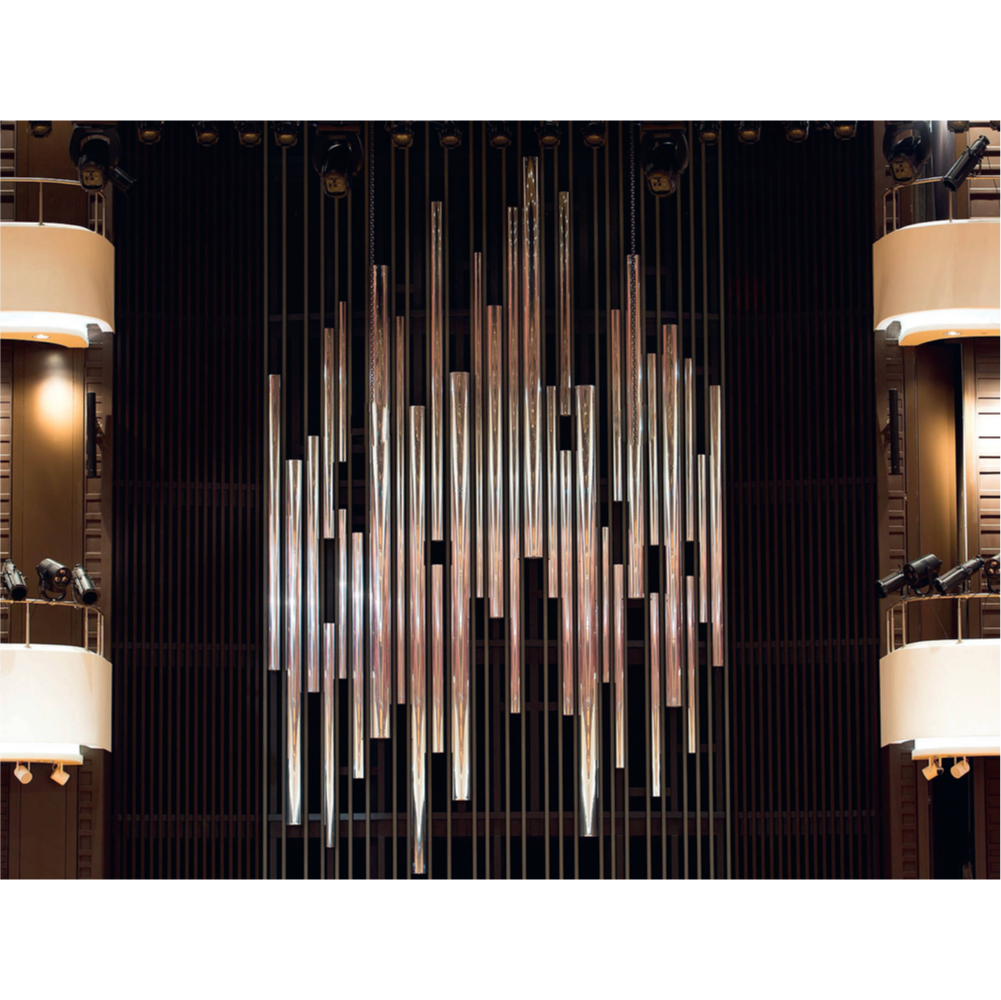
The choice of the National Forum of Music in Wrocław was deliberate. The venue is home to a magnificent Klais organ, a colossal instrument that, at the time of the recording, was only two years old. This presented its own unique set of obstacles; a new organ of such complexity is essentially a living organism, still "settling" into the acoustic environment of the hall. The production team had to dedicate significant time during the recording nights to fine-tuning the instrument, ensuring that its intonation remained consistent throughout the capture.
Chronology of the Recording
- 2018–2021: Pre-Production and Planning: During these years, the groundwork was laid. Due to the travel restrictions of the era and Marshall’s own touring commitments, the production team utilized remote collaboration to refine the repertoire and logistics.
- 2022: The Recording Sessions: The sessions took place in Wrocław, Poland, following a live performance by Marshall. This allowed the team to capture the energy of a live, tuned instrument immediately after the organ had been exercised in a concert setting.
- 2023–2025: Post-Production and Mastering: The post-production process was exhaustive. Given the ultra-high-resolution nature of the files (354.8 kHz/24-bit), the editorial work required immense processing power and a meticulous ear for detail to preserve the phase integrity and spatial cues of the hall.
- 2026: Official Release: The final product was launched via NativeDSD, providing the audiophile community with access to the master-quality files.
Technical Specifications: The Science of Sound
For the audiophile, the technical provenance of a recording is as important as the performance itself. Base2 Music spared no expense in ensuring that the frequency response and dynamic range were preserved without compromise.
The Microphone Array
The core of the recording utilized Sennheiser MKH 8020 microphones. These are legendary in the field for their frequency response, which extends from a near-infrasonic 10 Hz to a staggering 100 kHz. This allows the recording to capture the "air" and the complex harmonic overtones that define the character of the pipe organ.
To provide the necessary spatial depth, the team utilized:
- Close-miking (Omni and Cardioid): Positioned at the organ to capture the mechanical brilliance and the direct sound of the pipes.
- DPA 4006A Flank Microphones: These were employed to capture the reflected sound of the room, providing a sense of scale and realism.
- Rear-facing Cardioids: Essential for creating the 5.1 surround sound experience, allowing the listener to feel as though they are seated in the center of the auditorium.
Digital Signal Path
The recording was captured at a staggering 354.8 kHz/24-bit resolution. By using the hall’s own Merging Technologies recording system, the team minimized signal loss between the microphone preamps and the digital recorder. This ensures that the dynamic "swells" of the organ—from the softest stop to the full-throated roar of the 32-foot wooden pipes—remain entirely uncompressed.
The Repertoire: A Journey Through French Romanticism
At the heart of the album is Camille Saint-Saëns’ Trois Rhapsodies sur des Cantiques Bretons, Op. 7. This work is a vibrant, evocative tapestry of traditional Breton melodies. Saint-Saëns, a master of orchestration and color, brings a unique atmosphere to these pieces that demands both technical precision and a deep sense of poetic expression from the organist.
Wayne Marshall’s interpretation is nuanced, balancing the rhythmic vitality of the Breton tunes with the grandeur expected of the instrument. The album is further rounded out by works from:
- César Franck: Renowned for his harmonic sophistication and structural clarity.
- Léon Boëllmann: Whose work adds a layer of French Romantic flair and technical bravura.
- Andrew Ager: A contemporary Canadian composer whose inclusion bridges the gap between the historic French tradition and modern compositional sensibilities.
Producer’s Insight: The Pursuit of Perfection
Jake Purches has often spoken about the "Base2 Philosophy"—a commitment to the idea that a recording should be a transparent window into the performance space. In the case of The Breton Rhapsodies, this meant prioritizing the subwoofer channel.
Most commercial recordings fold the lowest frequencies into a mono channel, losing the spatial impact of the room’s resonance. Base2 Music, however, has maintained full-range information across all channels. For listeners equipped with high-performance subwoofers capable of reproducing 16 Hz fundamentals, the result is a visceral, physical experience. The 32-foot pipes are not just heard; they are felt as a pressure wave in the room, mimicking the experience of sitting in the National Forum of Music.
Implications for the Audiophile Industry
The release of The Breton Rhapsodies serves as a benchmark for the future of high-resolution digital audio. It demonstrates that as consumer playback systems improve, there is a growing demand for "no-compromise" studio masters.
Furthermore, the project highlights the importance of collaboration between labels and venues. By working within the National Forum of Music’s own acoustic and technical ecosystem, Base2 Music has achieved a level of "you-are-there" presence that is increasingly rare in the era of heavily processed, multi-tracked studio recordings.
For the classical music industry, this album suggests that there is a viable, sustainable path forward by embracing the "immersive" format. As surround sound and spatial audio become more mainstream, recordings like this provide the necessary software to justify the hardware upgrades that enthusiasts are currently making to their home theater and hi-fi setups.
Conclusion: A Definitive Recording
The Breton Rhapsodies is more than just an album; it is an achievement in acoustic engineering. By marrying the virtuosic skill of Wayne Marshall with the world-class acoustics of the Wrocław Klais organ and an uncompromising technical capture, Base2 Music has delivered a masterpiece.
Whether one is a scholar of the French organ repertoire or an audiophile looking to stress-test a high-end system, this album offers an unparalleled listening experience. It stands as a reminder of what is possible when patience, technology, and artistry align. As we continue to move toward higher resolutions and more immersive formats, The Breton Rhapsodies will likely remain a reference point for years to come—a standard against which all future organ recordings will be measured.