The global cinematic landscape converged in the historic heart of Ghent, Belgium, this past Saturday, October 10, as the music industry gathered for the prestigious 2026 World Soundtrack Awards (WSA). Held at the iconic Music Centre De Bijloke during the final days of Film Fest Gent, the ceremony served as a triumphant celebration of the auditory artistry that elevates modern cinema, television, and gaming.
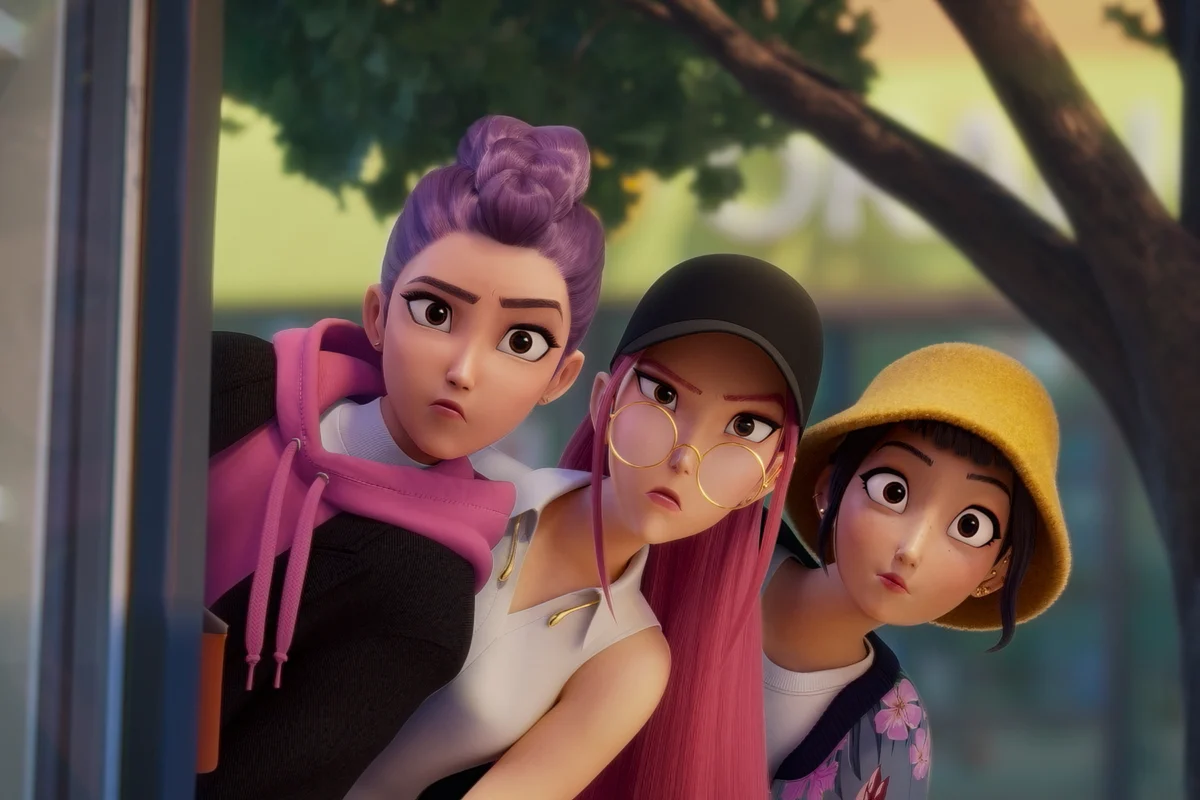
While the night saw a diverse array of talent walk away with top honors, the evening was anchored by the undeniable cultural dominance of the smash hit "Golden." Taken from the soundtrack of the Netflix sensation KPop Demon Hunters, the track continued its historic awards run, clinching the Best Original Song category and further cementing its status as one of the most decorated compositions of the decade.
The Cultural Phenomenon: "Golden" and the Dominance of KPop Demon Hunters
The success of "Golden" is nothing short of unprecedented. Having already swept the Golden Globes, the Grammys, and the Academy Awards last winter, the track has become a global anthem. At the 2026 WSA, the song was recognized for its unique fusion of high-octane production and emotional resonance.
Written by a powerhouse collective including Kim Eun-jae, Mark Sonnenblick, Joong Gyu Kwak, Yu Han Lee, Hee Dong Nam, Jeong Hoon Seo, and Teddy Park, the song was brought to life by the supergroup HUNTR/X—comprised of EJAE, Audrey Nuna, and REI AMI. Its eight-week reign atop the Billboard Hot 100 earlier this year provided the foundation for its critical success. By winning the World Soundtrack Award, "Golden" has officially joined the pantheon of elite cinematic music, bridging the gap between mainstream pop culture and high-concept film scoring.
Chronology: A Weekend of Sonic Innovation in Ghent
The 2026 World Soundtrack Awards were not merely a gala ceremony; they represented the culmination of a three-day intensive summit. Film and music professionals from across the globe descended upon Ghent to participate in a rigorous schedule of masterclasses, workshops, and panel discussions focused on the evolution of film scoring.
The event, held in the atmospheric Music Centre De Bijloke, offered a rare glimpse into the collaborative nature of the industry. Industry leaders discussed the shifting boundaries between sound design and music, the integration of AI in composition, and the increasing importance of cross-cultural musical collaboration—a theme epitomized by the success of KPop Demon Hunters.
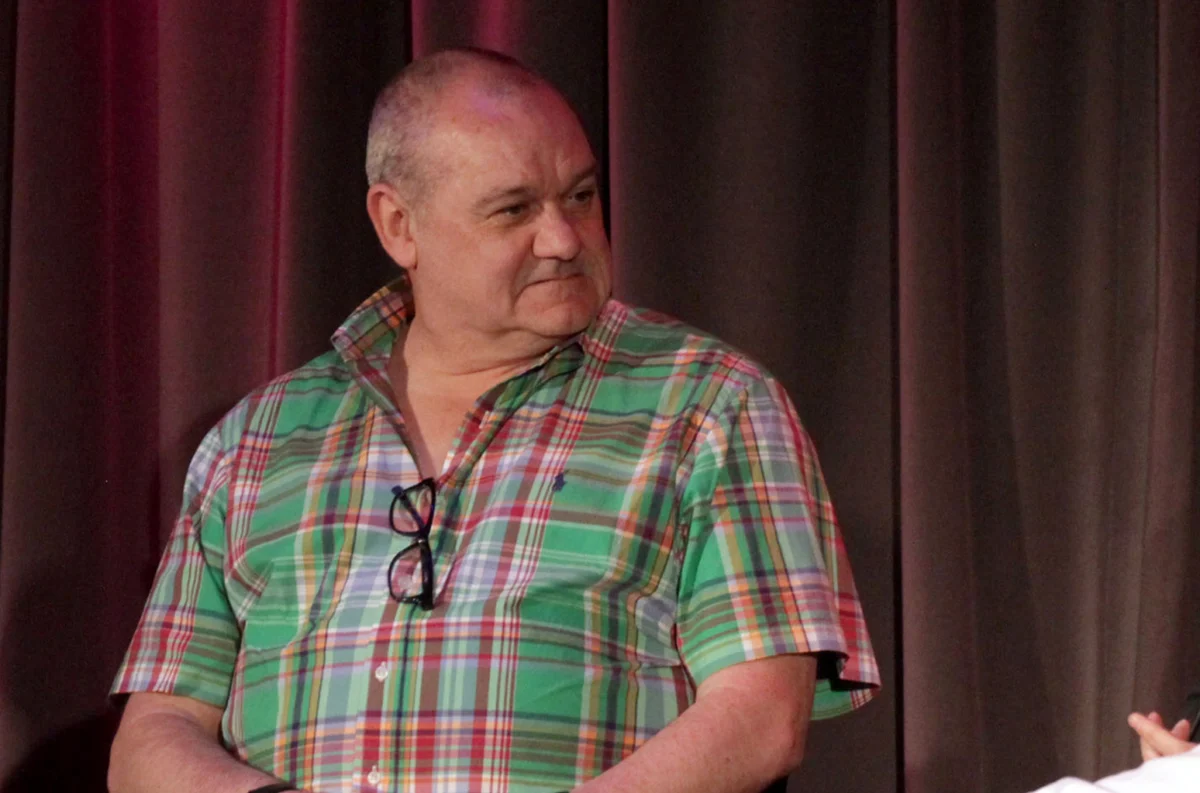
The final day reached a crescendo with the official awards ceremony. The evening was punctuated by a breathtaking live concert featuring the Brussels Philharmonic, under the masterful direction of conductor Dirk Brossé. The program highlighted the career of guest of honor Hildur Guðnadóttir and celebrated the lifetime achievement of the legendary composer Trevor Jones.
The Heavyweights: Composer of the Year Accolades
Beyond the pop-culture phenomena, the WSA ceremony serves as the ultimate barometer for technical excellence in scoring. This year, the competition in the "Composer of the Year" categories was fiercer than ever, reflecting a banner year for cinematic output.
British composer Daniel Pemberton took home the top honor of Film Composer of the Year. His work over the last twelve months has been nothing short of prolific, encompassing the high-stakes science fiction of Project Hail Mary, the nuanced tension of The Drama, the animated exuberance of The Bad Guys 2, and the epic scope of Masters of the Universe. Pemberton’s ability to pivot between vastly different sonic landscapes has made him one of the most sought-after names in the industry.
In the television arena, the award for Television Composer of the Year was bestowed upon Jeff Russo. His contributions to the small screen this year were pivotal, with his work on Alien: Earth, the revival of Cape Fear, and the second season of the high-octane Citadel showcasing his mastery of suspense, atmospheric building, and character-driven melodic motifs.

Supporting Data: The 2026 Winners Circle
The following is a comprehensive breakdown of the winners recognized by the World Soundtrack Academy for their contributions to the medium:
Major Categories
- Film Composer of the Year: Daniel Pemberton (Project Hail Mary; The Drama; The Bad Guys 2; Masters of the Universe)
- Television Composer of the Year: Jeff Russo (Alien: Earth; Cape Fear; Citadel Season 2)
- Best Original Song: "Golden" from KPop Demon Hunters (Performed by HUNTR/X)
- Best Original Composition by a Young Composer: Xabier Doural García
- Discovery of the Year: Hannah Peel (Midwinter Break)
- Public Choice Award: Soy Frankelda (Score by Kevin Smithers)
- Game Music Award: Cthulhu: The Cosmic Abyss (Score by Nicolas Garcia)
- Belgian Film Composer of the Year: Margaret Hermant (A la cara; Mallorca Confidencial)
- Lifetime Achievement Award: Trevor Jones
Implications: Where the Industry Goes from Here
The results of the 2026 World Soundtrack Awards signal several key trends for the future of film music.
1. The Blurring of Boundaries
The victory of KPop Demon Hunters in the Best Original Song category highlights the industry’s increasing reliance on genre-bending music to drive film marketing and audience engagement. As streaming services become the primary home for global cinema, the soundtrack has become as essential to a film’s success as the cast or director.
2. The Rise of Global Scoring
The recognition of composers like Daniel Pemberton and the inclusion of diverse nominees from across Europe and Asia underscore that film music is no longer tethered to a single geographic hub. The WSA continues to act as a bridge, ensuring that talent from non-Hollywood territories receives the international visibility necessary to sustain long-term careers.
3. The Gaming Frontier
The inclusion and celebration of the Game Music Award—won this year by Nicolas Garcia for Cthulhu: The Cosmic Abyss—reflects the maturation of the video game medium as a peer to cinema. As game budgets rival those of major studio blockbusters, the complexity and production value of their scores are being held to the same standard as those in the world of film.
4. Technical Sophistication and Sustainability
The focus on "Discovery of the Year" and "Young Composer" awards emphasizes the industry’s commitment to nurturing the next generation. Hannah Peel’s win for Midwinter Break highlights a shift toward composers who prioritize emotional depth and experimental instrumentation over traditional, bloated orchestral arrangements.
Official Responses and Industry Outlook
While the winners celebrated, the mood at the Music Centre De Bijloke was one of reflection. In his acceptance speech for the Lifetime Achievement Award, Trevor Jones spoke to the endurance of the craft, noting that despite the technological advancements in sound, the fundamental goal remains unchanged: "to provide the heartbeat of the narrative."
Industry professionals in attendance expressed optimism regarding the state of the art. The panels during the week-long summit suggested that while AI remains a topic of hot debate, the "human touch"—the idiosyncratic choices that define a composer like Pemberton or Russo—remains irreplaceable.
Conclusion
The 2026 World Soundtrack Awards served as a poignant reminder of the power of music to shape our cinematic experience. From the global dominance of "Golden" to the intricate, character-driven scores of Daniel Pemberton and Jeff Russo, the winners of this year’s ceremony represent the best of a medium that continues to evolve. As the industry looks toward 2027, the standard set in Ghent remains clear: whether in the dark of a theater or the intimacy of a television screen, the score remains the invisible soul of the story.