In the high-stakes world of elite hospitality, atmosphere is everything. For the members of Vancouver’s prestigious Terminal City Club (TCC), the experience of dining and conducting business is defined not just by the quality of the cuisine or the exclusivity of the venue, but by the comfort of the environment. However, when a modern renovation inadvertently turned a sophisticated dining room into an echo chamber, the club’s leadership faced a critical challenge: how to restore the acoustic integrity of a world-class space without compromising its award-winning aesthetic.
The solution, provided through a bespoke collaboration between industry-leading acoustic specialists Primacoustic and AV integrator Paramount Automation, serves as a masterclass in “invisible” engineering—where sound is mastered, but the design remains untouched.
The Acoustic Dilemma: When Design Outpaces Functionality
Iain Fletcher, the Director of Club Outlets at the Terminal City Club, understands the invisible architecture of a restaurant better than most. Located on the historic West Hastings Street, the TCC is a hub for Vancouver’s professional elite, serving as a sanctuary for business meetings, networking, and high-end dining.
For Fletcher, sound is a silent partner in the success of any venue. “I’ve been to some places in the city with thoughtful acoustic treatment, and the experience is memorable,” Fletcher explains. “But there are also restaurants I might not return to because they’re just too loud. And I can’t help but think how often others feel the same—but don’t tell the people running the restaurant.”
Following a recent renovation, the TCC began to notice a shift. The dining room, once a preferred destination for business lunches, saw a decline in repeat patronage. Despite the room’s stunning visual appeal, the renovation had replaced soft surfaces—such as carpets and traditional furniture—with hard, reflective materials. This design evolution, while visually striking, created a significant acoustic drawback: the loss of speech intelligibility. In a room filled with professionals attempting to hold confidential meetings, the resulting reverberation made clear communication nearly impossible.
A Proven Path: Seeking the Gold Standard
The turning point for the TCC came when Fletcher began researching professional acoustic remediation. His search led him to the work of Paramount Automation, a firm known for its surgical precision in AV integration, and their frequent partner, Primacoustic.
Fletcher was particularly struck by a case study involving Piva Restaurant in New Westminster. After seeing a “before and after” video showcasing the dramatic sonic transformation at Piva—a project also handled by Paramount and Primacoustic—Fletcher knew he had found his solution. “One of our previous managers had actually started working at Piva,” Fletcher notes. “Seeing his comments and the video showing how it sounded and looked, we thought we’d give it a shot.”
The mandate was clear but incredibly demanding: the club required a radical improvement in sound control, but the aesthetic had to remain identical to the award-winning design that the members were accustomed to. The goal was to ensure patrons could “hear the difference, but not see the difference.”
Engineering Excellence: The Art of Disguised Acoustics
To meet these dual requirements, the team at Paramount Automation, led by founder Drew Campbell and “resident craftsman” Marty Nightingale, turned to a sophisticated arsenal of acoustic materials. The project relied heavily on Primacoustic’s versatile EcoScapes PET panels and studio-grade Broadway glass wool treatments.
The project was not a simple installation; it was an act of restoration. Nightingale faced a daunting environment filled with glass walls, structural design elements, delicate millwork, and lighting fixtures. "There were many limitations to where treatments could actually be placed," Nightingale recalls.
To overcome these, Nightingale and Dylan Bubel, Primacoustic’s Western Canada Sales Manager, collaborated on a strategy that balanced sonic physics with interior design.
The Dining Room Transformation
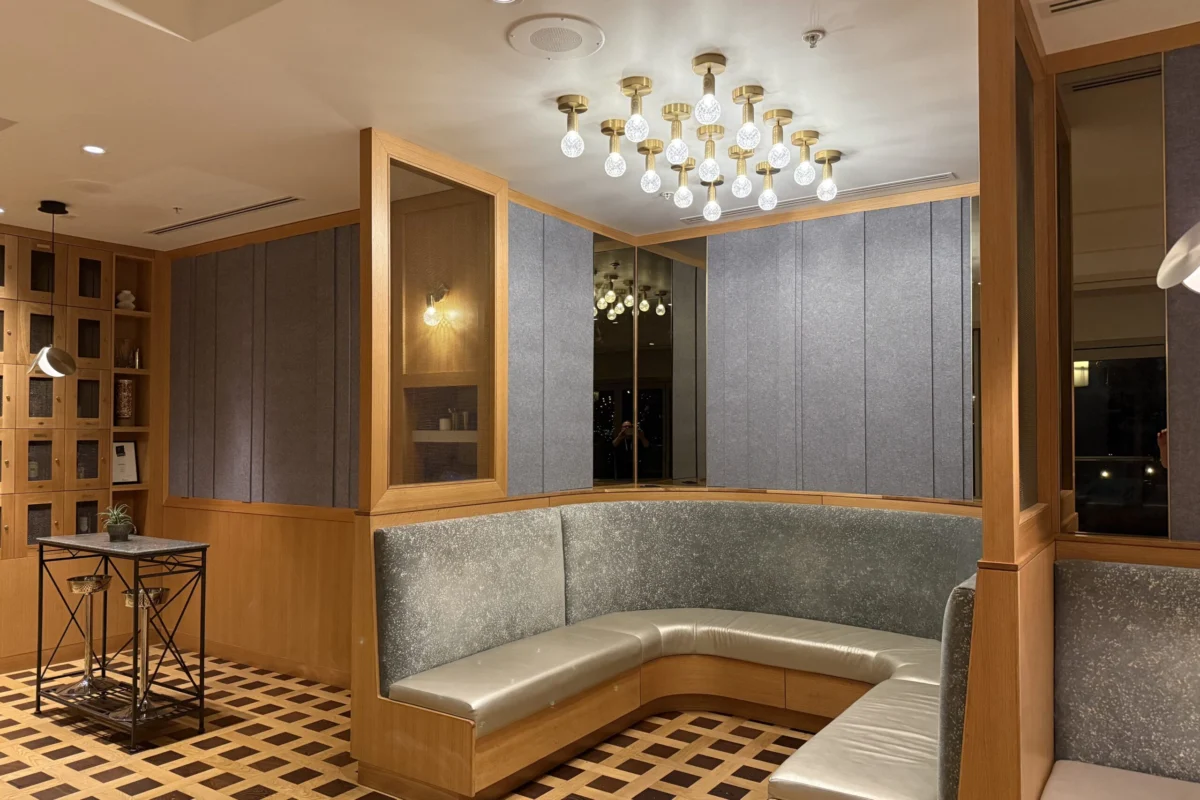
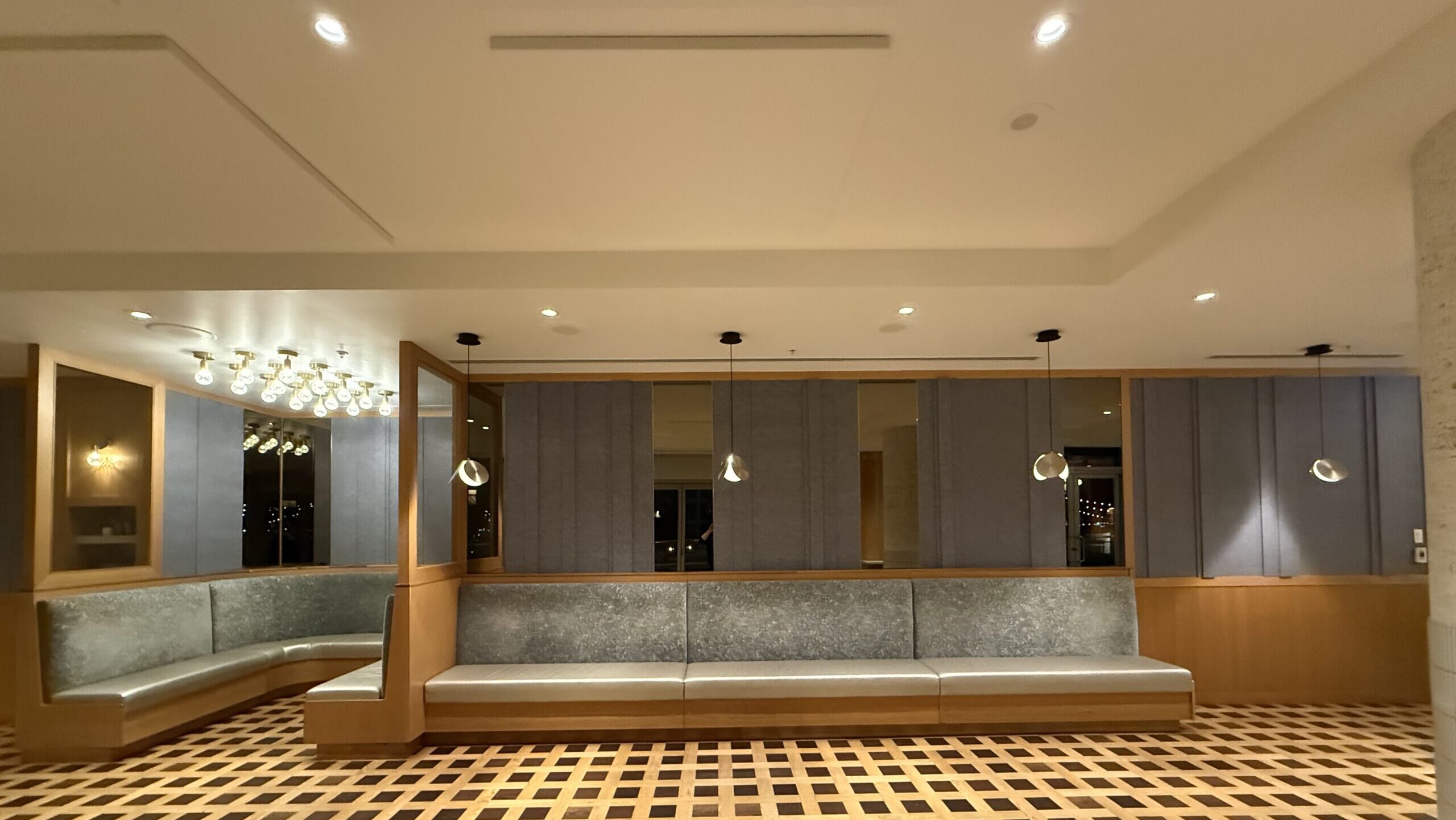
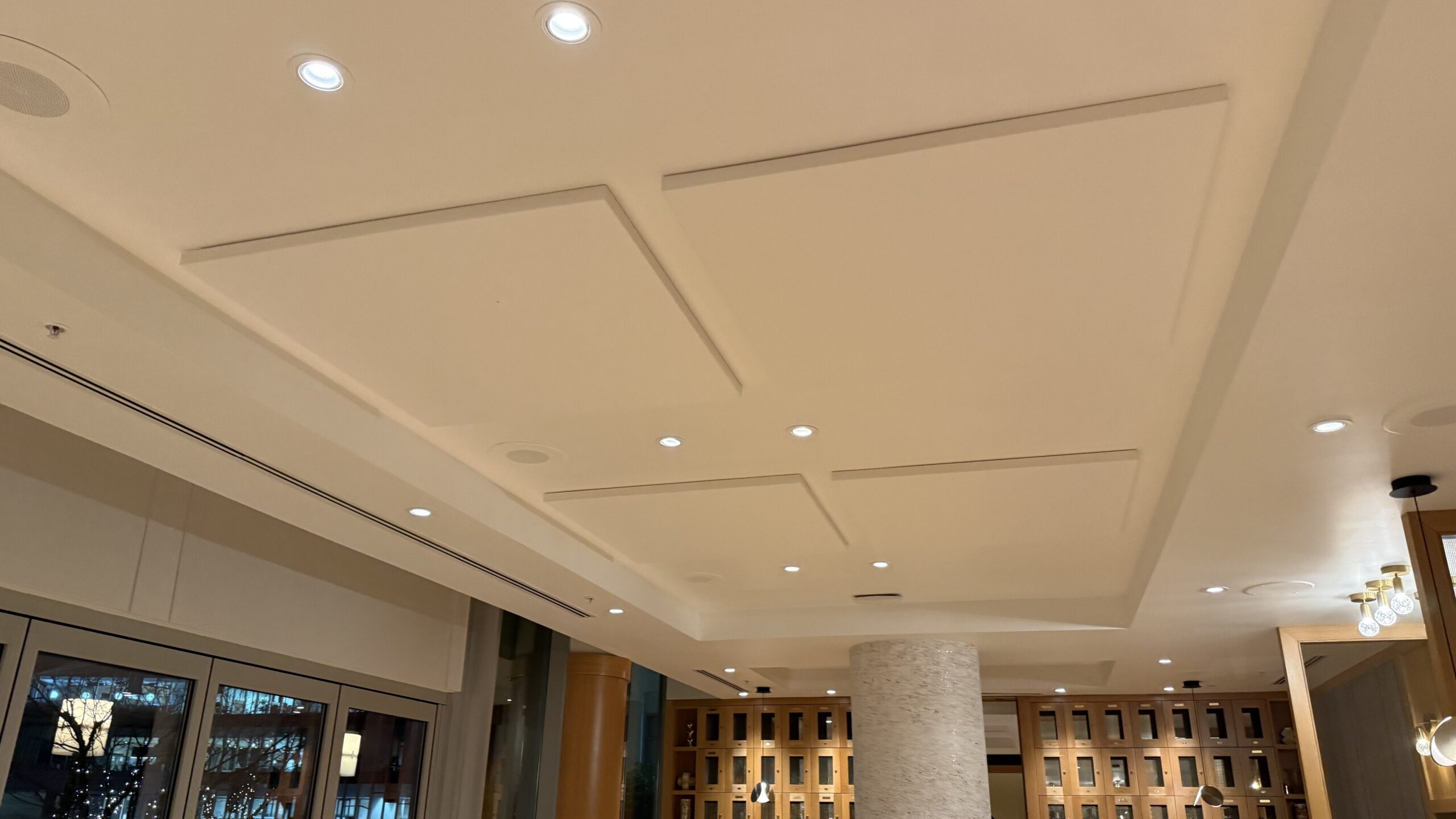
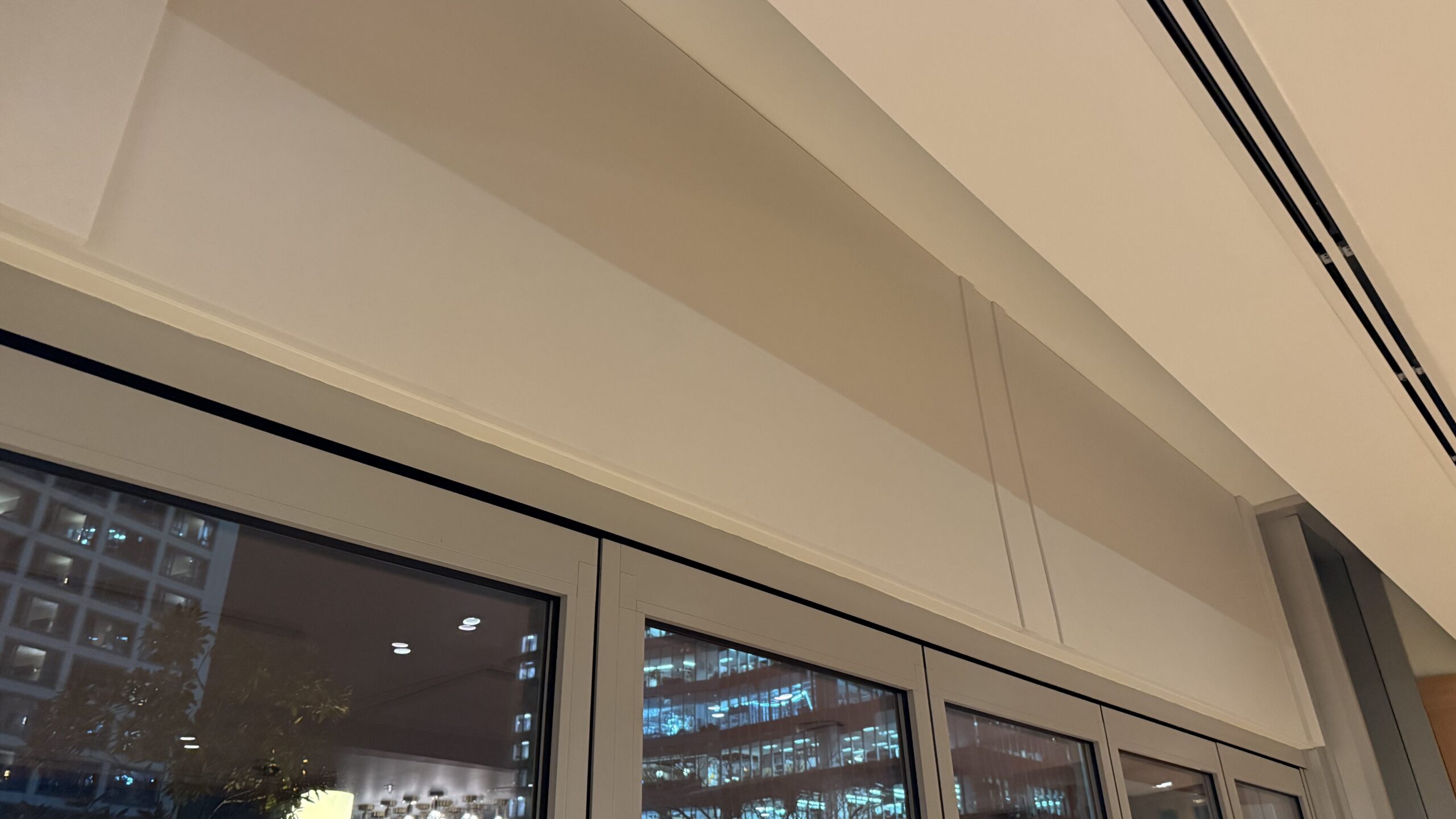
The dining area presented the most complex challenges. To combat floor-to-ceiling sound reflections, the team flush-mounted Broadway panels directly into the ceiling. To maintain the room’s clean, modern look, they utilized “Glacier” white EcoScapes panels on drywall sections above glass doors, effectively blending the treatment into the existing architecture.
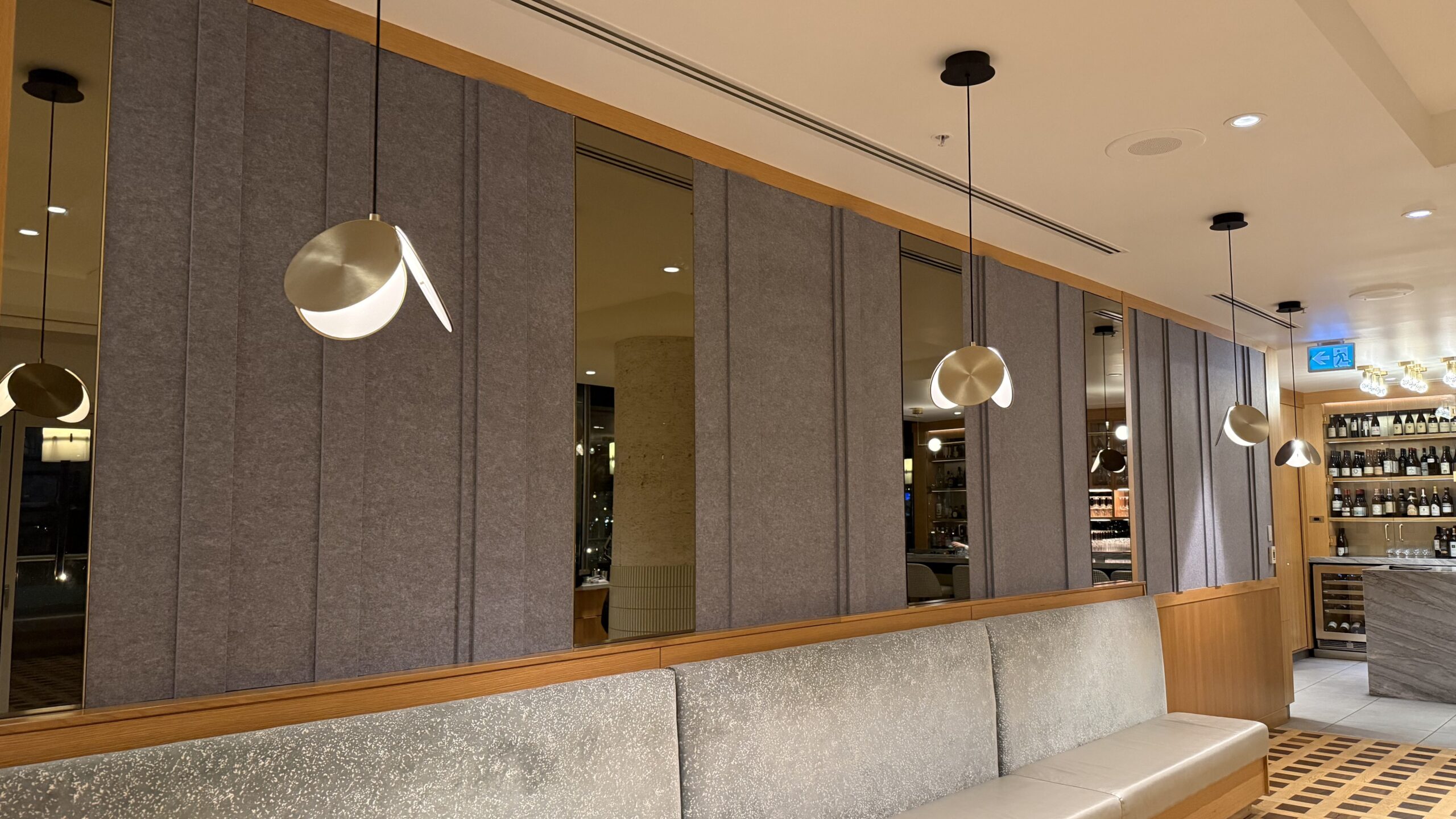
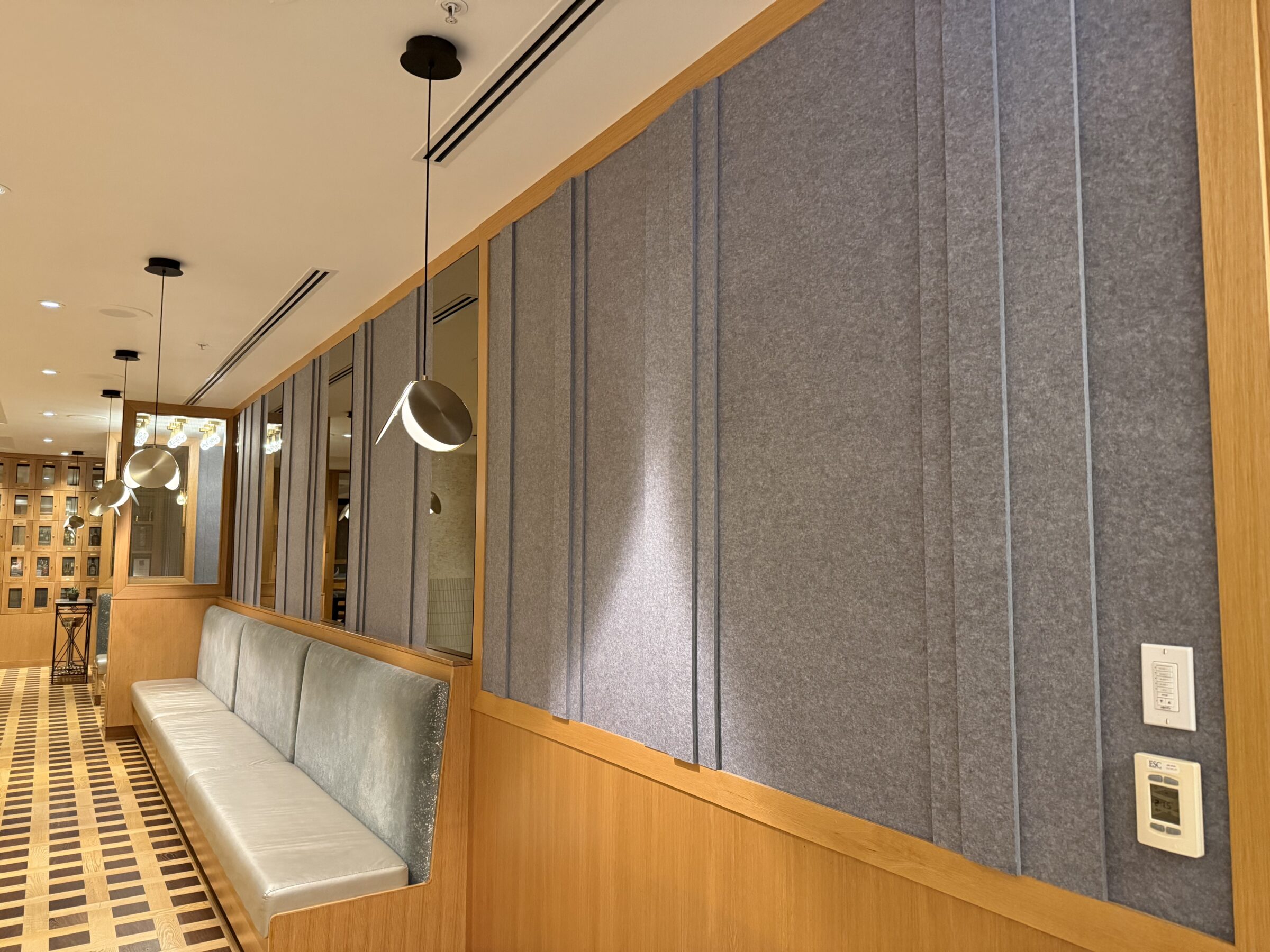
The most intricate portion of the project involved recreating a series of grey, felt wall features. Because these were located at eye level, any imperfection would be immediately visible. The team removed the original, ineffective felt and replaced it with a multi-layered PET system. By using two different thicknesses of “Slate” grey EcoScapes panels, they created a sculpted, three-dimensional effect that perfectly mimicked the original design while providing superior sound absorption.
Private Lounge Restoration
The private lounge offered even less “real estate” for treatment. With glass doors leading to a patio, decorative laminate, and a large television, there was little room for traditional panels. The team once again leveraged their custom-cutting capabilities, using a base layer of white EcoScapes topped with custom strips to replicate the room’s existing “coffered” ceiling look. By hiding the seams and integrating the panels into the architecture, they turned acoustic components into design features.
A Partnership Built on Shared Values
The success of the TCC project is a testament to the long-standing synergy between Primacoustic and Paramount Automation. In an industry where “good enough” is often the standard, both companies prioritize a level of detail that borders on the obsessive.
“At Paramount Automation, we’re outside-the-box thinkers,” says Nightingale. “It’s a perfect fit, because with both Paramount and Primacoustic, it’s like, ‘this is a challenge, not a problem—let’s figure it out.’”
Drew Campbell, the founder of Paramount Automation, echoes this sentiment. The relationship is built on a shared culture of feedback and continuous improvement. “We work well together because we’re like-minded,” Campbell explains. “Primacoustic is always open to feedback, which fosters a ‘how can we do this better’ approach.”
The Impact: Measuring the Invisible
Since the installation was completed, the feedback from members and staff has been overwhelming. The room, which once felt chaotic and overly bright, now possesses a sense of intimacy and calm.
“I have had people ask what we did and where the panels are,” Fletcher says. “They’ve noticed a difference in sound, but haven’t seen a difference in the room’s look.”
The implications for the club have been tangible. The “unbearable echo” has been replaced by a soft, comfortable murmur of voices, restoring the room’s utility for high-level business meetings. Furthermore, Fletcher has been able to increase the volume of the ambient music, adding a new layer of sophisticated atmosphere that was previously impossible due to the room’s poor acoustics.
Conclusion: Setting a New Standard for Hospitality
The Terminal City Club project serves as a compelling reminder that acoustic design is a vital component of the customer experience. By prioritizing sound, the TCC has not only protected its investment in interior design but has also ensured that its members remain comfortable, productive, and satisfied.
For restaurant owners and facility managers, the lesson is clear: you do not have to choose between acoustics and aesthetics. Through the use of modern materials like PET panels and the expertise of skilled integrators, it is possible to create environments that sound as good as they look.
As the industry moves toward more open-concept, hard-surface designs, the demand for invisible acoustic solutions will only grow. Projects like the TCC demonstrate that when technology meets craftsmanship, the result is more than just a quieter room—it is a better experience for everyone involved.
Are you looking to elevate the acoustic performance of your space without sacrificing its unique design? Visit Primacoustic.com to explore their wide range of product lines, including EcoScapes, Dimensional Baffles, and Contour Panels, or contact their expert team today to schedule a consultation.