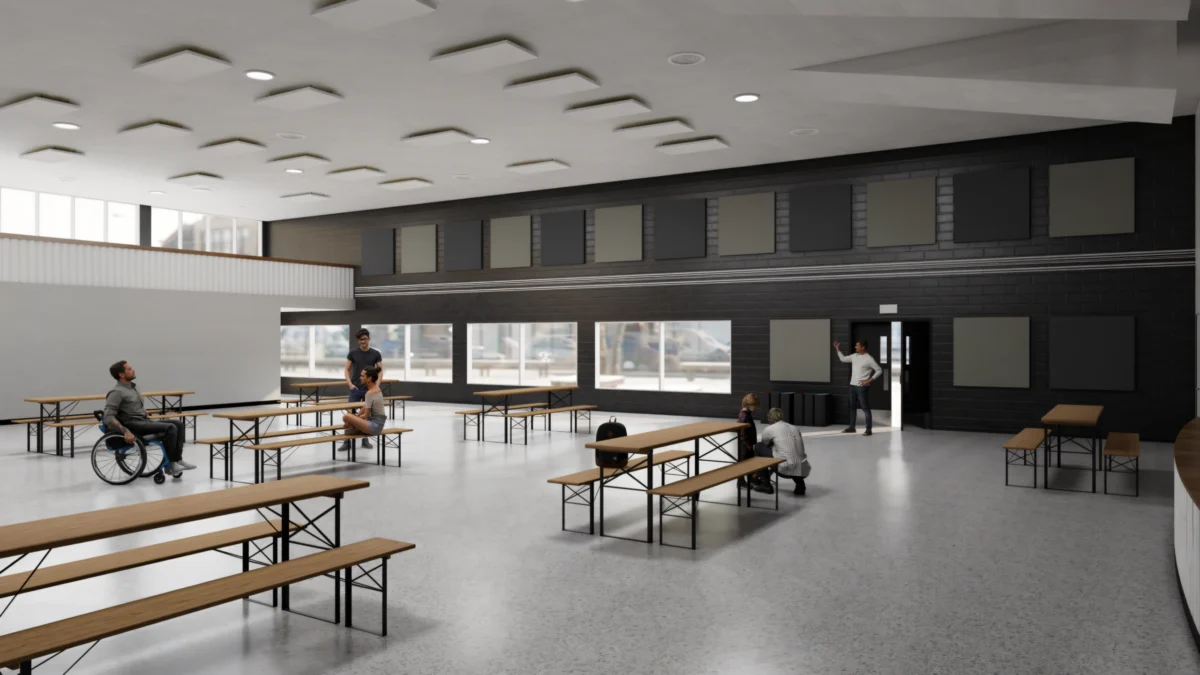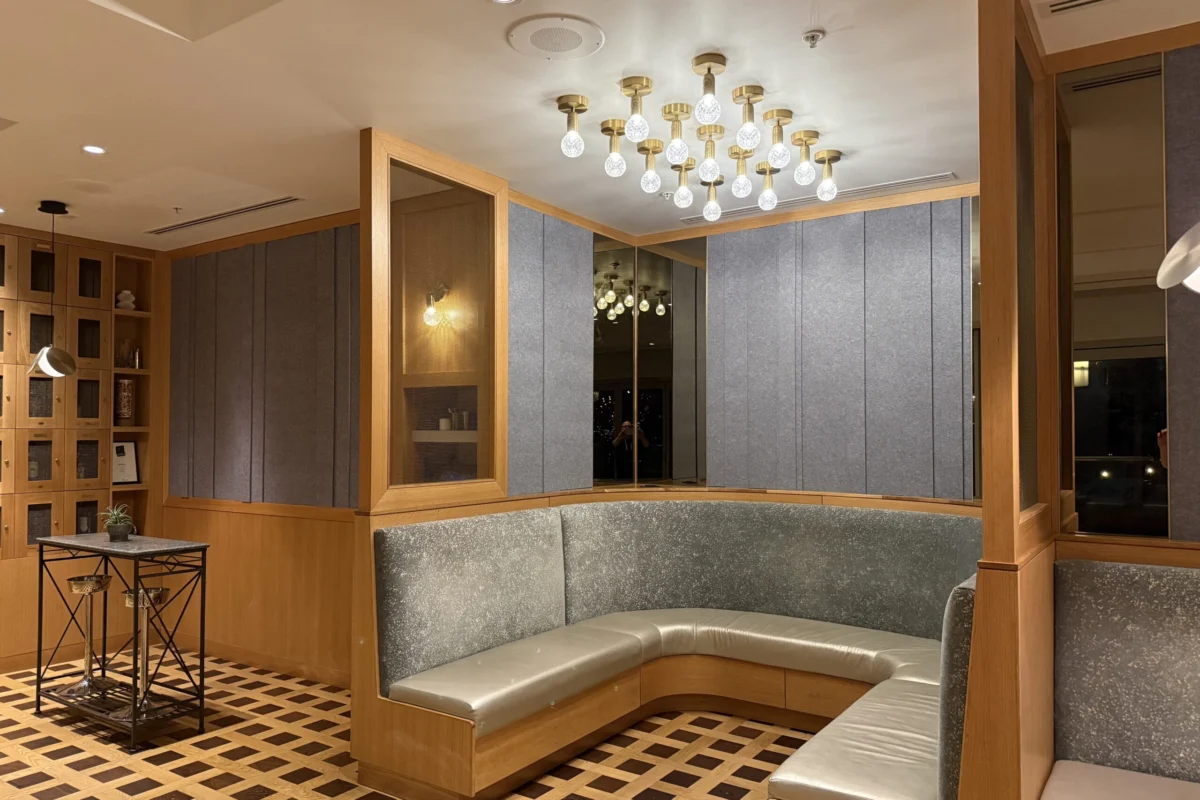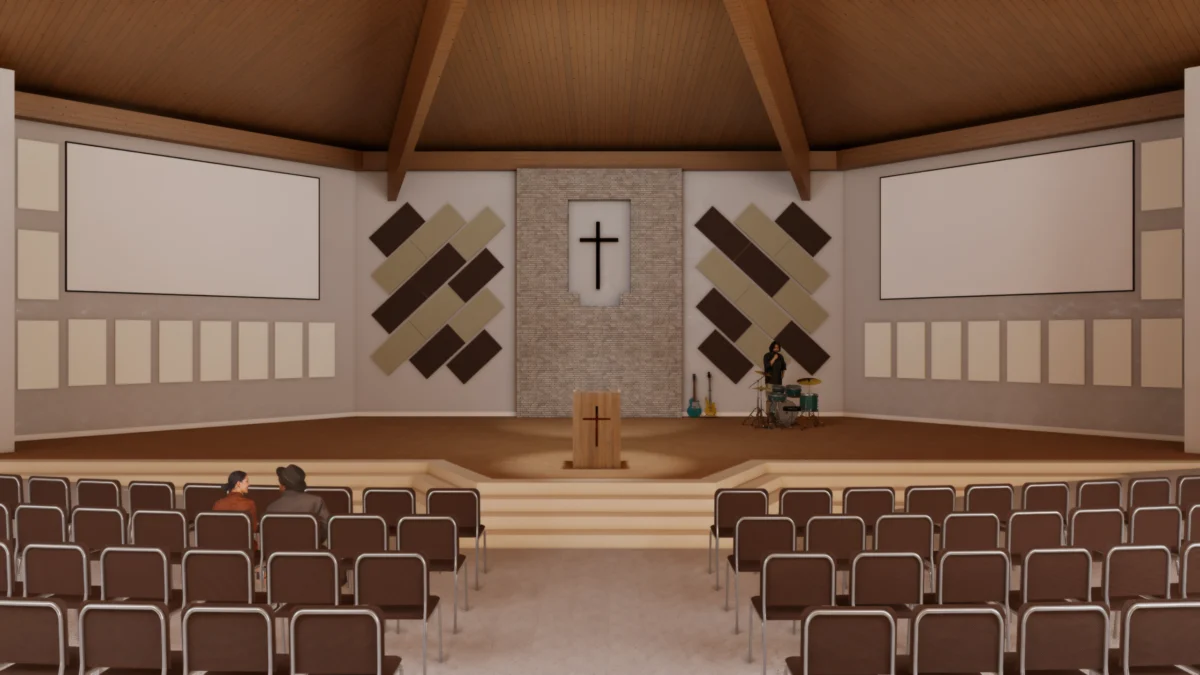
In the world of contemporary architecture, we often prioritize the visual—the clean lines of glass, the warmth of exposed timber, and the dramatic interplay of light and shadow. Yet, there is an invisible element that defines the success of a space more profoundly than any aesthetic choice: sound. As modern environments become increasingly dense and multifunctional, the "acoustic experience" has shifted from a technical afterthought to a core pillar of architectural design.
For architects, interior designers, and facility planners, the mandate is clear: design with sound in mind, or risk creating spaces that fail their users.
The Main Facts: The Growing Acoustic Imperative
The fundamental reality of modern construction is that form cannot exist without function. A building that looks stunning but functions poorly—where speech is unintelligible, noise fatigue is pervasive, and privacy is non-existent—is, by definition, a failed project.

The industry is currently facing a "retrofitting crisis." Too often, acoustic treatment is relegated to the final phase of a project, treated as a corrective measure rather than a design strategy. When a building is completed and occupants find the environment too loud or echoey, the budget is already exhausted, and the aesthetic integrity of the space is compromised by forced, post-construction additions.
Primacoustic, a leader in acoustic innovation, argues that early integration is the only path forward. By incorporating acoustic planning during the schematic design phase, architects can ensure that sound control solutions—ranging from absorption panels to ceiling baffles—are woven into the architectural fabric rather than glued on as an afterthought.
Chronology: The Evolution of Sound in Built Environments
The history of acoustic design has moved through several distinct phases, reflecting the changing nature of how we use our buildings.

- The Pre-Modern Era: Acoustics were largely handled through geometry. Architects relied on the physical shape of a room—such as the parabolic curves of cathedrals or the shoebox designs of traditional concert halls—to manage sound reflection and projection.
- The Mid-Century Functionalist Shift: As materials like concrete, steel, and large-format glass became the standard, the "echo chamber" effect became a modern plague. Acoustics were often ignored in favor of the industrial aesthetic.
- The Late 20th Century Awareness: The rise of open-plan offices and high-density urban living brought noise pollution to the forefront of human resource complaints. The focus shifted toward standard noise-reduction coefficients (NRC) and the basic application of acoustic foam.
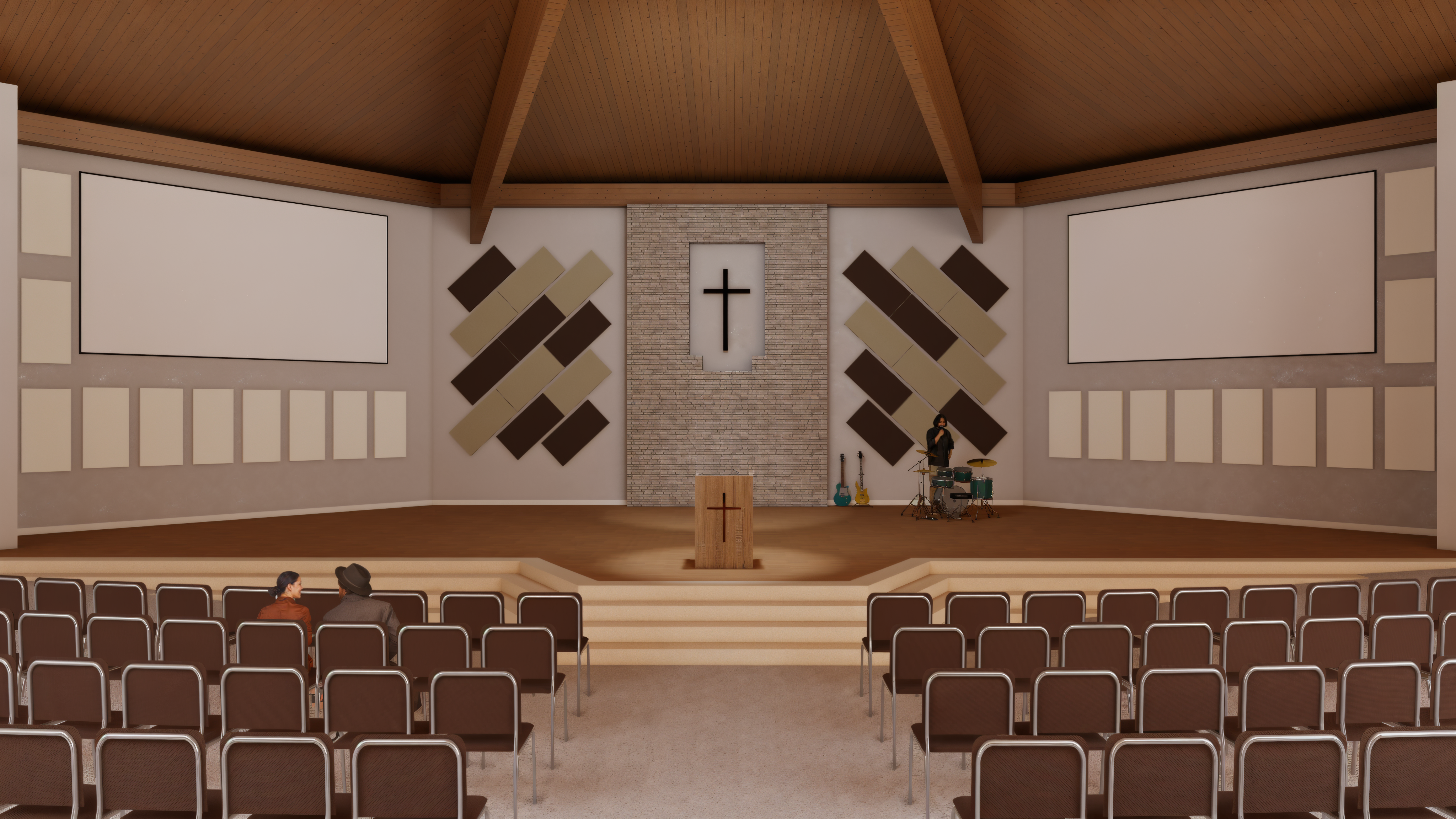
- The Current Integrated Era: Today, we are seeing the rise of "Acoustic Design Language." Sound control is no longer just about technical metrics; it is about artistry. Acoustic panels are now being manufactured as sculptural elements, printable canvases, and sustainable design features that enhance, rather than detract from, the interior environment.
Supporting Data: The Cost of Silence (or Lack Thereof)
The argument for acoustic planning is backed by cold, hard data. Neglecting sound is not just an aesthetic oversight; it is a measurable economic and health liability.
1. The Restaurant Noise Epidemic
According to recent industry data, including findings from the Zagat survey, noise is the number one complaint among restaurant patrons, accounting for 25% of all negative feedback. When diners cannot hear their companions, the "vibrancy" of a restaurant quickly devolves into cacophony. This leads to reduced dwell time, lower check averages, and higher staff turnover—as employees struggle to communicate in high-decibel environments.
2. Educational Outcomes
In the classroom, the math is indisputable: better sound equals better learning. Studies consistently demonstrate a direct correlation between high reverberation times and diminished speech intelligibility. When students cannot clearly hear their teachers, cognitive load increases, and information retention plummets. By treating as little as 17% to 20% of a classroom’s wall surfaces, architects can dramatically improve speech clarity, directly impacting student performance.
3. The Office Productivity Gap
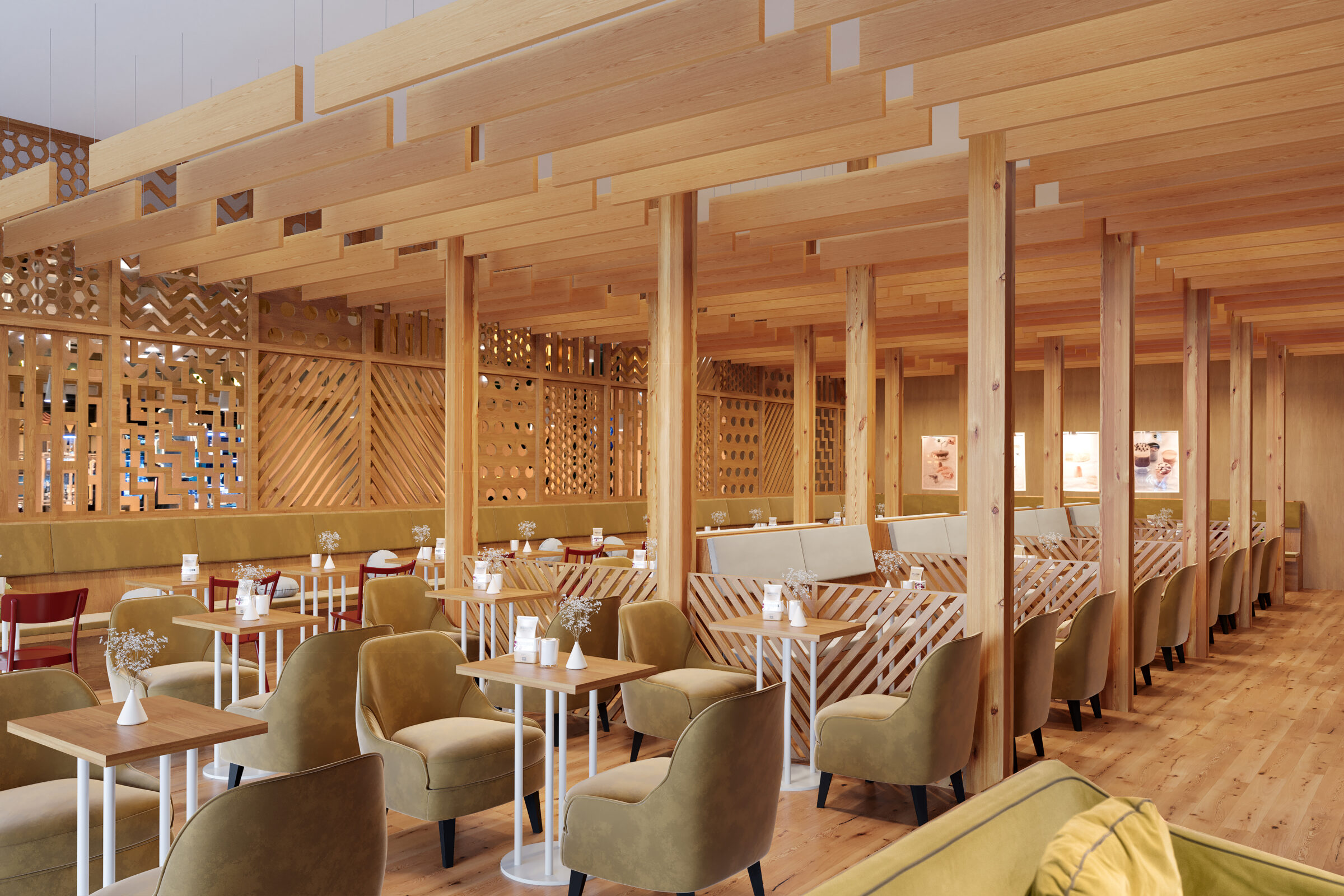
In corporate environments, noise fatigue is a silent productivity killer. The modern, open-office plan, while intended to foster collaboration, often results in a loss of focus. Research suggests that background noise is one of the leading contributors to worker stress. Primacoustic’s data indicates that treating 17% to 25% of wall space with broadband panels, paired with strategic ceiling treatments, can lower ambient noise to levels that restore worker focus and well-being.
Official Perspectives: The Primacoustic Philosophy
Primacoustic’s approach to this challenge is rooted in education. Recognizing that many architects may not have received extensive training in acoustic physics, the company has developed a robust suite of Continuing Education Units (CEUs).
"The better we understand the positive impact of early acoustic planning, the more likely we are to achieve the goals we hope for in any space," says a spokesperson for Primacoustic. Their curriculum focuses on teaching designers that acoustic solutions—such as their Archadia and Broadway series—are not just tools for sound control; they are high-end design elements.

By shifting the conversation from "soundproofing" (which implies a total barrier) to "acoustic treatment" (which implies management of sound energy), Primacoustic is helping professionals move toward a more sophisticated design language. They emphasize that today’s panels can be painted, printed with custom patterns, or shaped into architectural features that complement a brand’s identity.
Implications: The Future of Architectural Practice
The implications of this shift are profound for the architectural community. We are moving toward a future where "Acoustic Wellness" will likely be a standard benchmark in building certifications, much like LEED or WELL certifications for energy and air quality.
Seamless Integration
The future of design lies in the "hidden" or "integrated" solution. We are seeing a move toward ceiling baffles that double as lighting fixtures and wall panels that serve as decorative focal points. When acoustic planning is part of the initial budget, these features are integrated with HVAC and lighting systems, resulting in a cleaner, more intentional finish.
The Financial Advantage
Early planning is not just better for the ears; it is better for the wallet. Retrofitting a completed space requires additional labor, material waste, and potential site closures to facilitate installation. By contrast, integrating acoustics during construction is a streamlined process. It requires fewer total panels because the materials are placed at the source of reflection before the furniture and finishes are added.
A Holistic Approach to Human Experience
Ultimately, the goal of the architect is to create environments that improve the human condition. We design for the eyes, but we live in our environments through our ears. A space that is quiet and clear is a space where people feel comfortable, productive, and valued.
As we look toward the future, the integration of sound design will separate the high-performance building from the obsolete. It is a trend that is not merely passing; it is the maturation of the architectural profession.

Conclusion: Designing with Sound in Mind
The "to-do later" mentality toward acoustics is a relic of a less demanding era. In today’s high-density, experience-driven market, noise control is a non-negotiable requirement for successful architecture.
For those looking to bridge the gap between design theory and practical application, the path is clear: invest in education, prioritize acoustic planning at the onset of every project, and treat sound as the essential design material it is.
To further explore the science of sound and gain professional insights, architects and designers are encouraged to visit the Primacoustic Content Library or enroll in their AIA-certified Lunch & Learn CEU courses.