"We wouldn’t teach reading in a classroom without lights. Why then do we teach in acoustical darkness?" – John Erdreich, PhD
In the modern educational landscape, we pour billions into digital infrastructure, curriculum reform, and teacher training. Yet, we frequently ignore the most fundamental element of the learning environment: the ability to hear. For millions of students worldwide, the classroom is an environment of "acoustical darkness," where the struggle to decipher speech amidst echoes and background noise turns a simple lesson into an exhausting cognitive marathon.
The Architecture of Sound: Defining the Problem
To the untrained eye, a classroom is a static space—a collection of desks, chairs, and a whiteboard. To an acoustic engineer, it is a complex, often hostile, sonic environment. Most contemporary classrooms are designed with durability and hygiene in mind, resulting in an abundance of hard, reflective surfaces. Large windows, linoleum or polished concrete floors, and bare walls act like mirrors for sound, bouncing audio waves back and forth.
This phenomenon, known as reverberation, turns crisp, intelligible instructions into a muddy, indecipherable wash of noise. When sound waves bounce off multiple surfaces, they overlap, masking the fine details of speech. In a typical untreated classroom, students may miss as many as one in every four words spoken by their teacher. For a child, whose brain is still developing the neurological pathways required to distinguish speech from noise, this "acoustic fatigue" acts as a silent ceiling on academic potential.
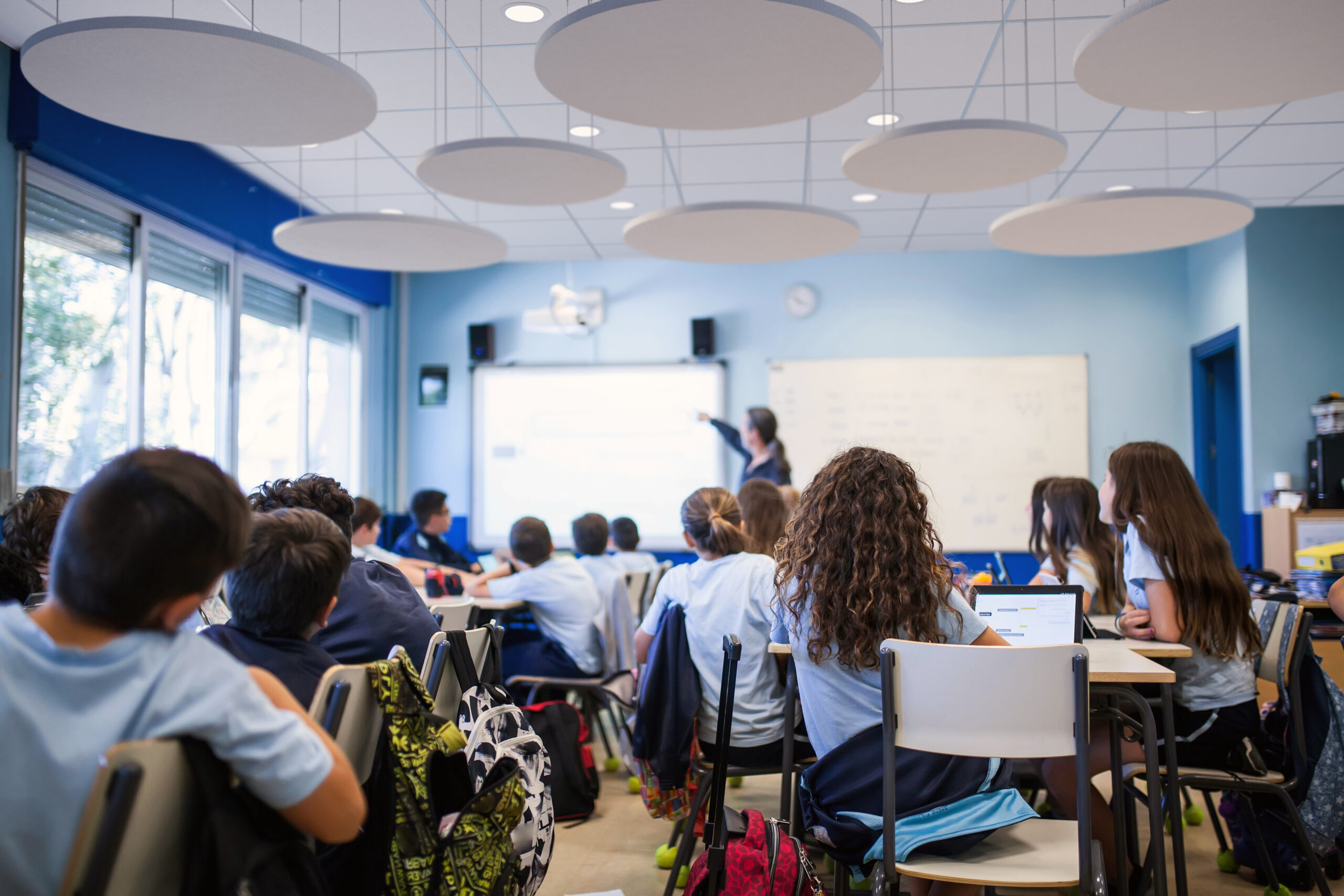
A Century of Neglect: A Chronology of Acoustic Awareness
The history of acoustic research in schools is surprisingly long, yet the implementation of solutions has been glacial.
- The Early 20th Century: Researchers first began documenting the relationship between room volume, surface materials, and speech intelligibility. Even in the 1920s, studies noted that echoes in lecture halls hindered comprehension.
- The Mid-Century Shift: As school architecture moved toward the "industrial" style—emphasizing cost-effective concrete and glass—acoustics were largely sidelined in favor of structural economy.
- The 1990s-2000s: The rise of inclusive education highlighted the crisis. Educators began to realize that for students with Auditory Processing Disorder (APD), hearing loss, or English as a second language, the "typical" classroom was effectively a barrier to education.
- The Present Day: We are currently in a period of reckoning. With standardized testing becoming the primary metric for school success, the correlation between poor sound quality and low performance has become impossible to ignore. Organizations like the Acoustical Society of America (ANSI) have codified standards, yet the majority of aging school infrastructure remains "unfit for purpose."
Supporting Data: The High Cost of Silence
The evidence against the status quo is overwhelming. Data provided by the Acoustical Society of America (ANSI) reveals a staggering gap between reality and recommendation. The standard for an optimal classroom reverberation time is 0.7 seconds. In many standard, untreated classrooms, that time climbs to 1.9 seconds—nearly triple the recommended threshold.
This data is not just academic; it has real-world consequences:
- Cognitive Load: When a student has to strain to hear, the brain diverts resources from "higher-level thinking" (comprehension, critical analysis, creativity) to "decoding" (the physical act of identifying words). This leads to rapid fatigue.
- The Stress Factor: Increased cortisol levels have been observed in students in noisy, echo-heavy environments. Stress directly inhibits the hippocampus, the area of the brain responsible for memory formation.
- The Teacher’s Toll: Teachers are 32 times more likely than other professionals to suffer from chronic vocal strain. The "Lombard Effect"—the involuntary tendency of speakers to increase their vocal effort in the presence of noise—is a silent killer of teaching careers, with roughly 50% of teachers reporting vocal disorders at some point in their lives.
The Fallacy of Amplification
A common misconception in school administration is that installing a PA system or microphone array solves the problem. While these tools allow a teacher to be "louder," they do not address the clarity of the sound.

In a highly reverberant room, turning up the volume simply increases the intensity of the echoes. It adds more energy to the space, creating a feedback loop of noise that masks consonants—the very parts of language that allow us to distinguish one word from another. As noted by experts at Primacoustic, amplification without acoustic treatment is like trying to fix a blurry photograph by turning up the brightness; the image is still out of focus, just brighter.
The Solution: The Science of Absorption
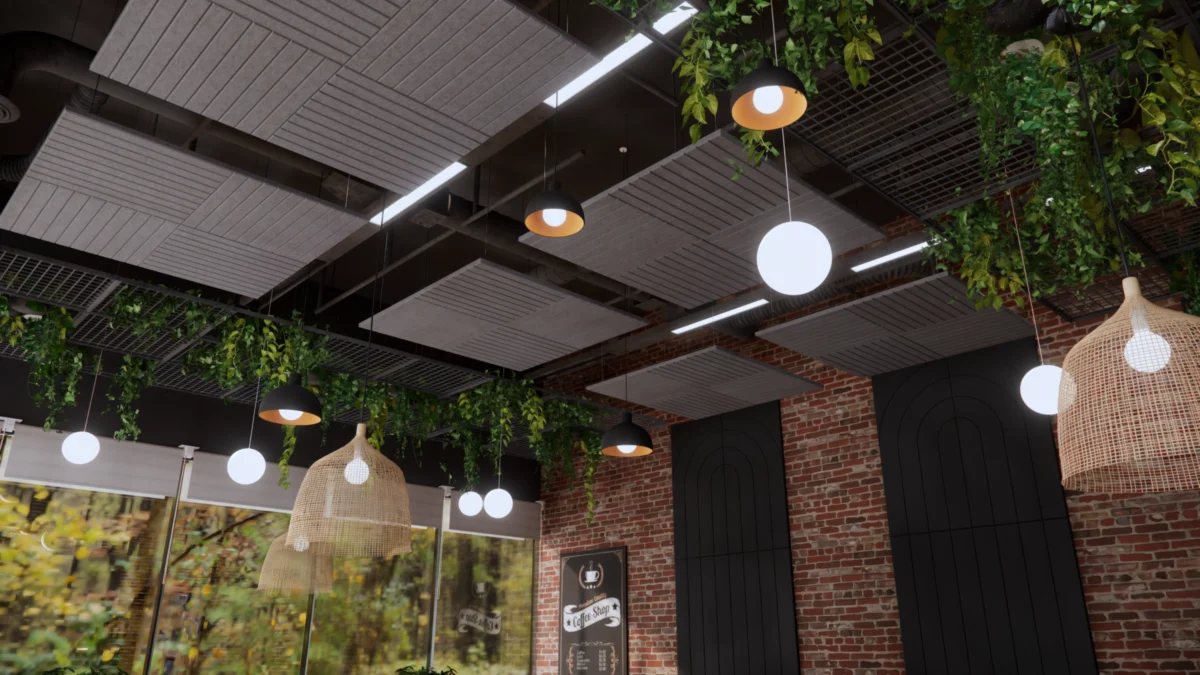
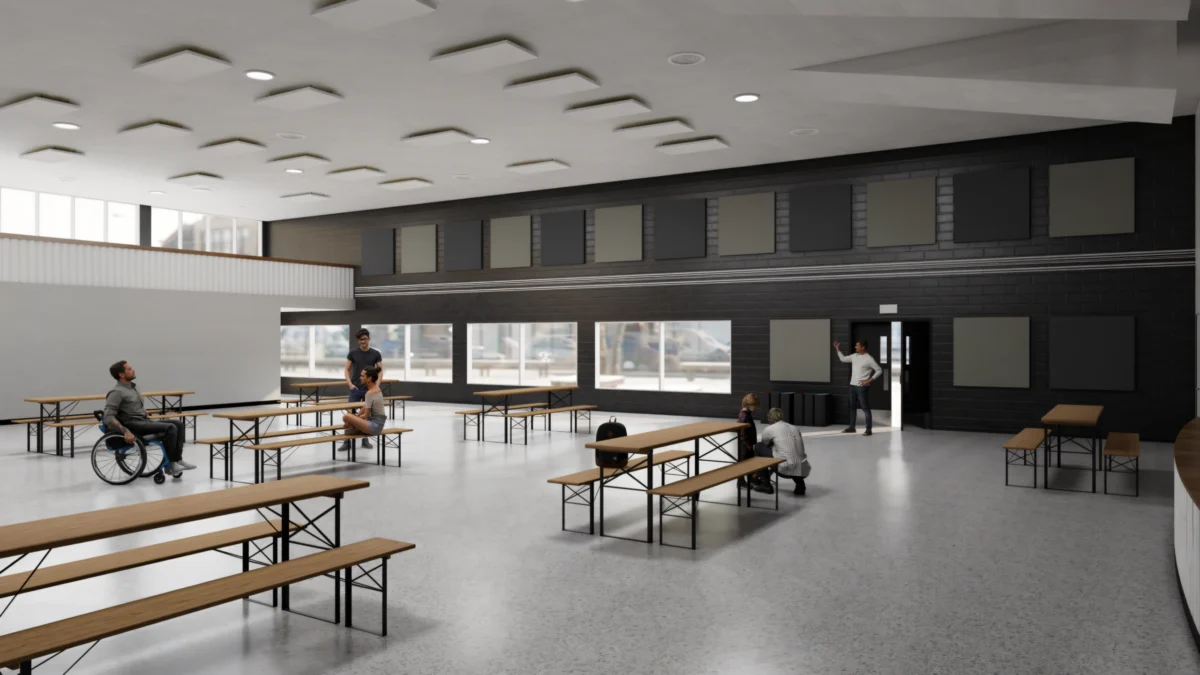
The fix is not found in electronics, but in physics. Acoustic treatment—specifically the strategic placement of sound-absorbing panels—is the gold standard for creating a high-performance learning environment.
By installing panels on walls and ceilings, schools can "soak up" the excess sound energy before it has the chance to reflect and create chaos. Covering as little as 17% to 25% of a room’s surface area can often bring reverberation times down below the 0.7-second target. This is a non-invasive, cost-effective, and permanent solution that requires no electricity and zero maintenance.
Implications for the Future of Education
The implications of treating classrooms are profound. Studies conducted in "optimized" classrooms show not only improved test scores but also better classroom behavior. When students are not struggling to hear, they are less likely to become frustrated, fidgety, or distracted. The environment shifts from one of friction to one of flow.

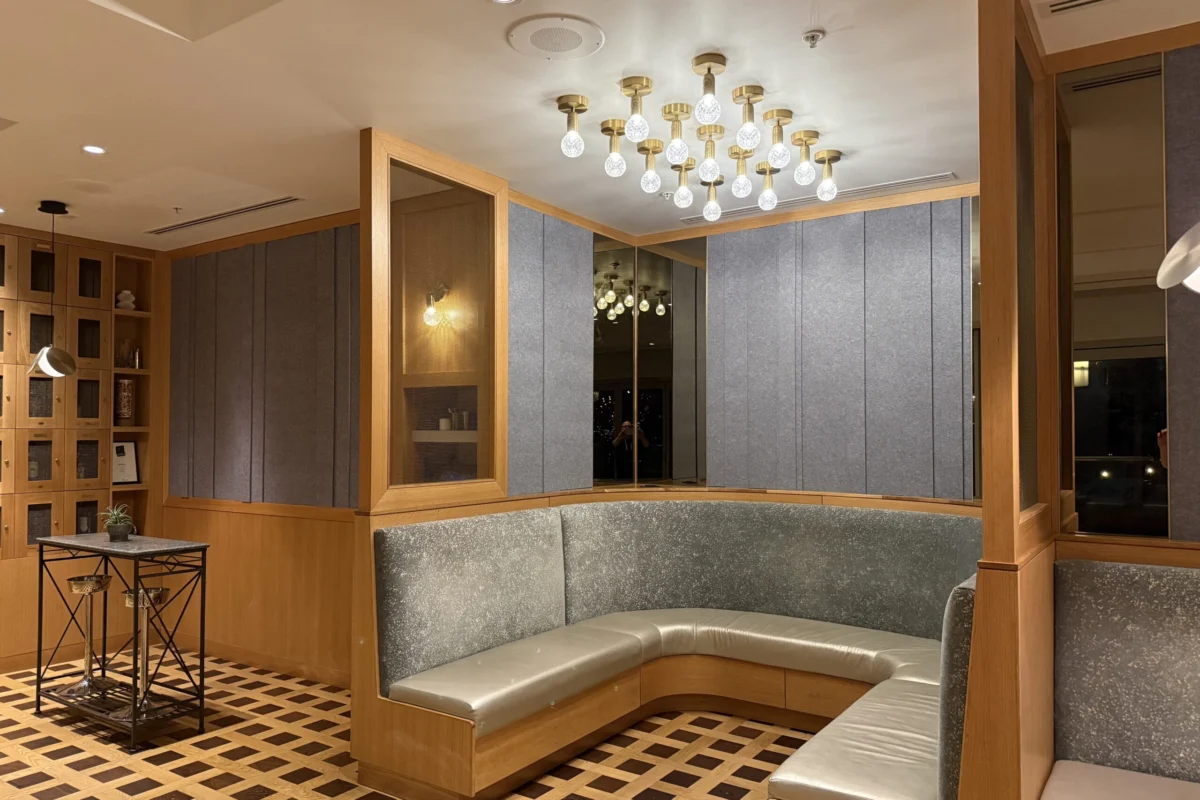
Furthermore, as we look toward the future of school design, sustainability is a major focus. Modern acoustic treatments are increasingly being manufactured from eco-friendly, sustainable materials. They are no longer the ugly, industrial foam squares of the past; today’s solutions can be integrated into the architecture itself. Panels can be printed with high-resolution educational graphics, school branding, or calming natural imagery, effectively turning a functional acoustic tool into a piece of visual art that enhances the classroom aesthetic.
A Call to Action for Administrators
The barrier to progress is often inertia. Many administrators operate under the belief that acoustic treatment is a luxury item reserved for recording studios or high-end theaters. However, the data confirms that acoustics are a basic requirement for the fundamental service schools provide: communication.
The path forward involves:
- Assessment: Schools should begin by commissioning an acoustic audit to identify reverberation hotspots.
- Prioritization: High-need areas, such as kindergarten classrooms (where language development is critical) and special education rooms, should be prioritized.
- Consultation: Engaging with experts who understand the intersection of education and acoustics is vital. Companies like Primacoustic have moved beyond selling products to providing turnkey support, assisting districts in navigating the complexities of installation and design.
Final Thoughts: The Right to be Heard
Every student has the right to an environment that supports, rather than hinders, their potential. By ignoring the "invisible architecture" of our schools, we are inadvertently handicapping our students and burning out our teachers.

The transition to acoustically optimized classrooms is one of the most cost-effective investments a district can make. It is a long-term, future-proof solution that pays dividends in student comprehension, teacher retention, and overall academic excellence. It is time to turn the lights on in the classroom—metaphorically and acoustically. After all, the goal of education is to ensure that every student, regardless of their background or learning style, has the opportunity to be heard.
For more information on how to assess your space and begin the transformation, visit Primacoustic.com.