While the great vinyl revival has dominated cultural conversations about physical music for well over a decade, a quieter, equally fascinating revolution is taking place in the background. The compact disc (CD)—the format that ushered the music industry into the digital age before being unceremoniously sidelined by MP3s and streaming—is making a robust and unexpected comeback.
Far from being a relic of late-90s nostalgia, the CD is experiencing a surge in steady sales, renewed manufacturing interest, and a dramatic spike in consumer curiosity. For audio enthusiasts and casual listeners alike, the format represents the sweet spot of physical ownership: tangible album art, liner notes, and uncompressed audio quality, all without the maintenance headaches and spatial footprints associated with vinyl records.
Main Facts: The Resurgence of the Compact Disc
The revival of the CD is no longer just an anecdotal observation among independent record store owners; it is backed by hard consumer data.
- Surging Interest: Internet search metrics highlight a profound shift in consumer behavior. Searches for the term "CD players" hit a dramatic five-year high last December, pointing to a wave of consumers dusting off old collections or investing in new hardware for the first time.
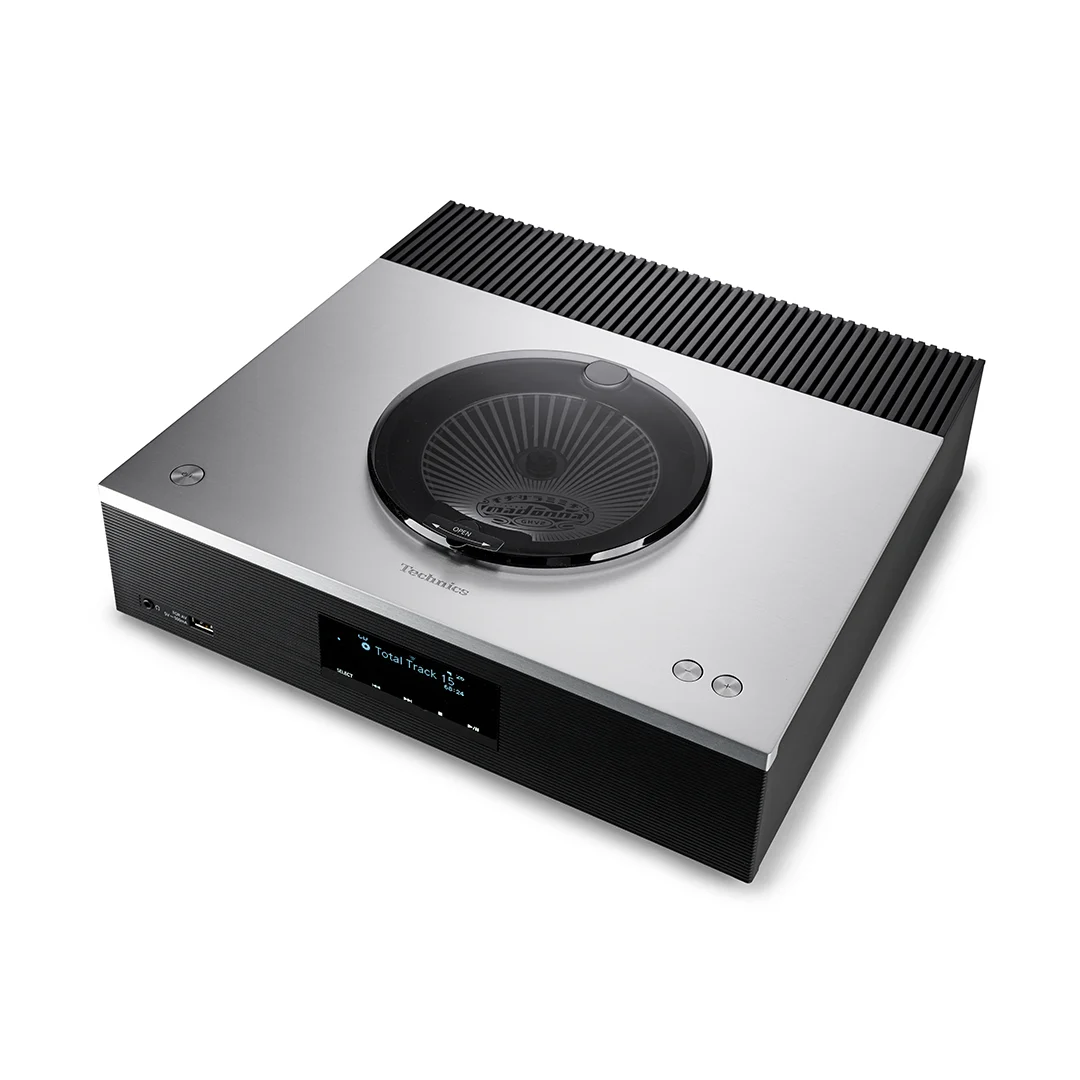
- Hardware Innovation: Rather than abandoning the format, major high-fidelity (hi-fi) audio manufacturers continue to research, develop, and release cutting-edge CD players and transports.
- Demographic Shift: The resurgence is being fueled by two distinct groups: older music enthusiasts returning to physical media for intentional listening sessions, and younger demographics—affectionately dubbed "Gen Z whippersnappers" by audio veterans—who are discovering the tactile joy of physical media outside of the vinyl ecosystem.
Audio critics and testing publications, such as What Hi-Fi?, have spent years championing the format, refusing to let the silver disc fade into obscurity. Today, that persistence is paying off as mainstream consumers look for alternatives to algorithmic streaming fatigue.
Chronology: From Digital Dominance to Streaming Exile and Back
To understand the current CD renaissance, it is helpful to look back at the format’s roller-coaster history over the past four decades.
1. The Digital Dawn (Early 1980s – 1990s)
Introduced commercially in 1982 through a joint venture by Sony and Philips, the Compact Disc revolutionized consumer audio. Promising "sound of the future" with pristine clarity, zero surface noise, and durability, CDs rapidly eclipsed vinyl records and cassette tapes. By the mid-1990s, the CD was the undisputed king of the global music market, transforming record labels’ profit margins and filling shelves worldwide.
2. The Compression Era and Digital Exile (Late 1990s – 2010s)
The turn of the millennium marked the beginning of the end for physical dominance. The rise of file-sharing software like Napster, followed by the convenience of Apple’s iPod and the iTunes Store, popularized compressed digital audio formats (like MP3s and AAC). Consumers traded fidelity for convenience, packing thousands of songs into their pockets. By the late 2000s, streaming services like Spotify and Pandora began to dominate, turning music into an intangible, rented utility. CD sales plummeted year after year, and major consumer electronics brands largely phased out disc players from their product lines.
3. The Counter-Reformation (Late 2010s – Present)
While vinyl clawed its way back first—appealing to retro sensibilities—the limitations of vinyl (high costs, maintenance, physical degradation, and turntable calibration) left a gap for a more convenient physical medium. Around the early 2020s, music lovers began recognizing the downsides of pure streaming: disappearing catalogs, low-res audio tiers on standard plans, and a lack of artist support. Slowly, second-hand CD bins became trendy again, and boutique labels began pressing special editions on silver disc. By late 2024 and into 2025, hardware manufacturers responded by introducing advanced, next-generation CD players built with modern digital-to-analog converters (DACs).
Supporting Data: The Current Landscape of CD Hardware
For those looking to dive back into the format—or upgrade their outdated micro-systems from the early 2000s—the current market offers an impressive array of dedicated players. Industry experts have put several standout models through rigorous testing in specialized listening rooms. Here are the top-rated CD players defining the modern market:
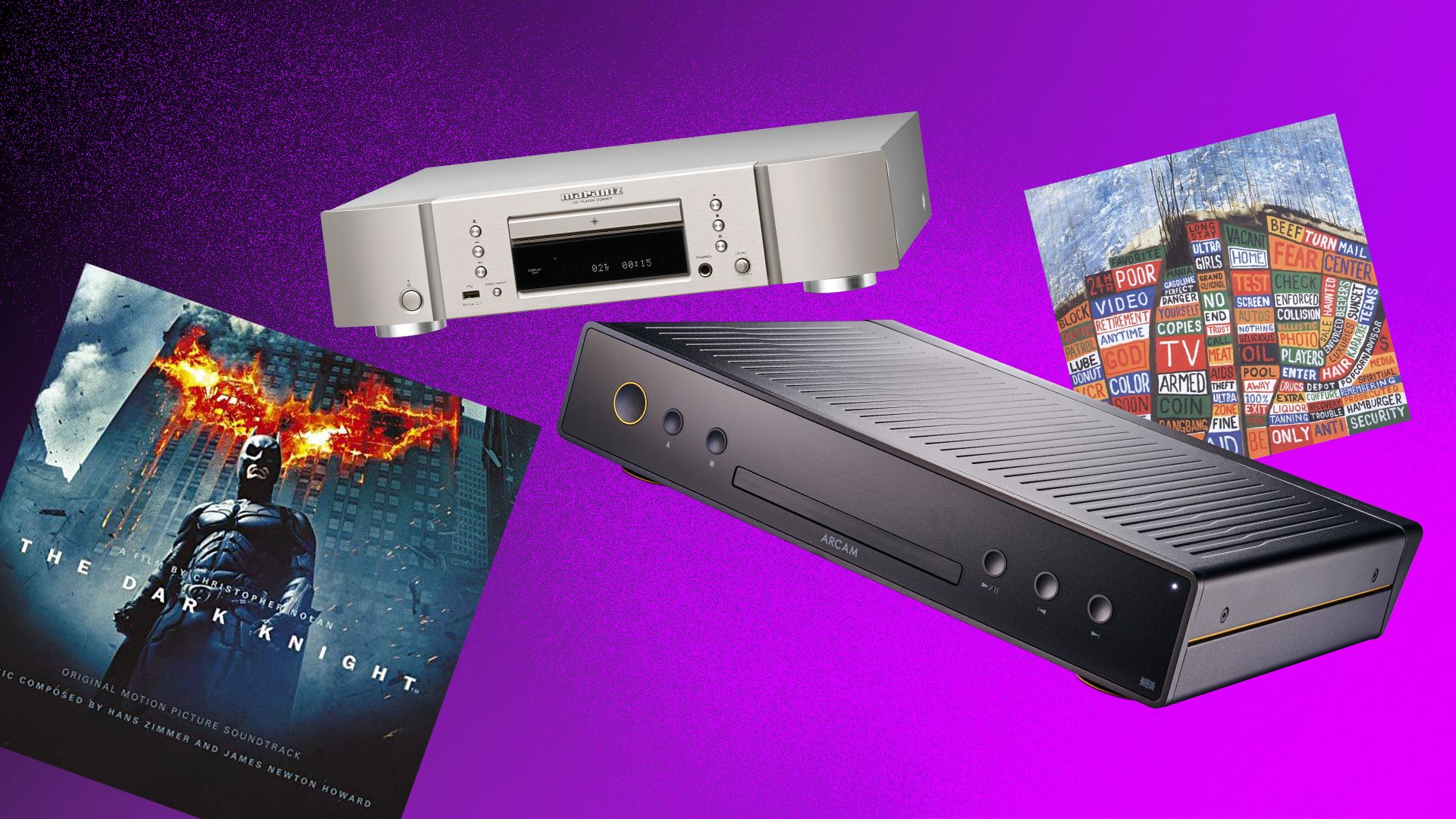
1. Marantz CD 70
Released only a few months ago, the Marantz CD 70 has quickly established itself as the benchmark recommendation for mid-to-high-tier systems. It features a robust, premium build and delivers a clear, insightful sound profile characterized by tight, well-controlled bass. It serves as a prime example that manufacturers are still pushing acoustic boundaries for the format.
2. Arcam CD5
A multiple-time Product of the Year winner, the Arcam CD5 is a tour de force in the mid-price category. It delivers an engaging, muscular sound that breathes new life into tired rock, classical, and electronic tracks alike. Its ability to extract micro-details from standard Red Book audio CDs continues to impress veteran review teams.
3. Cyrus 40 CD
For audiophiles with deep pockets and uncompromising standards, the Cyrus 40 CD occupies the premium tier. While expensive, its performance matches the price tag. It offers astonishing rhythmic precision, subtle detail retrieval, and immense dynamic punch, all while maintaining absolute composure during complex orchestral passages.
4. Cambridge Audio CXC
For music lovers who already own an external DAC (Digital-to-Analog Converter) or an integrated amplifier with digital inputs, the Cambridge Audio CXC is a masterclass in engineering. Operating purely as a CD transport—meaning it reads the disc data and sends it digitally elsewhere without converting it internally—this model has remained in production for over a decade for one simple reason: it delivers a smooth, open, and deeply musical performance.
5. Marantz CD6007
Though succeeded by newer models like the CD 70, the multi-award-winning Marantz CD6007 remains widely available, often at enticing discount prices. As a six-time industry award winner, it provides incredible value, high insight levels, and a luxurious finish that punches well above its weight class.
Official Responses and Industry Perspectives
The resurgence of the CD has prompted a fascinating shift in rhetoric among audio engineers, record executives, and tech commentators.
Industry veterans note that streaming fatigue is a very real psychological phenomenon. While streaming offers access to tens of millions of songs instantly, it often strips away the intentionality of listening. Record labels have observed an uptick in physical bundle sales, where superfans purchase vinyl and CD variants of new album releases to secure signed inserts, expanded artwork, and physical bragging rights.
Furthermore, boutique hi-fi manufacturers who once feared the complete obsolescence of optical drives are reporting stabilized, and in some cases growing, demand. Engineers point out that a well-mastered CD provides uncompressed 16-bit/44.1kHz audio natively, avoiding the variable compression, network buffering issues, and dynamic range compression often found on compressed streaming platforms or poorly mastered digital files.
"We’ve been banging the CD drum for years," notes the hardware analysis team at What Hi-Fi?. "Whether you’re dusting off a collection that has sat in boxes for a decade or experiencing the format for the very first time, the hardware being produced today ensures that CDs sound better than ever before."
Implications: What the CD Revival Means for the Future of Music
The revival of the compact disc carries several profound implications for consumers, artists, and the wider music industry.
1. A Blueprint for Sustainable Physical Ownership
In an era where digital rights management (DRM) and corporate licensing agreements can cause movies, TV shows, and albums to vanish from streaming services overnight, physical media acts as an insurance policy. Owning a CD guarantees permanent, offline access to an album exactly as the artist intended it to be heard, free from the whims of tech conglomerates.
2. Fairer Compensation for Artists
Streaming payouts famously offer fractions of a cent per stream to musicians, forcing artists to rely almost entirely on live touring. Physical media purchases—whether vinyl cassettes or CDs—provide a significantly higher margin of direct financial support to independent and mid-tier artists, making physical formats an ethical choice for conscious consumers.
3. The Coexistence of Convenience and Fidelity
Rather than signaling a zero-sum war between formats, the CD renaissance proves that consumers are willing to embrace a multi-format lifestyle. Streaming will always reign supreme for casual background listening, gym sessions, and discovering new music on the go. However, physical formats like vinyl and CDs are carving out a permanent sanctuary for active, focused, and high-fidelity listening.
As long as manufacturers continue to build magnificent machines to spin them, and music lovers continue to seek a deeper connection to their favorite albums, the humble compact disc will remain a vital pillar of modern audio culture.