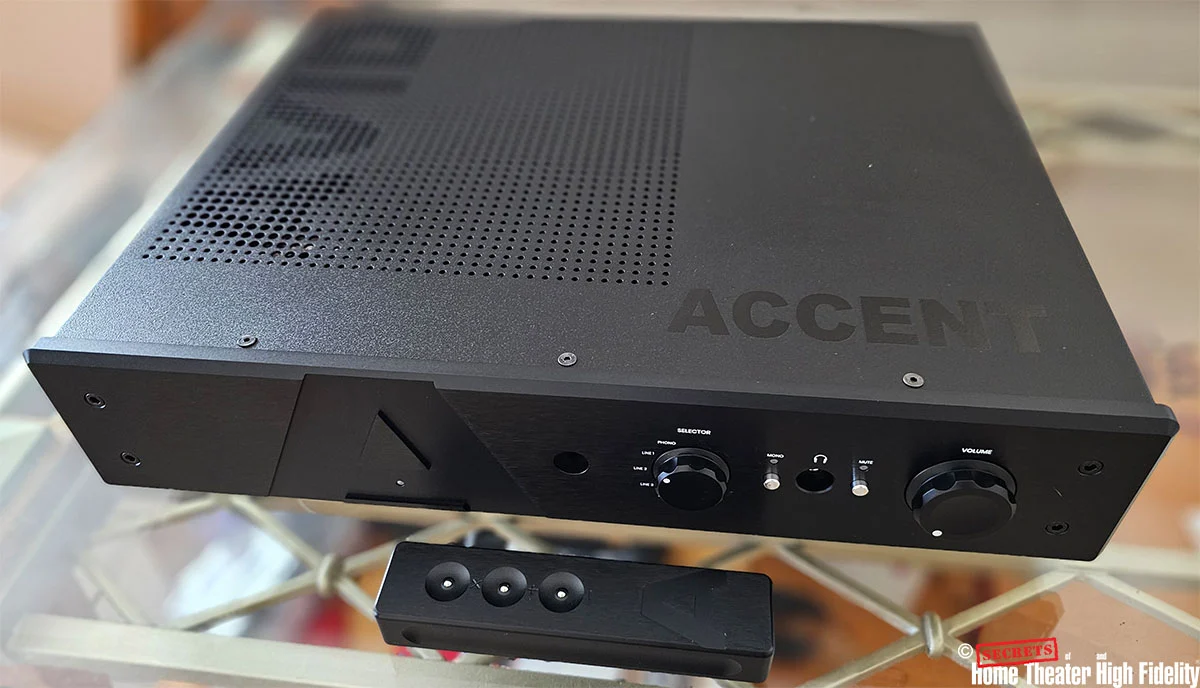
In an era defined by the rapid proliferation of digital streaming, Class D efficiency, and feature-heavy audio components that prioritize connectivity over sonic soul, AVID HIFI has taken a decidedly different path. The British manufacturer, long revered for its world-class analog playback systems, has launched a masterclass in minimalist engineering: the Accent Integrated Amplifier. This component represents the distillation of decades of research into signal integrity, effectively bringing the company’s legendary reference-level performance to a more accessible, integrated format.
Main Facts: The Essence of the Accent
The AVID HIFI Accent is not merely an entry-level product; it is a declaration of intent. Released in 2023, the Accent serves as the primary gateway into the AVID electronics ecosystem. At its core, it is a fully analog, discrete Class AB design that eschews the "feature creep" common in modern integrated amplifiers—such as built-in DACs or streaming modules—in favor of absolute performance in the domains that matter most: amplification, power supply, and vinyl playback.
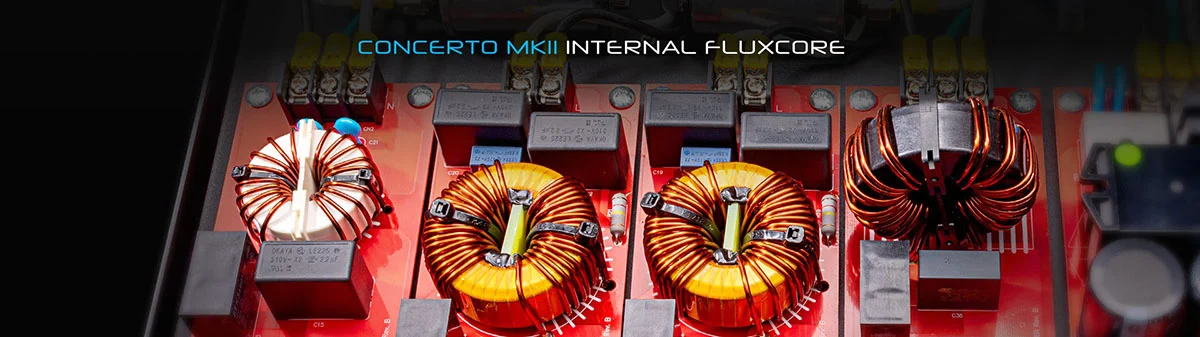
Rated at 70 watts per channel into 8 ohms, the Accent may appear modest on a spec sheet, but this figure tells only a fraction of the story. Driven by a massive 617 VA toroidal transformer and an impressive 40,000 µF of power-supply capacitance, the amplifier is engineered to deliver high-current stability that belies its modest output rating. By prioritizing current delivery and dynamic headroom, AVID ensures that the Accent can maintain composure even when paired with difficult-to-drive loudspeaker loads.
The build quality serves as a tactile testament to the company’s British heritage. Encased in a rugged steel chassis and finished with a solid aluminum front panel—adorned with AVID’s signature machined "A" motif—the unit weighs a substantial 32 lbs (14.5 kg). It is a device built to last, reflecting the company’s ethos of long-term reliability and sonic permanence.
Chronology: From Turntables to Total Electronics
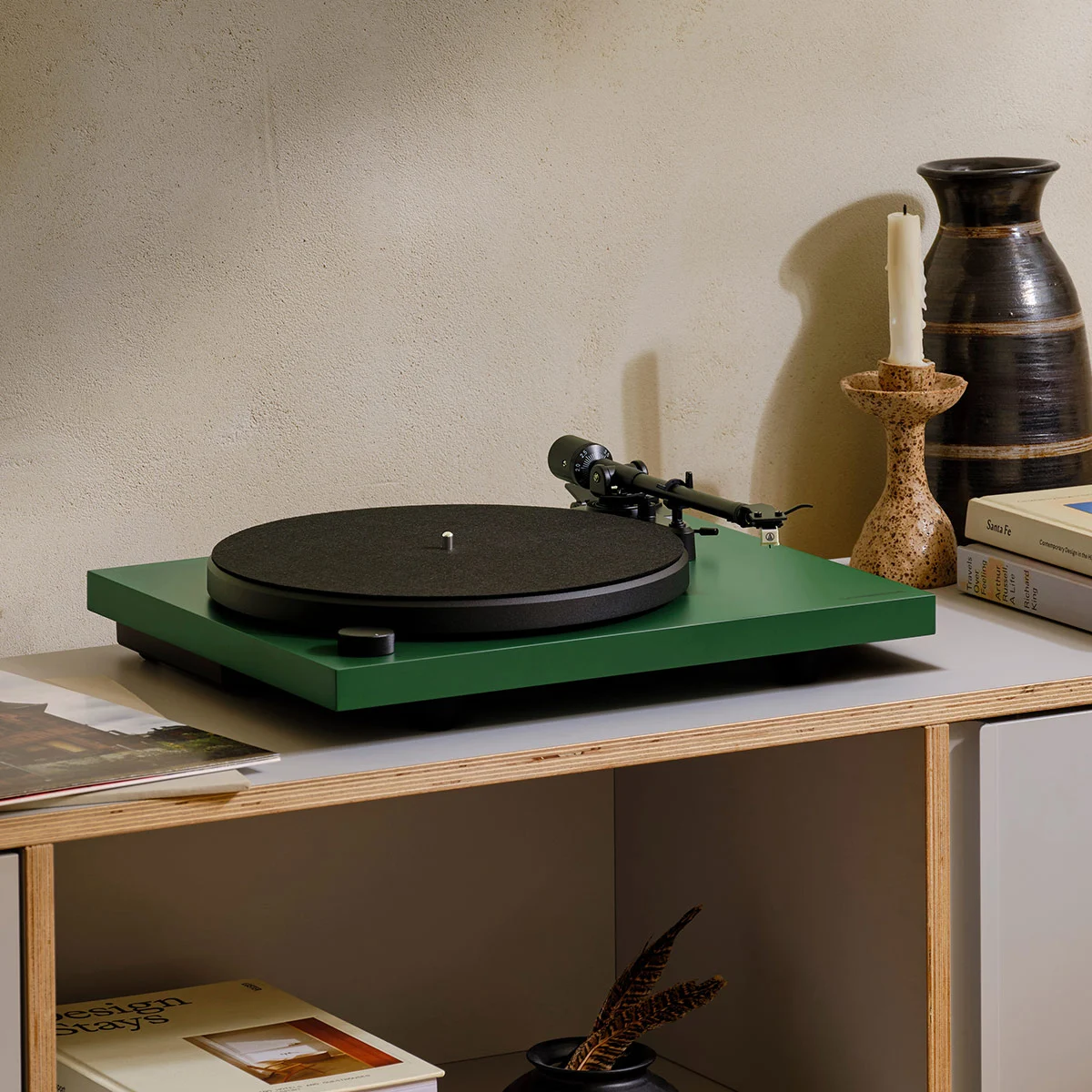
To understand the Accent, one must understand the trajectory of AVID HIFI. Founded in 1995 by Conrad Mas, AVID spent its first two decades establishing a reputation as a titan of the analog world. Their turntables, characterized by innovative vibration damping and precision machining, became the gold standard for vinyl enthusiasts globally.
However, the transition from analog source components to amplification was not an overnight endeavor. AVID’s philosophy has always been that the music signal is fragile; once lost, it cannot be reclaimed. This belief led them to begin developing their own electronics, aiming to preserve the integrity of the signal from the record groove to the speaker terminal.

- 1995: Conrad Mas establishes AVID HIFI, focusing on high-end turntable design.
- 2000s: The company refines its mastery of vibration isolation, creating a loyal following among audiophiles.
- 2010s: AVID begins the development of proprietary electronics, including phono stages like the Pellar, which would later serve as the DNA for the Accent’s phono section.
- 2023: The Accent is introduced as the definitive integrated amplifier, successfully synthesizing the company’s turntable expertise and its burgeoning reputation in power-supply design.
Supporting Data: Engineering Under the Hood
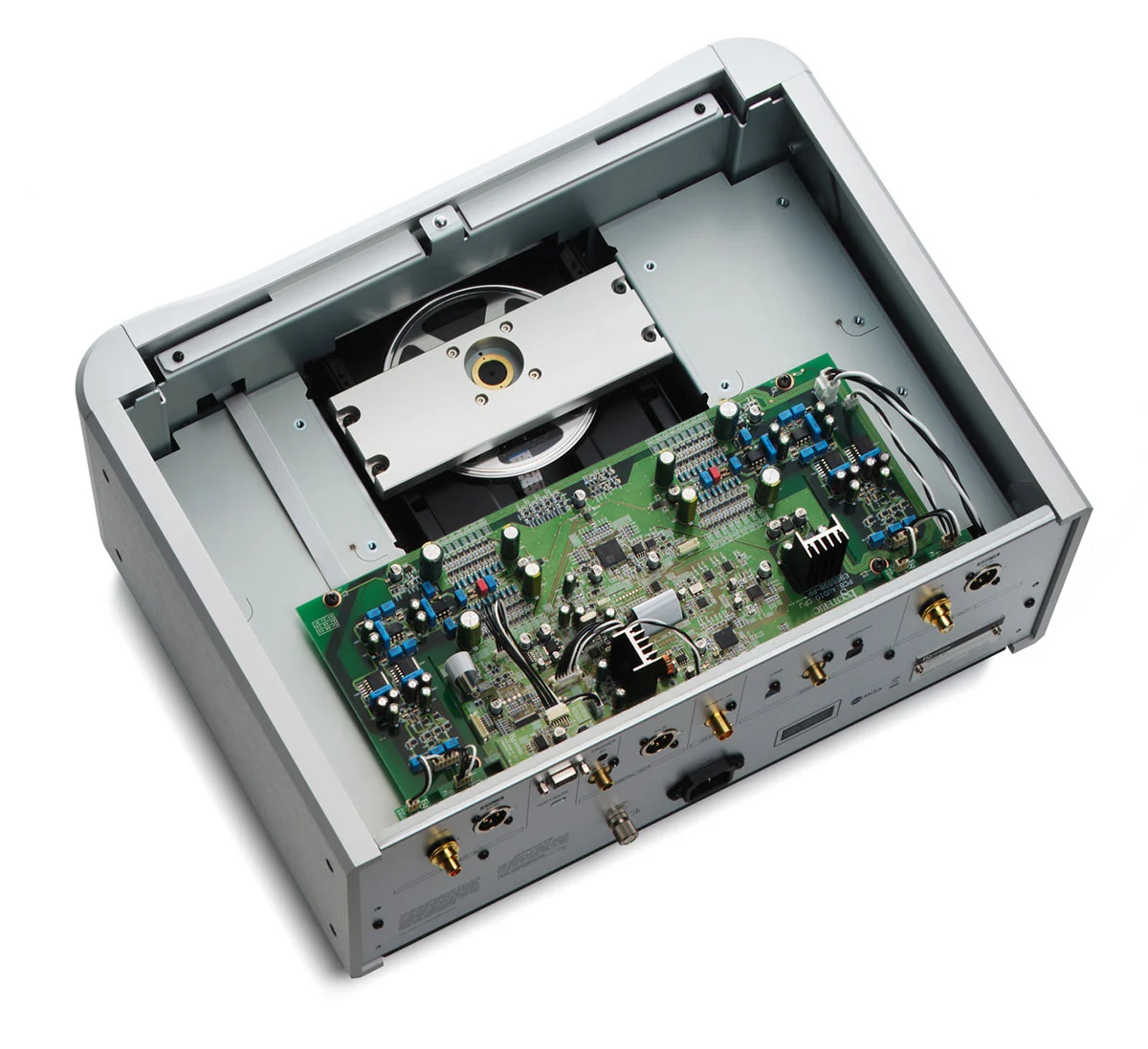
The technical architecture of the Accent is where AVID’s "no-compromise" approach becomes most apparent. In an industry where cost-cutting often occurs in the signal path, AVID has doubled down on high-grade components.
The Power Foundation
The heart of the Accent is its oversized 617 VA toroidal transformer. This is a deliberate design choice; by providing an abundance of power reserves, the amplifier ensures that transient peaks—such as a drum strike or a sudden orchestral swell—are rendered with effortless authority. The massive 40,000 µF capacitance bank acts as a reservoir, providing instant, clean current to the output stages, which reduces distortion and improves the "grip" the amplifier has over the speaker’s voice coil.
The Phono Stage: A Jewel in the Crown
Perhaps the most significant value proposition of the Accent is its integrated phono stage. Rather than including an "afterthought" circuit, AVID has incorporated the topology of its standalone Pellar phono preamplifier. This allows users to connect both moving-magnet (MM) and moving-coil (MC) cartridges directly. With selectable gain settings (48 dB, 60 dB, and 70 dB) and user-adjustable loading options, the Accent is a true "vinyl-first" integrated amplifier. It eliminates the need for an external phono stage, interconnect cables, and the additional noise floor associated with extra components.
Headphone Performance
Recognizing that modern listening habits often include high-end personal audio, AVID equipped the Accent with a dedicated, high-quality headphone amplifier. Supporting a range from 20 to 600 ohms, it provides 9 V RMS of output, ensuring that even the most demanding planar magnetic or high-impedance dynamic headphones are driven with ease and transparency.
Official Responses and Design Philosophy
AVID HIFI has consistently maintained that their electronics are designed to "disappear." In official communications, the company emphasizes the importance of a clean, uncolored signal path. By using custom polypropylene capacitors in critical stages and employing a high-quality ALPS potentiometer for volume control, they ensure that the music remains the focus, not the circuitry.
The company’s design philosophy is one of "cascading excellence." Many of the technologies found in the Accent were developed for the company’s flagship Reference line. By scaling these technologies down, AVID provides the same sonic DNA—the same sense of timing, resolution, and tonal density—to a broader audience. As Conrad Mas has noted in previous discussions regarding AVID’s electronics, the goal is not to "flavor" the sound, but to provide the power and resolution necessary to let the recording speak for itself.

Implications: A Refreshing Return to Basics
The release of the AVID Accent holds significant implications for the high-end audio market. It signals a clear counter-trend to the "all-in-one" movement. While many manufacturers are rushing to integrate software-based streaming platforms that risk becoming obsolete within a few years due to OS updates or service changes, AVID is focusing on the "analog core."
The "Longevity" Argument
The Accent is a product designed for the next twenty years, not the next two. Because it does not rely on rapidly evolving digital chipsets, it is effectively future-proof. An audiophile purchasing an Accent today can be confident that it will perform at the same high level in 2045 as it does now. This appeals to a growing demographic of consumers who are tired of "planned obsolescence" and are seeking a return to traditional, high-value, high-performance hardware.
The Analog Resurgence
Furthermore, by placing such a high-performing phono stage at the center of an integrated amplifier, AVID is leaning into the massive resurgence of vinyl. The Accent serves as a bridge for the collector who wants a streamlined system but refuses to compromise on the quality of their analog playback.
Conclusion
As the initial evaluation of the AVID HIFI Accent continues, it is already clear that this unit punches well above its weight class. It possesses a level of musical composure and authority that is rare at this price point. By focusing on the fundamentals—sturdy power, discrete amplification, and a world-class phono stage—AVID has produced an amplifier that feels less like a piece of technology and more like an instrument for musical reproduction. For those who believe that high-fidelity audio should be about the purity of the signal and the longevity of the hardware, the Accent is not just a compelling option; it is a standard-setter.
We look forward to a full-scale listening test in our upcoming issue, where we will examine how the Accent interacts with a variety of reference speakers to see if it can truly deliver on the promise of its impressive engineering pedigree. For now, it stands as a testament to the idea that sometimes, less is significantly more.