For as long as audio engineers have stood behind a mixing console, the specter of acoustic feedback has been the industry’s primary antagonist. From the moment the first signal was amplified through a loudspeaker located in the same acoustic space as the microphone, the "squeals, howls, and chaos" of a feedback loop have haunted sound reinforcement. This persistent threat has dictated the evolution of hardware for decades, driving the development of super-cardioid pickup patterns, precise system equalization, and complex signal processing.
However, a revolutionary leap in software technology, centered on real-time reverse impulse response (IR) processing, is currently rewriting the rules of live sound. By effectively neutralizing room tone and feedback before they can propagate, this new technology—epitomized by the "De-Feedback" plugin from Alpha Labs—is promising to relegate one of the most anxiety-inducing aspects of live production to the history books.
The Chronic Challenge of Live Audio
The modern concert environment is, by its nature, hostile to clean audio. Singers and musicians frequently perform dozens of feet in front of massive, high-output PA systems. Even with elite-level microphone technique, engineers are forced to walk a tightrope between achieving necessary volume and preserving the tonal integrity of the vocal.

Traditional tools—including dynamic EQ, band-pass expansion, de-essers, and complex zone-specific system tuning—often serve as a stop-gap measure. These tools are inherently reactive; they treat symptoms rather than the root cause. Moreover, the environmental variables of a live show, such as shifting humidity, temperature, and the acoustic dampening effect of a packed audience, require constant, frantic adjustments from the FOH (Front of House) engineer.
The struggle is further complicated by the signal-to-noise ratio. Whether it is a singer with poor mic technique or the sheer roar of a backline bleeding into a vocal mic, the mixer is constantly fighting to isolate the voice. The rise of "cool" stage aesthetics—such as singers cupping the microphone head, which destroys off-axis rejection—has only exacerbated these issues, pushing modern sound reinforcement technology to its breaking point.
A Sobering Metric of Success
The industry’s obsession with feedback suppression is not merely a technical preference; it is a business imperative. During a recent high-level conference for AV providers and their clients, a formal poll revealed a stark disconnect between what engineers value and what clients demand.

While vendors prioritized "comprehensive coverage," "aesthetic installation," and "high-fidelity reproduction," the clients—the people paying the bills—were unanimous in their singular definition of a perfect event: "No feedback."
This feedback, provided by EAW President TJ Smith and his colleagues, was described as "sobering and humbling." Despite decades of RTA analysis, FFT processing, and sophisticated auto-mixers, the ultimate metric for a successful show remains binary: Did it howl, or didn’t it? If the system remained stable, the event was a success.
The Emergence of Reverse IR Technology
The turning point in this long-standing battle arrived with the introduction of "De-Feedback" by Alpha Labs. The technology, developed by Devin Sheets, moves beyond traditional threshold-based gating. Instead, it utilizes an AI-driven, real-time reverse impulse response process.

In traditional post-production, engineers have long used software to remove room ambience. However, doing so in real-time without prohibitive latency or "render time" disqualifications was considered the "holy grail." The De-Feedback approach involves training an AI to distinguish between the primary source (the voice) and the secondary reflections (the room/reverb/PA output). By creating an out-of-polarity version of the room’s signature, the processor effectively subtracts the noise from the signal path.
When tested in a 30-by-60-foot live space, the results were, by all accounts, startling. During a "check" test where the room was intentionally flooded with extreme reverb and gain, the system not only eliminated the feedback loop but scrubbed the mic signal of the ambient reverberation entirely. For the first time, engineers found they could have high-gain vocal reinforcement without the "recursive tail" that typically plagues live microphones.
Comparative Data: De-Feedback vs. The Industry Standards
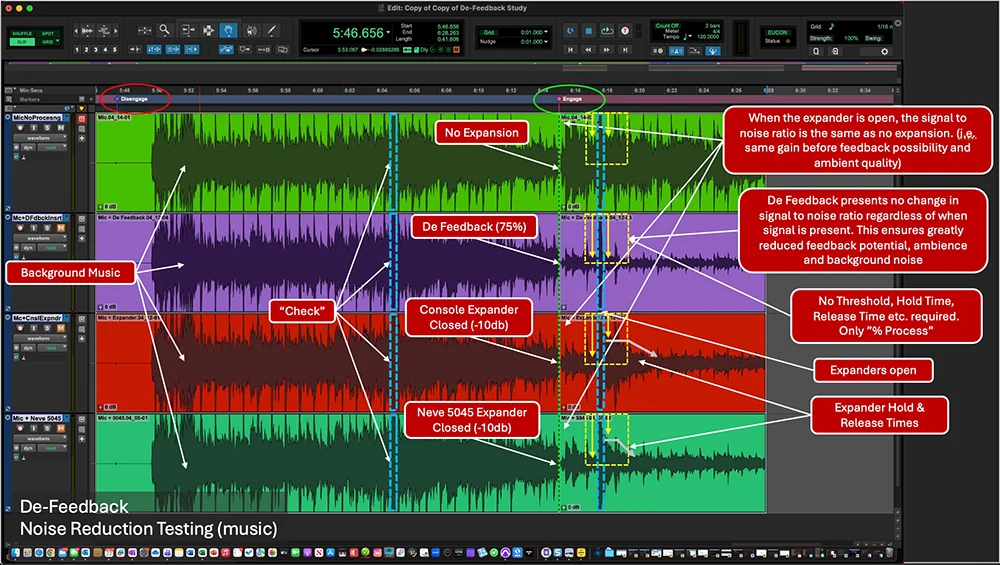
To validate these claims, independent testing was conducted comparing the new technology against industry-standard tools like the Neve 5045 and standard console expanders.

The primary difference lies in the logic of operation. Conventional expanders are threshold-based; they open and close based on signal volume. This means that when a vocalist is singing, the expander is effectively bypassed, allowing background noise and stage bleed to flood the signal path. Furthermore, once the vocal level drops, the expander introduces an "attack and release" signature that is often audible and unnatural.
In contrast, the De-Feedback process does not rely on a threshold. Because the AI is actively subtracting the room noise, the background noise is attenuated regardless of whether the singer is performing at a whisper or a scream. The result is a consistent, dry, and isolated vocal signal that remains stable throughout the performance.
Practical Implications and "First-World" Problems
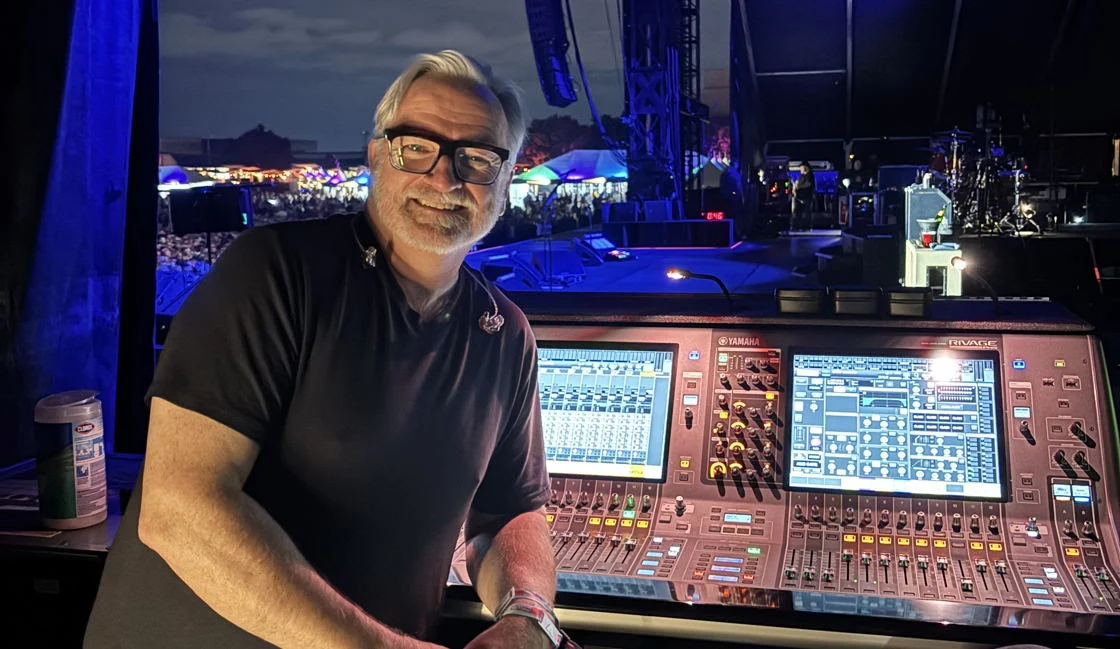
The integration of this technology into live workflows has already yielded significant results. During the 2025 Rock and Roll Hall of Fame inductions, FOH engineers utilized the plugin to achieve unprecedented levels of vocal clarity. Latin music producer Gus Borner famously described the result as "like cheating."

However, the technology is so effective that it has introduced a new set of logistical hurdles. In one instance, a lead singer playing a tambourine near her vocal mic found that the instrument was being "cancelled out" by the software, which interpreted the bright, metallic high-frequency transients of the tambourine as unwanted noise. This forced a return to traditional acoustic planning: the realization that when you can surgically remove unwanted noise, you must be careful not to accidentally remove the performance itself.
Addressing the Latency Question
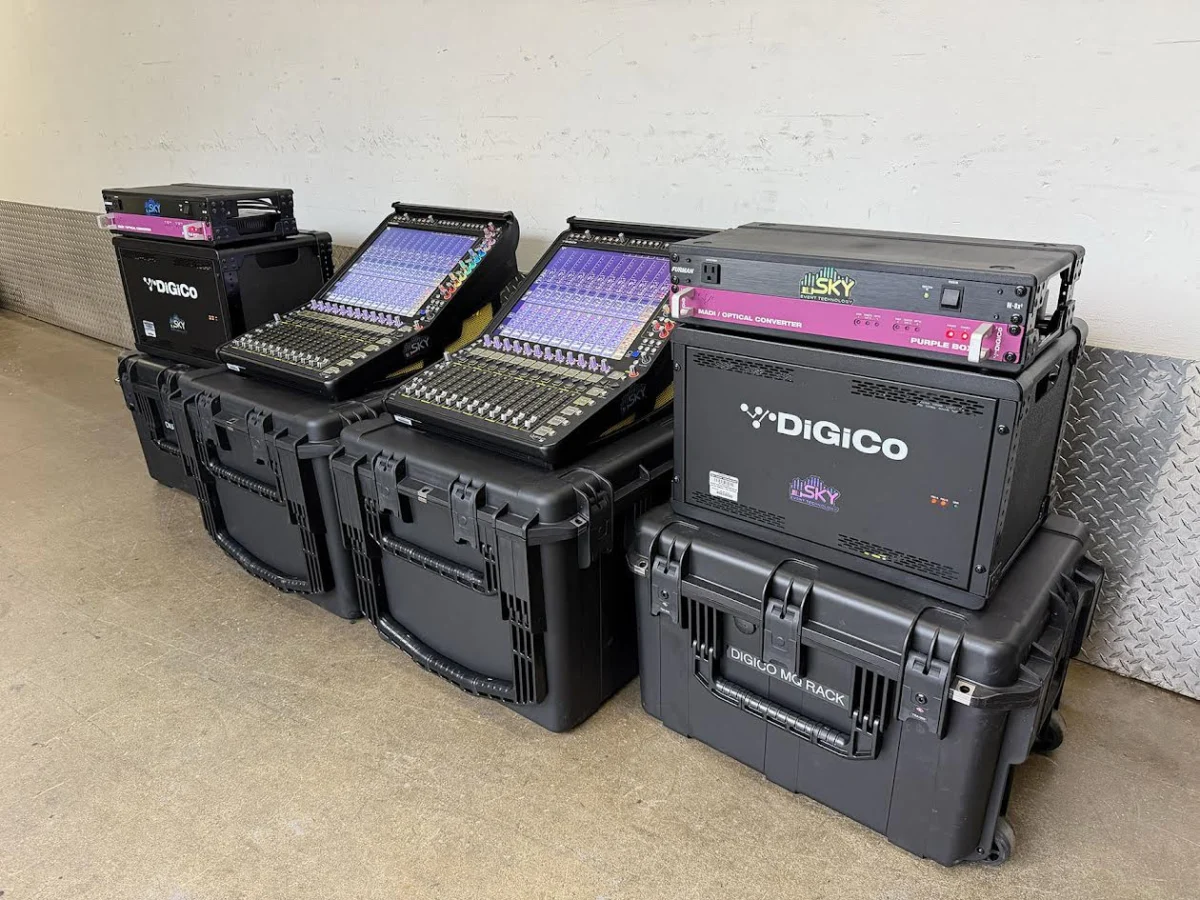
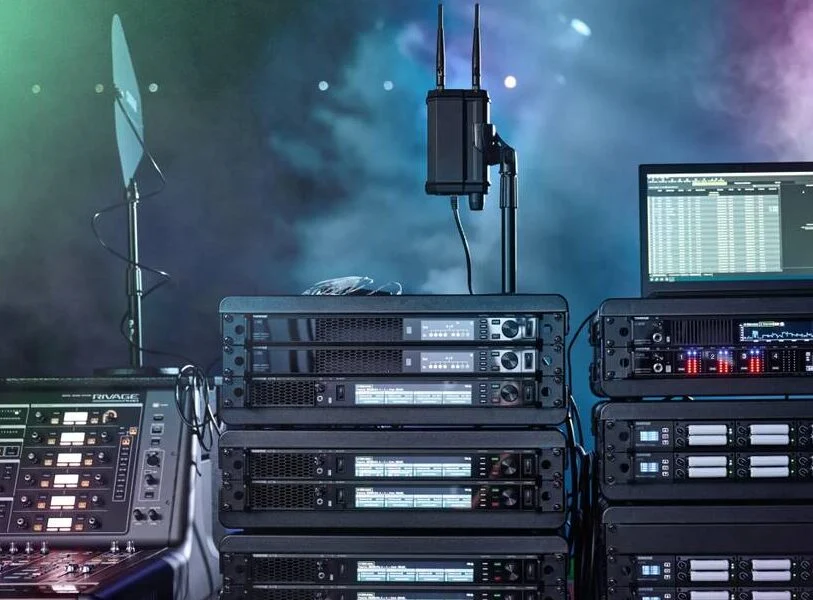
In the digital realm, latency is the ultimate deal-breaker. The De-Feedback plugin itself adds zero latency to the signal. However, because it often requires hardware interfaces (such as a NUC and a Focusrite Scarlett) for integration, the total system path length increases due to additional A/D (Analog-to-Digital) and D/A conversions.
Engineers must exercise caution. Standard console Automatic Delay Compensation (ADC) may not recognize these external paths, leading to phase issues if not manually aligned. For FOH mixing, these delays are generally manageable, provided the engineer accounts for the total arrival time of the PA signal relative to the stage. For "talking head" events or lectern-heavy conferences, the latency is effectively invisible, making it a perfect use case for this technology.

The Future of Audio Reinforcement
The implications for the broader audio industry are profound. Beyond concert stages, this technology could revolutionize high-stakes environments such as professional sports—where referees’ microphones are broadcast to millions—and the corporate sector, where "talking heads" have long been plagued by poor microphone technique and challenging room acoustics.
As the technology matures, we are likely to see it integrated into console DSPs rather than requiring external hardware. The "secret sauce" of this development is not just the effectiveness of the noise cancellation, but the lack of cognitive load it places on the engineer. By removing the need to constantly ride thresholds and adjust gates, the technology frees the mixer to focus on the art of the mix rather than the science of damage control.
We have reached a point where, for any scenario involving a microphone and a loudspeaker in the same room, this technology demands a seat at the table. While it is rare to label a development in live audio as "transformative," the ability to finally, definitively, and effortlessly silence the feedback loop is a milestone that will define the next generation of sound reinforcement. The industry has spent a century fighting the room; it appears we have finally found a way to win.