The 2026 FIFA World Cup, designed to be a crowning achievement for North American sports culture, has instead become the backdrop for a massive consumer protection crisis. As matches unfold across 11 U.S. cities, thousands of soccer fans are discovering that the tickets they purchased—often at exorbitant prices—are fraudulent, non-existent, or "ghost" listings.
In response to the mounting chaos, the National Independent Venue Association (NIVA) and the Fan Alliance have issued a formal, urgent appeal to the highest echelons of the U.S. Congress. The joint letter, dispatched on Thursday, June 18, to Speaker Mike Johnson, Senate Majority Leader John Thune, Minority Leader Hakeem Jeffries, and Senate Minority Leader Charles Schumer, serves as a searing indictment of current ticketing regulations and a desperate call for immediate federal intervention.
The Anatomy of the Crisis: Understanding "Speculative" Fraud
At the heart of the controversy is the practice of "speculative ticketing," or the sale of "ghost tickets." A speculative ticket is, by definition, a listing for a license to enter an event that the seller does not currently possess.
In a typical scenario, a third-party reseller lists a high-demand seat for a World Cup match on a secondary market platform. The fan pays a premium price, often thousands of dollars above face value. However, the reseller has no physical or digital ticket to transfer. They are essentially gambling that they can acquire a ticket at a lower price before the event starts. When they fail to do so, the fan arrives at the stadium gates only to be denied entry, left with voided tickets, and often facing thousands of dollars in non-refundable travel expenses.
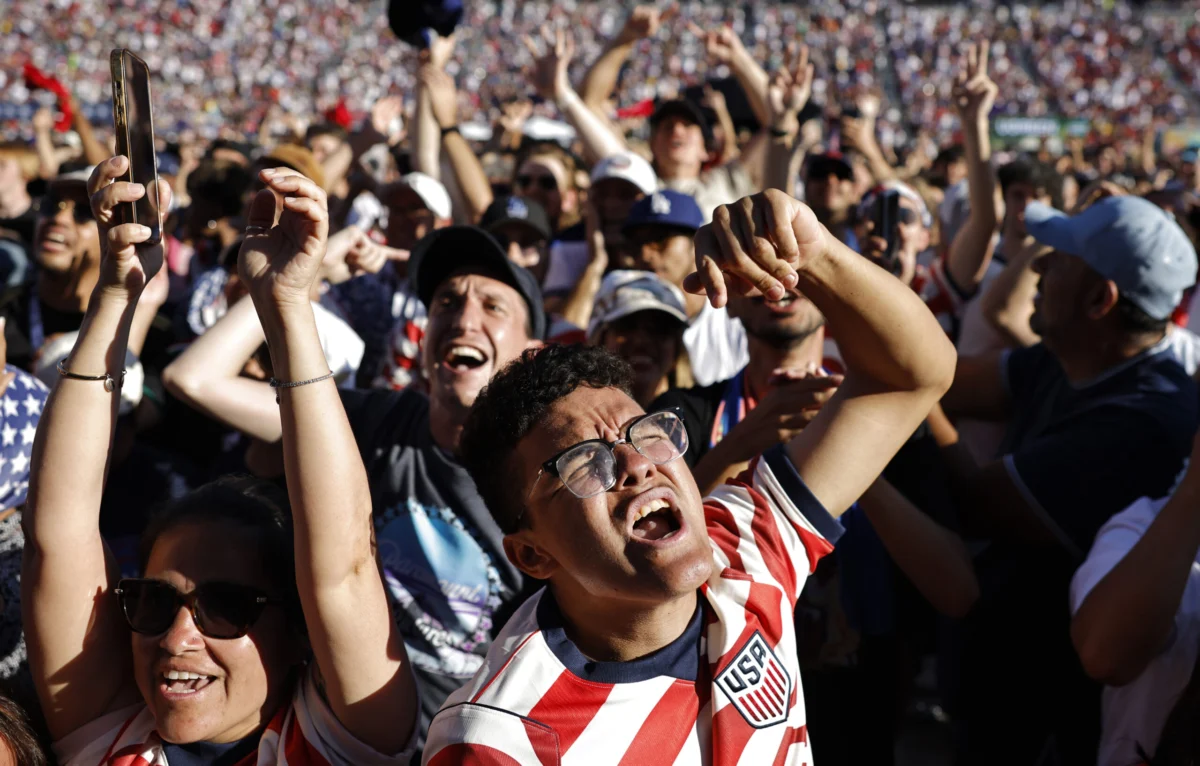
"Outside the gates of World Cup games happening in 11 cities across the U.S., your constituents and visitors from across the globe have not been able to get into the games they have spent hundreds or thousands of dollars to attend," the letter from NIVA and the Fan Alliance states.
A Chronology of the 2026 World Cup Ticketing Debacle
- Pre-Tournament Warnings: Months leading up to the 2026 World Cup, consumer advocacy groups, including the Fan Alliance, issued warnings regarding the lack of federal oversight on the secondary ticketing market. These warnings predicted that the high-profile nature of the tournament would make it a primary target for bad-faith actors.
- June 12, 2026: The United States plays its opening match against Paraguay at the LA Memorial Coliseum. As fans gathered for the festivities, reports of entry denials began to circulate on social media, marking the first major public incidents of the "ghost ticket" phenomenon.
- June 15-17, 2026: As the tournament progressed, the volume of complaints from fans turned away at stadiums in various host cities spiked. Reports of financial loss, including wasted airfare, hotel bookings, and rental car reservations, began to dominate the international conversation surrounding the tournament.
- June 18, 2026: NIVA and the Fan Alliance officially addressed Congress, demanding legislative action. The letter specifically highlighted that the international perception of the U.S. as a host nation was being tarnished by widespread fraud.
Supporting Data and Legislative Precedent
The letter provided by NIVA and the Fan Alliance is not merely a complaint; it is a policy proposal. The organizations are calling for a definitive federal ban on the sale of speculative tickets, accompanied by strict enforcement mechanisms.

The Legislative Wishlist:
- Outright Prohibition: The proposed legislation would state: "A reseller shall not sell or offer to sell speculative tickets, tickets not in the possession of the reseller."
- Financial Penalties: To ensure compliance, the groups are urging for Federal Trade Commission (FTC) fines of no less than $10,000 per ticket, per day, for any entity violating the ban.
- Transparency Mandates: The groups demand that secondary ticketing platforms be legally required to provide data on ticket fulfillment, replacement requests, refund processing times, and detailed reports on professional reseller activity.
The organizations pointed to successful state-level models as a template for federal action. States such as Maryland, Maine, Minnesota, Oregon, Connecticut, Vermont, and Nevada have already implemented bans on speculative sales. These states have effectively closed loopholes that previously allowed resellers to disguise their scams as "concierge services" or "ticket procurement services."
The TICKET Act: Why Advocacy Groups Believe It Is Insufficient
While Congress is currently reviewing the TICKET Act—a piece of legislation aimed at enhancing transparency and disclosure of ticket fees—NIVA and the Fan Alliance argue that it does not go far enough.
"We warned that consumers would purchase tickets that did not exist," wrote NIVA executive director Stephen Parker and Fan Alliance executive director Donald Cohen. "We warned that families would travel thousands of miles only to discover their tickets could not be delivered. We warned that refunds would not make consumers whole after airfare, hotels, rental cars, parking, and other travel expenses. Unfortunately, every one of those warnings has become a reality."
The advocates contend that while the TICKET Act addresses the "price transparency" aspect of the industry, it leaves the door wide open for the speculative practices that are currently causing the most harm. They argue that transparency is useless if the product being sold does not exist.
Implications: Beyond the World Cup
The ripple effects of this crisis extend far beyond the soccer stadium. NIVA, which represents independent venues across the United States, emphasizes that this is a daily reality for the domestic live entertainment industry.
"While the World Cup is drawing national attention to speculative ticketing, this same consumer harm occurs every single day at independently owned venues, theaters, festivals, comedy clubs, and performing arts centers across America," the letter notes.

The implications for these smaller entities are severe:
- Reputational Damage: When a fan is scammed, their frustration is often directed at the venue or the artist rather than the third-party reseller. Independent venues, lacking the resources of billion-dollar organizations like FIFA or the NFL, struggle to recover from this loss of goodwill.
- Economic Impact: Local businesses surrounding these venues lose revenue when fans are discouraged from attending live events due to the fear of being scammed.
- Market Distortion: The unchecked growth of secondary market platforms has created an environment where professional resellers can dominate the market, making it increasingly difficult for the average fan to purchase tickets at face value through primary channels.
Conclusion: The Path Forward
The situation at the 2026 World Cup has forced a national conversation that many believe is long overdue. As the world watches the U.S. struggle to manage its ticketing infrastructure, the pressure on Congress to act is at an all-time high.
Whether legislators will adopt the stringent, fine-heavy approach proposed by NIVA and the Fan Alliance remains to be seen. However, the argument presented by these groups is clear: without federal action to ban speculative ticketing, the U.S. will continue to be a landscape where fans are left empty-handed, and the integrity of the live entertainment industry will continue to erode.
The call to action is urgent. As the tournament continues, the "ghost ticket" problem remains a living, breathing example of what happens when a market is left to its own devices without sufficient consumer protection. For the thousands of fans who have traveled across the globe only to be met by a locked gate and an invalid QR code, the legislative debates in Washington are not just academic—they are a matter of basic fairness and the future of live events in America.