In the modern ecclesiastical landscape, a church is far more than a physical structure—it is a living, breathing community. It is a space where generations intersect, where diverse backgrounds unite, and where the needs of the congregation span the physical, spiritual, and emotional spectrum. However, as the functions of the church building have expanded beyond the traditional Sunday service, a critical challenge has emerged: sound management.
For many administrators, the "acoustic problem" is synonymous with the sanctuary. Yet, relying on a single solution for an entire facility is a fundamental oversight. A church is a complex ecosystem of rooms, each with unique acoustic signatures and requirements. To foster a truly inclusive and engaging environment, church leadership must adopt a holistic, room-by-room approach to acoustic design.
The Evolution of the Church Environment: A Chronological Shift
To understand why acoustic management has become a modern imperative, one must look at the evolution of church architecture over the last century.
The Era of Traditional Liturgy: In the early 20th century, churches were designed primarily for organ music and the spoken word in a high-reverberation environment. The hard stone, plaster, and vaulted ceilings were intended to carry sound to the back of the nave, often creating a "cathedral effect" that felt majestic but lacked the clarity required for modern audio-visual integration.
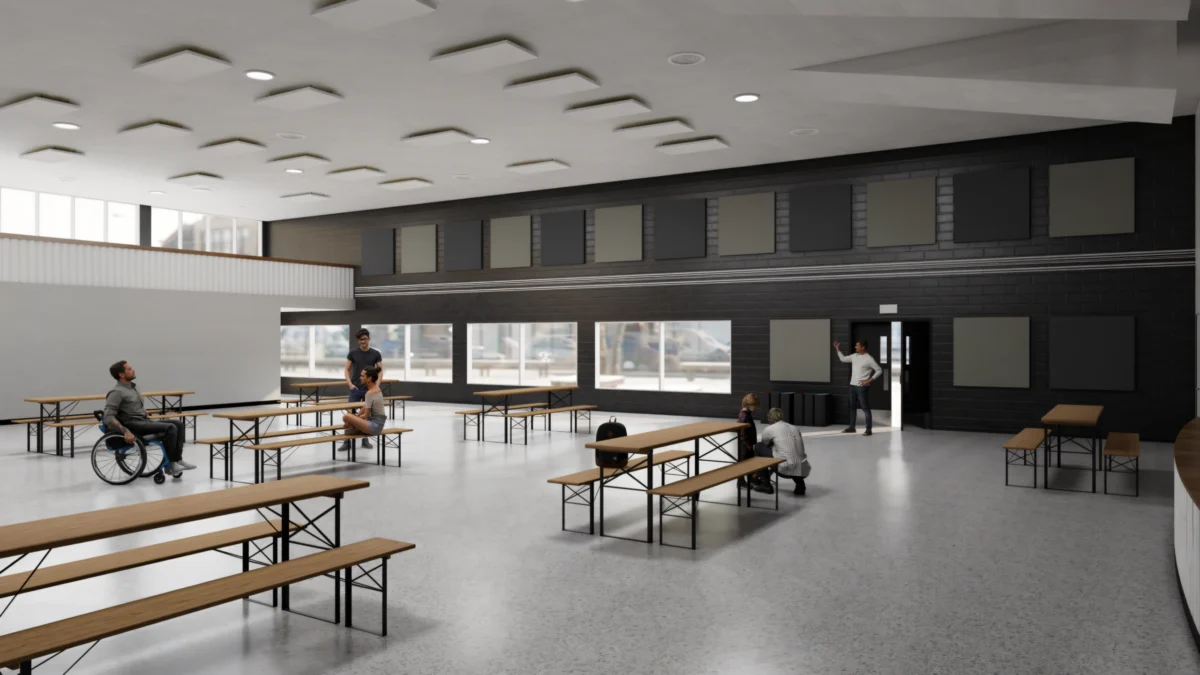
The Mid-Century Multi-Purpose Expansion: As churches grew, they began incorporating gymnasiums, classrooms, and fellowship halls. These additions were often built using utilitarian materials—cinder blocks, linoleum, and steel—which introduced "flutter echoes" and harsh, high-frequency reflections that made speech intelligibility nearly impossible.
The Contemporary Hybrid Era: Today, the average church is a chameleon. A space that hosts a solemn morning service may be converted into a youth basketball court in the afternoon and a community meeting room by evening. This rapid, multi-use transition has rendered static, one-size-fits-all acoustic environments obsolete. Modern houses of worship now demand adaptive, high-performance acoustic treatments that can balance the "reverence" of a sanctuary with the "utility" of a boardroom.
Supporting Data: The Cost of Poor Sound
The implications of poor acoustics extend far beyond mere annoyance. Research in architectural acoustics suggests that "speech intelligibility" is the primary driver of engagement. When congregants struggle to decipher words—whether from a pastor, a lecturer, or a vocalist—the brain experiences "cognitive fatigue."
Data indicates that in environments with high reverberation times (RT60), listeners lose approximately 30% to 50% of information within the first ten minutes. For a church, this means that the message—the core purpose of the gathering—is literally lost in the noise. Furthermore, in areas like lobbies and gathering spaces, poor acoustic design leads to the "Lombard Effect," where individuals unconsciously raise their voices to be heard over background noise. This creates a compounding cycle of volume that can lead to physical discomfort and, in extreme cases, noise leakage that disrupts ongoing services in adjacent rooms.
The Anatomy of Church Spaces: Tailored Acoustic Solutions
To achieve a "whole church" experience, administrators must treat every room as a distinct acoustic entity.
The Sanctuary: Balancing Reverence and Clarity
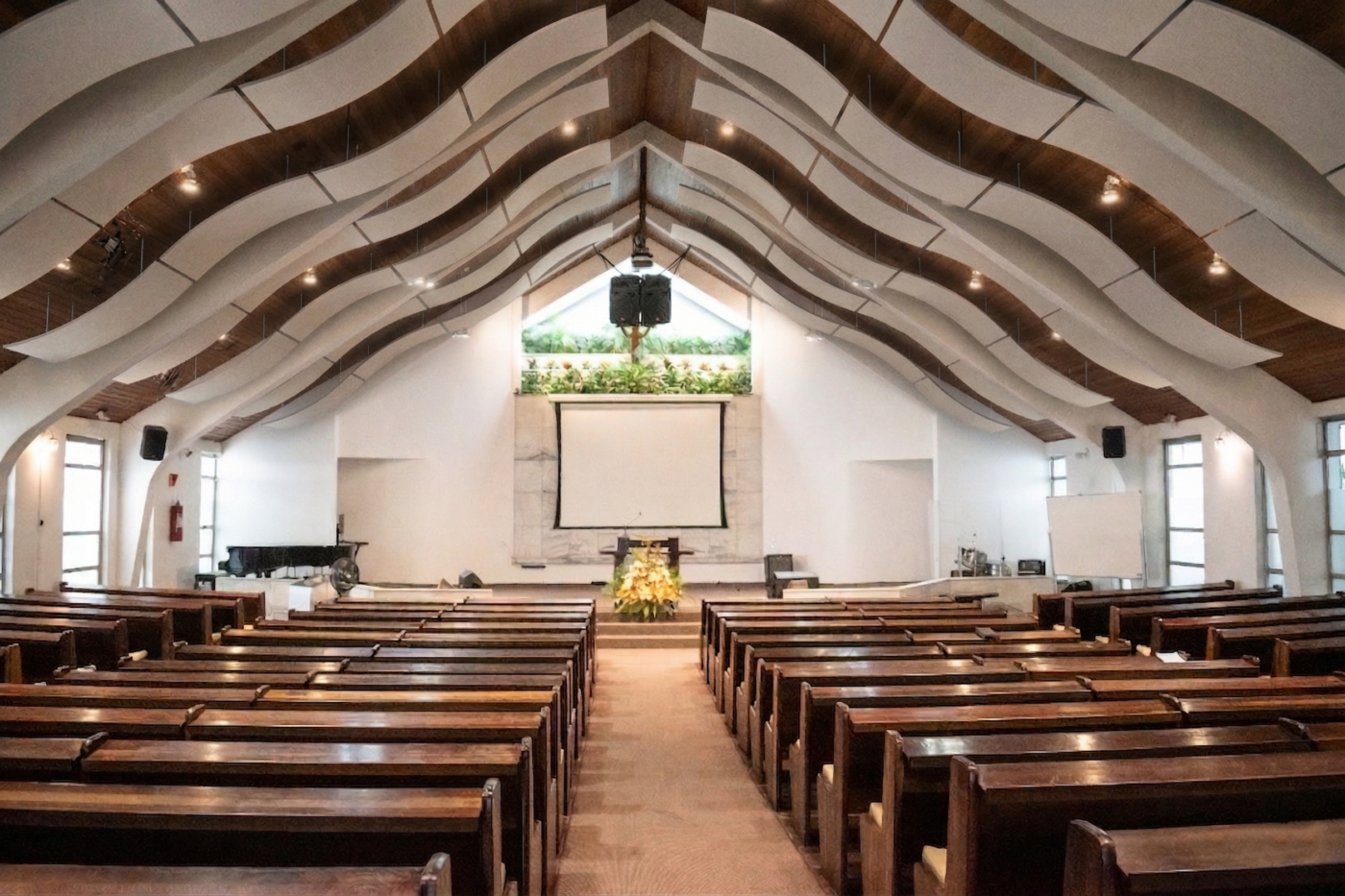
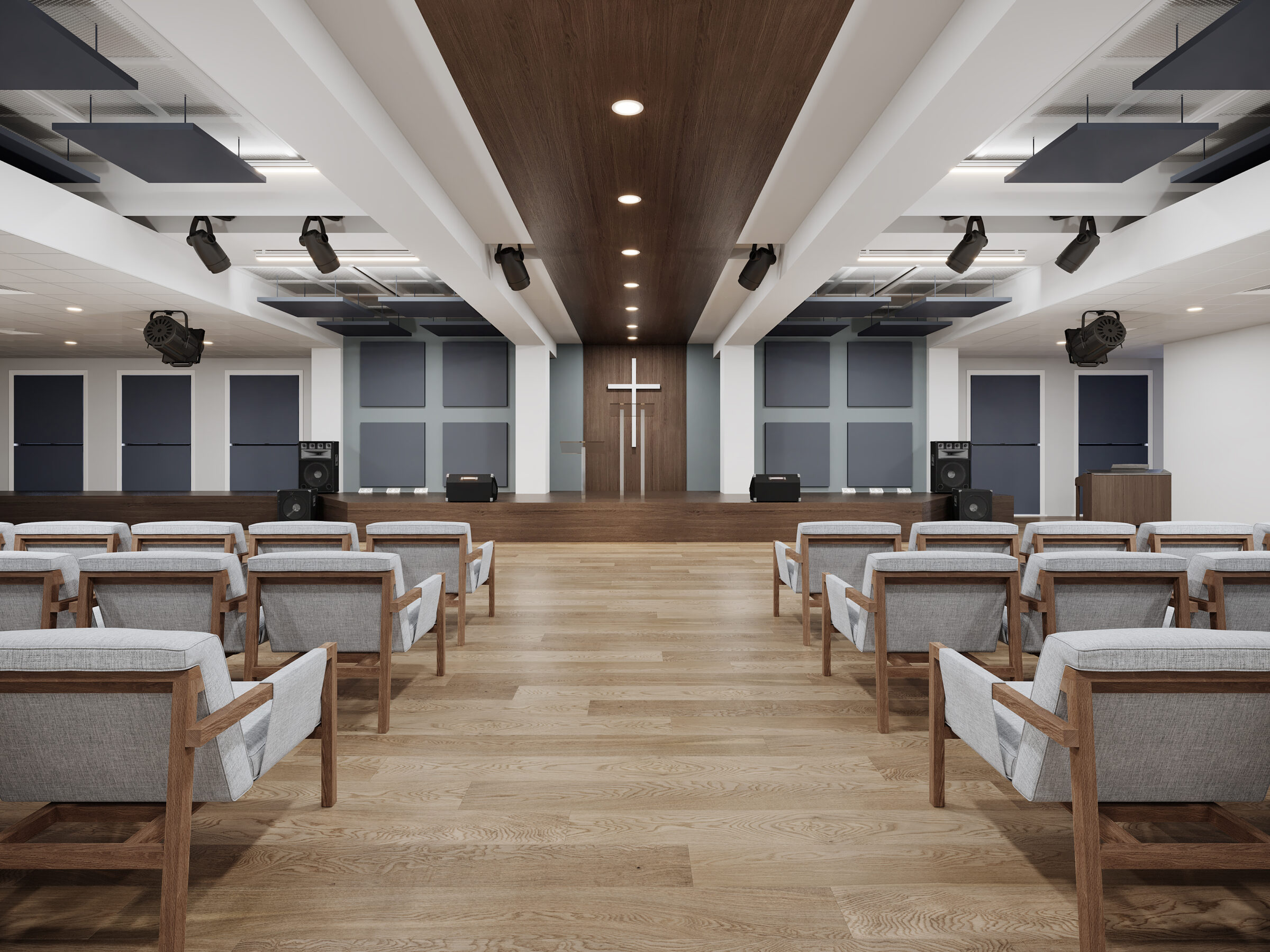
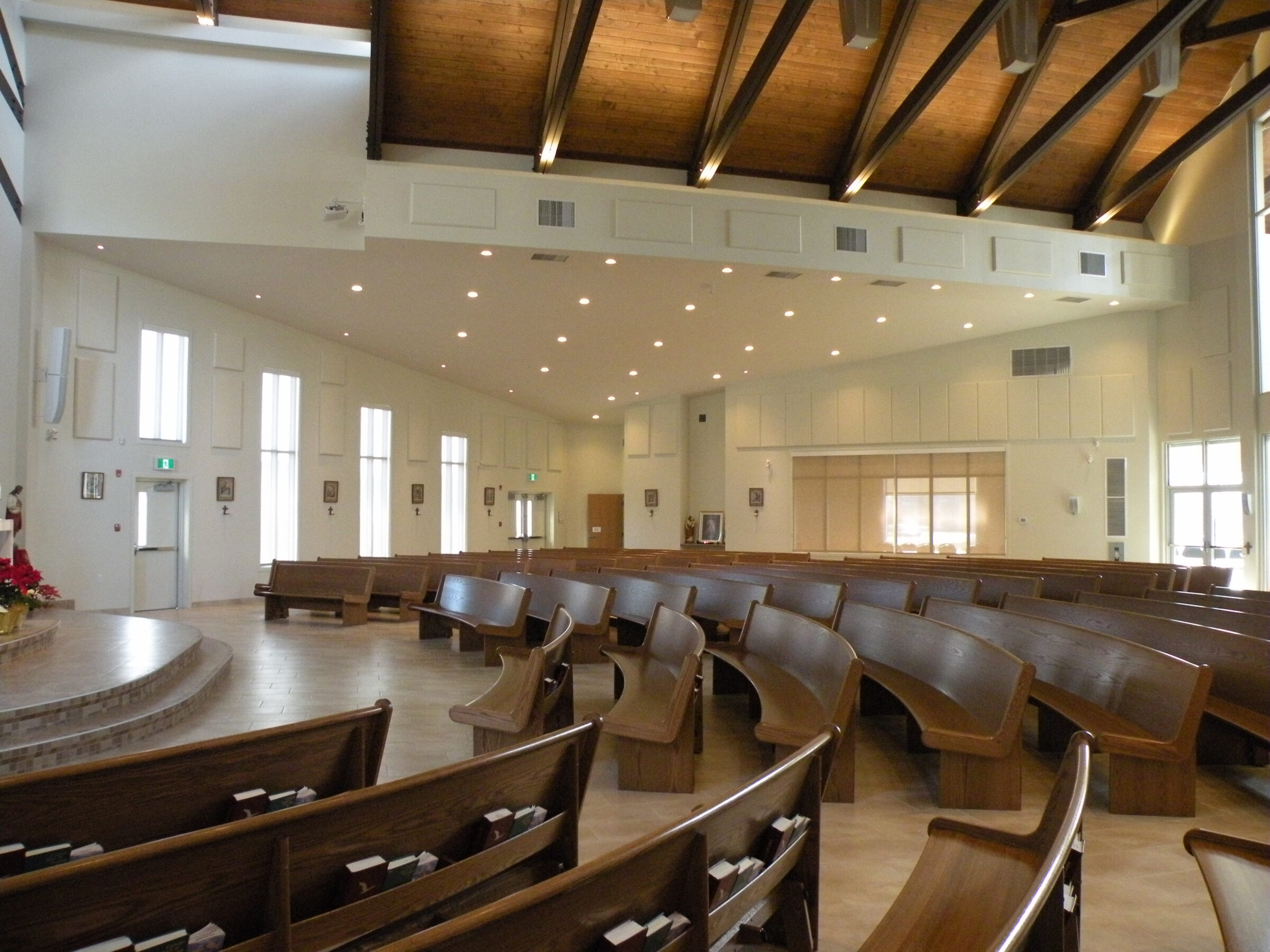
The sanctuary remains the heart of the facility. It requires a delicate balance: it must be reverberant enough to support the warmth of music but dry enough to ensure that every word of the sermon is intelligible. This is achieved through a strategic placement of absorbers and diffusers, ensuring that the sound reflects off surfaces in a way that energizes the room without creating muddy, incoherent echoes.
Lobbies and Gathering Areas: The Acoustic Buffer
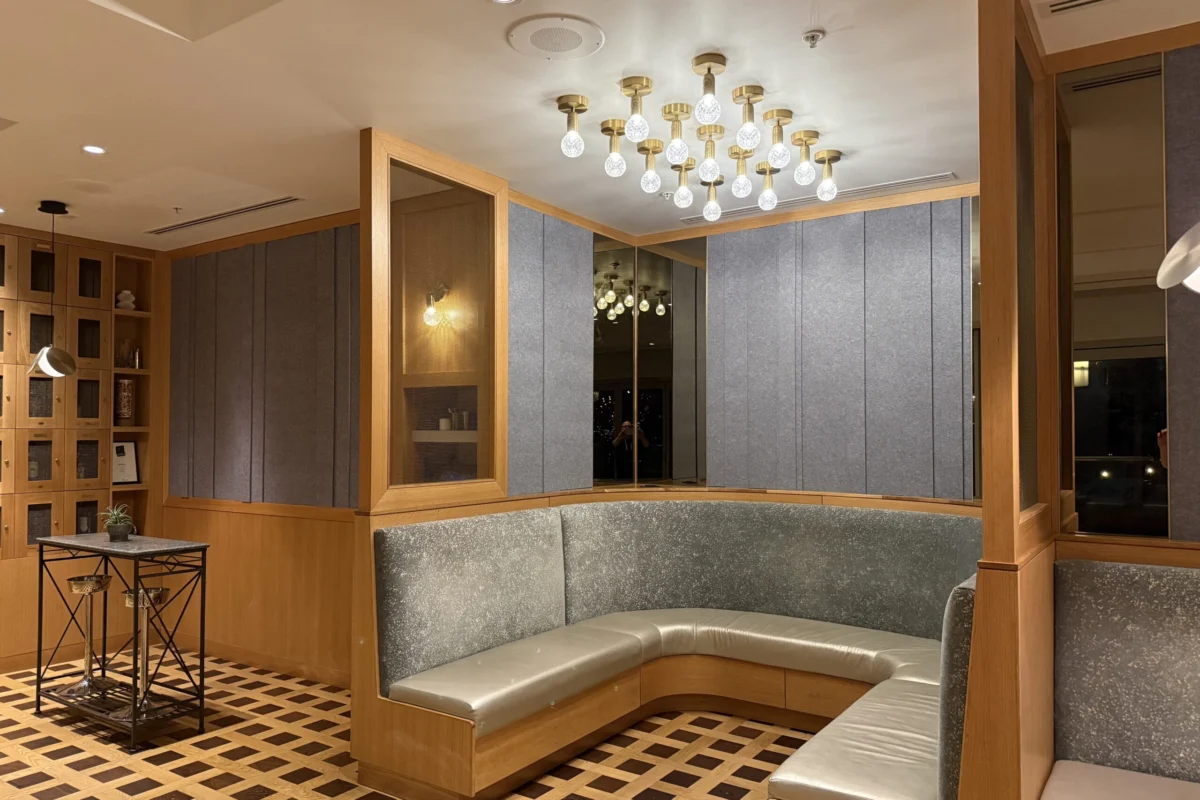
These transitional spaces are often the most problematic. Characterized by glass, tile, and high ceilings, they are inherently "bright." By installing decorative, high-performance acoustic panels, churches can reduce ambient noise, making these areas true "welcoming zones" rather than echo chambers that drive people away as soon as the service ends.
Classrooms and Meeting Rooms: Reducing Fatigue
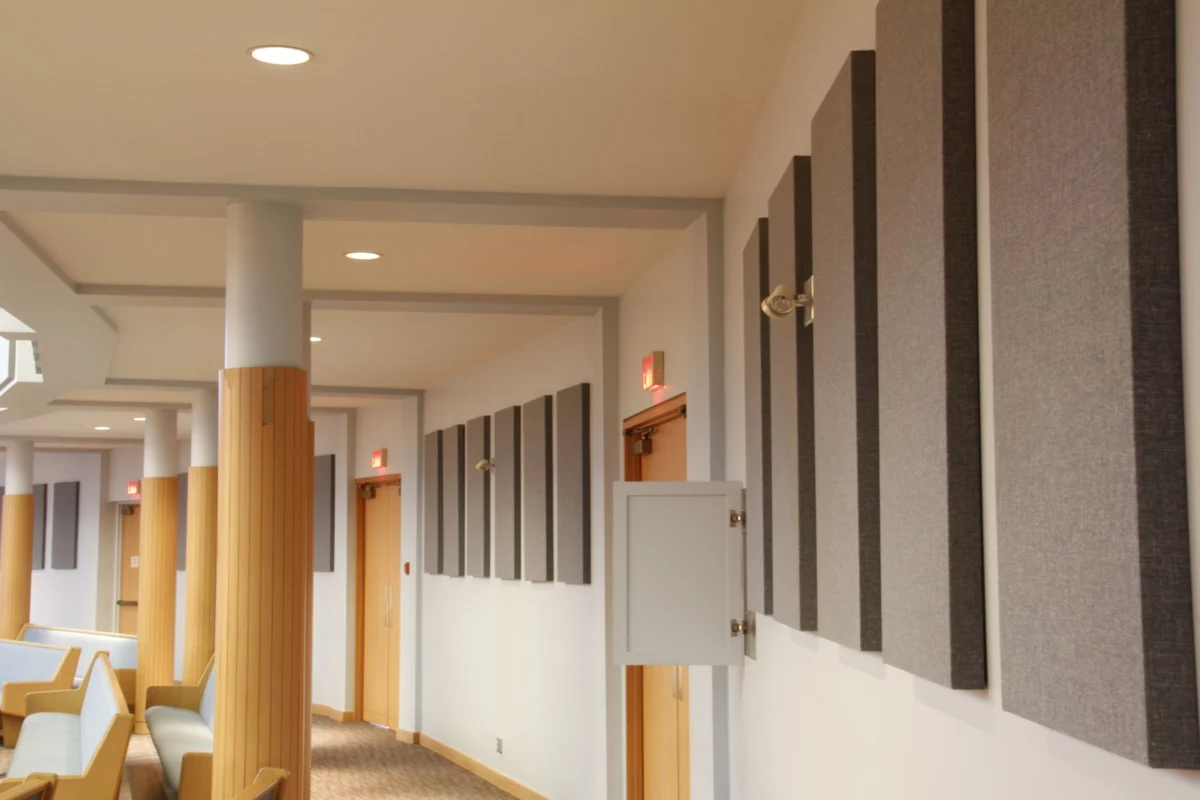
In these smaller, often "boxy" rooms, the challenge is typically sound buildup and lack of focus. Treating these rooms with acoustic materials prevents the "boomy" quality of small spaces, allowing teachers and group leaders to speak at a conversational volume, which reduces strain and fosters deeper connections among participants.
Youth and Multi-Purpose Spaces: Managing Chaos
These rooms are often the most demanding. When a space serves as a cafeteria, a basketball court, and a youth worship center, it requires "impact-resistant" acoustic solutions. High-performance panels must be durable enough to withstand physical activity while being sophisticated enough to provide the clear, punchy sound required for modern worship bands and multimedia presentations.
Official Perspectives: The Primacoustic Approach
Industry leaders in acoustic design, such as Primacoustic, argue that the "design-first" philosophy is the only way to ensure long-term success. According to their design experts, the process begins with identifying the specific use-case of a room.
"We don’t look at a building as a square footage problem," says a Primacoustic representative. "We look at it as a human-connection problem. If the environment is sonically hostile, the human connection is severed. Our mission is to ensure that from the moment a congregant walks into the lobby to the moment they leave the sanctuary, the environment is working for them, not against them."
This philosophy emphasizes a "conception to completion" strategy. By integrating acoustic planning into the early stages of building or renovation, churches avoid the costly "band-aid" fixes that often result in aesthetically displeasing patches. Instead, modern acoustic treatments can be customized to match the architectural vision, hiding unsightly HVAC infrastructure or serving as intentional design elements that enhance the visual beauty of the room.
Implications for Future Growth
As churches continue to evolve into community hubs, the demand for high-quality, inclusive environments will only increase. A church that sounds good is a church that is inviting. When visitors walk into a space that feels "comfortable"—where they can hear clearly, converse easily, and feel the music without it becoming a wall of noise—they are far more likely to return.
The investment in professional acoustics is not merely an expense; it is a commitment to the congregation. It is an acknowledgment that the environment in which people learn, worship, and grow is as vital as the message being shared.
Conclusion: The Path Forward
The transition to a "whole church" acoustic strategy requires a shift in mindset. It demands that leadership move beyond the sanctuary-centric view and recognize that every room has a role to play in the spiritual and social health of the community.
Whether utilizing studio-grade wall panels to sharpen the clarity of a sermon, or implementing PET-based, sustainably sourced treatments to quiet a busy fellowship hall, the goal remains the same: to create an atmosphere where everyone is heard, everyone is included, and the message is delivered with precision and grace. By addressing these challenges with intentionality, churches can ensure that their facilities remain places of comfort and clarity for decades to come.
For administrators looking to begin this journey, the focus should be on an audit of the current space. Identify the "friction points"—the rooms where people struggle to hear, the halls that feel chaotic, and the classrooms that feel draining. By tackling these challenges with a systematic, room-by-room approach, you are not just improving sound; you are building a stronger, more connected foundation for the future of your church.