The Symphony of Surface: How Texture and Acoustics Are Redefining Modern Architecture
014 mins
By Architectural Design & Engineering Review Published April 2026
Main Facts: The Intersection of Touch, Sound, and Spatial Design
In the modern built environment, the human experience is profoundly shaped by unseen forces. While architects and interior designers have long relied on visual metrics—lighting scales, color theory, and spatial layouts—to dictate the mood of a room, a critical dimension is frequently overlooked until it fails: acoustic comfort.
At the center of this oversight is the humble wall. Far from being passive background elements, walls are active participants in a room’s sensory ecosystem. Hard, unyielding, and sonically reflective surfaces like glass, concrete, and smooth drywall dominate contemporary architecture. While these materials impart a sleek, minimalist aesthetic that helps ease visual clutter in fast-paced environments, they also act as acoustic mirrors. Sound waves strike these flat barriers and bounce endlessly, creating echoes, reverberations, and a rising wall of ambient noise that fatigues occupants, degrades speech intelligibility, and fractures focus.
Enter surface texture—the missing link between how a space looks and how it feels.
Just as a master composer selects specific instruments to establish the beat, tempo, and emotional resonance of a piece of music, architectural designers use texture to orchestrate a room. When integrated intentionally into the initial phases of spatial planning, textured surfaces do double duty: they visually enrich the environment by manipulating light and shadow, and they physically diffuse sound waves, scattering them in multiple directions to tame unruly acoustics.
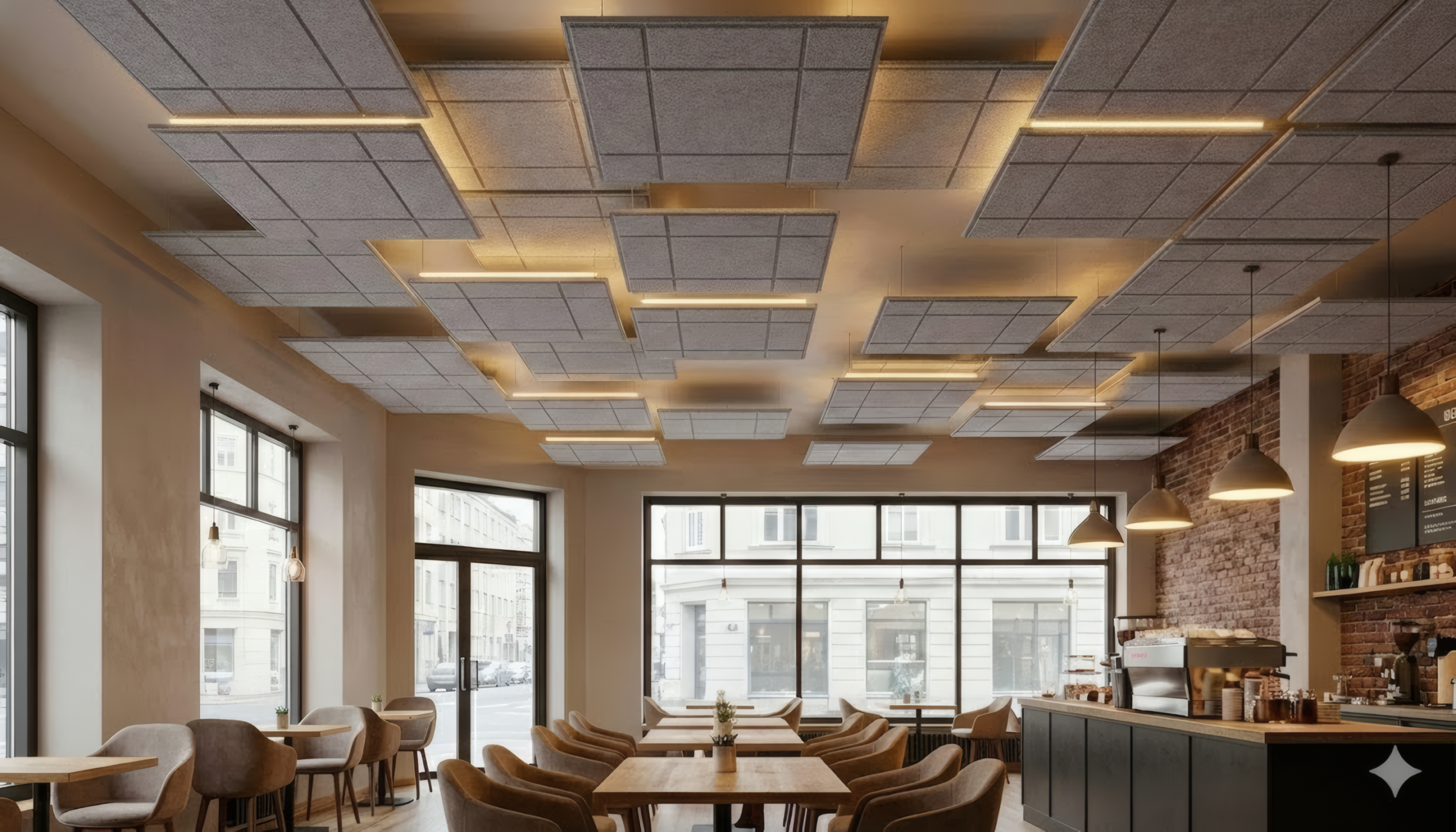
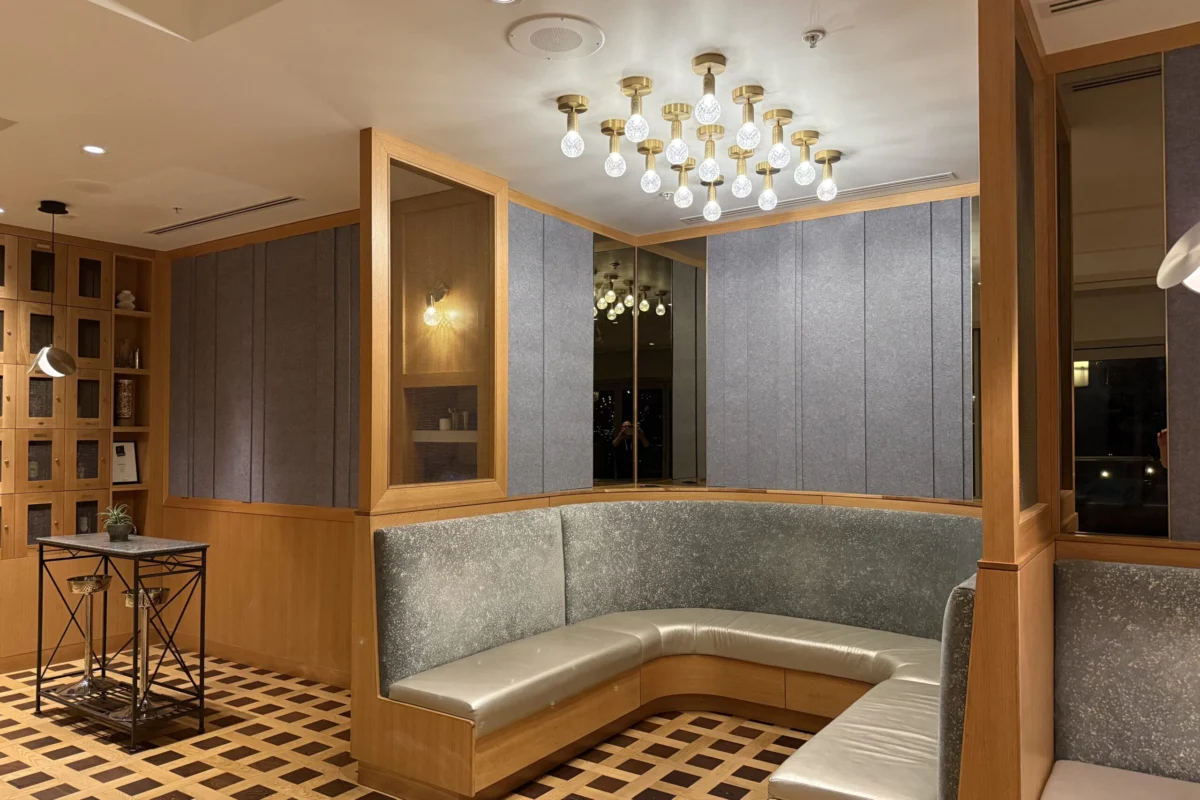
A prime example of this design evolution is found in innovations like Primacoustic’s EcoScapes Contour Panels. Constructed from high-performance PET (polyethylene terephthalate)—a sustainable material sourced from recycled plastic bottles—these panels bridge the historic gap between industrial soundproofing and high-end interior aesthetics. Through precision carving, engraving, and custom color-matching, acoustic treatments are transforming from intrusive utility items into striking architectural statement pieces, ceiling clouds, and brand-specific feature walls.
Chronology: The Evolution of Architectural Acoustics and Interior Finishes
To understand why the marriage of texture and sound is gaining such acute industry traction today, it is helpful to trace how acoustic design has evolved within commercial and residential architecture:
The Mid-20th Century (The Industrial Problem): As modernist architecture took hold, favoring steel, glass, and expansive open floor plans, buildings became exponentially louder. Acoustic control was treated as an afterthought, typically resolved by slapping utilitarian, industrial-grade fiberglass tiles onto drop ceilings. These solutions worked sonically but ruined aesthetic integrity.
The Late 20th Century (The Era of Remediation): As open-office concepts expanded, noise pollution became a recognized workplace hazard. The market flooded with after-market acoustic fixes—fabric-wrapped panels, foam wedges, and hanging baffles. While functional, these additions frequently clashed with interior design intent, leading architects to view sound management as a necessary compromise rather than a design opportunity.
The Early 2000s (The Rise of Sustainable Materials): The architectural world shifted toward green building certifications (such as LEED and WELL). Manufacturers began experimenting with recycled materials, leading to the development of molded and compressed PET felt. This material proved to be mechanically malleable, safe, and inherently sound-absorptive.
The 2020s (The Convergence of Form and Function): With advanced CNC routing and precision laser-cutting technologies, PET panels ceased to be flat, monochromatic sheets. Designers could now carve intricate, three-dimensional patterns into the material.
Present Day (Holistic Sensory Design): Today, acoustic comfort is increasingly recognized as a foundational pillar of human-centric design. Rather than relying on patch-job remedies after construction, forward-thinking designers are integrating carved, textured acoustic panels during the initial conceptualization phase—treating walls as active, multi-sensory canvases.
Supporting Data: The Impact of Sound and Surface on Human Well-Being
The urgency of integrating acoustic treatments early in the design phase is backed by a growing body of research concerning noise pollution and cognitive fatigue in built environments.
Cognitive Load and Noise: According to workplace productivity studies, unwanted background noise and reverberation can reduce worker productivity by up to 15%. Speech transmission indices show that in spaces with high reverberation times (exceeding 0.8 seconds), cognitive fatigue sets in much faster because the brain must work harder to filter out echoes and comprehend speech.
The Visual-Acoustic Connection: Human psychology heavily associates visual texture with acoustic softness. When a room looks entirely hard and flat (e.g., concrete and glass), the human brain subconsciously braces for an echo chamber. Introducing tactile depth calms the nervous system both visually and sonically.
Sustainable Material Performance: PET acoustic panels typically boast a Noise Reduction Coefficient (NRC) ranging from 0.65 to 0.85 (depending on thickness and mounting depth), meaning they absorb a substantial majority of the sound energy that strikes them rather than reflecting it back into the room. Furthermore, by utilizing recycled plastic bottles, these panels divert significant plastic waste from landfills while meeting rigorous commercial fire and safety codes.
Official Responses and Industry Perspectives
Industry leaders, acoustic engineers, and interior architects are increasingly speaking out about the paradigm shift toward textured, dual-purpose architectural elements.
"When people think of acoustic panels, they historically imagine something intrusive that detracts from a clean, uncluttered aesthetic," notes a leading commercial interior designer specializing in modern corporate offices. "The flexibility of modern PET materials changes that entirely. We can now create wall and ceiling solutions that are virtually indistinguishable from custom millwork or stone, yet perform a vital acoustic function."
Acoustic consultants emphasize that treating walls as active design surfaces eliminates the common friction between interior designers and acoustic engineers.
"In the past, the acoustic engineer would walk into a completed space, point out that it sounded like a gymnasium, and demand that soft things be hung everywhere," explains an architectural acoustics specialist. "By addressing texture and sound absorption early in the schematic design phase, we preserve the architect’s minimalist or maximalist vision. The acoustic treatment doesn’t fight the design; it is the design."
Manufacturers like Primacoustic point to the psychological shift of allowing users to interact with walls not just with their eyes, but conceptually and physically. Contour panels, for instance, invite users to trace engraved features visually and by touch, turning a blank boundary into an engaging focal point.
Implications: Designing Spaces That Look Good and Feel Right
The movement toward textured, acoustically optimized surfaces carries profound implications for the future of architecture across multiple sectors:
1. Corporate and Collaborative Workspaces
As companies compete to bring employees back to physical offices, workspace quality is paramount. Open-plan offices plagued by reverberant chatter create environments of high stress and low focus. By integrating carved, sound-diffusing PET panels into conference rooms and open areas, companies can foster collaboration without sacrificing acoustic privacy or aesthetic sophistication.
2. Educational Institutions
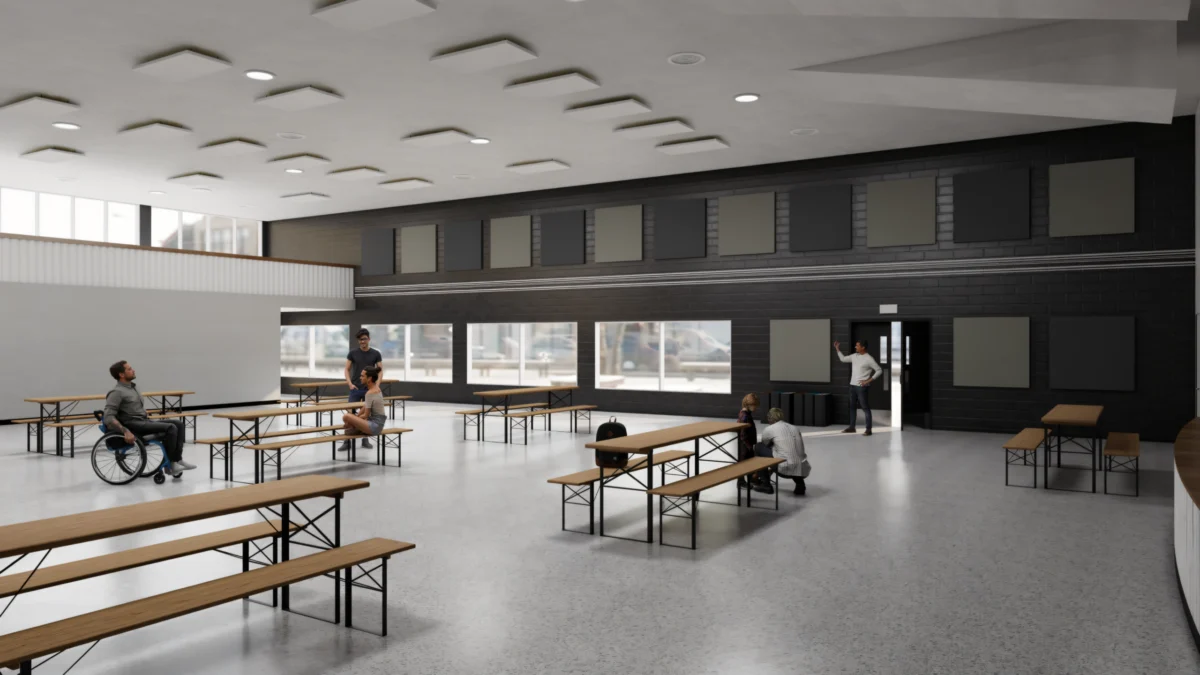
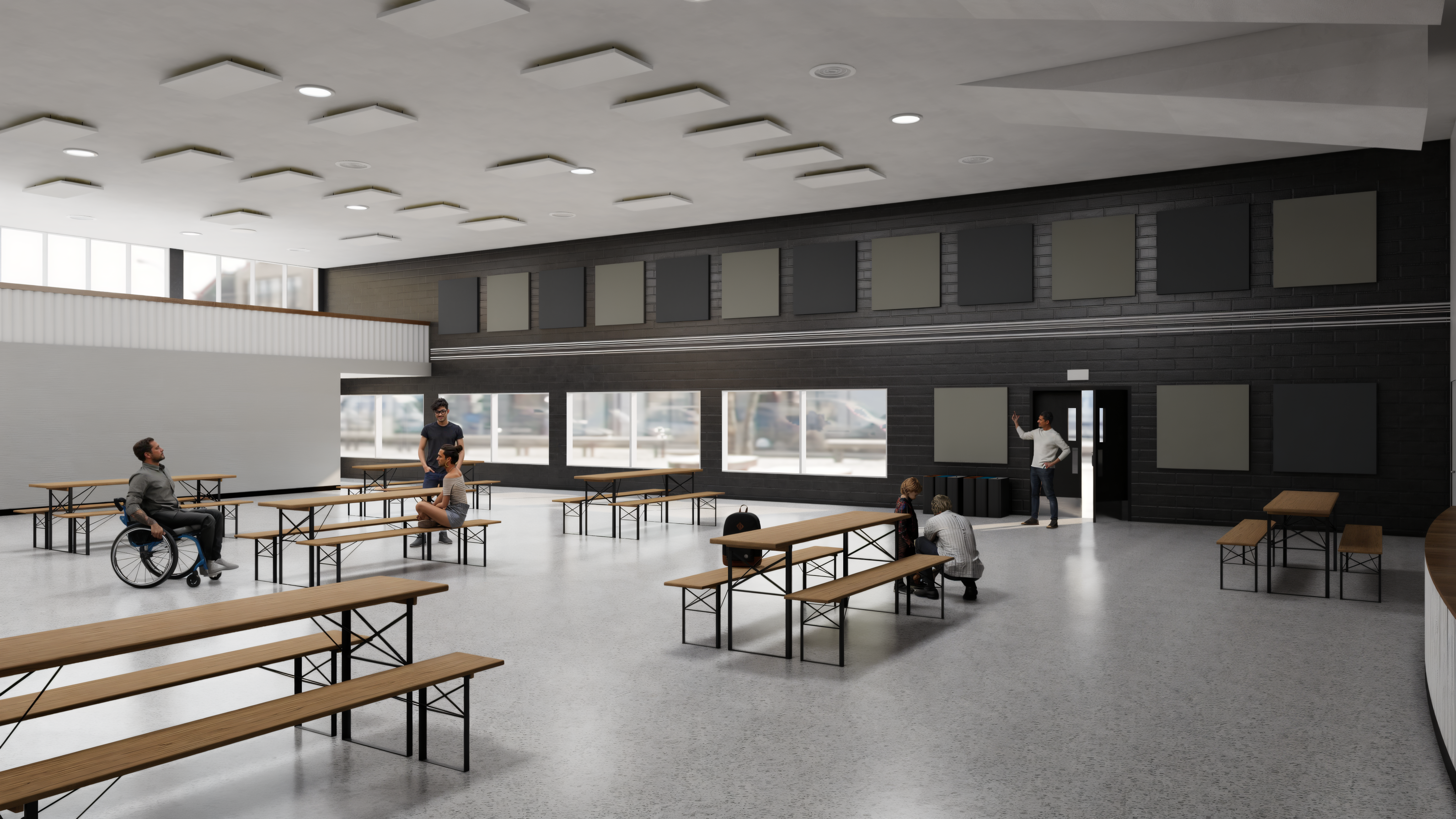
Classrooms are notoriously difficult acoustic environments. Hard floors, chalkboards, and block walls bounce teacher and student voices alike, muddying speech clarity and degrading learning outcomes. Textured acoustic surfaces installed on classroom walls and ceilings capture stray frequencies, directly improving comprehension and reducing vocal strain for educators.
3. Hospitality and Worship Spaces
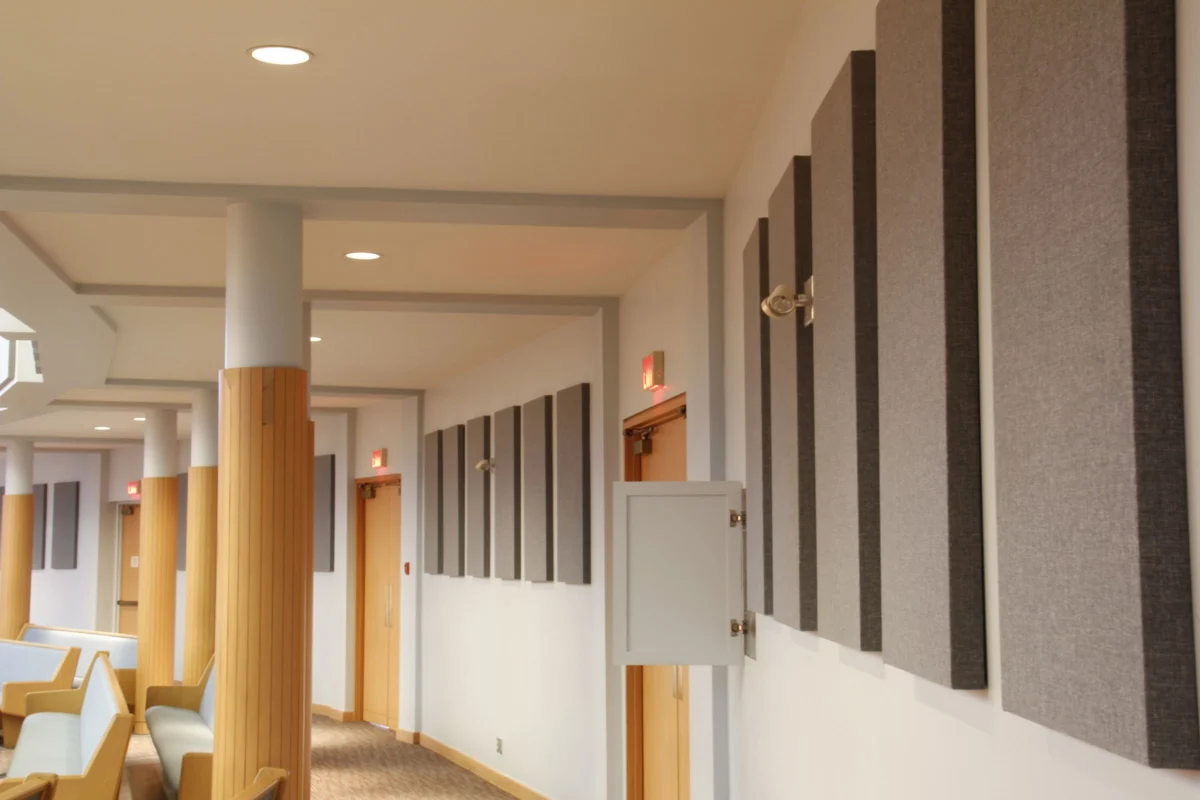
Restaurants, hotels, and places of worship require distinct emotional ambiances. A restaurant where patrons must shout to be heard over ambient reflections fails on an experiential level, regardless of how stunning the interior décor is. Conversely, houses of worship require careful balance between reverberation (for music) and clarity (for spoken word). Sculpted acoustic surfaces allow designers to tune these spaces precisely.
4. The Future of Sustainable Architecture
As building codes tighten around carbon footprints and circular economies, the reliance on virgin building materials is under scrutiny. The adoption of high-performance panels made from recycled PET proves that sustainability does not require aesthetic compromise.
Conclusion
Ultimately, designing a successful space is a holistic endeavor. Just as a musical composition requires careful consideration of beat, rhythm, and instrumentation, architecture demands a balanced interplay between visual depth, material texture, and sonic control.
By recognizing that walls are active surfaces and addressing acoustic comfort at the inception of a project, designers can craft environments that are as easy on the ears as they are on the eyes. The result is a new generation of spaces that do not merely look good on camera, but genuinely feel right to inhabit—transforming functional boundaries into intentional, harmonious works of art.