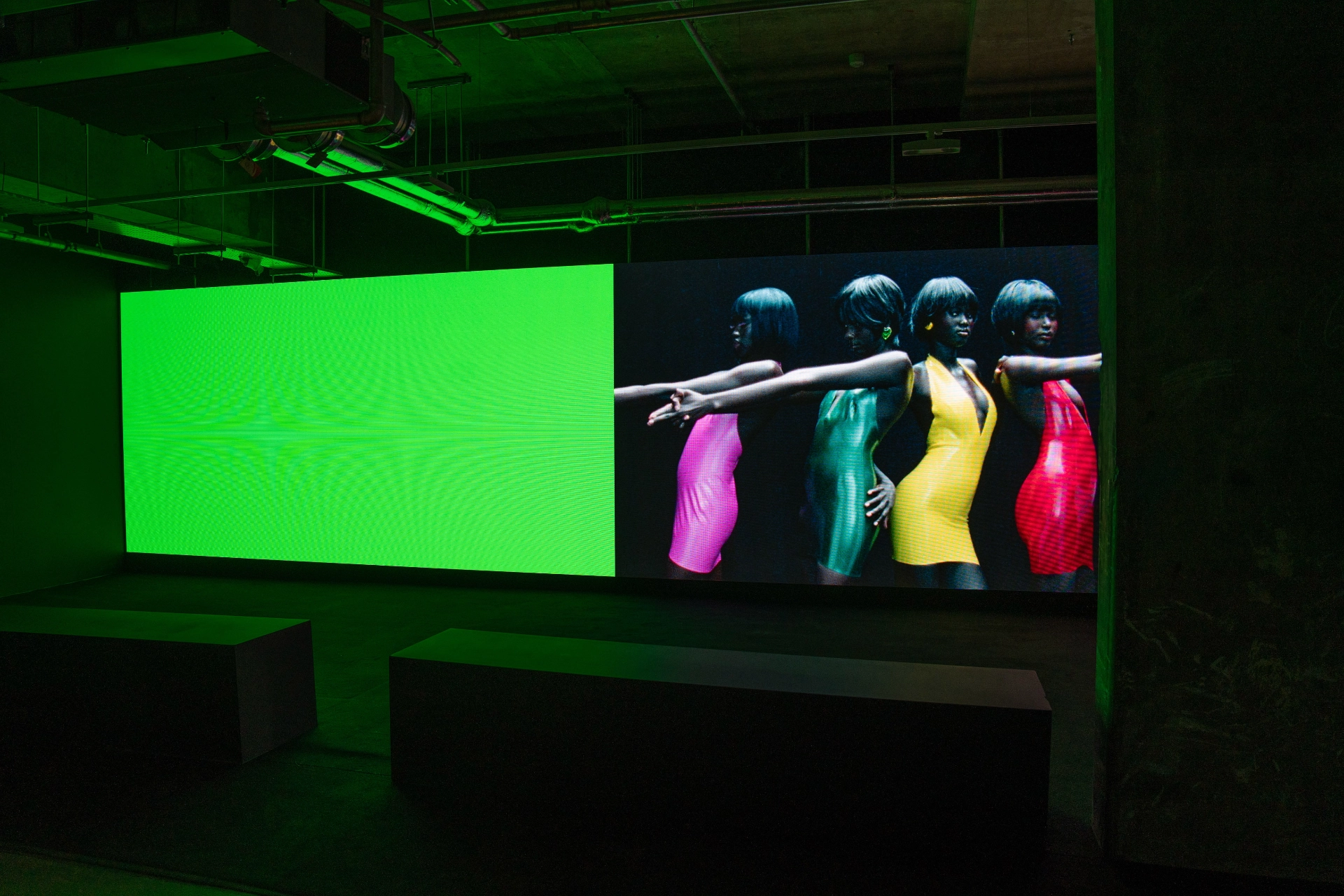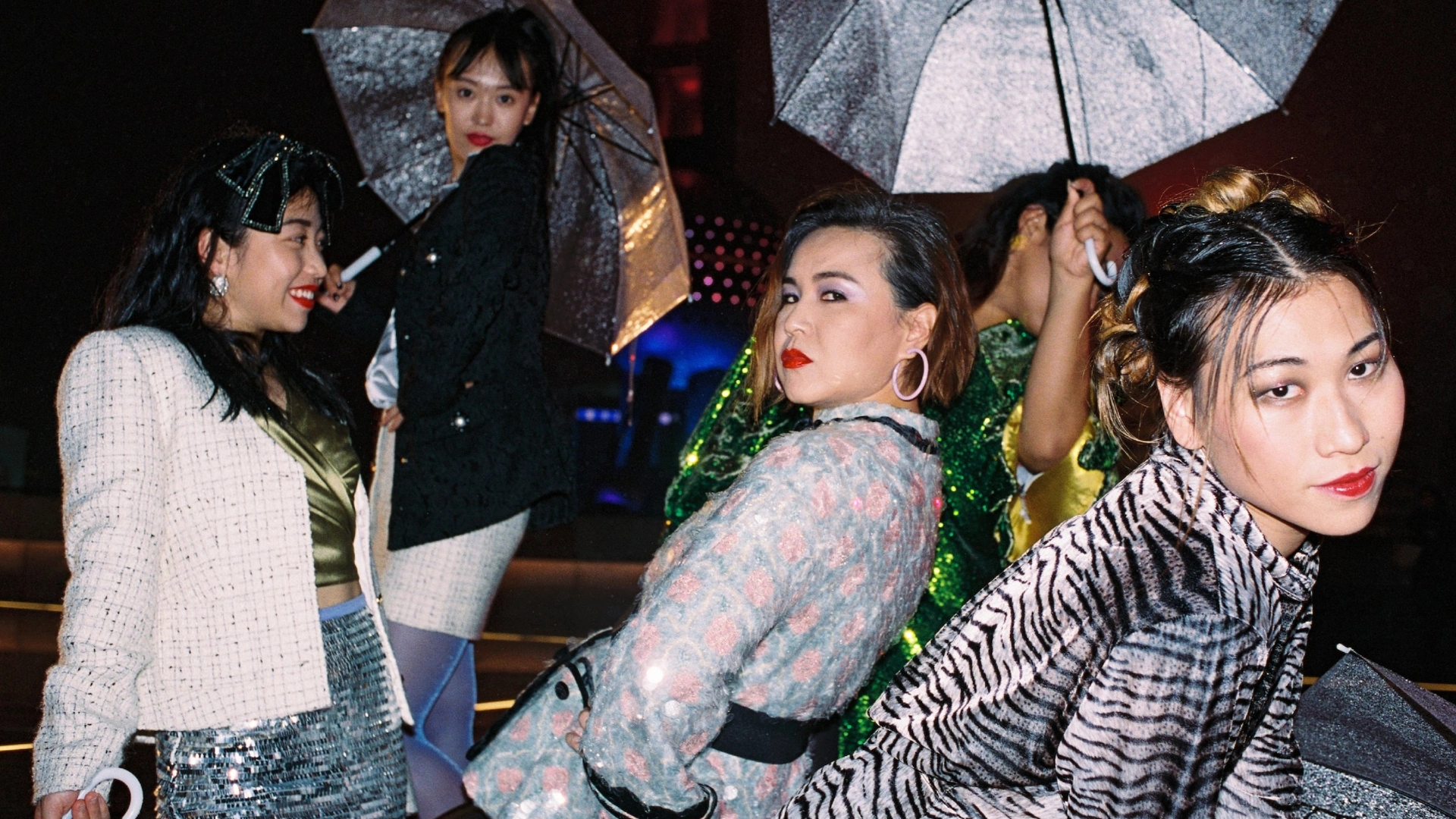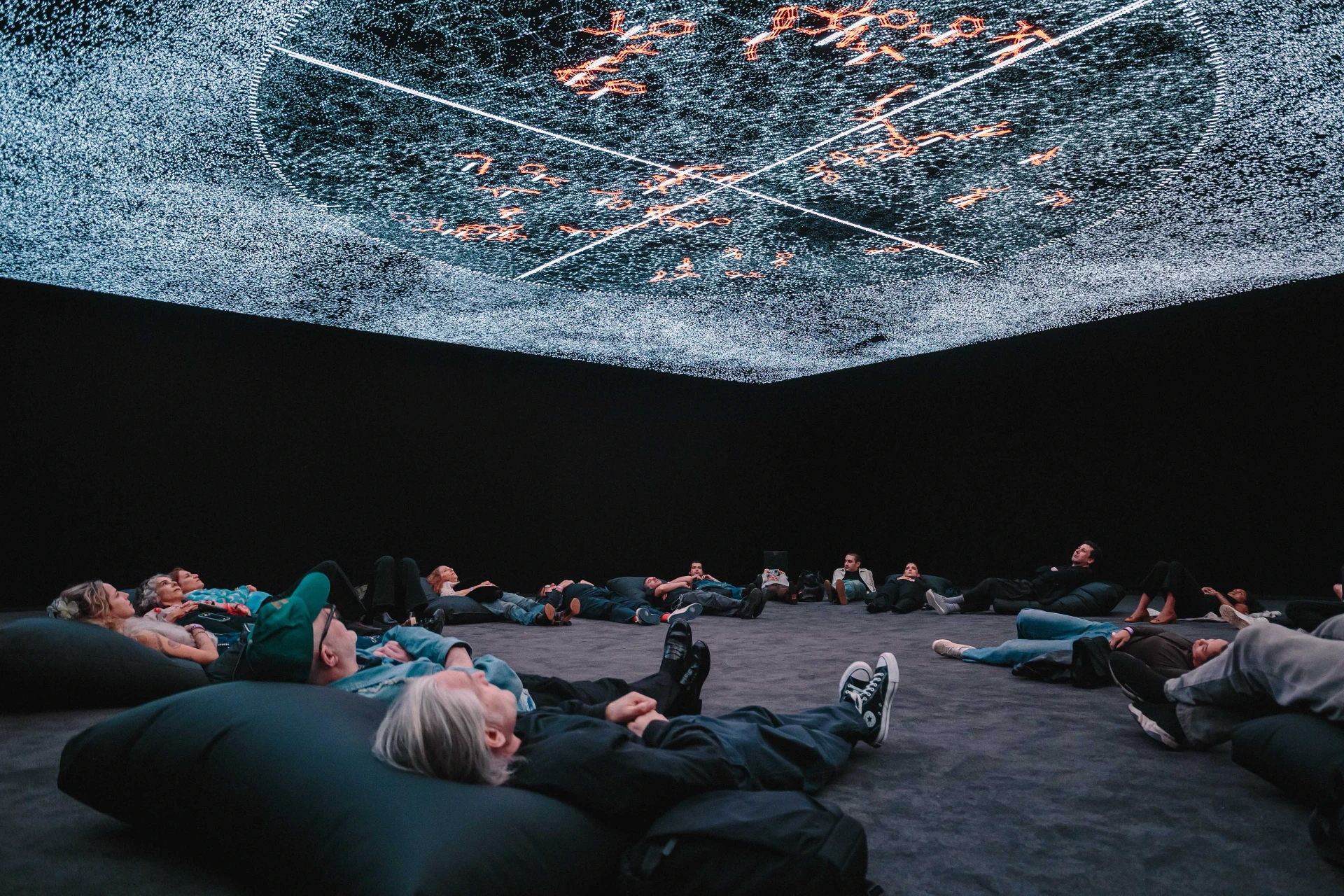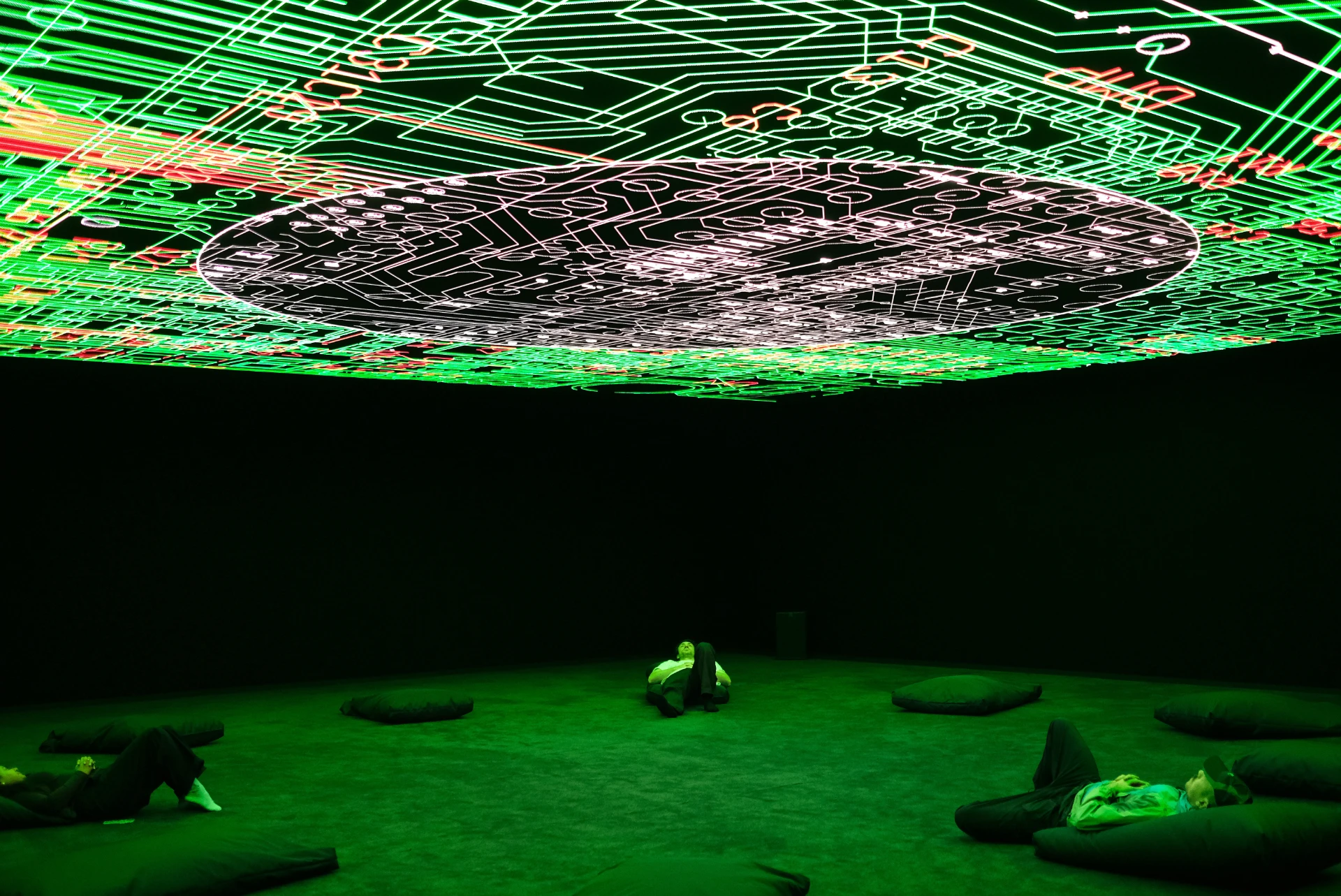
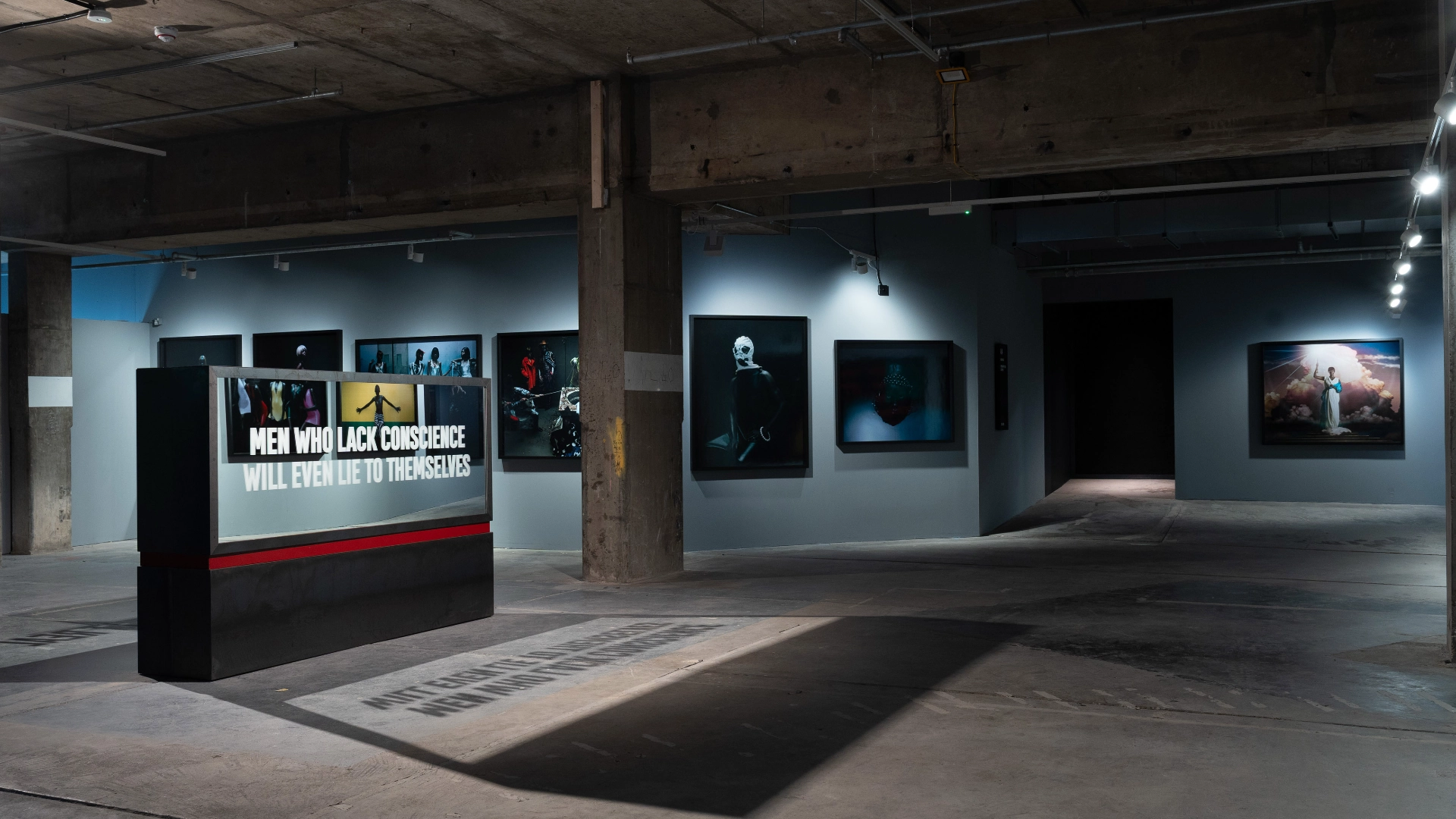
In the heart of London’s creative district, 180 Studios has once again transformed into a portal. This time, it is the canvas for Gabriel Moses, the visionary photographer and filmmaker whose aesthetic—a delicate alchemy of shadow, heritage, and kinetic energy—has become the definitive visual language of a generation. His latest exhibition, Selah, is not merely a retrospective; it is an ambitious, sprawling manifesto that demands the viewer abandon the role of a passive observer and step into a living, breathing environment.
Spanning two floors of the iconic brutalist space, Selah serves as a profound maturation of the artist’s practice. With over 70 photographs, 10 films, and a series of site-specific sculptures, the exhibition chronicles Moses’s rapid ascent through the worlds of high fashion, global sports, and contemporary music. Yet, beneath the veneer of prestige, Selah functions as an introspective inquiry into the nature of time, stillness, and the "pause"—a definition inherent in the Hebrew word that gives the exhibition its title.
The Genesis of a Visionary: From ‘Regina’ to ‘Selah’
To understand the weight of Selah, one must look back to 2023. It was then that Moses debuted Regina, his first solo exhibition at 180 Studios. Regina was a love letter to his roots, a nostalgic yet razor-sharp exploration of community and upbringing that established Moses as a master of intimate portraiture.
"I’ve grown a lot in those two years," Moses reflects, sitting in the quiet anticipation of the gallery space. "I’ve developed more as an artist, certainly, but more importantly, I’ve developed as a narrator. For me, it was vital to create a show that felt so much more immersive and interactive. With Regina, I wanted to show you who I was. With Selah, I want you to feel where I am going."
The transition from Regina to Selah marks a shift from the biographical to the conceptual. Where his earlier work often relied on the static beauty of the still image, Selah introduces a rhythmic, architectural complexity. The exhibition does not just occupy the room; it dictates the pace at which the viewer moves, compelling a meditative experience that honors the literal definition of selah: a musical notation indicating a pause or a break to contemplate what has just been heard.
The Architecture of the Exhibition: A Chronology of Style
The curation of Selah is a masterclass in spatial storytelling. Upon entering the exhibition, visitors are greeted by a labyrinthine structure that mirrors the non-linear progression of Moses’s career.
Phase One: The Foundations of Identity
The lower floor serves as a repository for Moses’s formative years. Here, the photographs are raw and unfiltered. We see the early experiments with light that would eventually become his trademark—long, dramatic shadows that sculpt the faces of his subjects. This section acts as a chronological anchor, reminding the audience that before the global campaigns and the red carpets, there was a young man in London capturing the poetry of the mundane.
Phase Two: The Synthesis of Culture
As the viewer ascends, the focus shifts toward the intersection of high culture and street-level authenticity. This floor houses his work for major fashion houses, musicians, and athletes. However, the curation avoids the trap of a "commercial showcase." Instead, Moses treats these images as ethnographic studies. A photograph of a legendary athlete is treated with the same reverence as a candid shot of a neighbor; the lighting remains consistent, the gaze remains respectful, and the narrative remains centered on human resilience.
Phase Three: The Premiere of The Last Hour
The emotional climax of the exhibition is the premiere of his latest short film, The Last Hour. While his photography captures the "pause," this film captures the "momentum." It is a visceral, sensory experience that utilizes sound design and rapid-fire editing to confront the viewer with the urgency of the present moment. It is the most significant departure from his previous work, showcasing a filmmaker who is no longer afraid to embrace chaos to find the truth.
Supporting Data: The Scale of Ambition
The sheer magnitude of Selah is reflected in the technical specifications of the show. With 70 photographs and 10 films, the exhibition represents the largest collection of Moses’s work ever assembled.
- Spatial footprint: Two floors of the 180 Studios complex.
- Media diversity: A mix of large-format prints, archival digital installations, and interactive sculptures that engage the viewer’s tactile senses.
- Duration: The show will run for an extended period, concluding on August 31, 2025, allowing for a longitudinal interaction with the art.
- Visitor engagement: Unlike traditional gallery settings, Selah integrates seating and architectural elements that encourage visitors to linger, reflecting the artist’s desire for a "slow-look" experience.
Official Perspectives: The Industry Impact
The art world has responded to Selah with a mixture of critical acclaim and genuine surprise at the speed of Moses’s evolution. Critics have noted that while many young artists struggle to translate their Instagram-ready aesthetic into physical, three-dimensional spaces, Moses has navigated the transition with the confidence of a veteran curator.
"What Gabriel has done," notes one curator familiar with the project, "is treat the gallery as an extension of the camera lens. He isn’t just hanging prints; he is framing the entire experience of being in the room."
For Moses, the feedback is secondary to the purpose of the work. "I didn’t want to just create a ‘cool’ show," he says. "I wanted to create a sanctuary. In a city like London, where everything is moving at 100 miles per hour, Selah is meant to be a reminder that there is power in stopping. There is power in the silence between the beats."
The Broader Implications: Redefining the Role of the Modern Artist
The success of Selah highlights a significant shift in the role of the contemporary photographer. We are moving away from the era of the "lone shooter" and toward the era of the "visual architect." Moses is at the forefront of this movement, blending disciplines to create a singular, immersive brand of storytelling that transcends the limitations of print media.
The Democratization of Art
By hosting the exhibition at 180 Studios—a venue known for bridging the gap between underground culture and high-end artistic production—Moses is effectively democratizing his work. Selah is not gated behind the exclusionary walls of a traditional museum; it is accessible, loud, and deeply connected to the pulse of modern London.
The Future of the "Moving Still"
Moses’s integration of short film alongside still photography poses an interesting question for the future of the medium. As technology allows for more fluid transitions between these two modes of storytelling, artists like Moses are pioneering a "hybrid aesthetic." The Last Hour is not just a film; it is a moving photograph. The lighting, the composition, and the color grading are all perfectly aligned with his stills, creating a cohesive visual universe that feels both timeless and hyper-modern.
A Call to Witness
As Selah continues its run, it serves as a testament to the idea that growth is not just about producing more—it is about refining the "why." Gabriel Moses has managed to take his personal evolution and project it onto a massive scale without losing the intimacy that made his work resonate in the first place.
For those planning to attend, the recommendation is clear: do not rush. The beauty of Selah lies in the nuance—in the way the shadows fall across a portrait, in the subtle rhythm of The Last Hour, and in the deliberate, carved-out spaces that allow for reflection.
Gabriel Moses has invited us to take a breath, to pause, and to bear witness. In the relentless noise of the modern world, Selah is the most important conversation happening in London today.
Exhibition Details:
- Venue: 180 Studios, London.
- Dates: Open now through August 31, 2025.
- Tickets: Available exclusively via the 180 Studios website.
- Further Reading: For deeper insights into the artist’s trajectory, revisit the announcement of the exhibition and his past interviews regarding his journey from South London to the global stage.