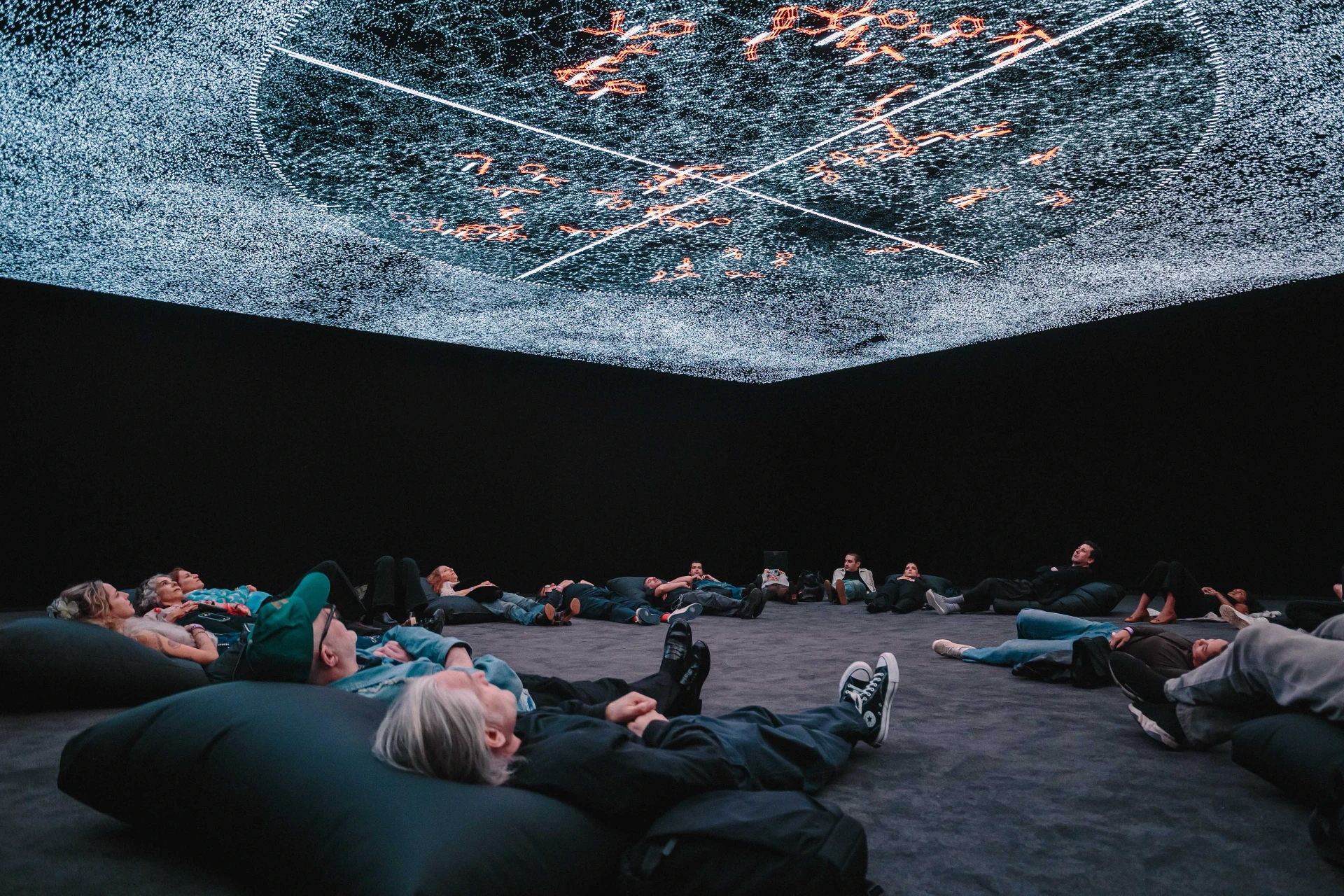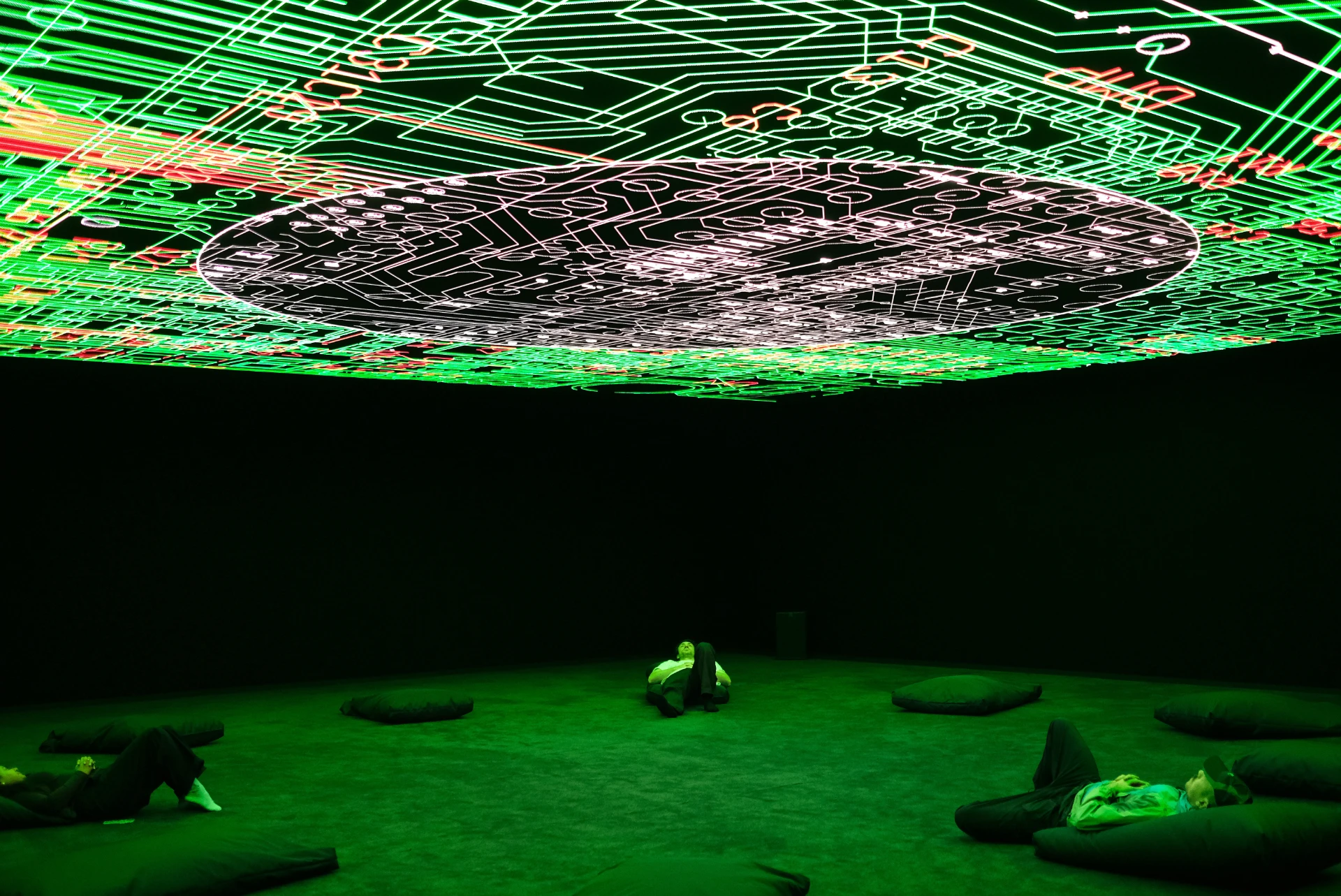
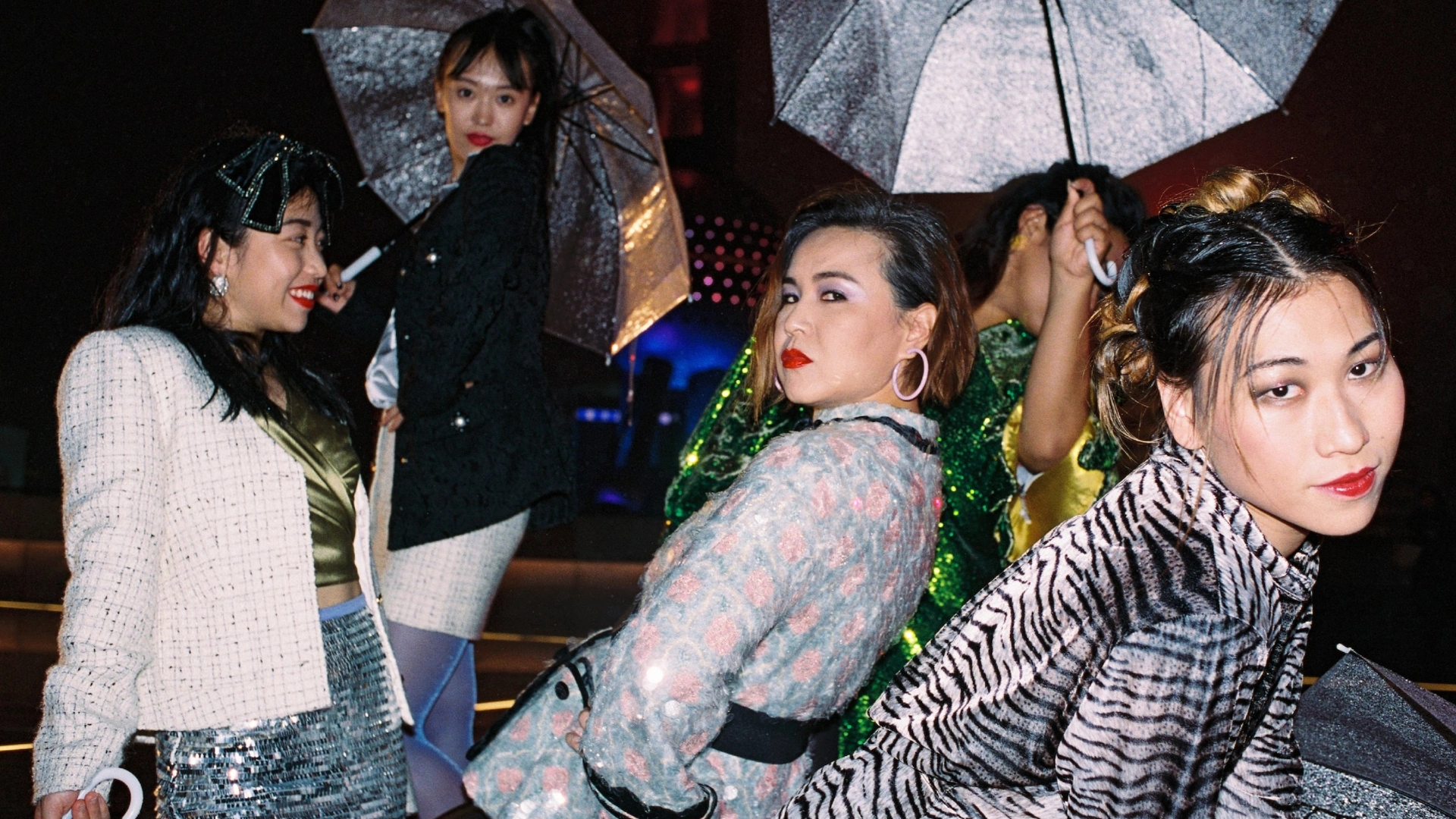
London’s cultural landscape is set for a seismic transformation this autumn as 180 Studios unveils Paradigm Shift, an ambitious, sprawling exhibition dedicated to the evolution of the moving image. Opening on Wednesday, 15 October 2025, the exhibition transforms the vast, subterranean labyrinth of 180 The Strand into a multi-sensory chronicle of how we have viewed, consumed, and created culture through the lens of a screen over the last half-century.
Featuring a staggering array of heavyweights from the worlds of fine art, avant-garde cinema, and digital subcultures, Paradigm Shift is not merely a retrospective; it is an interrogation of how technology—from the humble Super 8 camera to the infinite scroll of the internet—has fundamentally rewritten the human experience.
The Core Narrative: A History of the Moving Image
At the heart of the exhibition lies a simple yet profound premise: the way we document our reality dictates the way we perceive it. Curated by 180 Studios’ Mark Wadhwa and Dazed co-founder Jefferson Hack, the show bridges the gap between the underground experiments of the 1970s and the hyper-connected, algorithmic reality of 2025.
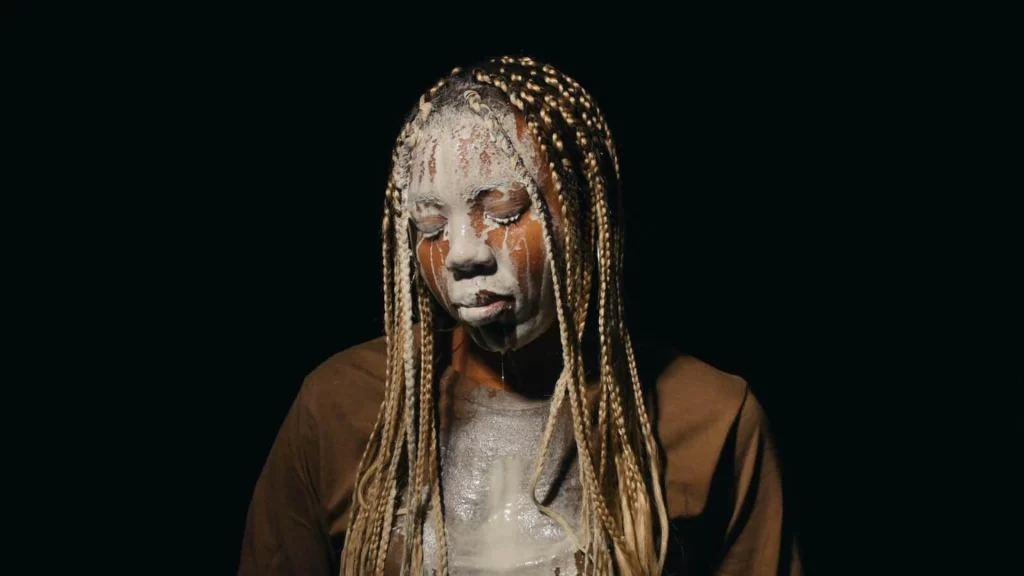
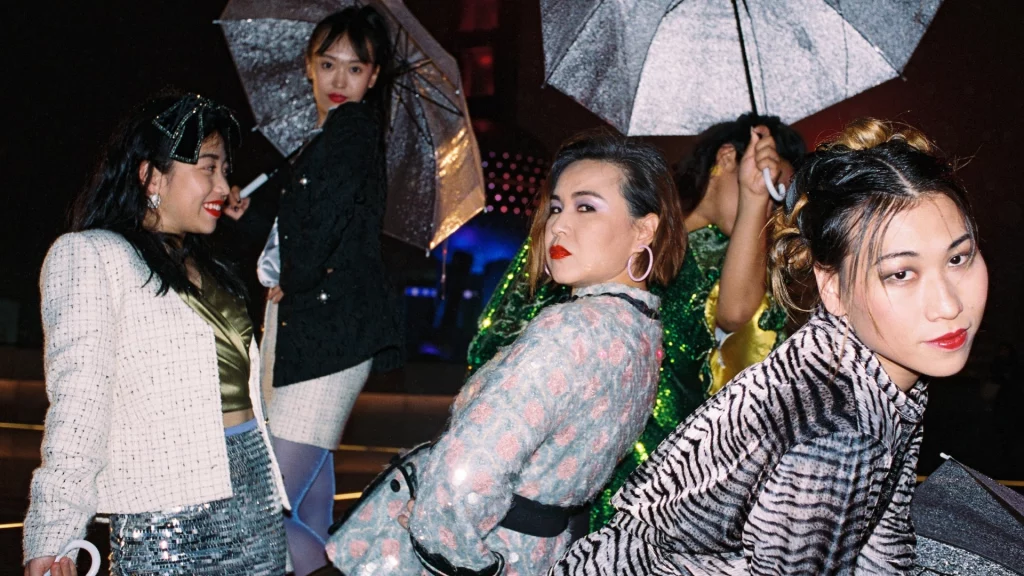
Visitors will find themselves navigating a curated path that juxtaposes the analog grit of early video art with the high-definition, high-velocity output of the digital age. The lineup is, quite simply, a "who’s who" of visual culture. Icons such as Andy Warhol and Derek Jarman share space with contemporary provocateurs like Martine Syms, Ryan Trecartin, and Arthur Jafa. The inclusion of fashion-forward collectives like TELFAR and Foday Dumbuya alongside video artists like Pipilotti Rist and Cao Fei underscores the exhibition’s refusal to remain siloed within the traditional "gallery" definition of art.
A Chronology of Rebellion: From VHS to the Metaverse
To understand Paradigm Shift, one must view it as a timeline of rebellion. The exhibition traces the lineage of artists who utilized the specific tools of their time to challenge the status quo, effectively democratizing the moving image.
The Analog Dawn (1970s–1980s)
In the 1970s, video was a medium of disruption. When artists like Andy Warhol began experimenting with the portability of new recording technologies, they effectively broke the monopoly of the film studio. The early section of the exhibition highlights this era of "guerrilla" filmmaking—a time when the graininess of the image was a badge of authenticity, and the act of recording was a political statement.
The Age of Synthesis (1990s–2000s)
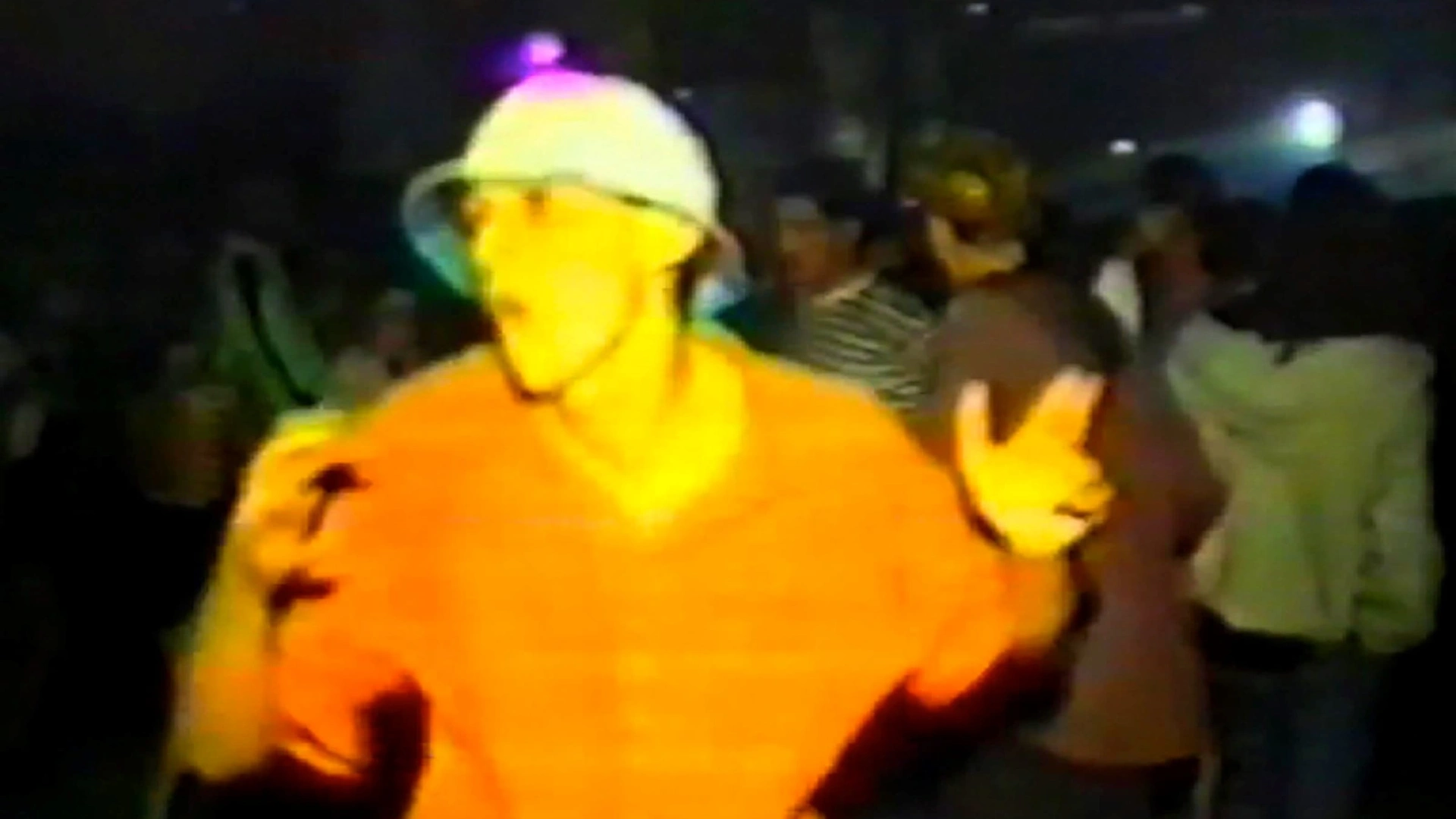
As we move into the 90s, the exhibition highlights the work of artists like Mark Leckey. His 1999 masterwork, Fiorucci Made Me Hardcore, serves as a cornerstone of the collection. It encapsulates the transition from the physical club scene to the mediated memory of that scene, demonstrating how pop culture and personal identity began to blur through the repetition of found footage.
The Hyper-Connected Present (2010s–2025)
The final act of Paradigm Shift addresses the contemporary condition: the era of the screen as an extension of the self. With new commissions designed specifically for the 180 Studios space, the exhibition explores how internet culture, gaming, and social media algorithms have turned every individual into a curator of their own reality. This section features works by artists who operate at the intersection of gaming engines and cinematic storytelling, reflecting a world where the distinction between "virtual" and "real" has almost entirely evaporated.
Supporting Data: The Scope of the Exhibition
Paradigm Shift is not a modest undertaking. The logistics of the show speak to the gravity of the subject matter:
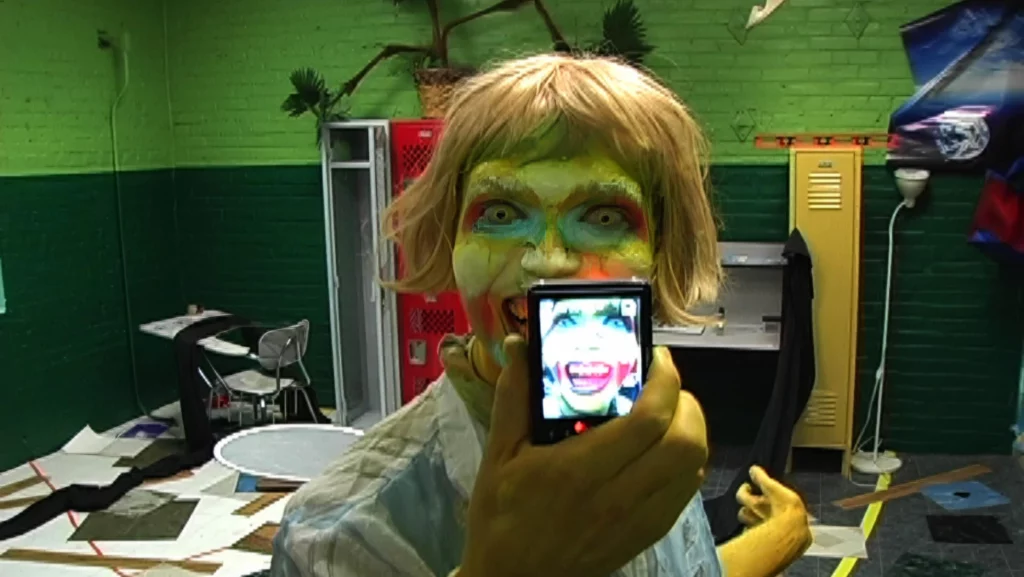
- Timeframe: Spanning over 50 years of technological advancement.
- Venue: The sprawling, subterranean vaults of 180 The Strand, offering an immersive, claustrophobic, yet expansive environment that mimics the feeling of being "inside" a screen.
- Artist Roster: A comprehensive list of 18 creators, including Sophia Al-Maria, Meriem Bennani, Dara Birnbaum, Foday Dumbuya, Cao Fei, Tremaine Emory, Nan Goldin, Arthur Jafa, Derek Jarman, Julianknxx, Andy Warhol, Joséfa Ntjam, Pipilotti Rist, Martine Syms, TELFAR, Ryan Trecartin, Gillian Wearing, and Mark Leckey.
- Public Access: The exhibition is open from 12pm to 7pm, Wednesday through Sunday, allowing for a deep-dive experience that accommodates the slow-paced consumption required for video art.
Official Perspectives: The Vision Behind the Screen
Jefferson Hack, who has spent his career documenting the intersection of youth culture and high art, views Paradigm Shift as a necessary remedy to our modern digital fatigue.
"From the Super 8 and VHS revolutions of the 1970s and ’80s to the digital hyper-connectivity of our present moment, video art and moving image have always operated at a crossroads," Hack notes. "It is a space where the high meets the low, the visceral meets the conceptual, and the personal meets the political. In Paradigm Shift, we see how great artists inspire us to engage with storytelling through screens differently. It is an invitation to feel more, imagine more, and recover our senses in an era of numbness."
The partnership with Ray-Ban Meta for this exhibition further highlights the focus on "New Dimensions." By involving a brand synonymous with wearable technology and digital augmentation, 180 Studios is explicitly asking the viewer to consider what comes next: if the last 50 years were about watching a screen, are the next 50 about living inside one?
Implications: The Future of Moving Image
The most compelling aspect of Paradigm Shift is its implication for the future of artistic distribution. By commissioning new works alongside the display of historical icons, 180 Studios is arguing that the history of moving image is not a closed book. Instead, it is a living, breathing lineage that is currently undergoing its most radical transformation yet.
The Death of the "Passive Viewer"
Historically, cinema was a passive experience. You sat in a dark room and watched a sequence of events. Today, thanks to the influence of gaming and social media, the viewer is expected to be a participant. The exhibition’s inclusion of gaming-inspired works suggests that the future of art lies in interactivity. The "paradigm shift" mentioned in the title is, perhaps, the shift from observing the image to inhabiting the image.
Cultural Preservation in the Digital Age
There is also a poignant undertone regarding preservation. By showcasing the works of pioneers like Derek Jarman and Nan Goldin, the exhibition serves as a reminder that digital formats are fragile. The show forces us to grapple with the "technologies available at the time," highlighting that every era’s art is inextricably linked to the hardware of its day. As we move toward cloud-based, ephemeral content, Paradigm Shift asks: what happens to our cultural history when the hardware changes or becomes obsolete?
Visiting Information
For those looking to engage with this monumental exploration of visual culture, Paradigm Shift is open to the public from 15 October 2025 until 1 February 2026.
- Location: 180 Studios, 180 The Strand, London, WC2R 1EA.
- Opening Hours: 12pm–7pm, Wednesday–Sunday.
- Tickets: Available exclusively via the 180 Studios website.
In a city brimming with art, Paradigm Shift stands out as a definitive statement. It is a rare opportunity to witness the evolution of our most influential medium, captured by the people who have spent their lives pushing it to its absolute limits. Whether you are a student of cinema, a fan of digital subcultures, or simply someone who has ever felt the strange pull of a screen, this exhibition is an essential pilgrimage.