In the heart of Nashville’s historic Music Row, a quiet revolution in record production is taking place behind the doors of 28 Music Circle South. David Kalmusky, a producer and engineer whose reputation as the industry’s "best-kept secret" is rapidly fading in favor of widespread acclaim, has unveiled his latest iteration of Addiction Sound Studio. By reimagining the workflow of a high-end recording facility, Kalmusky has created a space that prioritizes human connection, spontaneous creativity, and the seamless integration of vintage hardware with modern digital convenience.
Main Facts: The New Addiction Sound Studio
The new facility is not merely a studio upgrade; it is a fundamental shift in how collaborative production is executed. Located in the renovated former Masterfonics facility—a site steeped in the legendary engineering work of Glenn Meadows and Tom Hidley—Kalmusky’s space abandons the traditional "live room/control room" divide in favor of a unified, creative hub.
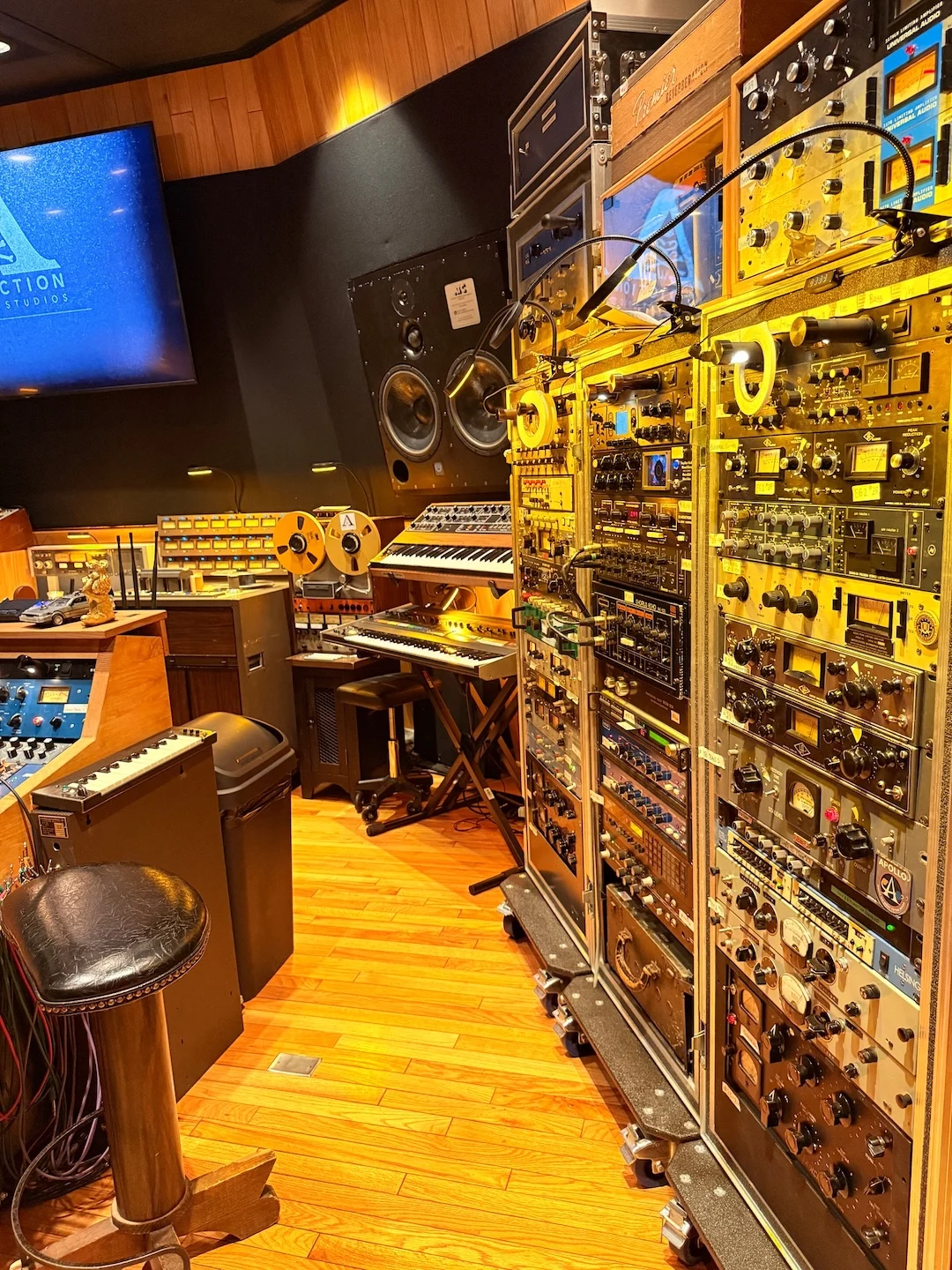
The studio is designed for immediate capture. There is no waiting for "setup time." Within the control room, one finds a carefully curated arsenal: 60 guitars, multiple pedalboards, a dozen keyboards, and racks of vintage outboard gear. Everything is patched, calibrated, and ready for signal. By utilizing high-fidelity headphone monitoring via ten Wolff Audio boxes and MeMore cue stations, the entire band can perform together in the same room, maintaining eye contact and musical synergy while achieving a studio-grade sound.
Chronology: From Masterfonics to Modernity
The story of this facility began long before Kalmusky walked through the doors. The Masterfonics building has been a bedrock of Nashville’s sonic identity for decades.
- Early 2020s: Curb Entertainment initiates a massive restoration project for the historic facility at 28 Music Circle South.
- November 2023: David Kalmusky visits the site. According to Kalmusky, the vision for the new studio crystallized in less than ten minutes. After walking through "The Mix Room," he immediately envisioned a space where the technical barrier between idea and recording was completely removed.
- 2024–2025: The build-out phase. Kalmusky focuses on integrating his extensive collection of vintage gear—including Fairchild 670s and Neve 33130 preamps—into a workflow that supports both Pro Tools, Ableton, and Logic.
- September 2026: The official unveiling of the facility, coinciding with a reunion of the engineers and creatives who have come up through the ranks of Addiction Sound Studio to become leaders in the next generation of Nashville production.
Supporting Data: The Curated "Greatest Hits"
The equipment list at the new Addiction Sound Studio is a testament to Kalmusky’s identity as both a producer and a collector. The facility serves as a living tribute to the late, great recording innovator Mark Rubel, and the technical specifications reflect a "no-compromise" approach to sound quality.
The Outboard Arsenal
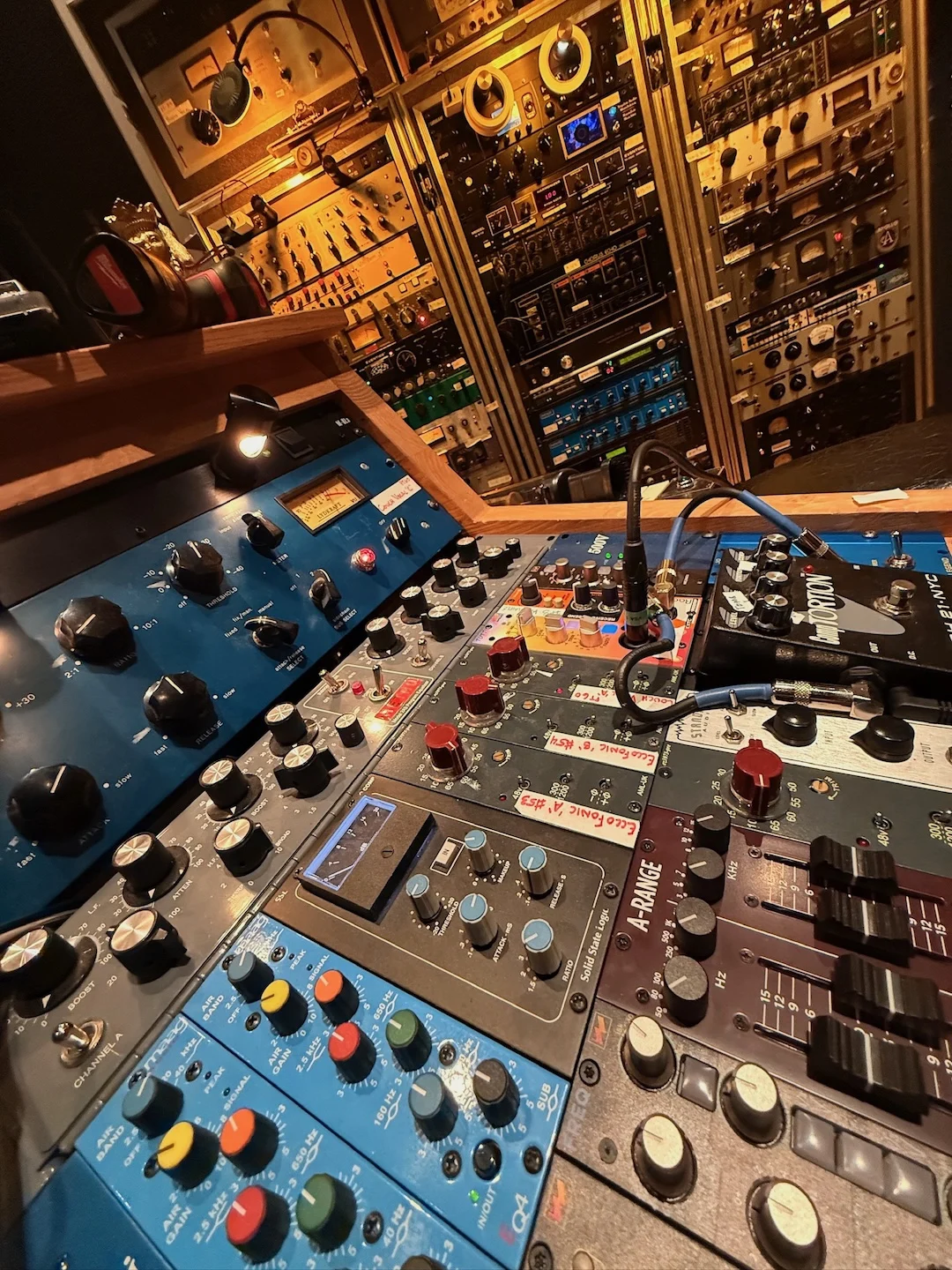
The main rack is a who’s-who of studio history, designed to give collaborators instant access to professional, colored textures. Key components include:
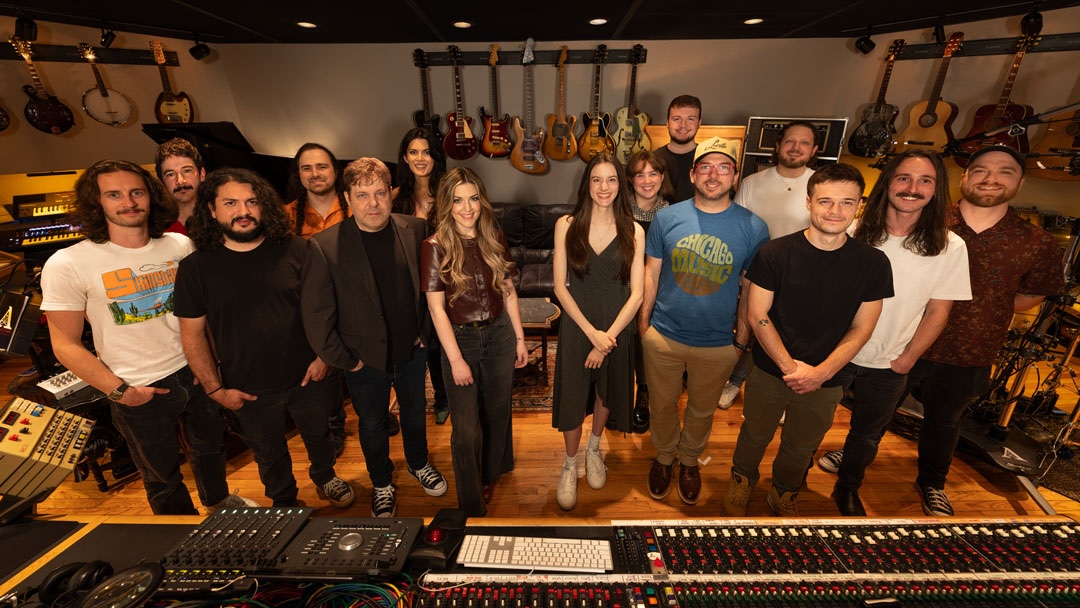
- Compression: Two Fairchild 670s, a Gates Sta-Level, and Universal Audio 175, 176, and 177 units.
- EQ & Preamp: RS124 Sphere EQs and five channels of rare Neve 33130 preamps.
- Integration: Every unit is hard-wired into the signal path. If a collaborator needs a specific "vibe," they simply patch into a pre-assigned channel.
The Keyboard Corner
Located in the right-rear of the control room, the keyboard suite is designed to prevent "creative drift." It features a 7-foot Yamaha C7 grand piano with MIDI capability, a Hammond C3, a Juno 106S, a Yamaha Montage M7, a Wurlitzer 200A, a Moog Little Phatty, and a Roli MPE Keypad. The proximity of these instruments to the mixing console allows for a transition from composition to final take without the need to relocate to a different room.
Official Responses and Philosophy
"I didn’t intend to build this room out so that it would accommodate the most people; it was actually more selfish than that," Kalmusky admits with a candid laugh. "I had just signed a publishing deal with Jonas Entertainment Group, and when I’m developing new material, I am approaching it from the guitar-drums-bass musician chair."
The philosophy behind the space is one of radical efficiency and comfort. By removing the glass partition that usually separates the producer from the artist, Kalmusky has fostered a environment that mimics the energy of a teenager’s first band practice.
Craig Alvin, a frequent collaborator who previously booked Kalmusky’s mix room, serves as a testament to the facility’s utility. "He loved the approach that all this vintage gear is already patched in and it’s perfectly calibrated," Kalmusky notes. "If he wants a Sta-Level, it’s on channel 18. If you want a 176 for your vocal, send it out to channel 21. This room is the curated greatest hits of all my favorite stuff, all in one place for all of our collaborators and co-writers to use."
Implications for the Nashville Music Scene
The success of the new Addiction Sound Studio suggests a significant shift in the Nashville production model. For years, the industry standard relied on a division of labor: tracking in large, expensive rooms followed by mixing in smaller, isolated environments. Kalmusky’s model suggests that the future of the industry lies in "hybrid hubs"—spaces that are small enough to be intimate but powerful enough to handle a full-band production.
The Rise of the "Producer-Musician"
By designing a room that caters to the musician-producer, Kalmusky is tapping into the modern trend of artists who write, record, and mix simultaneously. The "no-waiting" architecture ensures that the "magic" of a first take is never lost to the logistical hurdles of setting up microphones or routing gear.
Sustaining the Community
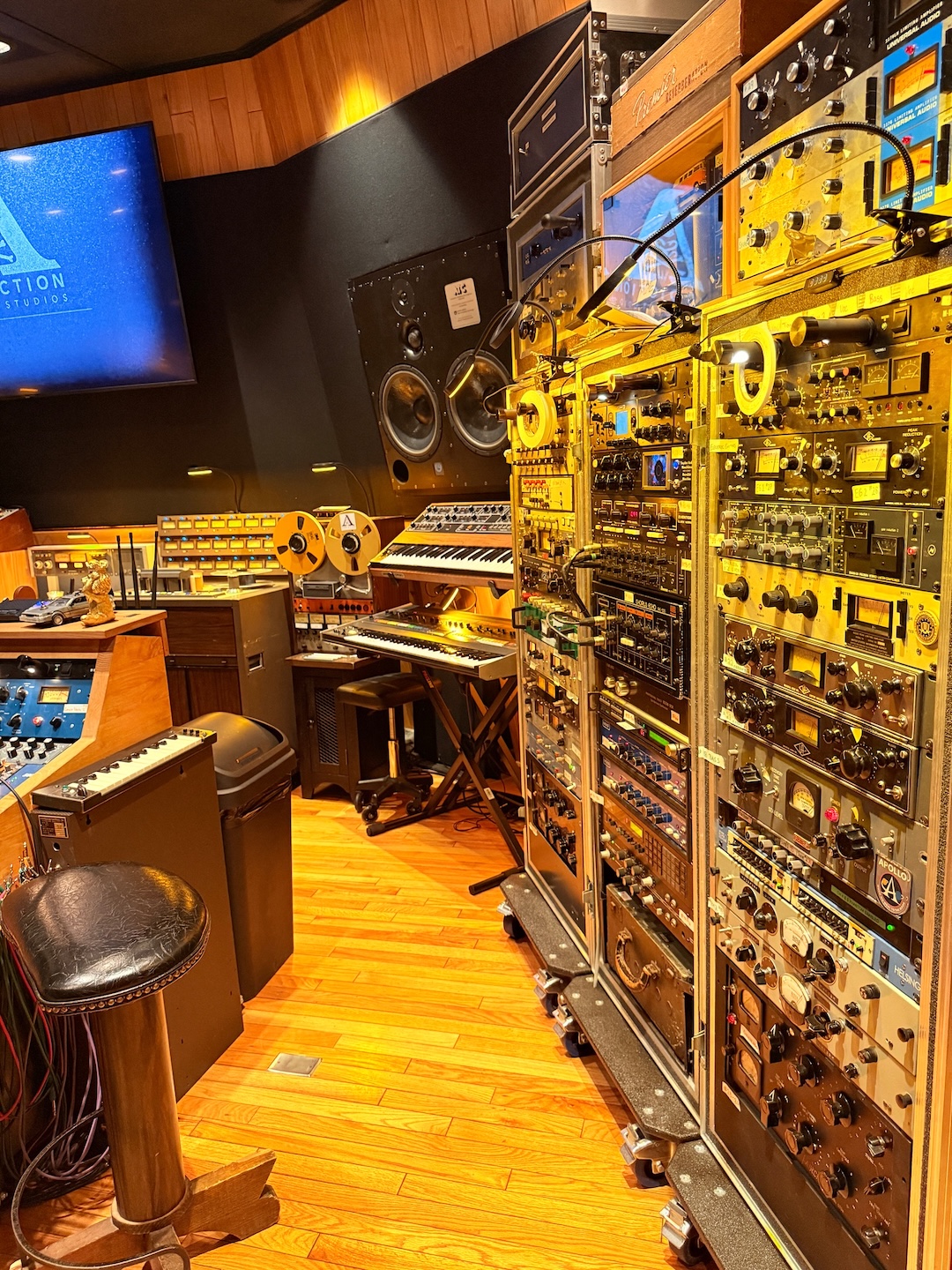
Perhaps the most telling aspect of the studio’s opening is the presence of the team surrounding Kalmusky. The reunion of engineers like Ethan Barrett, David Shivers, and Carly McKillip-Savard highlights a mentorship culture. By training the next generation of engineers within a space that values high-end vintage gear and modern collaboration, Kalmusky is ensuring that the "Nashville Sound" evolves rather than stagnates.
The Emotional Impact of the Workspace
Ultimately, the facility is designed to improve the quality of the music by improving the state of mind of the musicians. The decision to place the band in the control room, seated around the console, changes the social dynamics of a session. It encourages a democratic, collaborative process that is often stifled in more sterile, corporate environments.
As Kalmusky reflects, "We’re making real, full-on records sitting around the console for the first time in my career. It feels like your first band practice when you’re a teenager and you put together a kick-ass band, right there in your neighborhood."
Conclusion
The new Addiction Sound Studio stands as a beacon for what is possible when technical expertise meets a genuine love for the creative process. By honoring the history of the Masterfonics building while pushing the boundaries of modern studio design, David Kalmusky has created more than just a place to record music—he has created a sanctuary for it. As the music industry continues to navigate the complexities of digital transformation, the success of this facility proves that, at the end of the day, there is no substitute for a group of people in a room, ready to make something great together.