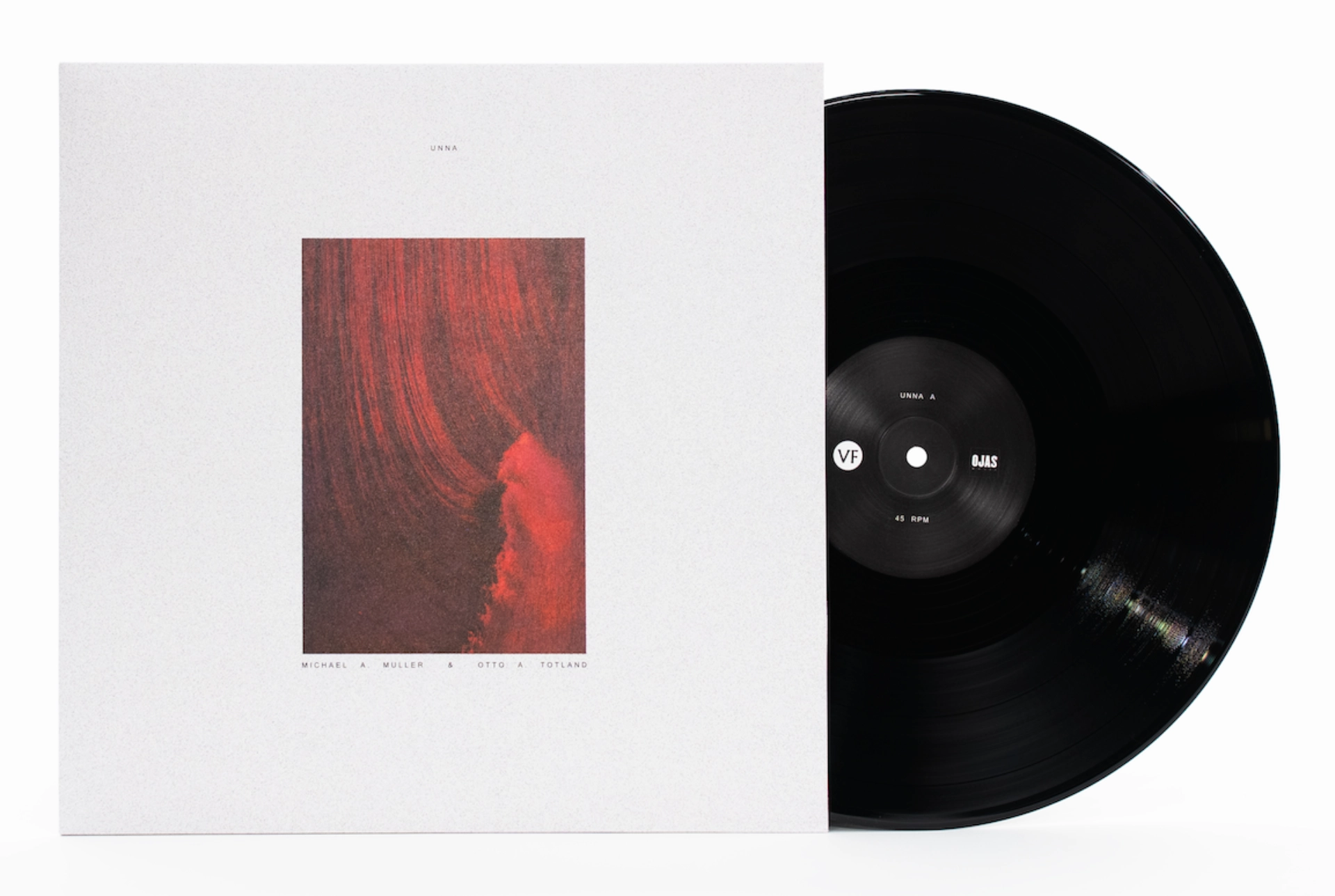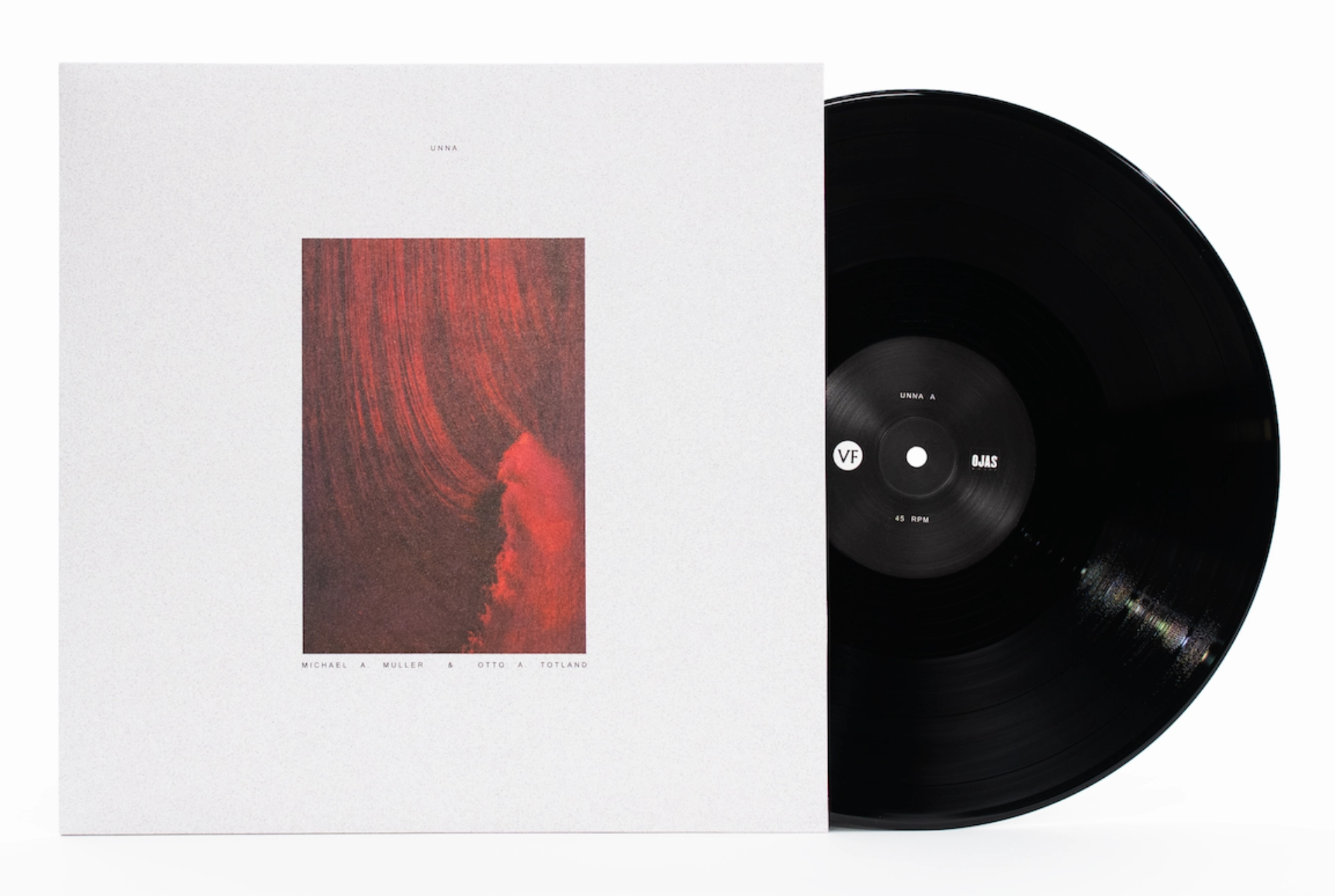
In the refined intersection of high-fidelity audio design and minimalist composition, a new venture has emerged. Ojas Music, the record label arm of Devon Turnbull’s acclaimed audio and design house, Ojas, has officially inaugurated its catalogue. The label’s debut offering is Unna, a collaborative EP featuring the combined talents of Michael A. Muller and Otto A. Totland. This release, produced in partnership with The Vinyl Factory, serves as both a musical statement and a reflection of the label’s ethos: that the environment in which music is consumed is as vital as the notes themselves.
The Convergence of Two Minimalist Titans
The collaboration between Muller and Totland is not merely a meeting of two musicians; it is the collision of two distinct lineages in the contemporary ambient landscape.
Michael A. Muller, best known as a co-founder of the minimalist instrumental ensemble Balmorhea, has spent the better part of two decades carving out a space for cinematic, introspective music. His work often bridges the gap between neoclassical elegance and ambient exploration. Beyond his primary ensemble, Muller has cultivated a prolific solo career, characterized by a deep engagement with film scoring and a penchant for textural depth. His discography includes collaborations with luminaries such as Hania Rani, Alva Noto, Víkingur Ólafsson, and Douglas McCombs of Tortoise, signaling a versatility that spans experimental electronics and traditional instrumentation.
Otto A. Totland, conversely, carries the heavy, melancholic torch of the Norwegian ambient scene. As one half of the seminal duo Deaf Center, Totland was instrumental in defining the "chamber-ambient" aesthetic that emerged in the mid-2000s on labels like Type Records and Sonic Pieces. His influence on the genre is foundational; his approach to piano—characterized by close-miked intimacy and the tactile friction of hammers and felt—has influenced an entire generation of modern classical composers. His solo piano trilogy, produced in collaboration with Nils Frahm, stands as a landmark of minimalism, stripping music down to its most vulnerable, essential components.
Chronology of a Collaboration: From Distance to Resonance
The genesis of Unna is rooted in the very concept of the title itself. The word "Unna" is Norwegian for "away," a term chosen by the duo to represent the duality of their creative process.
The Geography of Absence
The collaborative process began across significant geographical distances. With Muller based in his creative hub and Totland situated within the quiet landscapes of Norway, the recording process was inherently defined by separation. This physical distance necessitated a digital exchange that eventually blossomed into a dialogue of sonic textures.
The Creative Flow State
As the pair exchanged stems, the project evolved into an exploration of the "inward pull"—a psychological state where the artist loses track of time and external distraction. Unna became a document of this flow state. The music is not a collection of songs in the traditional sense, but a series of sonic environments.
The Final Synthesis
The project reached its conclusion when the raw materials—Totland’s intimate, delicate piano motifs and Muller’s sprawling, atmospheric layers of double bass, glockenspiel, Mellotron, and Rhodes—were brought together. The result is a soundscape that feels both suspended in space and deeply grounded in the physical reality of the instruments.
Technical Architecture: The Ojas Philosophy
The launch of Ojas Music is the logical progression of Devon Turnbull’s career. For years, Turnbull has been a cult figure in the audiophile world, known for his bespoke, high-performance speaker systems that prioritize clarity, warmth, and a visceral physical presence.
The Listening Environment
The Ojas philosophy is best exemplified by HiFi Listening Room Dream No. 1, a permanent installation at 180 Studios in London. This room is not merely a place to hear music; it is an instrument in its own right. Turnbull designed the space to optimize the listener’s connection to the sound, removing the artifacts of modern playback and replacing them with a transparent, "uncolored" sonic experience.

The Physicality of the Record
The release of Unna as a 180g vinyl record is a deliberate choice. In an era dominated by compressed digital streaming, Ojas Music and The Vinyl Factory have insisted on a physical product that commands presence. Limited to just 500 copies worldwide, the release is positioned as a collector’s item—an object that warrants the same level of care and attention during playback as the music does during its composition.
Supporting Data: Compositional Anatomy
To understand the weight of Unna, one must examine the instrumentation that anchors the EP. The synergy between the two artists is predicated on a "textural counterpoint":
- Otto A. Totland (Piano): The core of the EP relies on the "felt" sound. By utilizing close-mic techniques, Totland captures the mechanical idiosyncrasies of the piano—the pedal release, the slight groan of the wood, the strike of the string. This creates an immediate, "in-the-room" feeling.
- Michael A. Muller (Textural Layers): Muller provides the atmospheric scaffolding. The double bass acts as a sub-harmonic foundation, providing a sense of weight that balances the brightness of the glockenspiel. The inclusion of the Mellotron and Rhodes provides a vintage, spectral quality that softens the edges of the piano’s sharp, rhythmic attacks.
The track "Rolig," which serves as the lead introduction to the EP, demonstrates this equilibrium perfectly. The piano takes the foreground, while the textural swells of the Rhodes and Mellotron bleed into the background, creating a sense of vast, unfolding space.
Implications for the Ambient Genre
The launch of Ojas Music and the release of Unna signal a potential shift in the "prestige" side of the ambient and minimalist market.
A Rejection of Background Music
For years, the ambient genre has struggled against the stigma of "furniture music"—a term coined by Erik Satie, but often misused today to describe music intended for passive consumption or study playlists. Unna explicitly rejects this. By aligning itself with a high-end audio company like Ojas, the record demands to be the primary focus of the listener. It is music meant for active engagement, demanding a high-fidelity playback chain to reveal its micro-details.
The Boutique Label Model
Ojas Music represents the rise of the "curated label." Rather than releasing a high volume of music, the label aims to release works that act as "sonic artifacts." This mirrors the trend in high-end design where the scarcity and the intentionality of the product define its value. By partnering with The Vinyl Factory, Ojas ensures that the manufacturing process—from the lacquer cutting to the pressing quality—aligns with the high standards of Turnbull’s hardware.
The Evolution of the "Audiophile" Listener
The collaboration suggests that there is a growing demographic of listeners who are moving beyond the "audiophile" obsession with equipment specifications and toward a deeper appreciation for the content played through that equipment. If Ojas Music can successfully bridge the gap between high-end gear enthusiasts and the experimental music community, it could define a new standard for how contemporary instrumental music is marketed and experienced.
Conclusion
Unna is more than an EP; it is a declaration of intent. It brings together two of the most respected figures in modern minimalism and places their work within the context of a company dedicated to the sanctity of sound. Whether heard through a high-end Ojas speaker system or a standard turntable setup, the record serves as a reminder of the power of restraint.
In a world defined by noise and digital clutter, Muller and Totland have opted for the "away"—a space where time recedes, attention deepens, and the listener is invited to inhabit the silence between the notes. As the first chapter for Ojas Music, Unna sets a high bar, promising a future where the hardware and the software of music are treated with equal reverence. The 500 copies of this record are likely to vanish quickly, not just because of their scarcity, but because they represent a rare moment where design, intent, and artistic output achieve perfect alignment.