By Tom Parsons
Published: September 2024
For thousands of home cinema enthusiasts and Sony Bravia TV owners, the summer of 2024 has been an exercise in profound frustration. A routine software update pushed out by the electronics giant in June intended to improve system stability instead triggered a cascade of frustrating audio-visual malfunctions centered around HDMI eARC (Enhanced Audio Return Channel) connections.
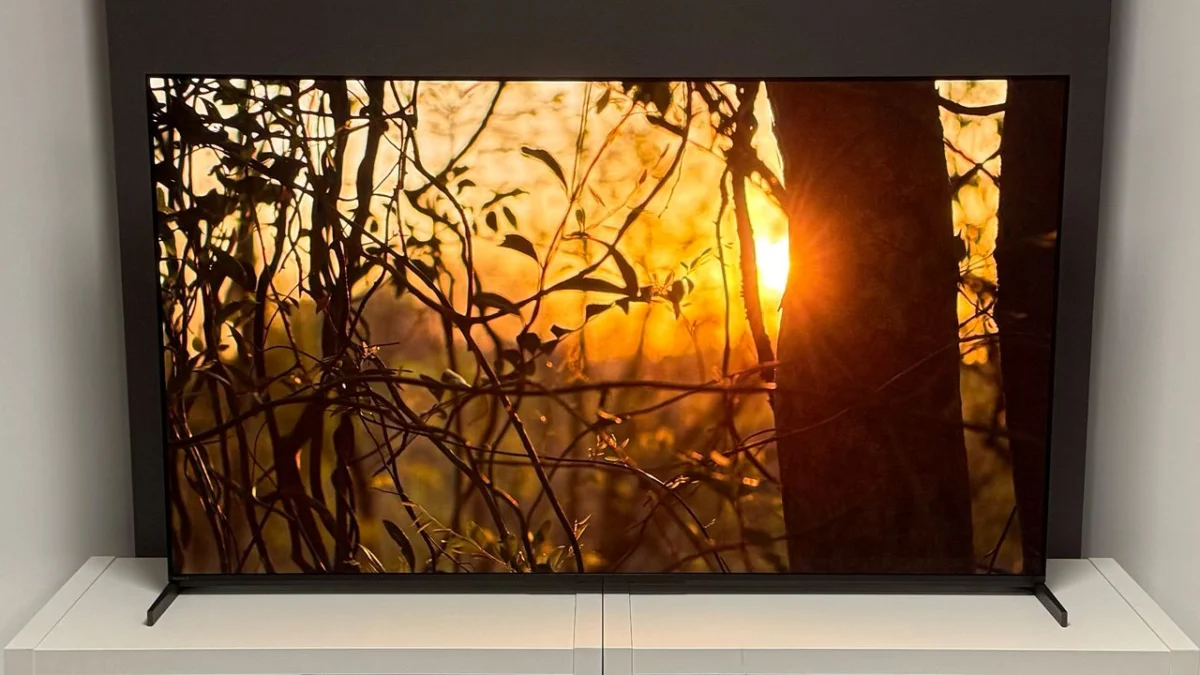
However, after weeks of deafening silence from the manufacturer and workarounds that forced users to compromise their high-end setups, a glimmer of hope has finally emerged. Early reports indicate that a newly deployed firmware update is rolling out to tackle the lingering audio dropouts and lip-sync discrepancies that have plagued premium displays like the Sony Bravia 8 II QD-OLED.
1. Main Facts: The Scope of the Sony Bravia eARC Crisis
The trouble began following a June software deployment across Sony’s current television lineup. While smart TV updates are typically anticipated for bringing performance enhancements and bug fixes, this particular iteration introduced a frustrating host of anomalies for users running external audio hardware.
The core of the issue relates to how external sources—such as dedicated media streamers, ultra-HD Blu-ray players, and gaming consoles—route audio through the television to an external sound system, AV receiver, or Dolby Atmos soundbar via eARC.
- Dolby Vision Failures: Initially, a segment of users reported that Dolby Vision high-dynamic-range content simply refused to play when routed through specific configurations.
- Audio Desync: A progressive drifting of audio and video timing, rendering dialogue noticeably out of sync over extended viewing sessions.
- Audio Dropouts: Sudden, erratic drops in sound output, forcing users to manually reset their equipment or switch audio paths.
For reviewers and everyday consumers alike, the impact was severe. High-performance streaming hardware, such as the Apple TV 4K, became practically unusable in its intended configuration, forcing home cinema enthusiasts to bypass the TV’s eARC passthrough entirely or plug sources directly into soundbars—sacrificing advanced video switching and HDMI 2.1 gaming features in the process.
2. Chronology of Events: From the June Bug to the September Rollout
Understanding how this issue unfolded requires looking back at the timeline of events that led to consumer outcry and, ultimately, manufacturer intervention.
- Early June 2024: Sony releases a routine system software update for its latest generation of Bravia televisions. Shortly after installation, users across online forums and AV communities begin reporting widespread HDMI eARC instability.
- Mid-to-Late July 2024: Sony issues a minor hotfix update that appears to resolve the stubborn Dolby Vision playback failures. While this is welcomed, the underlying audio-sync drift and dropout issues remain entirely unaddressed, leaving owners of premium panels frustrated.
- Late August 2024: Frustration hits a peak due to a lack of clear communication from corporate channels. Major tech publications and frustrated consumers note that Sony has not provided a definitive roadmap for a fix.
- Early September 2024: Sony Japan breaks the corporate silence by publishing an official support notice acknowledging a "lip-sync discrepancy" and promising a dedicated software patch scheduled for release.
- Mid-September 2024: Firmware update version
114.603.100.1mysteriously launches in the United States. Early adopters and AV testers report promising signs that both the audio dropouts and sync issues are finally being ironed out, though international rollouts lag behind.
3. Supporting Data & Technical Context: Why eARC Matters
To fully appreciate why this software glitch caused such uproar, one must understand the critical role that HDMI eARC plays in modern home theater ecosystems.
Introduced as an upgrade to the standard Audio Return Channel (ARC), eARC drastically increases bandwidth and speed. This allows televisions to transmit high-bitrate, uncompressed audio formats straight from native apps or connected external sources back to a soundbar or AV receiver. Formats like Dolby TrueHD, DTS-HD Master Audio, and object-based spatial audio codecs like Dolby Atmos rely entirely on this seamless pipeline.
When an update compromises eARC stability, the entire chain breaks down. Modern displays are designed to act as the central hub of a living room entertainment system. When users are forced to route Apple TV boxes or PlayStation 5 consoles directly into a soundbar instead of the TV’s HDMI 2.1 ports, they often encounter bottlenecks:
- Loss of variable refresh rate (VRR) or 4K/120Hz gaming passthrough.
- Compatibility blocks with advanced HDR formats.
- Cluttered cabling configurations that defeat the clean aesthetic of modern wall-mounted OLED setups.
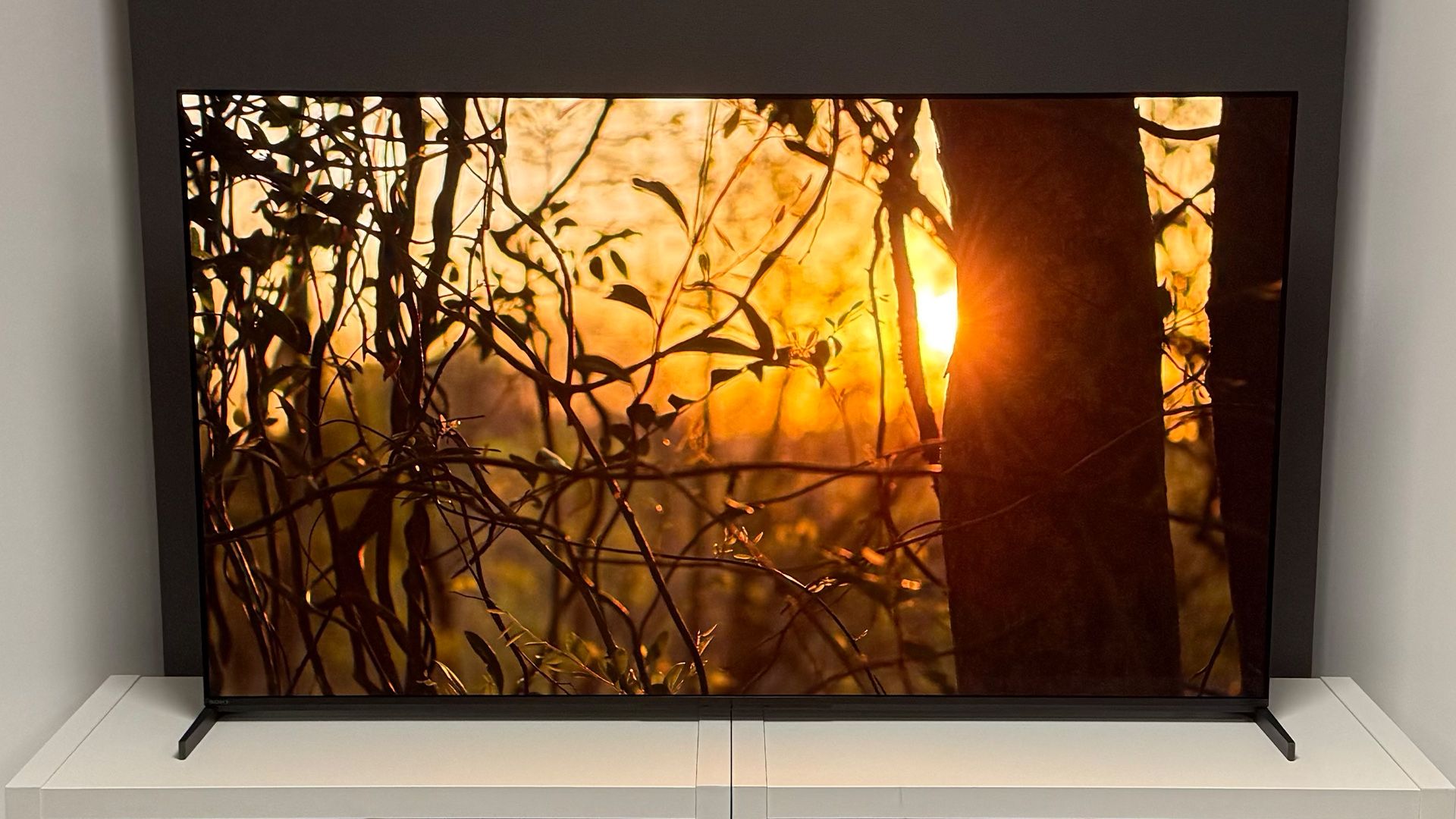
For owners of high-end displays like the Bravia 8 II—a television lauded for its stellar picture quality—being unable to pair it with a matching Dolby Atmos sound system without audio stutter defeats the purpose of investing in premium home entertainment.
4. Official Responses and Corporate Communication
Sony’s handling of the bug has drawn significant criticism from consumer advocacy groups and tech journalists alike, primarily due to a perceived lack of transparency. For weeks, customer service representatives offered generic troubleshooting steps—such as power-cycling equipment, swapping out high-speed HDMI cables, and performing factory resets—none of which addressed the root cause tied directly to the June firmware code.
The first official acknowledgment of consequence came via a translated support advisory posted by Sony Japan. The statement explicitly noted that:
“The issue of audio being out of sync with the video (lip-sync discrepancy) will be addressed in a software update scheduled for release.”
However, tech critics were quick to point out a glaring omission: the statement focused narrowly on the lip-sync drift, leaving ambiguity over whether the erratic audio dropouts experienced by users would be squashed simultaneously.
Fortunately, the sudden deployment of firmware update 114.603.100.1 in North American markets suggests that Sony’s engineering teams bundled fixes for both symptoms into a single, comprehensive package. As of writing, inquiries sent to Sony UK and European regional offices regarding an expedited localized release remain pending, though availability overseas is widely expected to follow suit in the coming weeks.
5. Implications for Consumers and the Future of Smart TV Updates
As the dust begins to settle on the Sony Bravia eARC saga, several broader takeaways emerge for both consumers and the broader consumer electronics industry:
The Perils of Over-Reliance on Firmware
Modern televisions are no longer just displays; they are complex computers running resource-heavy operating systems (such as Google TV). While smart features allow for incredible flexibility and feature additions long after a product has left the factory floor, they also expose consumers to the risk of "regressive bugs"—where updates break features that previously worked flawlessly.
The Value of Transparent Manufacturer Communication
Consumer trust is fragile in the premium tech sector. When a bug disables core functionality on hardware costing thousands of dollars, silence from the manufacturer breeds anxiety and speculation. Sony’s eventual transparency in Japan was a step in the direction, but the industry as a whole must move toward proactive, localized communication when critical firmware issues arise.
Looking Ahead
For now, US-based owners who have received firmware update 114.603.100.1 are breathing a collective sigh of relief as they test their setups. Early feedback points toward restored stability, allowing Apple TV 4K boxes, Blu-ray players, and streaming apps to communicate effortlessly with sound systems once again.
For international owners—including those in the UK waiting anxiously for their notification ping—patience remains a virtue. But with the fix now moving through the pipeline, the nightmare of the June firmware update is finally drawing to a close, allowing users to get back to enjoying their home cinemas the way they were meant to be experienced.