Main Facts
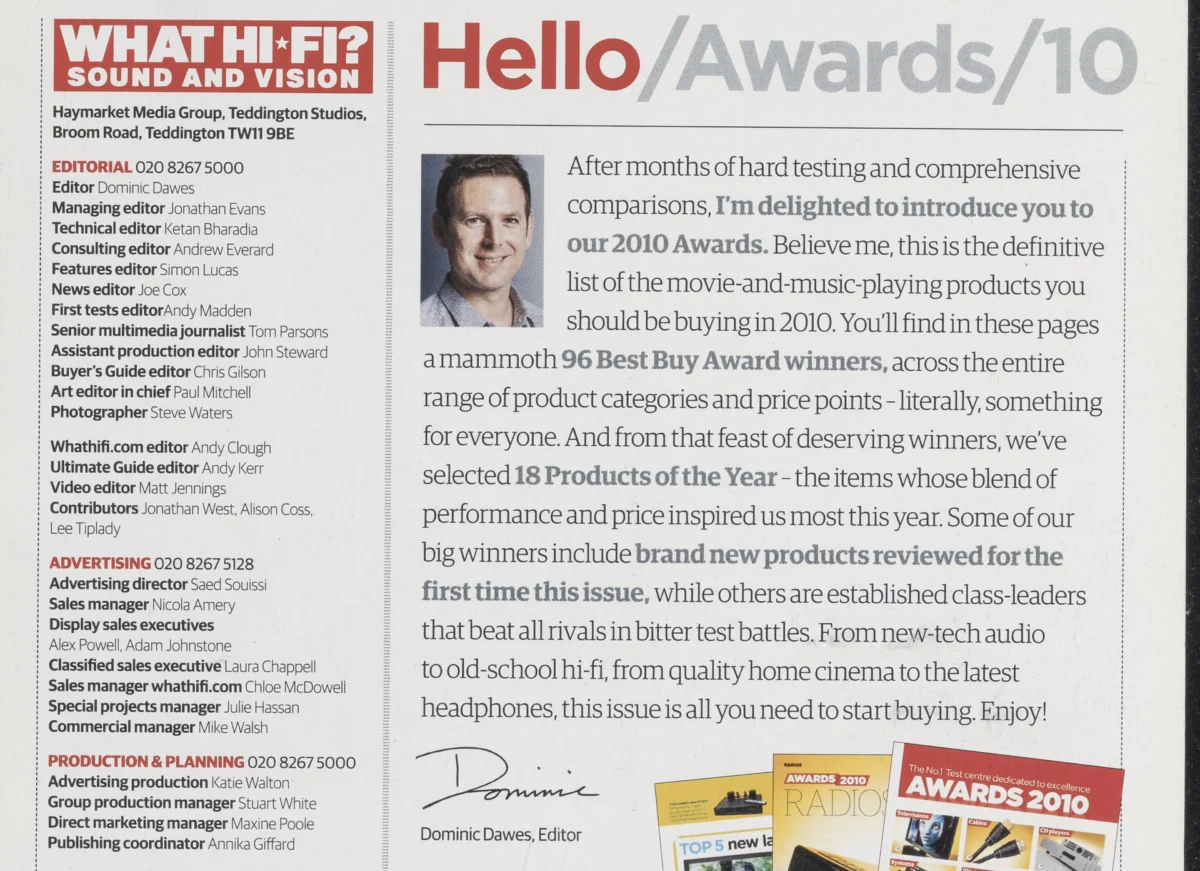
As What Hi-Fi? celebrates a major milestone, former deputy and brand editor Dominic Dawes has looked back at the publication’s history, pointing to the years between 2008 and 2012 as the happiest and most professionally fulfilling era of his career. Dawes, a lifelong audio and music enthusiast, stepped into the editor’s chair of What Hi-Fi? Sound And Vision during a period of monumental industry disruption.
The era was characterized by a frantic pivot from traditional, physical print media into the digital realm. Under the guidance of industry veterans like Clare Newsome and the late Andy Clough, Dawes helped launch the magazine’s first true digital footprint via whathifi.com. This digital expansion forced a complete overhaul of traditional publishing methods, giving rise to video reviews, product unboxings, deep-dive how-to guides, and video interviews with pioneering figures in consumer electronics.
Despite navigating declining traditional hi-fi sales and shifting consumer habits, the core ethos of the brand remained unchanged: rigorous, collaborative product testing driven by a collective passion for music and film.
Chronology of a Tech Revolution
To understand the weight of the 2008–2012 era, one must look at the timeline of technology and media evolution that defined Dawes’ tenure. His journey with the brand spans multiple distinct chapters:

- 2000–2001: Dawes begins his career in professional journalism as a staff writer and reviewer for What Hi-Fi?, spending his first six months immersed in music evaluation alongside technical editor Ketan Bharadia using a high-end reference system. Before this, Dawes worked as a session and wedding guitarist—a background that included a memorable gig playing to a small room containing R&B duo Womack & Womack.
- Mid-2000s: Following freelance work as a sub-editor, Dawes returns to the publication full-time, working alongside Clare Newsome and Andy Clough to build out the brand’s online presence.
- 2008–2012: Dawes serves as deputy editor and brand editor, steering the publication through a period of immense technological upheaval.
- 2008: The Sonos ZonePlayer S5 launches, helping to popularize multi-room wireless audio.
- 2010: The iPad, iPhone 3GS, and Apple’s AirPlay protocol arrive, spelling the eventual decline of the standalone iPod. At the Bristol Hi-Fi Show, KEF unveils its groundbreaking Concept Blade speakers, an innovation Dawes covered firsthand on video. Meanwhile, comedian Tim Minchin performs a satirical, custom-written song titled Three Is One Dimension Too Many at the What Hi-Fi? Awards to mock the short-lived 3D TV craze.
- 2011: The global TV manufacturing landscape undergoes a tectonic shift, moving away from Japanese dominance toward Korean manufacturing giants. Spotify Premium wins the What Hi-Fi? Readers’ Award, signaling a permanent behavioral shift toward music streaming.
- Autumn 2012: Dawes departs What Hi-Fi? to become the UK PR representative for KEF, beginning a six-year award-winning collaboration.
Supporting Data and Industry Shifts
The 2008–2012 window served as a bridge between the physical and digital epochs of consumer entertainment. During Dawes’ tenure as editor, several foundational pillars of home electronics either died out or were born:
- The Death of Plasma and Rise of LCD/OLED: Plasma displays—long lauded by videophiles for their deep black levels and motion handling—began their exit from the market, clearing a temporary runway for LCD before the advent of modern panel technologies.
- The Streaming Explosion: High-resolution audio streaming and network music players disrupted traditional two-channel hi-fi. Products like the Naim Uniti swept the market, capturing the What Hi-Fi? Readers’ Award in its debut year and validating the viability of network-attached audio components.
- Content Diversification: Facing declining physical media sales, the publication expanded its testing parameters. Review scopes broadened from traditional amplifiers and turntable setups to encompass television panels, surround sound bars, portable Bluetooth headphones, DACs (Digital-to-Analog Converters), and software-based streaming platforms.
Official Perspectives and Behind-the-Scenes Insights
Reflecting on the frantic early days of multimedia content creation, Dawes recalls the marching orders given by Clare Newsome: "We’re finally going to have a proper website, so we need branded video. Sort it out, would you?"
Thrown into the deep end, Dawes spearheaded a trial-and-error strategy that established the brand’s digital identity. Highlights included in-depth video interviews with industry legends such as Peter Comeau of IAG and the late Ken Ishiwata of Marantz. These interviews were paired with transparent "How We Test" video features designed to demystify the rigorous benchmarks upholding the magazine’s reputation.
Dawes credits this era with instilling a renewed sense of purpose across the editorial team. Rather than viewing the decline of legacy formats as a death knell, the staff doubled down on evaluating any consumer technology capable of elevating the playback of music or movies.
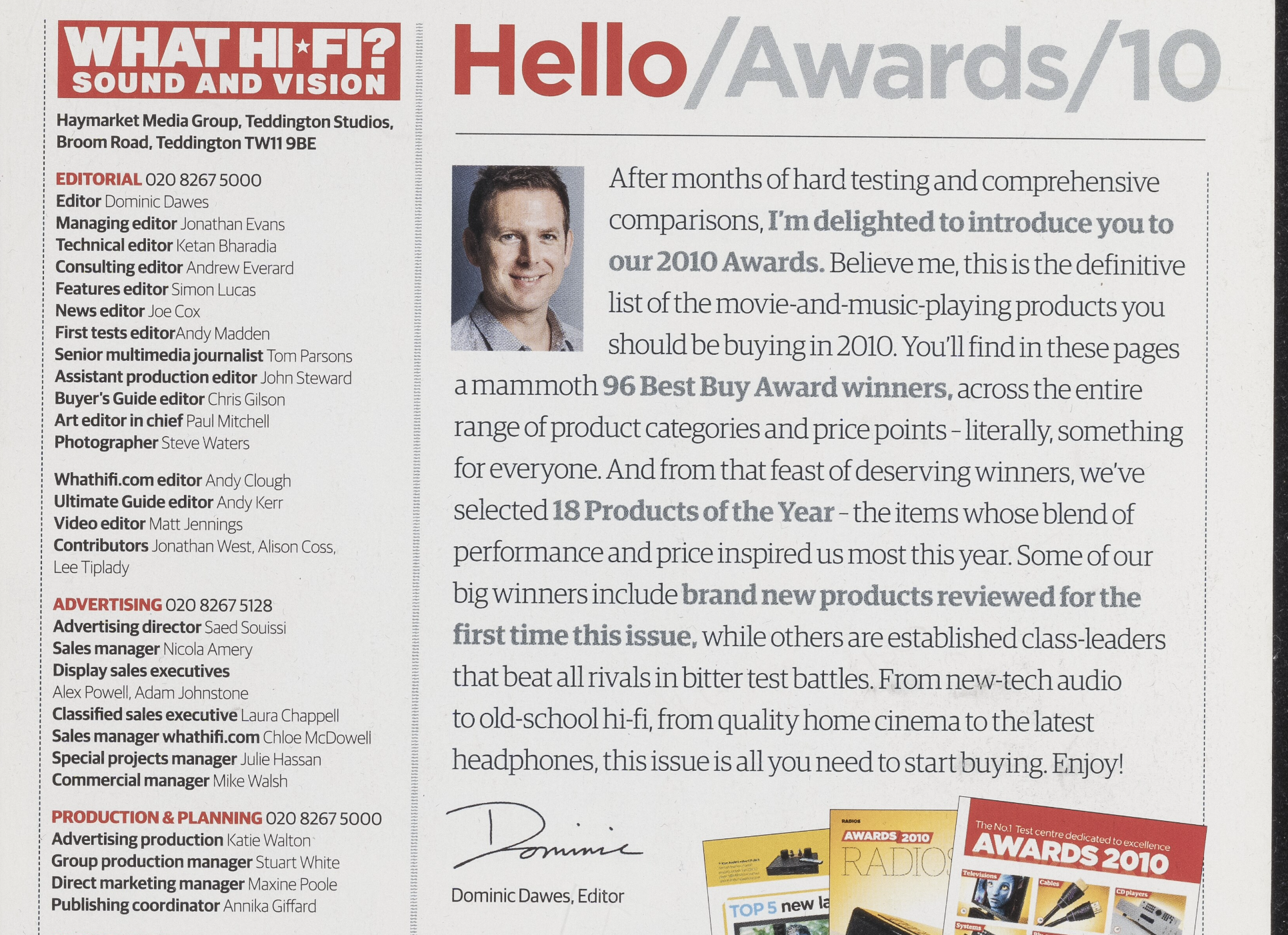
"The world was changing fast," Dawes notes, "but what wasn’t changing… was our (and your) love of music and movies."
Implications for Modern Audio Journalism
The legacy forged during the 2008–2012 era established a blueprint for how enthusiast media survives technological revolutions. Dawes argues that the fundamental formula for consumer advocacy remains timeless and unassailable:
- Assemble a team of capable, technically intelligent reviewers.
- Foster an environment of rigorous, honest debate and argument until a consensus is reached.
- Publish transparent, unbiased opinions to guide the public until a new technological leap shifts the paradigm.
- Repeat.
As What Hi-Fi? marks its enduring presence in the tech journalism landscape, this foundational methodology continues to serve as the industry standard. By embracing digital pivots without ever compromising on the core appreciation for acoustic fidelity and cinematic immersion, publications from this era proved that great storytelling and honest consumer advice transcend the hardware formats of the day.