As of September 25, 2026, the landscape for podcasters has undergone a seismic shift. YouTube, long the sleeping giant of the audio industry, has solidified its position as a primary destination for creators, consumers, and advertisers alike. With new features aimed at enhancing discoverability and audience retention, the platform is no longer just a video site—it is a critical infrastructure for the modern audio ecosystem.
Main Facts: The YouTube Pivot
For years, the "podcasting on YouTube" debate centered on whether video was a necessary distraction for audio-first creators. Today, that debate is settled: YouTube is the engine room of podcast discovery.

New updates from the platform have prioritized deeper integration for podcast-specific metrics within YouTube Studio, allowing creators to track "watch time" alongside traditional audio metrics. This data-driven approach is designed to help creators understand not just who is listening, but where their audience’s attention wanes, allowing for surgical precision in editing and content strategy.
For independent creators and large networks alike, the message is clear: if you are not optimizing for YouTube’s algorithm, you are leaving a significant portion of your potential audience on the table.
Chronology: A Trajectory of Growth
The evolution of YouTube’s podcasting strategy can be viewed as a multi-year effort to capture the "lean-back" entertainment market:
- 2023–2024 (The Infrastructure Phase): YouTube began rolling out dedicated podcast pages and RSS ingestion tools. This period was characterized by skepticism from purists who feared the dilution of the open RSS ecosystem.
- 2025 (The Integration Phase): The platform expanded its analytics dashboard, bridging the gap between video performance and audio consumption. Advertisers began shifting budgets toward "video-first" podcast inventory.
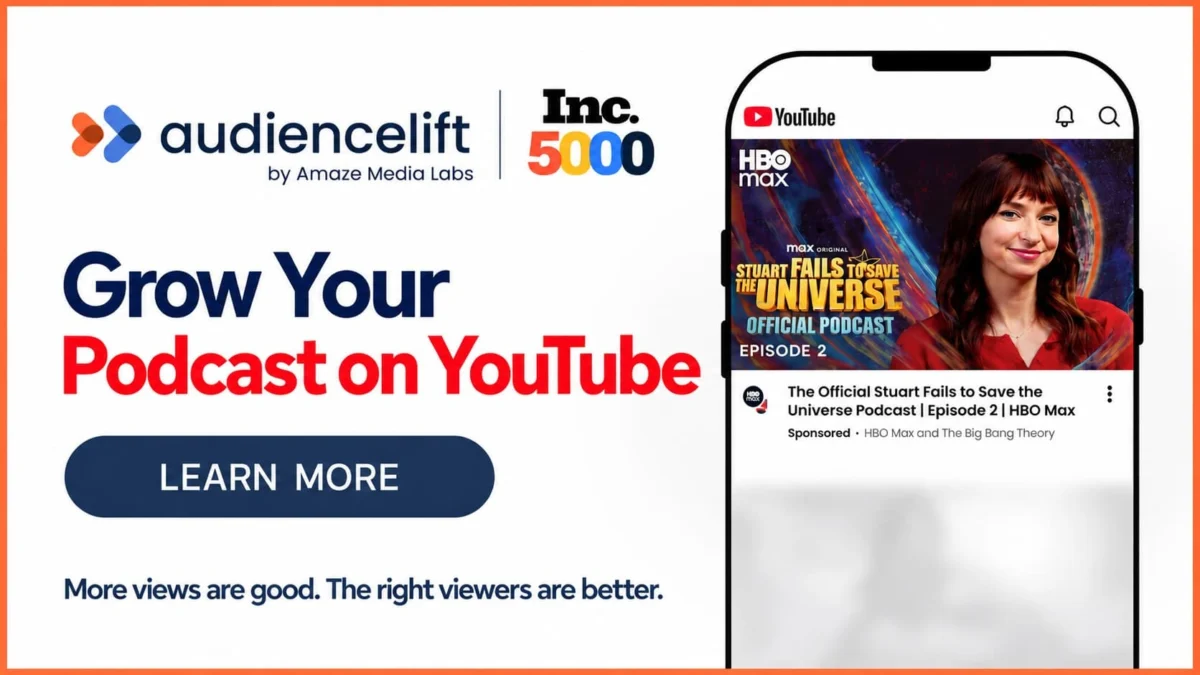
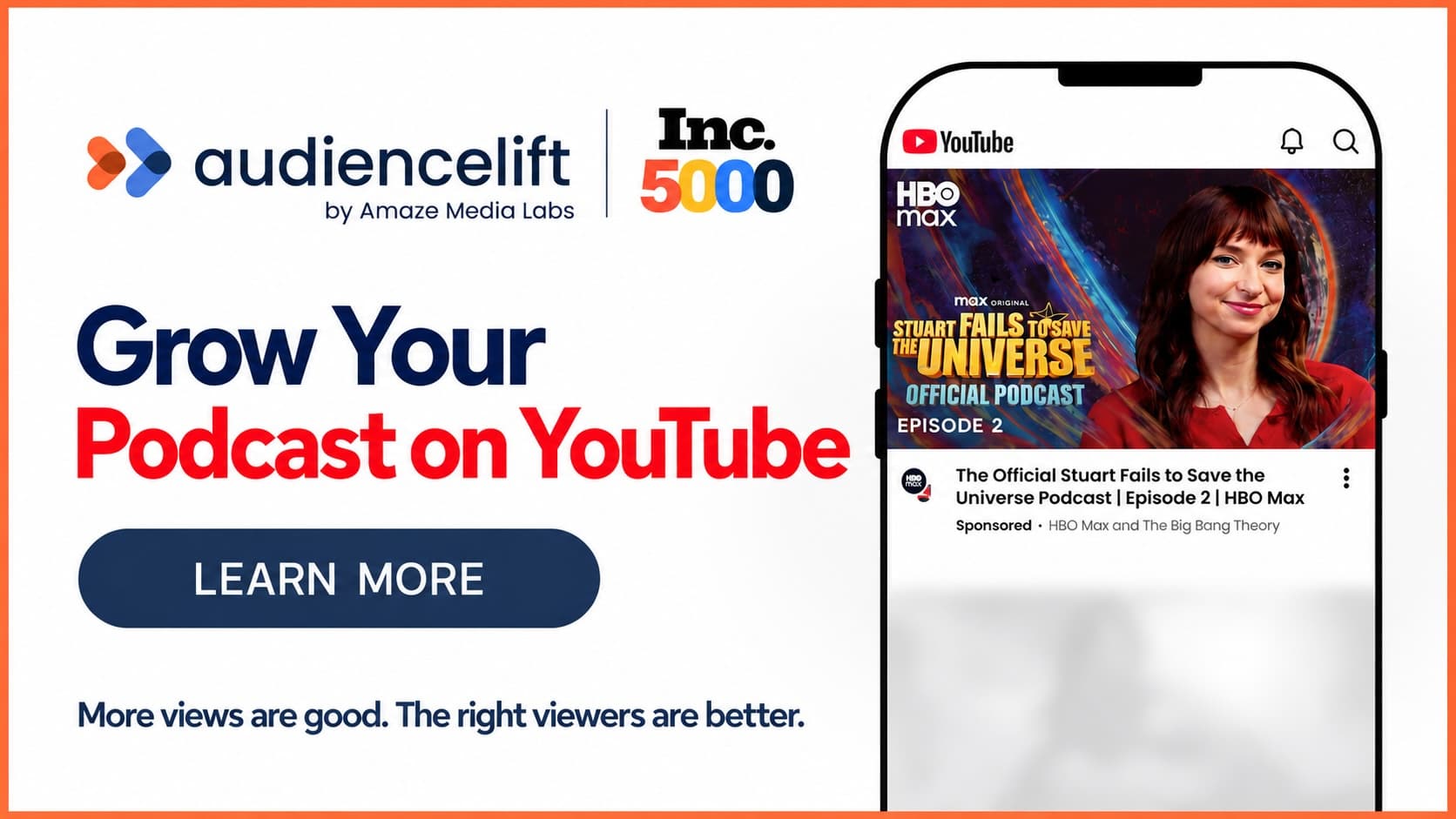
- Q3 2026 (The Optimization Era): The latest updates represent the maturation of the platform. We are now seeing the introduction of turnkey campaign management tools—such as those provided by partners like Audiencelift—which allow creators to automate growth strategies, from targeting niche demographics to scaling subscriber bases.
Supporting Data: The Power of Targeted Growth
The data supporting the move to YouTube is compelling. For many, YouTube provides a "top-of-funnel" effect that audio-only platforms cannot match.

For example, current market leaders like The Daily and The Joe Rogan Experience continue to dominate, but the most interesting stories in 2026 are the mid-tier and niche shows finding success through strategic visibility. Whether it is a deep dive into the UK space industry via The Kármán Line or the meditative journey of A Zen Mind, the common thread is a commitment to visual storytelling that complements the audio narrative.
Furthermore, the rise of "micro-verticals"—such as children’s educational content like In The Zone or specialized historical inquiries like Eating History—proves that audiences are increasingly turning to YouTube to find highly specific content that matches their personal interests.

Official Responses and Strategic Partnerships
The industry’s response to these changes has been one of cautious optimism followed by aggressive adoption. Professional service providers, including Audiencelift, have positioned themselves as the bridge between creators and YouTube’s complex algorithmic requirements.
"Your podcast needs a YouTube growth strategy," note industry experts. By offering turnkey solutions—handling everything from setup and targeting to optimization and reporting—these services are lowering the barrier to entry for creators who may not have the technical expertise to manage complex advertising campaigns.

When creators utilize these partner-led growth campaigns, they are essentially outsourcing the "science" of growth while retaining the "art" of content creation. This partnership model is becoming the gold standard for independent podcasters who want to compete with the production quality of legacy media conglomerates.
Implications for the Future of Podcasting
The move toward a YouTube-centric model carries several profound implications for the industry:

1. The Death of the "Audio-Only" Purist
While high-fidelity audio remains the backbone of the medium, the "video component" is no longer an optional accessory. It is a necessary visual anchor. The rise of shows like Daily Comedy News with Johnny Mac—which recently expanded its format to include deep-dive, documentary-style retrospectives—shows that audiences crave visual context to accompany their listening experience.
2. The Professionalization of Discovery
Discovery has always been the "Achilles’ heel" of podcasting. With YouTube’s algorithm, discovery is now a measurable, manageable, and scalable process. Creators can now choose their goals: promoting individual video views, increasing total watch time, or aggressively growing a subscriber base. This shift turns podcasting from a "hope-and-pray" marketing strategy into a data-backed business model.

3. The New Creative Format
We are witnessing the birth of a new hybrid medium. Shows like Separation Anxiety, an investigative series on Alberta’s political landscape, demonstrate how traditional investigative journalism can be packaged for a digital-native audience. By utilizing original songs, archival footage, and high-quality production, these shows are redefining what a "podcast" can look like.
4. Market Saturation and Niche Dominance
As the "big" shows continue to hold their ground, the real growth in 2026 is happening in the long tail. The success of podcasts like The Friday Vinyl Club highlights that there is a massive, underserved market for hobbyist and niche content. YouTube’s ability to serve this content to the right person at the right time is the single greatest catalyst for this growth.

Strategic Recommendations for Creators
If you are a podcast producer looking to survive and thrive in this new environment, consider the following roadmap:
- Audit Your Visual Presence: If you are still relying on a static image for your YouTube uploads, you are effectively invisible. Invest in high-quality video recording, or if that is not feasible, use dynamic, high-engagement visual assets that move.
- Leverage Analytics: Treat YouTube Studio not as an afterthought, but as your primary command center. Look at your "Audience Retention" charts. Where are listeners dropping off? Is it during the intro? A long ad read? Use this to tighten your production.
- Invest in Targeted Growth: You don’t have to be a marketing expert to grow. Use official YouTube test partners to run controlled experiments. A modest budget directed at the right audience is worth more than a large budget thrown at the general public.
- Embrace the "Deep Dive" Format: Audiences in 2026 are moving away from surface-level commentary and toward "deep dives." Whether you are covering comedians, history, or political movements, provide the context that standard retrospectives skip.
Conclusion: The Path Ahead
The podcasting industry of 2026 is unrecognizable from that of 2020. The integration of robust video metrics, algorithmic discoverability, and professional growth services has fundamentally changed the game.

For the creator, the challenge is no longer just "getting the audio out there." It is about mastering the ecosystem. By embracing the tools provided by YouTube and its partner network, creators can reach audiences that were previously unreachable, build communities that are deeply engaged, and turn a passion project into a sustainable, growing business.
As we look toward the remainder of the year and into 2027, the trends are clear: the platforms that prioritize the creator’s ability to be seen as well as heard will be the ones that define the next decade of digital audio. The tools are ready. The audience is waiting. It is time to grow.