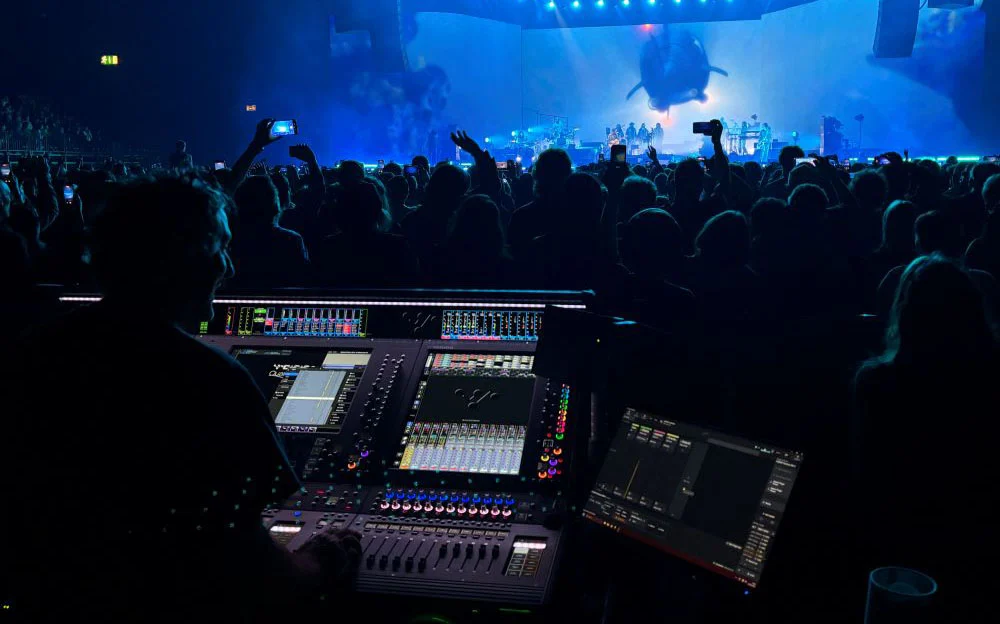
The global phenomenon of Gorillaz is more than just a musical act; it is a sprawling, multi-dimensional sonic experience that bridges the gap between digital art and live performance. As the BRIT and Grammy-winning virtual band traverses the globe on their latest world tour, the logistical demands behind the scenes have reached an unprecedented scale. At the heart of this complex production, Entec Sound and Light has provided a backbone of DiGiCo Quantum852 consoles, enabling engineers Matt Butcher and Dave Guerin to manage a show that is as technically daunting as it is artistically ambitious.
The Architectural Challenge of a Virtual Band
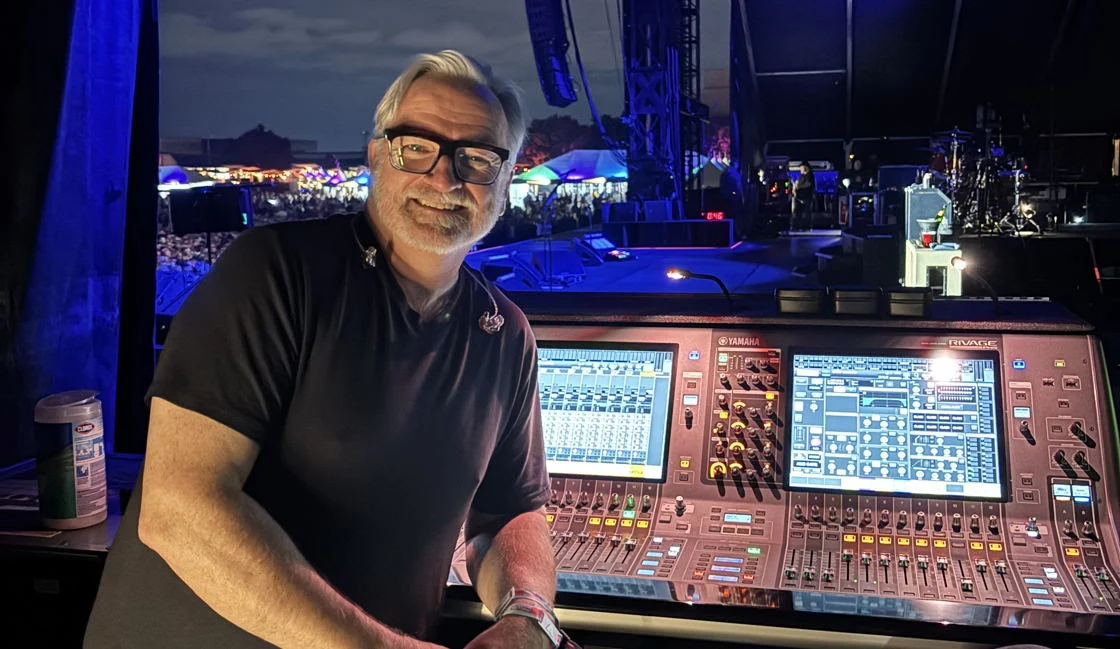
Managing a Gorillaz performance is an exercise in high-stakes audio orchestration. Because the live band is joined by a rotating cast of guest performers at every stop, the input count is massive and constantly shifting. At the front-of-house (FOH) position, Matt Butcher is managing a staggering 165 input channels. At the monitor position, Dave Guerin’s workload is even more intense, currently hovering at 290 input channels and 130 outputs.
To put this in perspective, most arena-scale productions operate with a fraction of this density. The complexity is compounded by the integration of multiple vocal microphones—each requiring bespoke effects chains—alongside an array of traditional instrumentation and guest artist inputs. The system also integrates a Quantum326 console specifically for playback, ensuring that the signature Gorillaz electronic aesthetic remains perfectly synced with the organic live performance.
The Quantum Advantage: Workflow and Reliability
For Matt Butcher, the choice of the DiGiCo Quantum852 was not merely a matter of brand preference, but a strategic decision based on workflow velocity. In a production where every second of soundcheck is precious and the guest lineup can change at the eleventh hour, the ability to edit rapidly is a non-negotiable requirement.
“There are lots of reasons to use a DiGiCo, but we use the Quantum852 for Gorillaz because no other manufacturer makes a console that can do what a DiGiCo does,” Butcher explains. “We can edit really quickly on the Q852, it has the redundancy we need, and we can cater for any type of record or broadcast feed request.”
Butcher highlights that in the world of high-end touring, reliability is the primary currency. He notes that while other consoles may offer impressive sonic characteristics, the DiGiCo ecosystem provides a level of “rock solid” stability that prevents the “strange errors” that often plague lesser systems during the high-pressure moments before a show begins.
Digital Innovation at the Monitor Position
Dave Guerin’s role at the monitor desk is arguably one of the most complex positions in modern live touring. With only 12 spare input channels left on his Quantum852, Guerin has turned to software development to maintain control over his massive environment. Recognizing that standard console interfaces have limits, Guerin has authored a suite of custom applications to streamline his workflow.
His software portfolio—which includes apps dubbed Faders, Doris, Changes, and SetList—allows musicians and technicians to take agency over their own monitor mixes via iPads. Because DiGiCo consoles are designed to connect to a single external application, Guerin engineered a middleware solution called Router. This allows his various apps to communicate with the console simultaneously through a single access point.
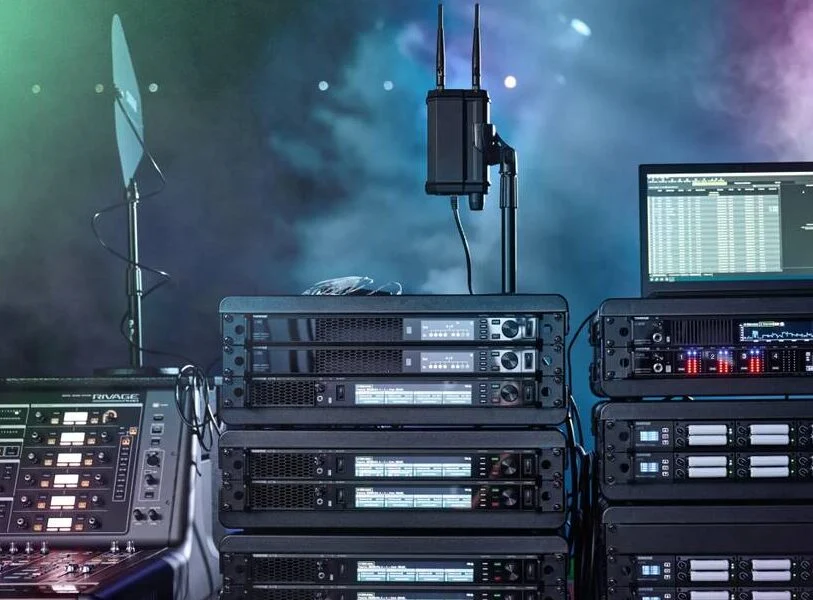
“It’s very useful for the tour, not just for the DiGiCo consoles, but also for our RF tech who can route any of my mixes to any of our four backup Sennheiser Spectera systems at a touch on his iPad,” Guerin notes. “I have 290 input channels and 130 outputs on this tour, so it’s important to stay on top of things. I’m thinking of creating another app that just tells you what happened in the last OSC command you fired, to help you keep track!”
The Role of External Processing: Fourier Transform
While the Quantum852 is the workhorse of the tour, the team has augmented their setup with the Fourier transform.engine at FOH. This has allowed Butcher to move away from hauling racks of outboard gear, a significant shift in touring logistics.
“The Fourier works well. I do most things on the console, but there are some big reverb effects coming from the Fourier and it’s all nice and stable,” Butcher states. By integrating this engine, the production achieves a balance between the console’s internal processing power and the specialized, high-fidelity reverb effects required for the distinct Gorillaz sound. This setup, supported by the stable Optocore loops, ensures that the audio remains clean and consistent across the massive channel counts required for every performance.
Industry Implications: Service as a Product
The longevity of the DiGiCo and Gorillaz relationship is underscored by the manufacturer’s commitment to customer support. In an industry where a five-minute technical failure can disrupt a show for thousands of fans, the support network provided by Entec Sound and Light and DiGiCo is a critical component of the tour’s success.
Guerin cites a specific instance at London’s O2 Arena where a Sunday morning technical hurdle was resolved by a direct callback from DiGiCo’s technical manager, John Stadius. This level of access—bridging the gap between the end-user and the design engineers—is what keeps high-profile tours tethered to the brand. “Even though the company has grown, they still provide worldwide support along with the attention to detail that engineers rely on,” Guerin adds.
Looking Ahead: The World Tour Chronology
The Gorillaz "Mountain World Tour" represents a massive undertaking that spans several continents and diverse cultural landscapes. Following a successful run through various European festivals this summer, the tour is slated for an intensive North and South American leg throughout the autumn months.
The tour’s forward momentum is particularly notable for its expansion into emerging markets. The production is set to make history in early 2027 with its debut in India, with scheduled performances in Mumbai on January 27 and Bengaluru on January 31. This expansion highlights the logistical endurance of the production—moving a massive channel-count show across borders, through different electrical infrastructures, and into diverse acoustic environments, all while maintaining a consistent sonic signature.
Technical Summary of the Production
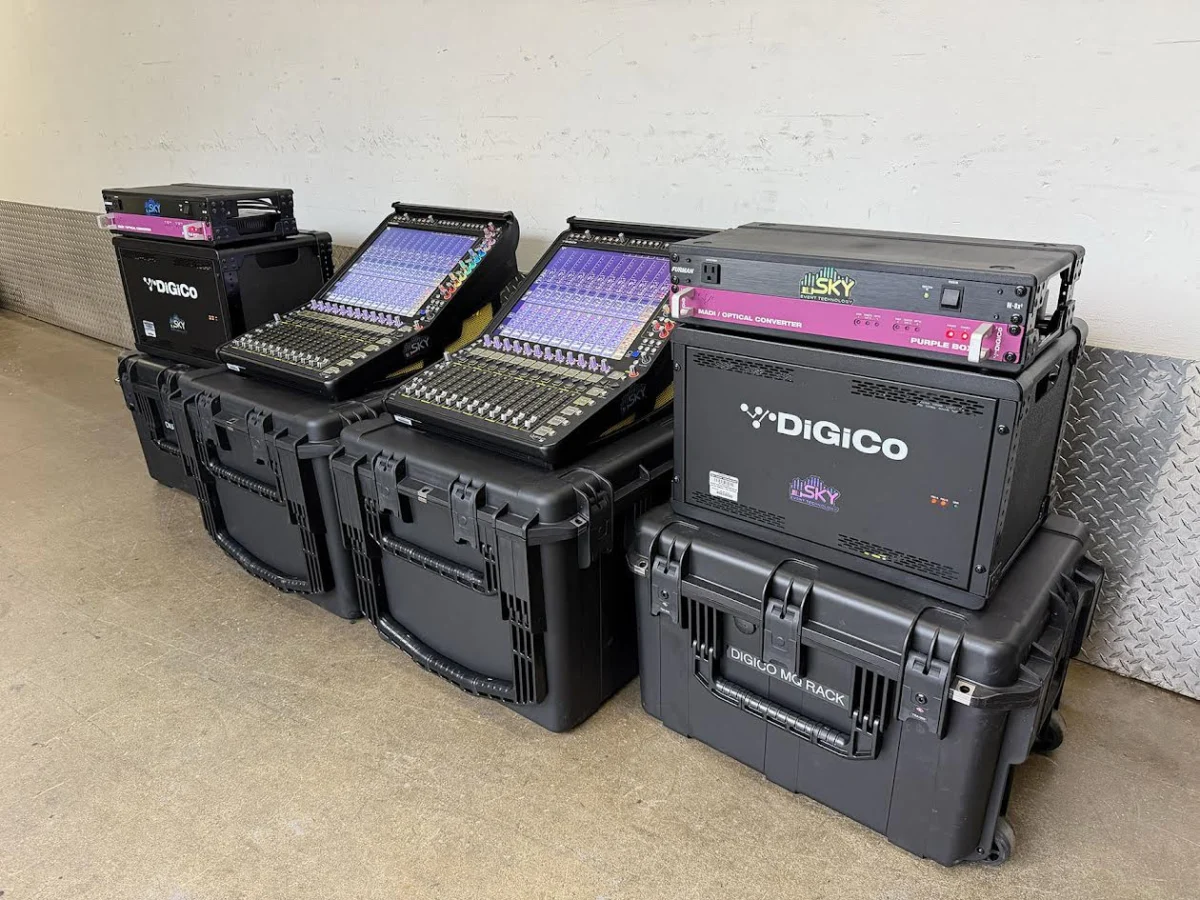
The infrastructure supporting this tour is a testament to how far digital audio networking has evolved. The primary technical components include:
- Consoles: Dual DiGiCo Quantum852 consoles (FOH and Monitors).
- Playback: Dedicated DiGiCo Quantum326.
- Processing: Fourier transform.engine for specialized vocal and reverb effects.
- Monitoring/Control: Custom-built software ecosystem (Router, Faders, Doris, Changes, SetList).
- Infrastructure: Optocore loops for high-bandwidth, low-latency signal distribution across the entire stage and FOH position.
Conclusion: The Future of Virtual Performance
The Gorillaz world tour serves as a masterclass in how to manage "impossible" channel counts and complex digital architectures. By prioritizing a workflow that emphasizes speed, redundancy, and custom-tailored software solutions, Butcher and Guerin have created a system that is as adaptable as the band itself. As the tour prepares for its upcoming dates in the Americas and India, the reliance on the Quantum852 ecosystem will remain a defining feature of their operation.
In the rapidly evolving landscape of live entertainment, the success of this tour proves that while the "virtual" nature of the band is the draw, the "real" technical backbone provided by DiGiCo and Entec is what ensures the show goes on, night after night, in every corner of the world. Through innovation, collaboration, and a relentless pursuit of technical stability, the team behind Gorillaz is setting a new standard for what is possible in modern live sound engineering.