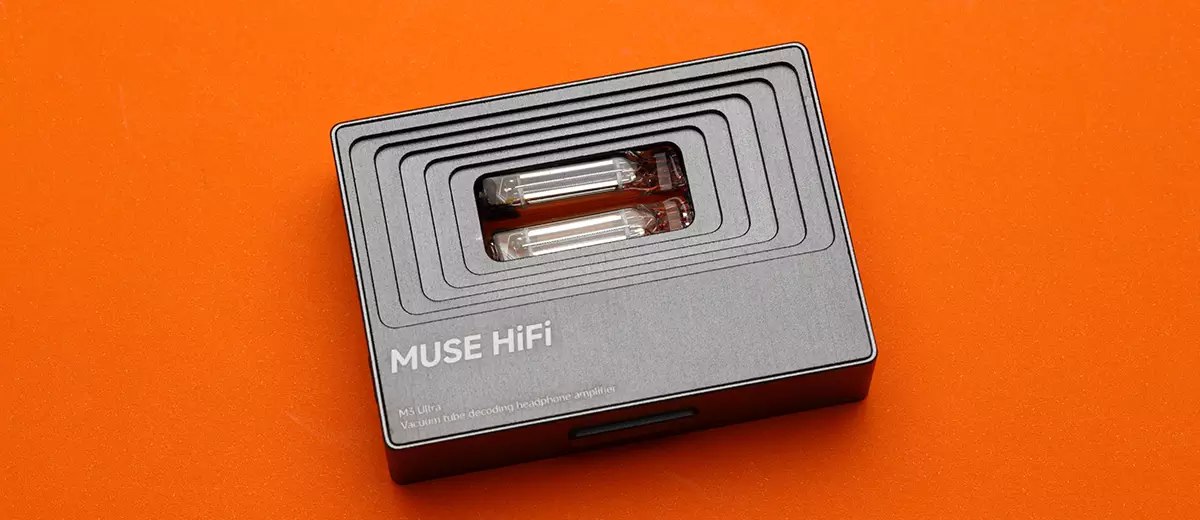
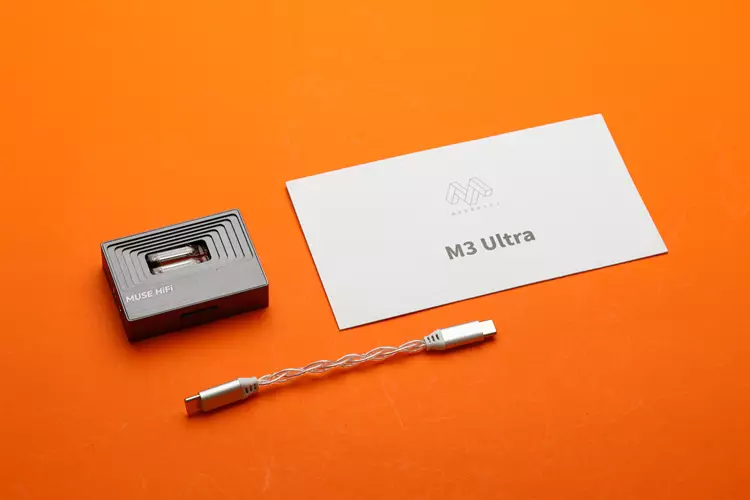
In the rapidly evolving world of portable audio, the pursuit of the "tube sound"—that elusive, warm, and harmonically rich sonic signature—has traditionally been a costly endeavor. High-end tube-hybrid DAC/amplifiers often command premium prices, putting them out of reach for many entry-level audiophiles. MUSE HiFi aims to disrupt this hierarchy with the release of the M3 Ultra, a compact, feature-rich portable DAC/amp that integrates dual JAN6418 vacuum tubes for a street price of just $109.99.
Main Facts: The Intersection of Tradition and Modernity
The MUSE HiFi M3 Ultra is not merely another portable DAC; it is a bold experiment in miniaturization. At its heart, the device utilizes the ESS SABRE ES9029Q2M DAC chip, paired with the ES9603Q op-amp to drive a pair of genuine, military-grade Raytheon JAN6418 miniature pentode tubes.
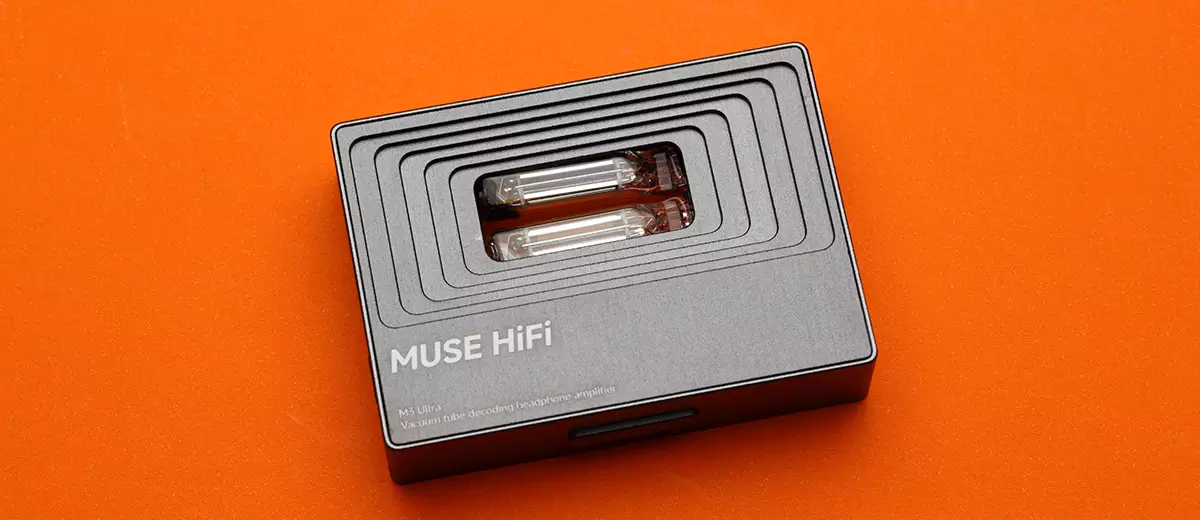
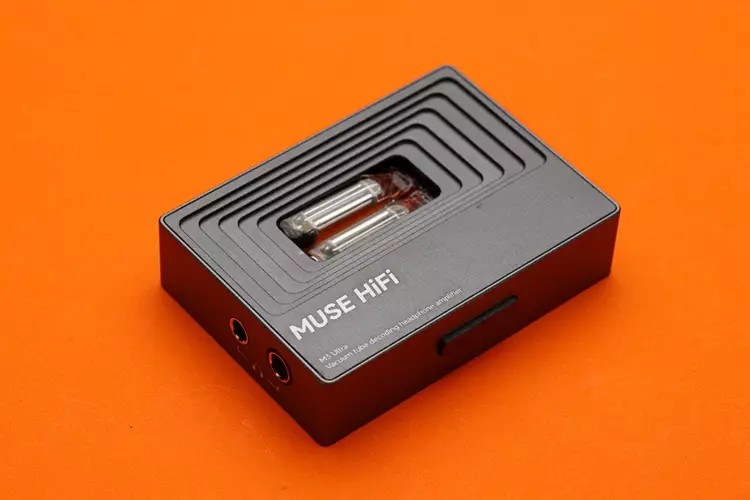
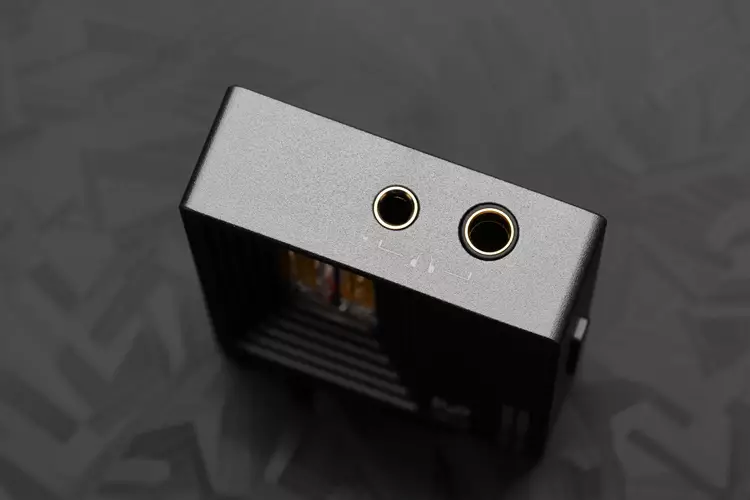
Despite its diminutive footprint—measuring just 65mm x 16mm x 46.5mm and weighing a mere 55 grams—the M3 Ultra manages to output a respectable 460mW at 3.5mm and 480mW via the 4.4mm balanced output into a 32Ω load. Unlike many modern portable devices that prioritize Bluetooth connectivity or complex DSP apps, the M3 Ultra takes a purist approach: it is a dedicated, wired-only device designed to deliver high-resolution audio (PCM 32-bit/384kHz and DSD256) with as little signal degradation as possible.
Chronology: The Evolution of MUSE HiFi’s Design Philosophy
MUSE HiFi has established a reputation for pushing the boundaries of portable tube amplification. Their previous releases, such as the M6 Double and the M5 Ultra, were lauded for their build quality and ambitious engineering, though they sat at a higher price point. The M3 Ultra represents a tactical shift in the company’s product roadmap.

The development of the M3 Ultra appears to be a direct response to the "dongle wars," where competitors like the Cayin RU9 and the iBasso Nunchaku have dominated the premium portable market. By stripping away non-essential features like internal batteries or Bluetooth, MUSE HiFi has been able to focus its budget on core audio components and the integration of their signature triple anti-vibration technology, which physically isolates the tubes to prevent microphonic interference.
Supporting Data: Technical Performance and Sound Signature
The sonic profile of the M3 Ultra defies the stereotypical "muddy" or "overly warm" characteristics often associated with budget-tier tube gear. Through extensive testing with IEMs such as the DUNU Falcon Ultra Ti and the Kiwi Ears Astral, the device demonstrates a surprising level of transparency.

The Sound Profile
Unlike many tube-based designs that roll off the high frequencies, the M3 Ultra exhibits an airy, extended treble that provides an expansive soundstage. This "holographic" presentation is one of the device’s standout features. While it retains a "larger-than-life" bass response—thanks to the subtle harmonic distortion inherent to the vacuum tubes—it avoids the pitfalls of bloominess or midrange congestion.
- Midrange: Exceptional neutrality with accurate note weight.
- Bass: Thick and engaging, though slightly less "snappy" than top-tier solid-state amplifiers.
- Treble: Extended and airy, with a subtle elevation in the lower treble that enhances detail retrieval.
- Dynamics: Excellent contrast between micro and macro dynamics when paired with sensitive IEMs.
The Power Limitation
It is important to note a critical limitation: the M3 Ultra is primarily designed for In-Ear Monitors. While it handles IEMs with ease, providing ample headroom at 75% volume, it struggles when tasked with driving demanding over-ear headphones to high volume levels. Users looking for a desktop-replacement amplifier for power-hungry planar magnetics may find the M3 Ultra falling short in terms of raw current delivery.
Official Responses and Design Considerations
MUSE HiFi has been transparent about the "plug-and-play" nature of the M3 Ultra. In conversations surrounding the product’s launch, the company emphasized that they chose to exclude a screen and complex menus to preserve signal integrity and reduce internal interference.
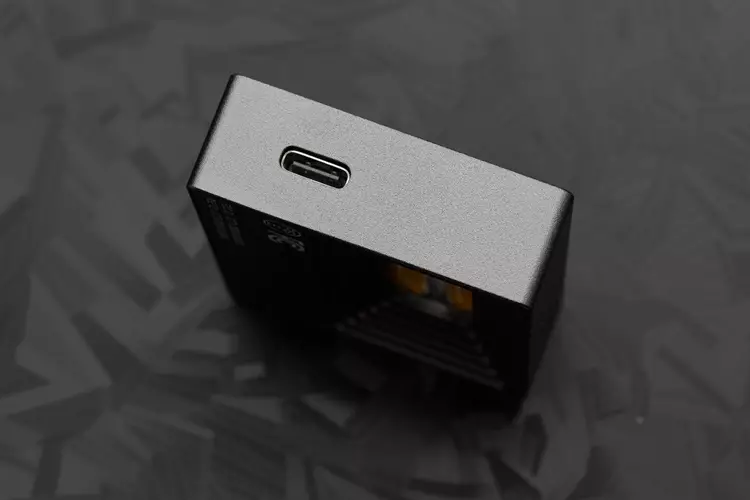
The inclusion of the SA9137L USB chipset ensures that the M3 Ultra is highly compatible with a wide array of sources, including PCs, laptops, and smartphones. While it operates strictly under the UAC 2.0 protocol, this is a standard industry choice that ensures compatibility with modern Android devices and contemporary operating systems, effectively rendering concerns about legacy UAC 1.0 support moot for the target demographic.
Implications: Where Does the M3 Ultra Fit?
The release of the M3 Ultra has significant implications for the budget-audiophile market. It proves that the tactile, visual, and sonic appeal of vacuum tubes does not have to be an expensive luxury.
Market Positioning
At $109.99, the M3 Ultra is uniquely positioned to act as a gateway device. It offers users the chance to experience the "tube aesthetic"—literally, as the tubes are visible through a cutout in the chassis—without the maintenance or financial burden of traditional desktop valve amplifiers.
Pros and Cons for the Consumer
Pros:
- High-Value proposition: Unbeatable price-to-performance ratio for a tube-hybrid device.
- Build Quality: Solid, industrial design with an effective anti-vibration housing.
- Sound Quality: Transparent, resolving, and expansive soundstage that punches well above its weight class.
- Ease of Use: Simple, driverless operation that integrates seamlessly into mobile setups.
Cons:
- Power Output: Limited capacity for driving high-impedance or low-sensitivity full-sized headphones.
- Feature Set: Lacks modern conveniences like Bluetooth, MQA hardware decoding, or an onboard battery, making it entirely reliant on the source device’s power.
Conclusion: A Worthy Contender
The MUSE HiFi M3 Ultra is a triumph of focused engineering. By ignoring the trends of "feature creep" and concentrating on the core audio path, MUSE HiFi has delivered a device that sounds significantly better than its price tag suggests. It is not a "do-it-all" device—those seeking to drive heavy-duty headphones or needing wireless connectivity should look elsewhere—but for the listener who values a wide, holographic soundstage and the organic charm of tubes, the M3 Ultra is arguably the most compelling portable option on the market today.
As the industry continues to push for smaller, more efficient, and more affordable hardware, the M3 Ultra stands as a testament to the fact that high-fidelity audio is becoming more accessible than ever before. Whether you are a seasoned audiophile looking for a portable "fun" piece of gear or a newcomer eager to see what the tube hype is about, the M3 Ultra is a highly recommended addition to any collection.