The podcast industry continues to undergo a profound transformation, driven by technological integration and shifting consumer habits. As Apple Podcasts expands its visual footprint and new programming enters the competitive fray, both creators and listeners are navigating a digital environment where the boundaries between audio and video are increasingly blurred. This report explores the latest industry shifts, the rise of specialized storytelling, and the current state of global podcast rankings.
Main Facts: The Convergence of Audio and Video
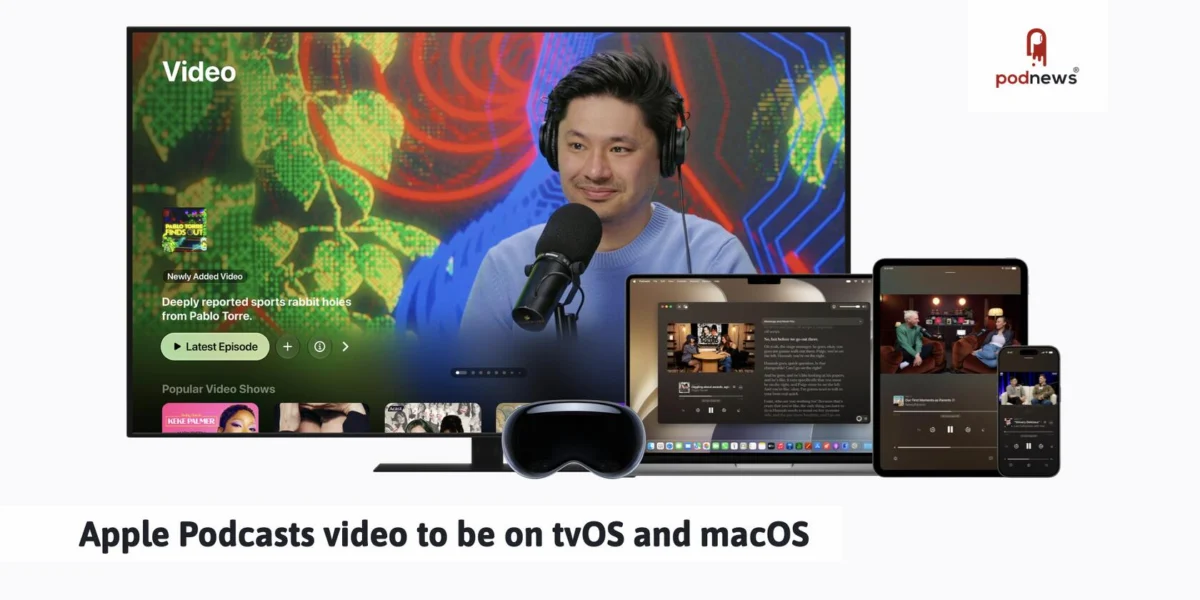
The most significant development in the current podcasting ecosystem is Apple’s strategic push toward "video across surfaces." By enhancing the visual components of its podcast interface, Apple is signaling a long-term commitment to a multimodal consumption experience. This evolution is not merely a cosmetic update; it is a fundamental shift in how podcasting is perceived by the platform.
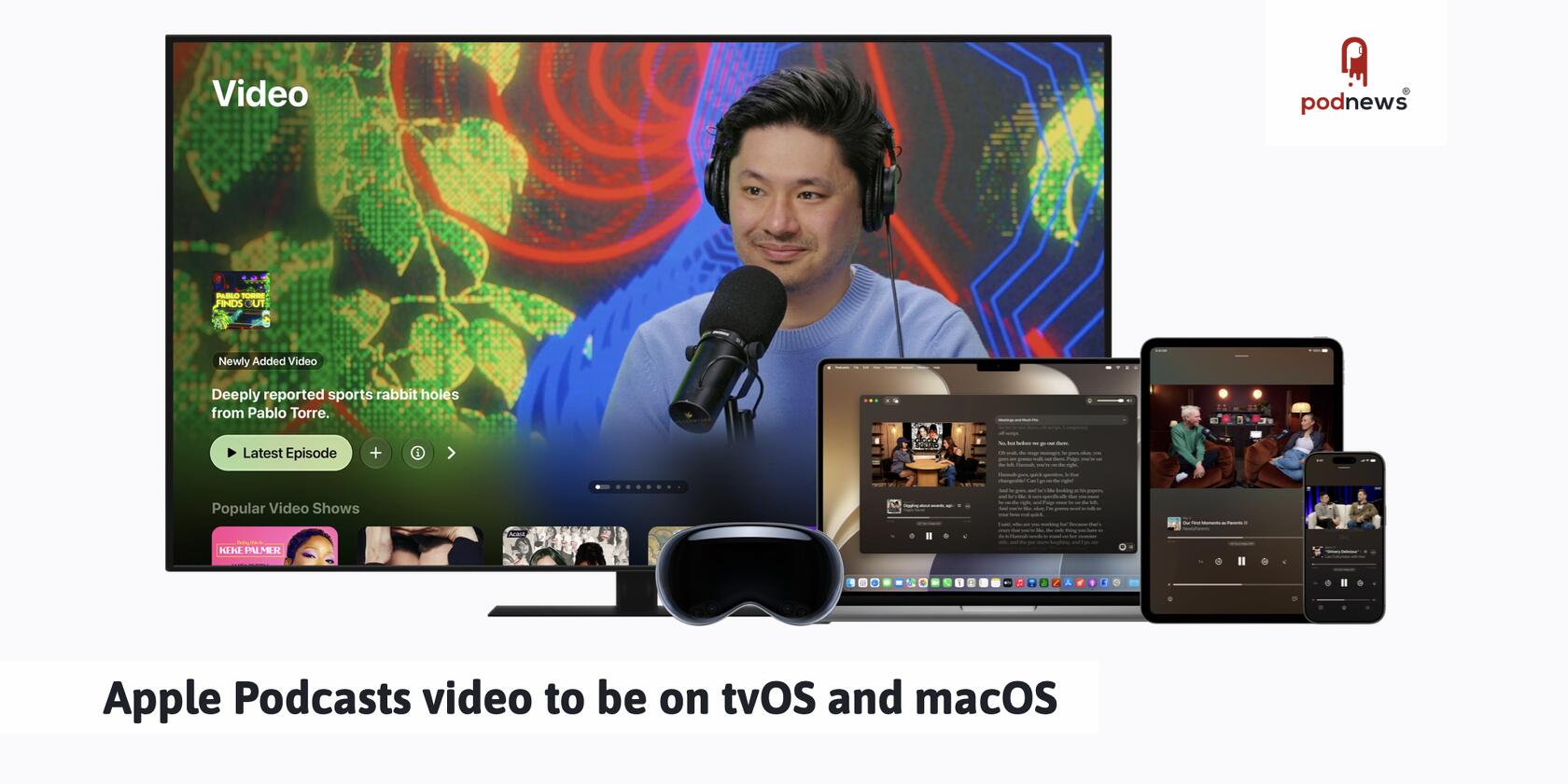
For years, the industry debated whether podcasts should remain "purely audio." However, the success of video-first platforms has forced a pivot. Apple’s recent UI updates, which allow for seamless transitions between audio and video playback, acknowledge that modern audiences desire a deeper connection with the hosts and subjects they follow. This integration is designed to keep users within the Apple ecosystem, providing a high-fidelity viewing experience that complements the high-fidelity listening experience for which the platform is known.
Chronology of Industry Developments
The path to this moment has been paved by a series of strategic maneuvers and cultural shifts:

- The Early Era of Exclusivity: Initially, the podcast industry was fragmented by platform-exclusive deals, with major players vying for the "Joe Rogan" style of high-reach, long-form content.
- The Rise of Independent Networks: As big-budget exclusive contracts began to cool, there was a resurgence of interest in independent networks and boutique productions that focus on niche, high-value storytelling.
- The Visual Pivot: Throughout the last 18 months, major platforms—led by YouTube and subsequently Apple—began prioritizing video podcasts. This created a new demand for production studios that could handle multi-camera setups.
- Present Day: The current landscape is defined by the coexistence of traditional audio-only shows and sophisticated video-led series. The latest data shows that shows with strong visual branding or video components are significantly outperforming static counterparts in terms of engagement metrics.
Supporting Data: Market Trends and Rankings
The data confirms that despite the noise in the market, certain titans remain untouchable, while new entries are finding success through hyper-focused subject matter.
The Powerhouses (United States)
- Apple Podcasts: The Daily continues to hold the #1 spot, cementing its position as the gold standard for daily news-oriented podcasts. Its ability to maintain top-tier engagement is a testament to the consistency of the New York Times’ production machine.
- Spotify: The Joe Rogan Experience remains the dominant force in the United States. Its massive listener base underscores the enduring popularity of long-form, personality-driven talk shows that defy traditional programming schedules.
The International Surge (Ireland & UK)
In smaller but highly influential markets like Ireland and the UK, we are seeing a "Long Tail" effect.

- Highest New Entry: The Sustainability Options Podcast has made a significant splash, debuting at #1 in the Non-Profit category in Ireland. This suggests that listeners are increasingly seeking out actionable, mission-driven content.
- Category Leaders: WHAT WENT WRONG has captured the top spot for Film History in Ireland, proving that deep-dive analysis into specific cultural niches is a viable path to audience loyalty.
- UK Trends: We Need To Talk with Paul C. Brunson holds the top spot for Society & Culture in the UK, highlighting the demand for relationship-focused, high-production-value talk shows.
New Programming and Creative Directions
The current crop of new shows indicates a departure from generic "interview" podcasts toward highly produced, cinematic, or thematic experiences.
Travel Tales by AFAR
Travel Tales by AFAR represents the best of the "transformation" genre. By digging into stories of individuals who travel and return home fundamentally changed, the show taps into the listener’s desire for escapism and personal growth. It is a prime example of high-quality narrative journalism finding a home in the podcast format.

We Choose To Go To Kennedy
Produced by the Kennedy Space Center Visitor Complex, this series is a masterclass in branded content. Rather than acting as a traditional advertisement, it provides behind-the-scenes access to human spaceflight. By focusing on the "heart of exploration," the creators have successfully turned institutional history into compelling, narrative-driven entertainment.
Not a Climate Scientist
Addressing the existential crisis of our time, Not a Climate Scientist recently featured a crucial bonus episode regarding the links between ebola, deforestation, and climate change. By bridging the gap between scientific experts and everyday citizens, the show is successfully demystifying complex global issues.

An American Game
As the U.S. approaches the 2026 FIFA World Cup, An American Game provides a vital cultural touchstone. By exploring the history of "ultras" and supporter culture, the show illustrates that the U.S. has a deep, albeit overlooked, passion for soccer. It captures the sound and the spirit of a nation becoming a true "soccer nation."
Official Responses and Industry Outlook
Industry analysts remain bullish on the future of the medium, though they caution against "content fatigue." The consensus among network executives is that the "discovery problem"—the difficulty listeners face when trying to find new shows—is the next major hurdle.

Apple’s move to emphasize video is seen as a direct response to this discovery problem. By giving podcasts a "face" and a visual thumbnail that stands out on the home screen, they are attempting to lower the barrier to entry for new listeners.
"The medium is evolving from a utility into an experience," says a leading industry consultant. "Creators who can leverage both the intimacy of the human voice and the engagement of visual storytelling are the ones who will define the next decade of media."

Implications for the Future of Podcasting
The shift toward video-integrated podcasts has several long-term implications for the industry:
- Increased Production Costs: Creators can no longer rely on a simple microphone and an editing suite. To remain competitive on platforms like Apple, studios must now account for lighting, cinematography, and set design. This may lead to a consolidation of the industry, where only well-funded creators can keep pace.
- Redefining Advertising: With video comes the potential for more dynamic ad placements. Visual product placement, in-video overlays, and native sponsorships will likely replace the traditional host-read audio ad as the primary revenue driver for top-tier shows.
- The Death of the "Passive" Listener: Podcasting was once considered the ultimate "passive" medium—something you listened to while commuting or doing chores. With the rise of video-first podcasts, the medium is becoming "active." Listeners are now expected to sit down and watch, which changes the value proposition of the content entirely.
- Data-Driven Curation: As platforms gather more data on how users interact with both audio and video, expect to see hyper-personalized recommendations that cater to a user’s specific viewing habits.
Conclusion
The podcasting landscape is in a state of healthy, albeit aggressive, evolution. The transition toward visual integration, led by Apple, represents a maturation of the medium. While the core of the industry remains the power of the human voice, the context in which that voice is delivered is changing. Whether it is a deep dive into the history of American soccer, a nuanced look at climate science, or the stories of travelers, the content that succeeds in this new era will be that which embraces the full potential of digital storytelling. As we look toward the remainder of the year, one thing is certain: the competition for the listener’s ear—and eye—has never been more intense.