By Audio Equipment Review Desk
Published: April 2026
Main Facts
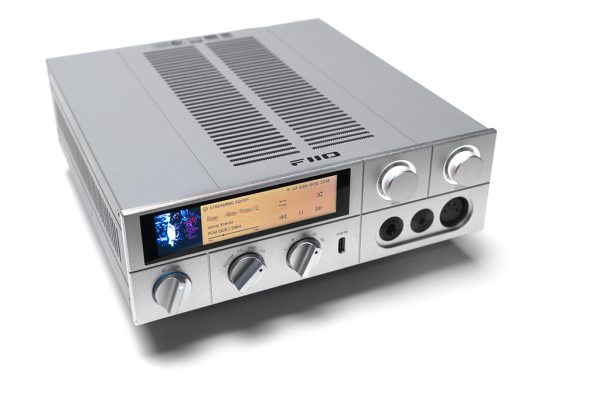
The audio hardware landscape has long been polarized between ultra-budget consumer electronics and five-figure audiophile status symbols. Enter the FiiO K17, a multi-functional desktop component retailing for $995.00. Despite its modest physical footprint—measuring roughly 8” x 8” x 2”—the device integrates four distinct high-performance audio roles into a single aluminum chassis:
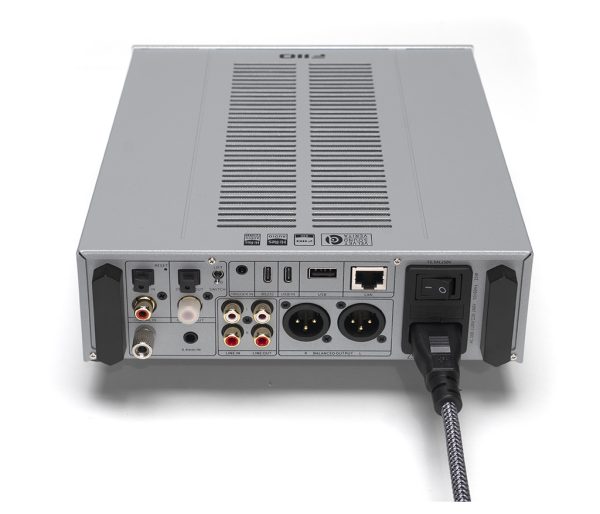
- Digital-to-Analog Converter (DAC): Equipped with multiple digital inputs (coaxial SPDIF, optical, USB) and capable of decoding virtually any modern high-resolution or MQA audio format.
- Network Streamer: Functioning seamlessly as a Roon endpoint and supporting popular platforms like Qobuz, Tidal, and Bluetooth-driven Spotify via iOS devices.
- Preamplifier: Offering both single-ended (RCA) and fully balanced (XLR) analog outputs, along with a dedicated analog input to accommodate analog sources like turntables.
- Headphone Amplifier: Delivering up to 4 watts of power through discrete output stages, featuring triple headphone output jacks and a comprehensive built-in 31-band digital parametric equalizer.
Nestled between reference-grade horn speakers and benchmarked against six-figure digital front ends, the FiiO K17 has secured a rare industry distinction: the 2026 Exceptional Value Award.
Chronology & Testing Methodology
To understand how a sub-$1,000 Swiss Army knife of sound performs in world-class environments, reviewers subjected the FiiO K17 to rigorous, multi-system testing over several weeks.
Phase One: Integration into Reference Systems
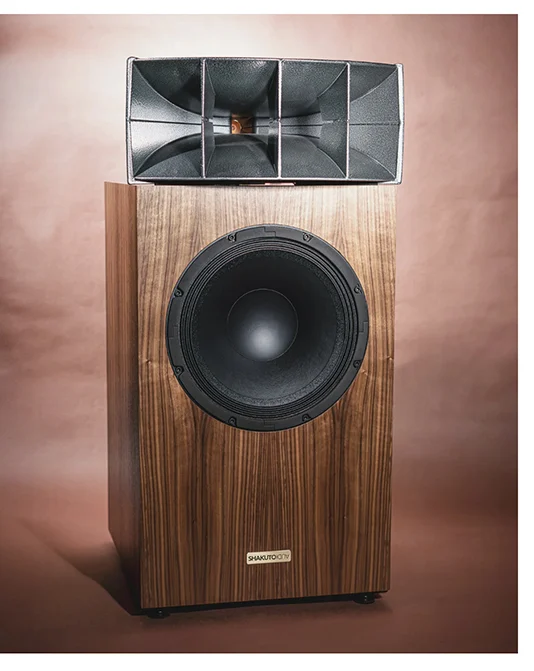
Initial testing took place in a high-end listening studio utilizing massive Klipschorn loudspeakers paired with sub-bass reinforcement. The K17 was introduced primarily as a dedicated DAC and network streamer, fed via Roon playing complex, texturally dense tracks like The Art of Noise’s "Paranormal".
Phase Two: Midrange Detail and Acoustic Evaluation
Testing shifted toward vocal and acoustic depth, utilizing challenging recordings:
- Tom Waits’ "What’s He Building?" to test spatial cues and midrange texture.
- Lou Reed’s "Vanishing Act" to isolate upper-mid detail.
- Allan Taylor’s rendition of "Tennessee Waltz" to evaluate tonal accuracy.
Phase Three: Headphone and Room-Correction Trials
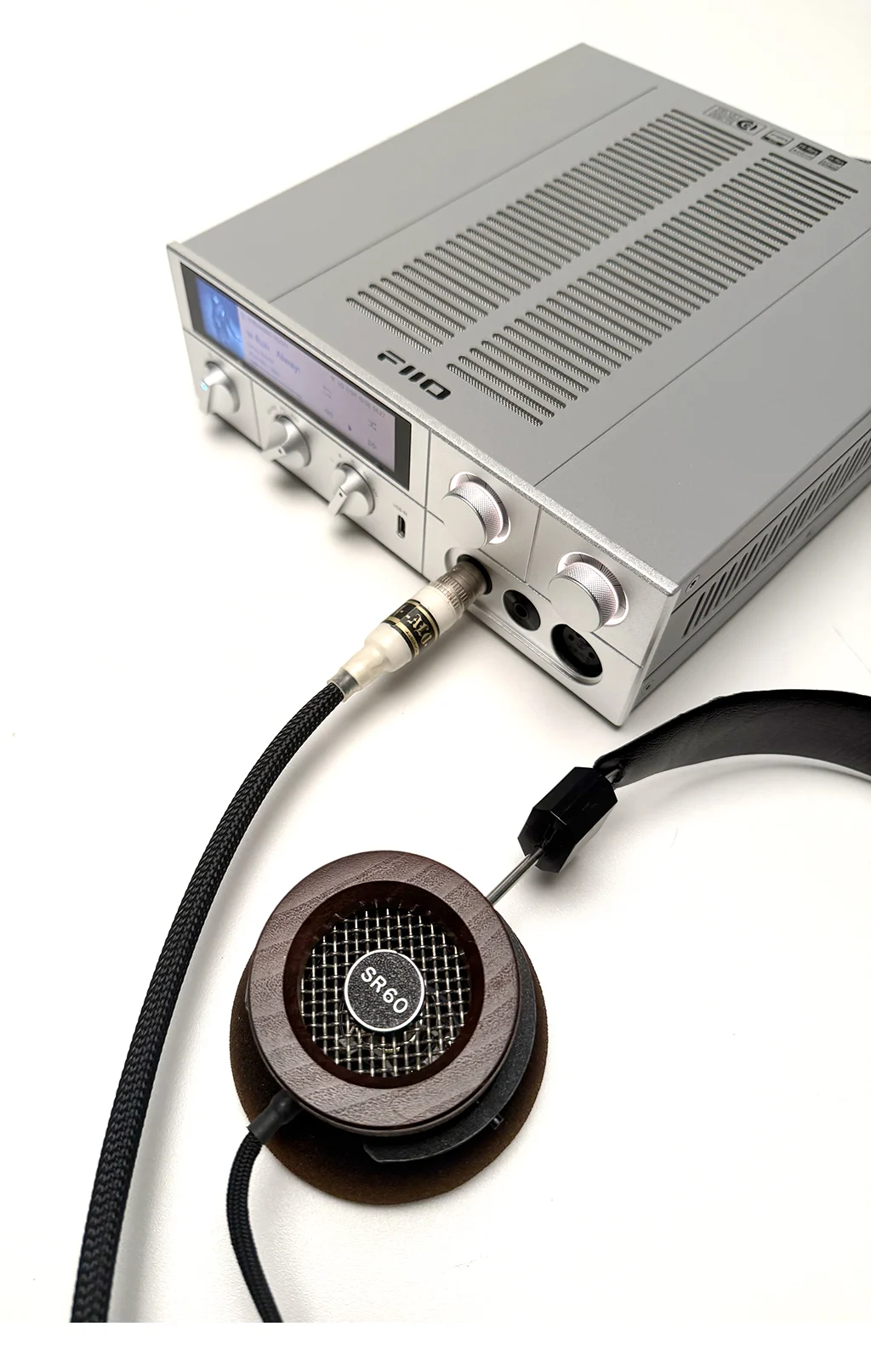
The unit’s headphone output stage was evaluated using a cross-section of demanding planar and dynamic cans, including the Focal Clear MG, original Audeze LCD-2s, and classic Grado headphones. Simultaneously, the unit’s 31-band digital parametric EQ—accessible via a companion mobile app—was tested in an acoustically challenging residential living room to measure its efficacy in mitigating room modes.
Phase Four: Direct Competitor Comparisons
Finally, the K17 was moved to a secondary setup running direct-to-amplifier duties via long balanced XLR interconnects into a Pass Labs XA30.8 power amplifier, and later compared side-by-side against dedicated digital players from Advance Paris, Naim, and Marantz, many of which carry price tags double its $995 MSRP.
Supporting Data & Performance Analysis
Sonic Signature
- Bass Response: Extended, well-defined, and remarkably rich in texture. Low frequencies retain structural integrity without blooming or muddying the soundstage.
- Midrange: Naturally rendered, clean, and transparent. The digital front end uncovers micro-details that rival equipment costing thousands more.
- Treble: Exceptionally competent, though showing a slight touch of grain when directly compared against ultra-high-end reference gear. However, this characteristic blends smoothly with systems utilizing bright or highly extended tweeters.
Hardware & Engineering Specifications
The engineering achievement behind the K17 lies in miniaturization. FiiO has utilized every millimeter of the 8-inch chassis without introducing thermal throttling or electrical noise interference.
| Feature | Specification |
|---|---|
| Price | $995.00 |
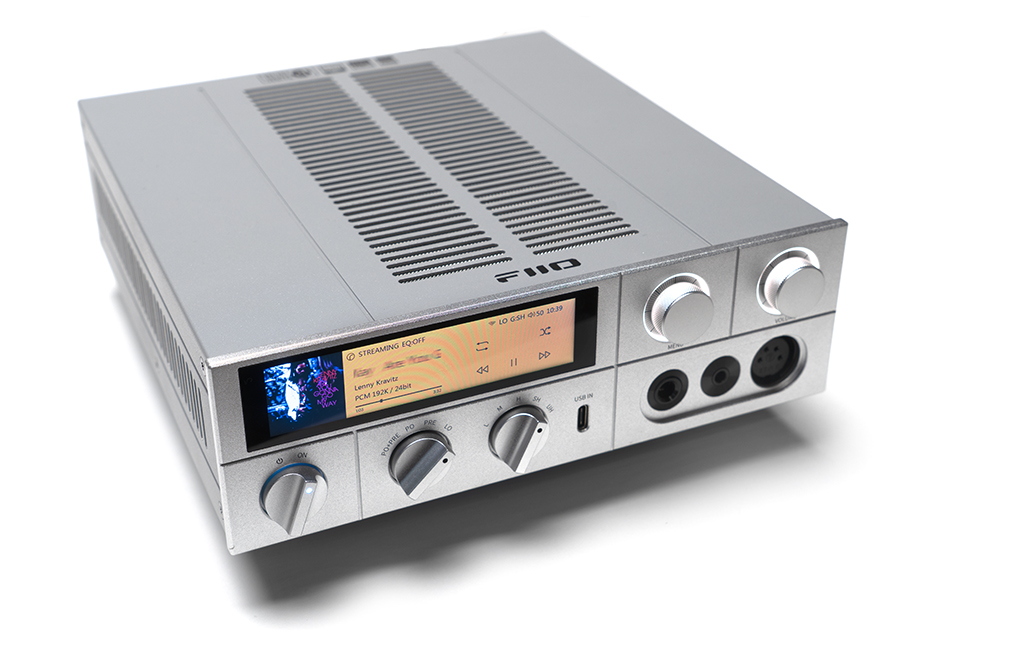
| Display | 3.93-inch high-resolution front-panel touch screen |
| Headphone Power | 4 Watts with discrete output devices |
| Connectivity | Coaxial SPDIF, Optical, USB-C, Bluetooth, RCA/XLR Outputs |
| EQ System | 31-band digital parametric EQ (App-controllable) |
| Chassis Dimensions | Approx. 8" x 8" x 2" |
Official Reviewer Impressions & Expert Feedback
While high-end audio reviews often hyper-focus on hyper-expensive gear, long-term industry evaluators were candid about the K17’s standing in the market. Comparisons were made directly against elite digital players, including a reference dCS Vivaldi ONE upgraded to APEX specifications—a roughly $100,000 digital source.
"I’m not saying this to boast about my system; I want you to know that I have an incredible digital front end, and yet at $995, the K17 is not only a tremendous value, but it delivers tremendous performance and amazing flexibility," noted the review team.
Industry critics noted that while the K17 is obviously not a "dCS killer," its core sonics easily hold their own against dedicated components priced at double its value. Furthermore, the inclusion of a high-resolution 3.93-inch front touch screen gives the unit a retro-futuristic aesthetic reminiscent of early Mark Levinson components scaled down for desktop use.
The only minor critique raised during evaluation involved physical legibility: the silver review chassis featured black lettering that proved slightly difficult to read under dim lighting conditions, leading reviewers to recommend the black colorway for enhanced readability.
Implications for the Audiophile Market
The arrival of the FiiO K17 marks a significant shift in the entry-to-mid-tier audiophile paradigm. For years, consumers seeking a high-end separates experience—comprising a dedicated streamer, high-grade DAC, robust preamplifier, and powerful headphone stage—faced cumulative costs stretching well past $3,000.
1. A Lifeline for Budding Enthusiasts
For the next generation of audio lovers frustrated by the runaway inflation of high-end hifi gear, the K17 serves as an ideal foundational anchor. It allows listeners to build a world-class headphone or two-channel speaker system without needing to drain savings accounts.
2. Revitalizing Legacy Systems
The inclusion of legacy digital inputs (such as coaxial SPDIF) allows users to pair the K17 with vintage digital transports—such as a classic Proceed PDT CD player—instantly bridging 1990s transport engineering with modern high-resolution streaming architectures.
3. Practical Room Correction for Real-World Spaces
Traditional audiophiles often look down upon digital signal processing (DSP) or equalization, preferring "pure" signal paths. However, the K17’s inclusion of a surgical 31-band parametric EQ accessible via tablet demonstrates a pragmatic concession to real-world acoustics. By allowing users to tame problematic room nodes or adjust for uneven master recordings, FiiO has prioritized musical enjoyment over rigid dogmatism.
Conclusion
The FiiO K17 proves that world-class engineering no longer requires a five-figure investment. Whether deployed as a dedicated desktop headphone rig, the digital heart of a minimalist living room system, or a flexible building block in a secondary listening space, it resets expectations for what sub-$1,000 audio components can achieve.