By Editorial Staff
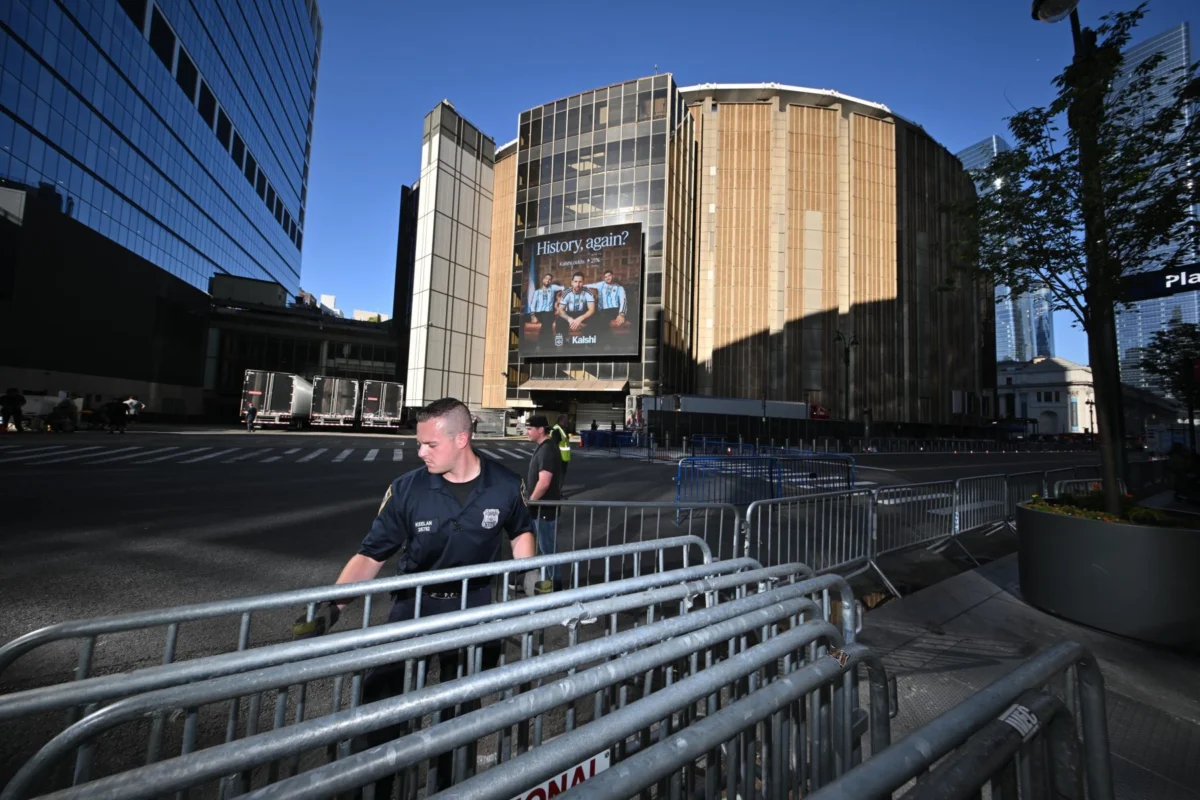
Madison Square Garden (MSG) Entertainment has launched a high-stakes legal offensive against the technology publication Wired, filing a defamation lawsuit in a Manhattan court on Thursday, July 16, 2026. The legal action stems from a controversial July 9 article that alleged the world-renowned entertainment venue maintained a secretive database tracking the sexual orientation and gender identity of high-profile celebrities and patrons.
The filing marks a significant escalation in the ongoing tension between MSG’s leadership and media outlets investigating the company’s data security and operational practices. In its complaint, MSG characterizes the Wired report as a "shockingly unethical" fabrication designed to manufacture a narrative of discrimination against the LGBTQIA community.
The Core Allegation: A Database of Personal Identity
The article in question, titled “Madison Square Garden Kept a List of Gay Celebrities,” alleged that the Manhattan venue’s internal systems tagged hundreds of individuals—including A-list music stars and public figures—with specific labels regarding their sexual orientation and gender identity.
According to the report, the database included prominent names such as Morgan Wallen, Ice Spice, Selena Gomez, Benson Boone, and Fat Joe. More specifically, it claimed that the company, led by executive chairman James Dolan, had systematically tagged dozens of artists—including Ricky Martin, Phoebe Bridgers, and Geese’s Emily Green—as “LGBTQIA.”
Wired reported that these tags were found within a wider risk-assessment database that assigned scores to celebrities based on their likelihood of being a "hostility" risk to the venue. The tags, which also allegedly categorized individuals as "low risk" to "DO NOT HOST," were part of a massive data breach involving the hacker group ShinyHunters.
Chronology of the Conflict
The origins of this dispute trace back to a major cybersecurity incident that has plagued MSG Entertainment for months.
- The Breach: Following a refusal to pay a ransom demand, the hacker group ShinyHunters exfiltrated a vast trove of internal documents from MSG Entertainment, which manages iconic venues including Radio City Music Hall, the Chicago Theatre, and The Beacon Theatre.
- The Data Leak: As the documents were disseminated online, journalists began analyzing the contents. This data included sensitive information regarding the operational security of these venues.
- The Publication: On July 9, 2026, Wired published its investigative report. The article claimed that among the 40,000 individuals listed in the database, approximately 100 were flagged with the “LGBTQIA” label. The report noted that the explicit purpose for this specific tag remained “unclear.”
- The Fallout: The article immediately sparked widespread public debate regarding corporate surveillance, data ethics, and the privacy rights of public figures.
- The Legal Response: On July 16, 2026, Madison Square Garden filed a formal lawsuit in Manhattan, alleging defamation and malicious intent.
Supporting Data and Security Context
The lawsuit filed by MSG provides a different perspective on the origin and utility of the data found in the hack. The company argues that the information was stolen by criminals and that Wired "cherry-picked" fragments of data to construct a false narrative.

MSG’s legal team contends that the list was part of an standard operational database used to ensure the safety and security of events. They argue that the presence of such labels does not equate to a policy of discrimination. Instead, they frame the database as an administrative tool, asserting that "nothing could be further from the truth" than the claim that MSG targets the LGBTQIA community for discriminatory purposes.
The company further highlighted that they are currently navigating multiple class-action lawsuits arising from the same data breach. These class-action suits, filed on behalf of thousands of individuals whose personal data was exposed during the hack, represent a separate, ongoing legal hurdle for the company as it attempts to manage the fallout of the cybersecurity failure.
Official Responses and Stances
The MSG Position
MSG Entertainment has been categorical in its denial. In its court filing, the company stated:
"Wired combed the dark web, obtained data stolen from MSG by an extortionist hacking group, and cherry-picked fragments of that data to manufacture a false narrative portraying MSG as targeting the LGBTQIA community for discriminatory purposes. MSG is a fervent supporter of the LGBTQIA community."
The company’s attorneys emphasize that the headline and the framing of the story were intentionally designed to create a "false implication" of surveillance and bias. By naming individual editors and contributors—including Noah Shachtman, Maddy Varner, and Katie Drummond—MSG is signaling that it intends to hold the publication’s leadership personally and professionally accountable for what it views as a smear campaign.
The Wired Stance
Wired has shown no signs of backing down. In a statement posted to social media platform X, the publication remained defiant, framing the lawsuit as an attempt to chill investigative journalism.
"We stand by this reporting, and we plan to vigorously defend it against this baseless and ridiculous lawsuit. We look forward to continuing our coverage of MSG, and on billionaire James Dolan’s use of technology across his entertainment empire. It’s one part of our wider mission and the critical job of journalists, now more than ever: holding power to account."
The publication’s defense relies on the fundamental principles of the First Amendment, suggesting that its reporting on the actions of powerful figures and corporations is a matter of public interest.

Legal and Ethical Implications
The outcome of this case hinges on the stringent standards of U.S. defamation law. For a public entity or a powerful corporation to succeed in a defamation suit, they must clear a remarkably high hurdle: proving “actual malice.”
The Burden of Proof
Under the precedent set by New York Times Co. v. Sullivan, MSG must demonstrate that Wired not only published false information but did so with the knowledge that it was false, or with a "reckless disregard for the truth."
Legal analysts note that this standard is intentionally difficult to reach to ensure that media outlets have the breathing room to report on matters of public concern without the constant threat of litigation. The court will likely examine the editorial process, the verification methods used by Wired, and whether the journalists interpreted the raw data in a way that was objectively unreasonable.
The Focus on Editorial Integrity
The lawsuit takes an aggressive turn by citing the past work of Wired editor Noah Shachtman. By referencing previous controversies regarding his editorial judgment, MSG is attempting to establish a pattern of conduct, arguing that the publication has a history of shaping reporting to fit a "predetermined narrative." This strategy is often used in defamation cases to establish that the publication was not acting in good faith, but rather with an agenda that prioritized narrative over accuracy.
The Broader Impact on Media and Privacy
Beyond the courtroom, this case highlights a growing tension in the digital age: the intersection of stolen data and public interest journalism. As more companies find their internal databases exposed by hackers, the media faces the dilemma of how to ethically report on information that was obtained through criminal activity.
- The Right to Privacy: The case raises questions about the extent to which private companies should be allowed to track the personal details of high-profile guests and whether such practices, even if not discriminatory, constitute an invasion of privacy.
- Corporate Accountability: For MSG, the case is an attempt to regain control of its public image. The company is currently struggling with a reputation crisis, and the allegations of "LGBTQIA surveillance" are particularly damaging in an era where corporate inclusion and diversity are heavily scrutinized.
- The Future of Investigative Journalism: If Wired wins, it may embolden other publications to report more aggressively on the internal documents of corporations, even when those documents are leaked. If MSG wins, it could serve as a cautionary tale for outlets that rely on data dumps from hackers, potentially curbing the use of such materials in future investigative reporting.
As the legal proceedings in Manhattan get underway, the entertainment industry and media observers alike will be watching closely. The case serves as a stark reminder that in an age of hyper-connectivity and rampant cybercrime, the line between investigative journalism and the weaponization of stolen data remains a volatile and intensely litigated frontier.