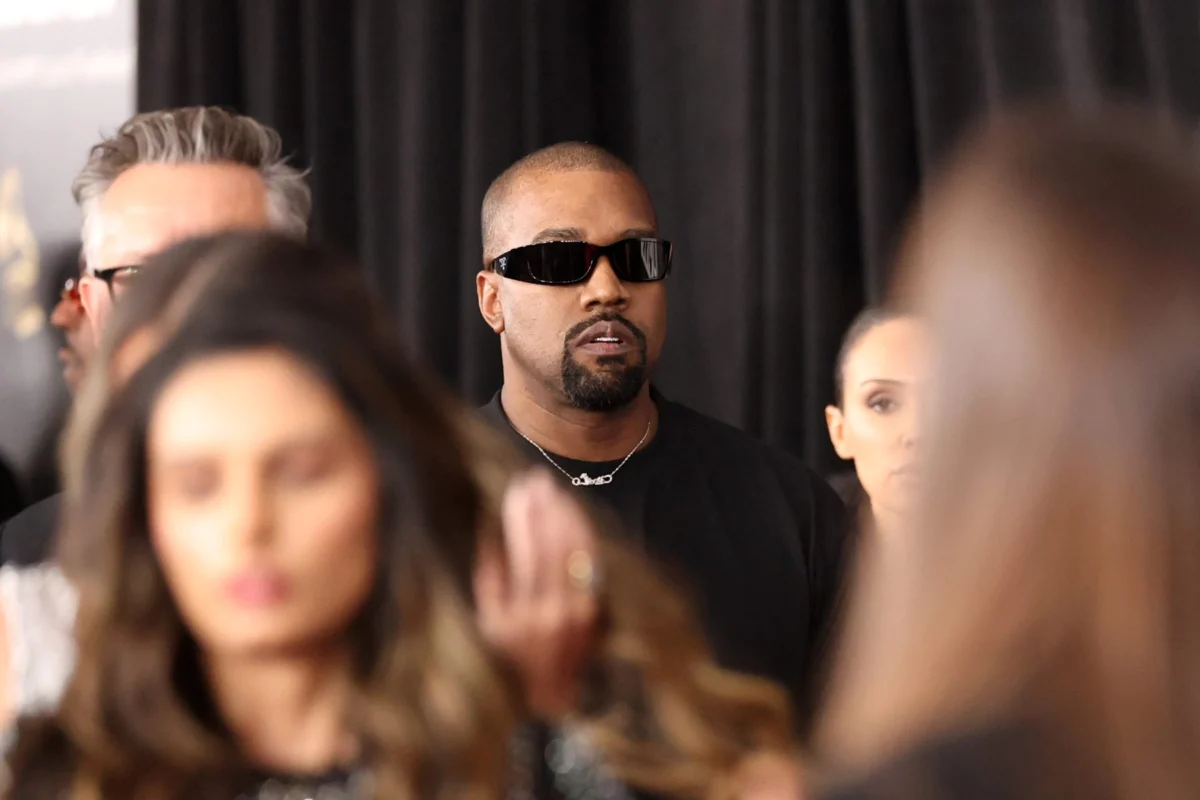
The intersection of celebrity culture, intellectual property law, and the digital era’s "content-first" music industry has collided once again. In a lawsuit filed in Los Angeles federal court on Wednesday, July 15, the celebrity news agency Bauer-Griffin has initiated legal action against Ye (formerly Kanye West) and French Montana, alleging a clear-cut case of unauthorized copyright infringement.
The dispute centers on the 2024 track "Where They At," featured on French Montana’s Mac & Cheese 5 album. The song opens with an audio snippet from a high-profile, volatile encounter between Ye and paparazzi outside a Los Angeles restaurant in 2013. This legal challenge is the latest in a long, exhausting string of copyright battles for the artist, underscoring the increasing litigiousness surrounding the use of "found" audio in modern music production.
The Core Allegation: A "Willful" Infringement
According to the complaint filed by Bauer-Griffin, the inclusion of the 2013 audio clip was not a creative accident but a "blatant and willful" violation of copyright. The audio, which captures a visibly irate Ye shouting, "Don’t take no photos" and "All of you motherf—ers stop it, man!" is unmistakable to anyone familiar with the star’s media history.
The legal team representing Bauer-Griffin argues that the producers and artists involved—including Ye, French Montana (Karim Kharbouch), and producers Dem Jointz and BoogzDaBeast—were fully aware that the audio was protected intellectual property. The lawsuit asserts that in the modern music landscape, the necessity of clearing samples is a fundamental industry standard. By failing to secure a license, the defendants knowingly bypassed established legal protocols to capitalize on the "newsworthiness" of the viral moment.
Chronology of a Conflict: From 2013 to the Courtroom
To understand the gravity of the current lawsuit, one must revisit the events of May 2013. At the time, Ye was already a lightning rod for media attention. The incident outside the Beverly Hills eatery occurred during a period of intense public scrutiny, exacerbated by his relationship with Kim Kardashian and his well-documented disdain for the paparazzi who trailed them.
The clip in question, which also captures the presence of a pregnant Kardashian, became a staple of tabloid coverage. It was not an isolated incident; rather, it was part of a broader, tumultuous year for the rapper. Two months after the restaurant incident, Ye was involved in a separate altercation with photographer Daniel Ramos at LAX. That specific clash resulted in a civil assault lawsuit, which was eventually settled on the eve of trial in 2015.

The origin of the audio used in "Where They At" has long been a point of confusion for the general public, as the clip circulated through various media outlets. However, Bauer-Griffin maintains that they have held the rights to the footage since its inception. The agency notes that when the footage was first disseminated by outlets like TMZ, it was prominently watermarked, serving as a clear indication of ownership.
Supporting Data: A History of Sampling Disputes
The lawsuit against "Where They At" is far from an anomaly in Ye’s career. The artist has been named as a defendant in over a dozen copyright-related cases, reflecting a pattern of high-stakes musical appropriation.
Notable Precedents:
- The Donna Summer Estate: Ye faced significant backlash and legal pressure from the estate of disco legend Donna Summer regarding the unauthorized interpolation of her hit "I Feel Love" on the Vultures 1 track "Good (Don’t Die)."
- The "Hurricane" Trial: Perhaps the most damaging recent development occurred in May, when a jury found Ye liable for using an uncleared sample in an early iteration of his Grammy-winning track "Hurricane."
- The "I Am a God" Saga: Throughout his career, Ye has navigated various claims from artists and labels regarding everything from soul samples to spoken-word recordings.
During his testimony in the "Hurricane" trial, Ye attempted to frame himself as a victim of a predatory industry. He argued that he is inherently "generous" with credit and compensation but suggested that he is frequently targeted by entities looking to "take advantage" of his fame and wealth. However, the courts have consistently ruled that celebrity status does not grant a "fair use" pass for proprietary audio-visual assets.
Implications for the Music Industry
This case serves as a warning shot to the music industry regarding the use of "found footage" or "social media audio" in commercial tracks. As the line between journalism, social media content, and artistic expression blurs, the legal stakes have risen.
The Myth of Public Ownership
A common misconception among creators is that if a video or image is on the internet, it is part of the public domain. The lawsuit highlights a harsh reality: simply appearing in a video does not equate to ownership. This principle has been reinforced in numerous high-profile cases involving stars like Miley Cyrus, Jennifer Lopez, and Dua Lipa, all of whom have faced legal action for reposting paparazzi photos of themselves on social media.
The Bauer-Griffin lawsuit extends this principle to the audio realm. By arguing that the defendants knew they needed a license and chose to ignore it, the plaintiffs are seeking to establish a precedent that prevents artists from stripping audio from journalistic content without proper compensation or attribution.

The Role of Labels and Distributors
The lawsuit is particularly notable for its scope. By naming not only the artists and producers but also the label, Gamma, and the distribution unit, Vydia, the plaintiffs are casting a wide net. This tactic is intended to pressure the corporate entities responsible for the song’s commercialization, forcing them to address the systemic failure to clear samples before a song hits streaming services.
Official Responses and Next Steps
As of the current filing, representatives for Ye and French Montana have not issued formal comments. The silence from the camps is typical in the early stages of copyright litigation, where legal teams advise against public statements that could be used as evidence in court.
The plaintiff’s attorneys have made it clear that their objective is to "vindicate" the agency’s rights. The lawsuit specifically points out that the infringing record has been "widely distributed" across platforms, causing financial and reputational harm to the agency.
Conclusion: A New Era of Scrutiny
The lawsuit over "Where They At" is emblematic of a broader transition in copyright law. As artificial intelligence and the ease of digital sampling continue to make music production more accessible, the legal boundaries governing what can be "borrowed" are being tested.
For Ye, this is another chapter in an ongoing battle between his artistic process and the legal realities of the 21st century. Whether this case settles out of court—as so many of his previous disputes have—or proceeds to a jury trial, it reinforces the necessity for artists to treat every snippet of audio with the same caution as a master recording. The "wild west" era of sampling, where audio could be snatched from the internet with impunity, is clearly coming to an end. For the defendants in this case, the legal bill may ultimately far exceed the cost of simply securing a license in the first place.