In a landmark move that could reshape the landscape of the American live entertainment industry, the District of Columbia Council has unanimously passed "The RESALE Act." This sweeping piece of legislation represents one of the most aggressive and comprehensive efforts in the United States to curb the excesses of the secondary ticketing market. By imposing strict caps on resale prices, banning the deceptive practice of "speculative ticketing," and mandating rigorous licensure for professional resellers, D.C. is positioning itself as the vanguard of a national movement to reclaim the concert-going experience for the average fan.
The legislation, which received final approval on July 15, 2026, is the culmination of years of advocacy by local promoters, independent venue operators, and national coalitions. As the industry faces mounting pressure from "big tech" platforms and predatory resale practices, the D.C. model offers a blueprint that other jurisdictions are watching with keen interest.
The Core Components of the RESALE Act
At its heart, the RESALE Act is designed to inject transparency and fairness into a marketplace that has long been criticized for its opacity and volatility. The bill targets four primary areas of concern that have plagued fans for years:
- The 10% Resale Cap: The most headline-grabbing provision is the mandate that resale prices cannot exceed the original face value of the ticket by more than 10%. This is intended to eliminate the predatory "scalping" culture that often inflates prices by hundreds of percentage points the moment tickets hit the secondary market.
- Licensing for Professional Resellers: Any individual or entity that advertises 50 or more tickets for sale in a single calendar year will now be required to obtain a license from the District. This shift moves the burden of accountability onto those who treat ticketing as a professional investment vehicle rather than a casual exchange.
- A Ban on Speculative Ticketing: The act strictly prohibits the practice of "speculative ticketing," wherein resellers list tickets they do not yet possess, essentially gambling on their ability to acquire the inventory later. This practice has been a major source of consumer anxiety and fraud.
- Mandatory Price Transparency: Sellers are now obligated to disclose the original face value of any ticket on the secondary market. Furthermore, the bill requires all-in pricing from the initial point of sale, ensuring that consumers are not blindsided by "drip pricing" or hidden fees at the final checkout screen.
A Chronology of the Legislative Push
The path to the RESALE Act was neither quick nor easy. The legislative process reflects the growing national frustration with the current state of live event ticketing.
Early 2025: As industry groups like the National Independent Venue Association (NIVA) and the Fix the Tix Coalition gained momentum, D.C. lawmakers began identifying the specific pain points within the District’s local music scene. While national bills were being debated in Congress, the D.C. Council recognized that local legislation could move faster and be more precise.
Spring 2026: Councilmember Charles Allen introduced the bill, framing it as a necessary economic intervention. The proposal was met with immediate support from local cultural pillars, such as the historic Black Cat venue, which argued that their ability to cultivate a sustainable local scene was being undermined by artificial scarcity and price gouging.
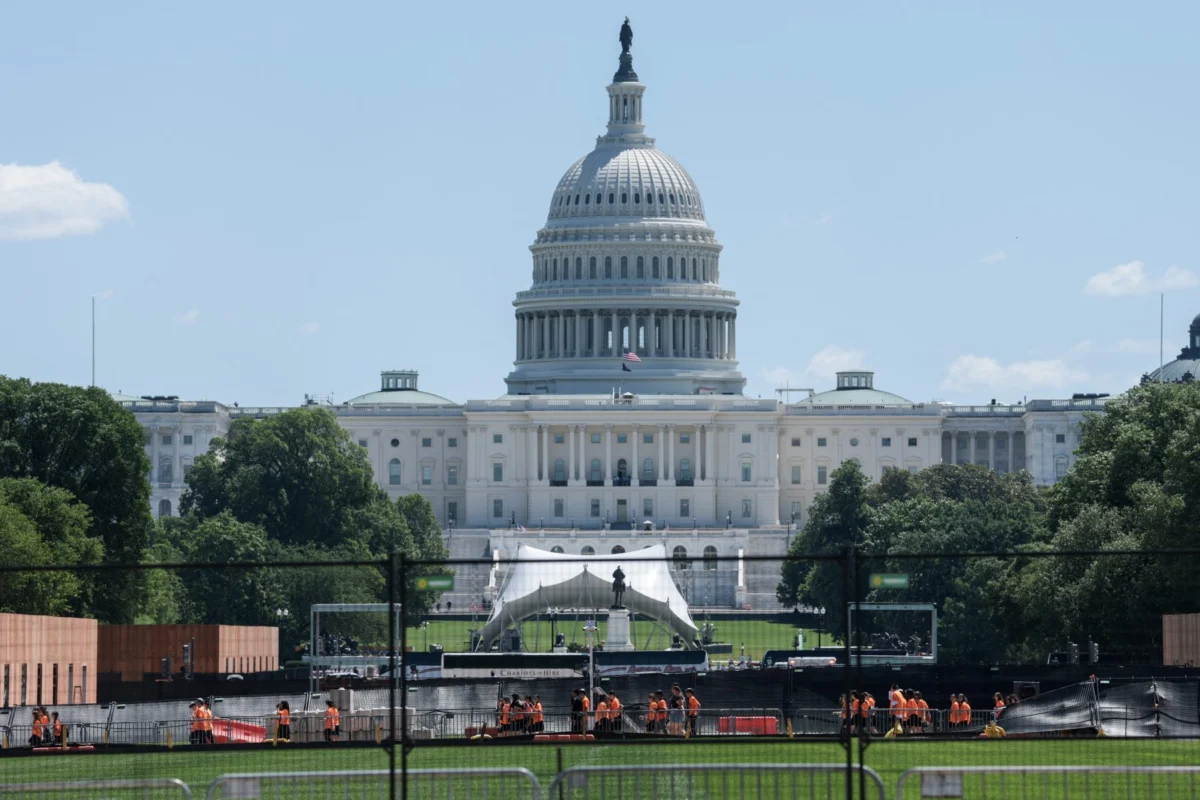
May-June 2026: As the U.S. Capitol prepared for the massive "Freedom 250" Great American State Fair, the spotlight on Washington’s regulatory power increased. Proponents of the bill used this period to emphasize the necessity of protecting consumers during major, high-demand public events.
July 15, 2026: In a show of unified resolve, the D.C. Council voted unanimously to pass the bill. The vote signaled that the issue of fair ticketing had transcended typical partisan lines, emerging instead as a clear consumer-protection mandate.

January 1, 2027 (Projected): Subject to the signature of Mayor Muriel Bowser and a standard 30-day Congressional review period, the law is slated to go into effect, marking a new era for D.C. concertgoers.
Supporting Data and the Secondary Market Reality
The need for the RESALE Act is backed by a shift in how the ticketing market functions. Industry analysts have noted that the secondary market, which was once a peer-to-peer exchange for fans who couldn’t attend a show, has transformed into a high-frequency trading floor dominated by professional software and automated "bots."
According to the Fix the Tix Coalition, the current, unregulated secondary market often results in fans paying 300% to 500% over face value for high-demand events. This has not only alienated casual fans but has also hurt the artists and venues themselves. When tickets are priced excessively high on the secondary market, the revenue flows entirely to the reseller, rather than to the artist or the venue that provided the infrastructure for the event.
The D.C. budget office has already allocated resources to establish a new section of the city’s licensing office dedicated to tracking these registrations. This investment serves as a clear indicator that the District views this not as a symbolic gesture, but as a robust regulatory framework that requires active oversight.
Official Responses and Stakeholder Perspectives
The reception from the live music community has been overwhelmingly positive. Audrey Fix Schaefer, NIVA’s board president and a key voice in the D.C. music scene, described the legislation as "model legislation throughout the land."
"It is pretty phenomenal that the city thought this was important enough that they’re investing in a new section of the licensing office to handle the licensing registrations," Fix Schaefer noted. "They put it in the budget."
Councilmember Charles Allen, the bill’s primary author, framed the legislation as a stand against corporate overreach. "People are sick of big tech wringing more and more money out of them," Allen stated. "DC is a leader here and I expect many other jurisdictions to step in once they see we can save our residents money and keep more dollars in our local economy instead of propping up big tech."
Catherine Ferrando, VP and co-owner of the independent D.C. venue Black Cat, echoed these sentiments. "Black Cat has always been proud of our city and its music scene, and is excited to see DC become one of the first places in the nation where bands can set concert prices with confidence and fans will be free from price gouging," she said.

Implications for the Future of Live Events
The RESALE Act carries significant implications that extend well beyond the District’s borders. If the law successfully reduces price gouging without stifling the legitimate resale market, it will likely serve as a catalyst for other cities and states to adopt similar "DC-style" protections.
1. The Death of Surveillance Pricing
One of the most forward-thinking aspects of the Act is the prohibition of "surveillance pricing." This practice, where companies use an individual’s browsing history, location data, or past purchase behavior to algorithmically set a unique, personalized price, has been a growing concern in the digital economy. By banning this, the RESALE Act asserts that a ticket’s price should be based on its market value, not the consumer’s perceived ability to pay.
2. Shifting the Power Dynamic
For decades, the ticketing industry has been dominated by a few massive players who controlled both the primary and secondary markets. The RESALE Act forces a degree of transparency that could dismantle the monopoly power of these platforms. By requiring resellers to identify themselves as either professional entities or casual fans, the law removes the "faceless" nature of the secondary market, allowing consumers to make more informed choices.
3. A Precedent for Federal Intervention
The 30-day review period by the U.S. Congress is a unique aspect of D.C. law. Should Congress decline to block the bill—or, even more significantly, should they look to the RESALE Act as a framework for a national law—the impact would be seismic. As of June 2026, 20 states have introduced similar bills. The passage of the RESALE Act provides these states with a template that has already cleared the legislative hurdles of a major metropolitan government.
Conclusion
The RESALE Act is more than just a set of rules; it is a fundamental reassertion of the idea that live music is a public good, not merely a commodity for financial speculation. By prioritizing the interests of fans and independent venues over the profit margins of automated resellers and big-tech platforms, Washington, D.C. is setting a standard that could restore the integrity of the live event industry.
As the city moves toward the January 2027 implementation date, all eyes will be on D.C. to see if these regulations can successfully balance the needs of a modern marketplace with the necessity of fair, accessible entertainment. For the millions of fans who have felt priced out of their favorite artists’ shows, the RESALE Act represents a significant, long-awaited victory.