NEW YORK, NY — The Jacob Javits Convention Center in Manhattan transformed into the epicenter of the global broadcast and media landscape this week as NAB New York returned for its 2026 edition. Spanning two high-energy days of exhibitions, expert-led panels, and strategic networking, the event proved that despite the rapid digitization of the industry, the value of face-to-face interaction and hands-on demonstrations remains paramount.
As the industry grapples with the complexities of AI integration, IP-based workflows, and shifting consumer habits, the 2026 convention served as a critical barometer for the health and trajectory of the sector.
The Pulse of the Industry: Main Facts and Key Trends
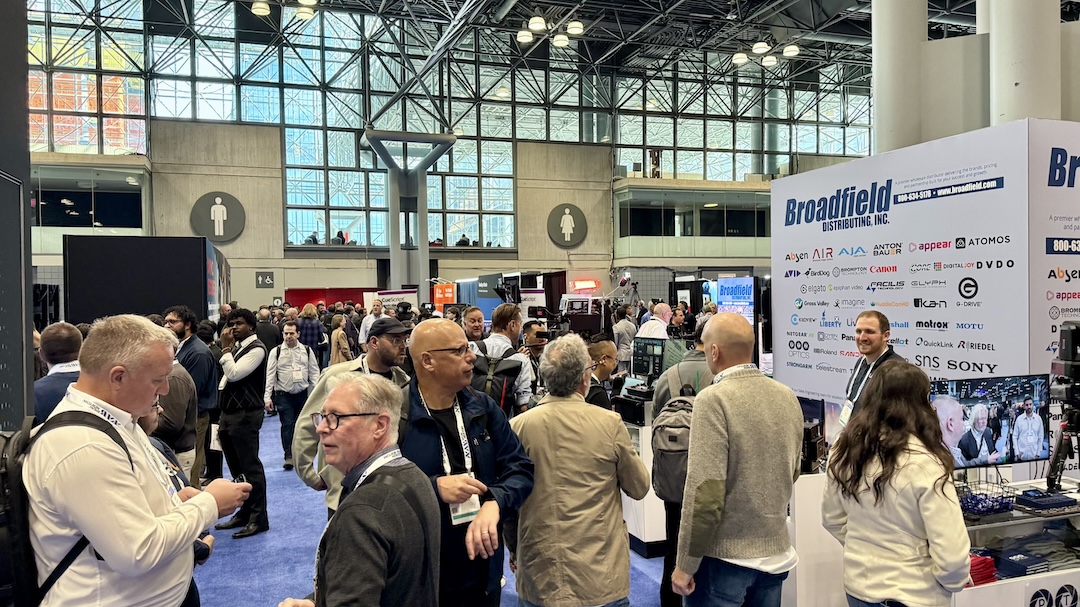
The 2026 iteration of NAB New York was characterized by a distinct sense of urgency and technical ambition. With more than 250 exhibitors and sponsors filling the Javits Center floor, the event was more than a mere showcase of hardware; it was a collaborative forum for solving the most pressing challenges in content creation, distribution, and preservation.
While the show is often colloquially dubbed an "East Coast gathering," the 2026 figures tell a different story. The event drew attendees from 72 countries, signaling a truly global reach. Perhaps most notably, 57 percent of those attendees were first-time visitors, indicating that the broadcast industry is successfully attracting a new generation of professionals and expanding its footprint into adjacent sectors like corporate AV, live event production, and digital streaming.
Chronology of Innovation: A Two-Day Deep Dive
The event opened with a flurry of activity, as engineers, producers, and executives flooded the floor to get their first look at new product rollouts.
Day One: The Hardware Revolution
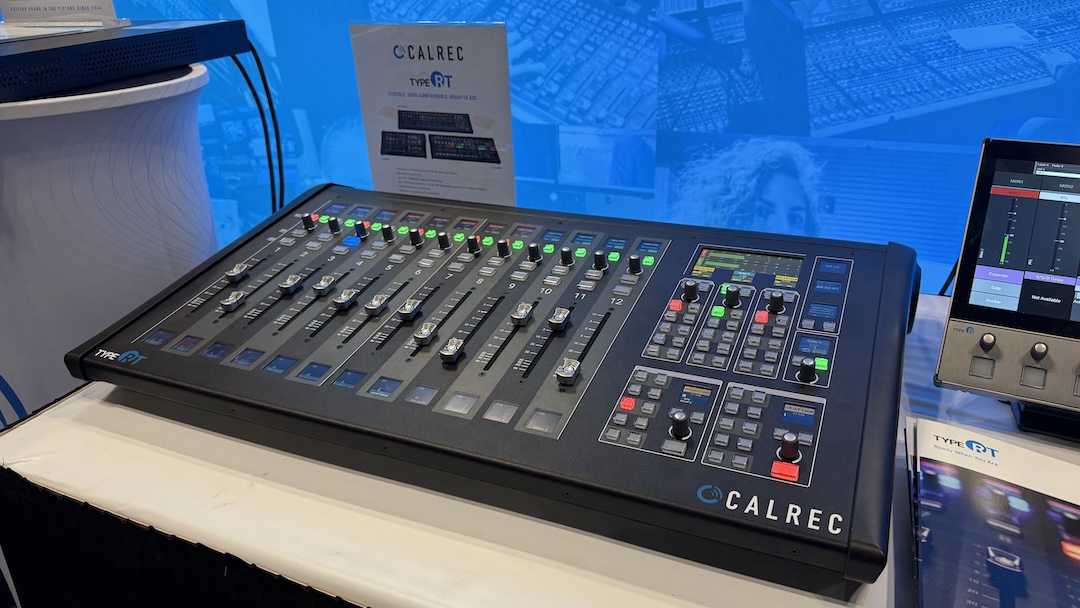
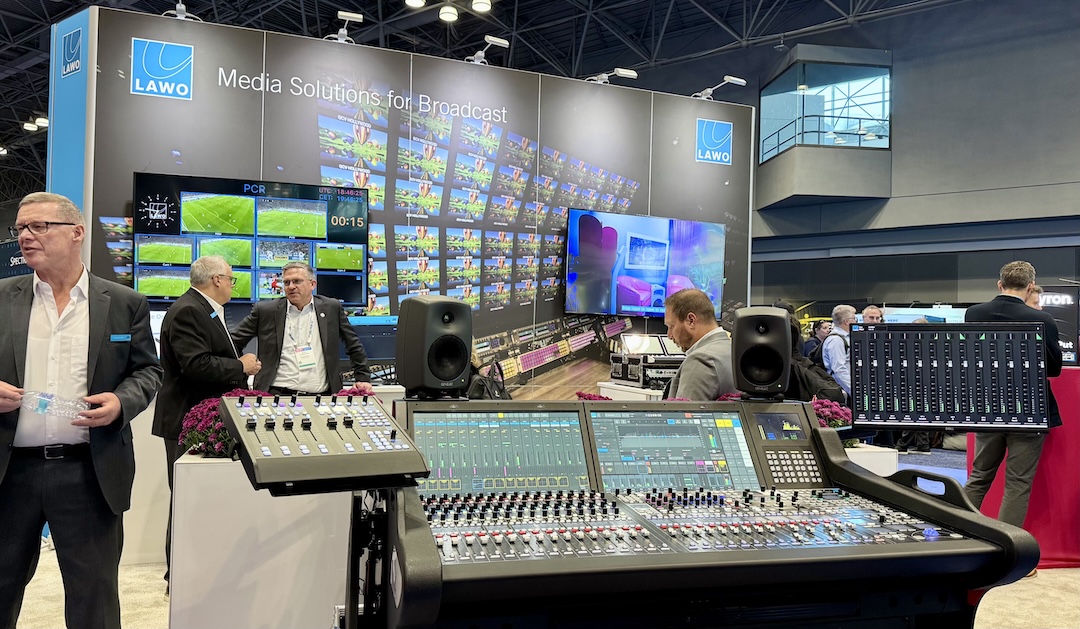
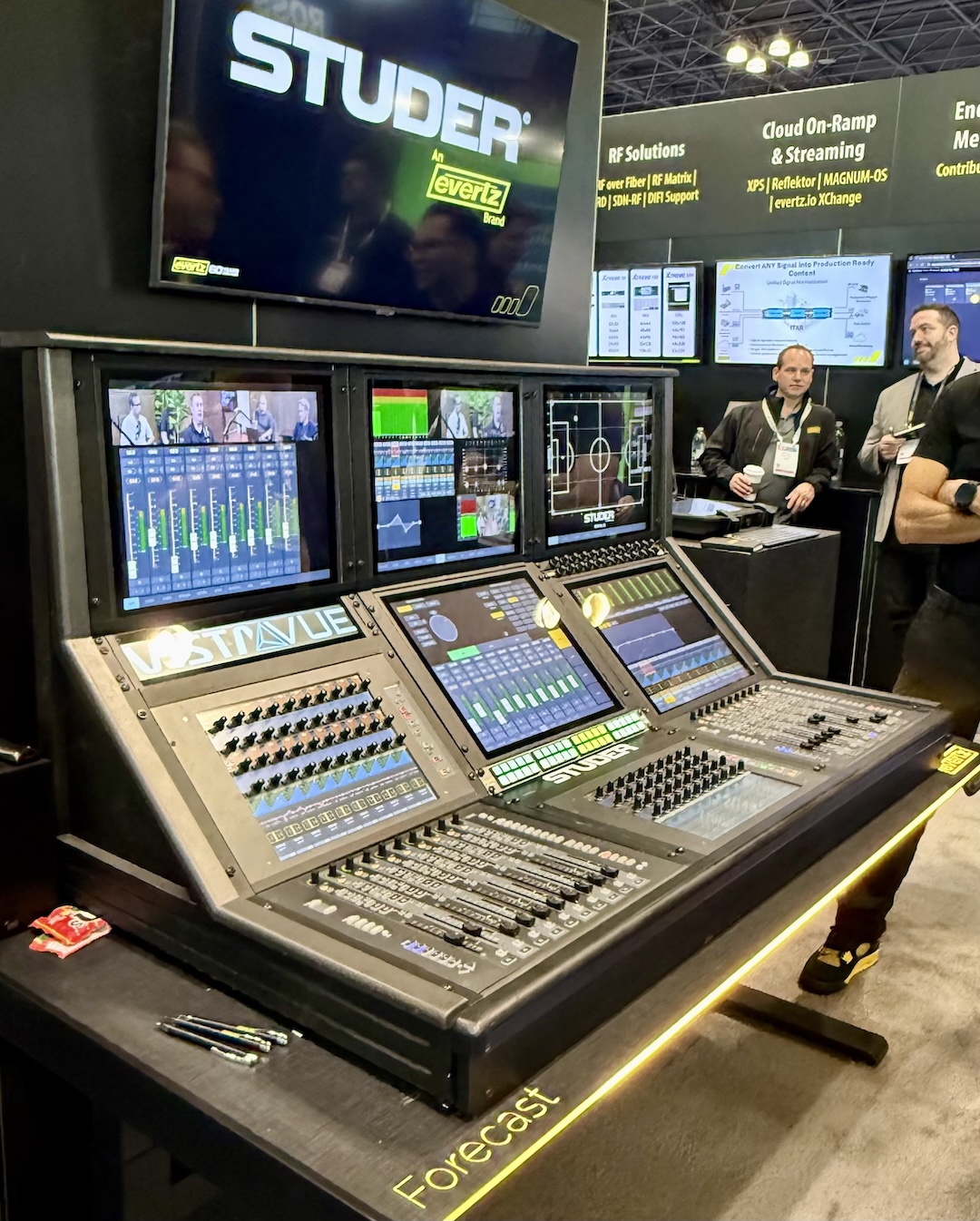
The first day was defined by the tangible evolution of broadcast infrastructure. From early morning, the exhibition floor was abuzz with technical demonstrations. Companies like Calrec and Wheatstone anchored the audio side of the floor, showcasing the shift toward highly flexible, modular, and IP-integrated mixing consoles.
The afternoon shift brought a palpable energy, as exhibitors noted that foot traffic remained consistent well into the final hours of the day. The "lunch-break paradox"—where exhibitors were too busy with live demonstrations to step away for a meal—became a recurring theme, serving as a testament to the high volume of qualified leads and technical inquiries.
Day Two: Strategic Discourse and Preservation
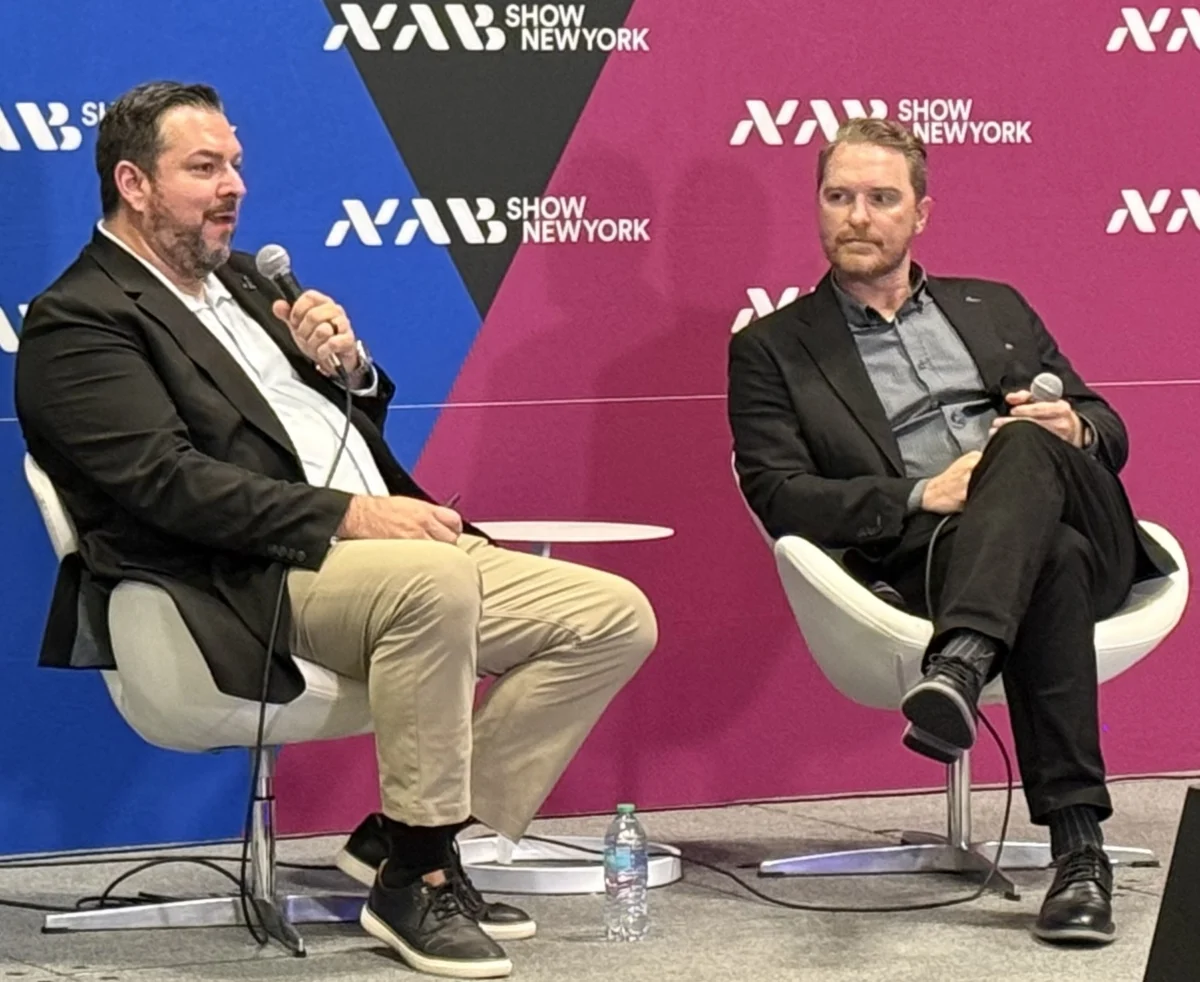
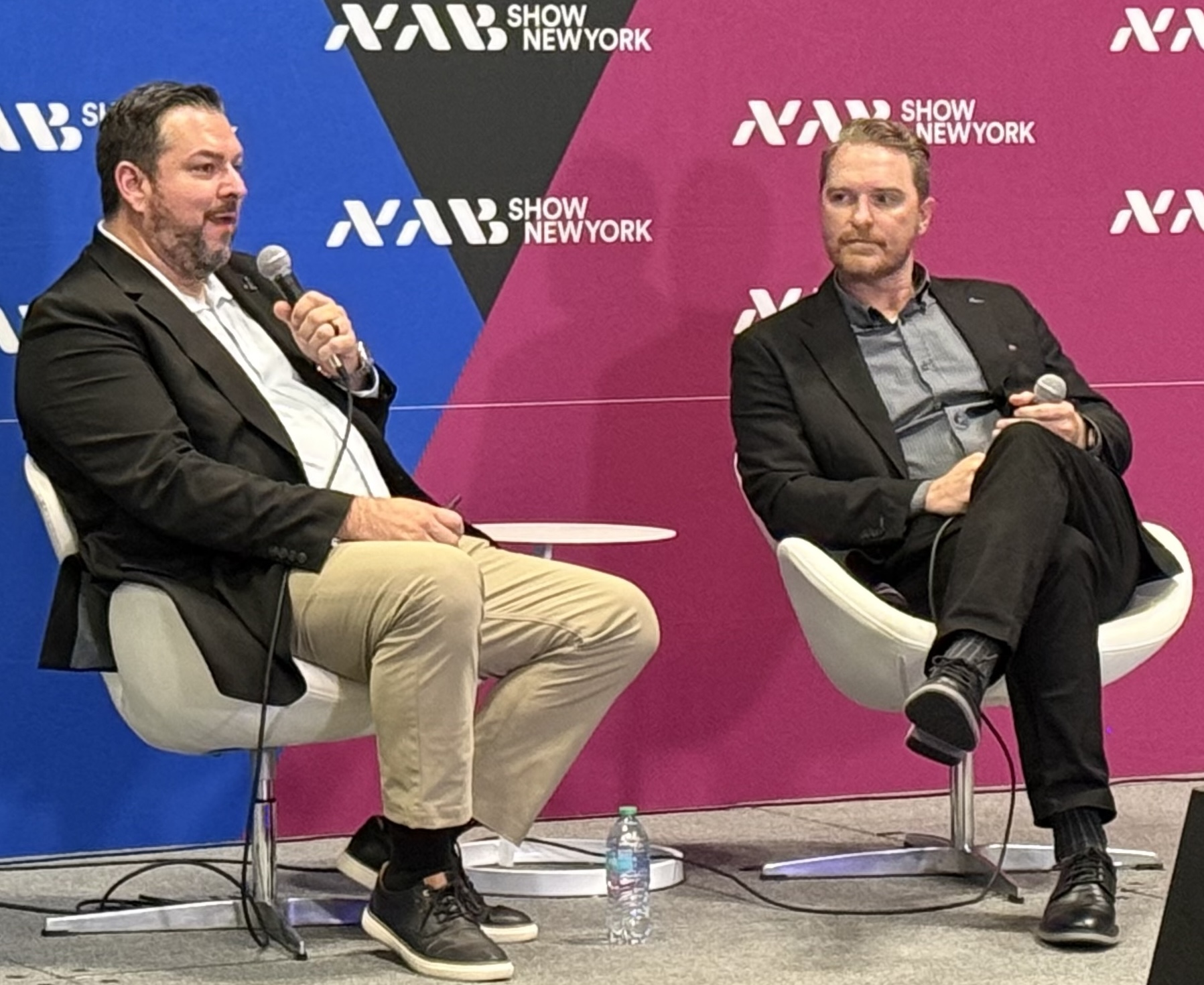
The second day shifted focus toward the intellectual and strategic side of the industry. The panel tracks were particularly robust, headlined by sessions like "The Great Media Reshuffling: Consolidation, Spin-Offs and the Battle for Scale." This session provided a masterclass in industry navigation, featuring high-level insights from financial leaders at J.P. Morgan, Apollo Global Management, and Bank of America Securities, alongside media veterans from CNBC.
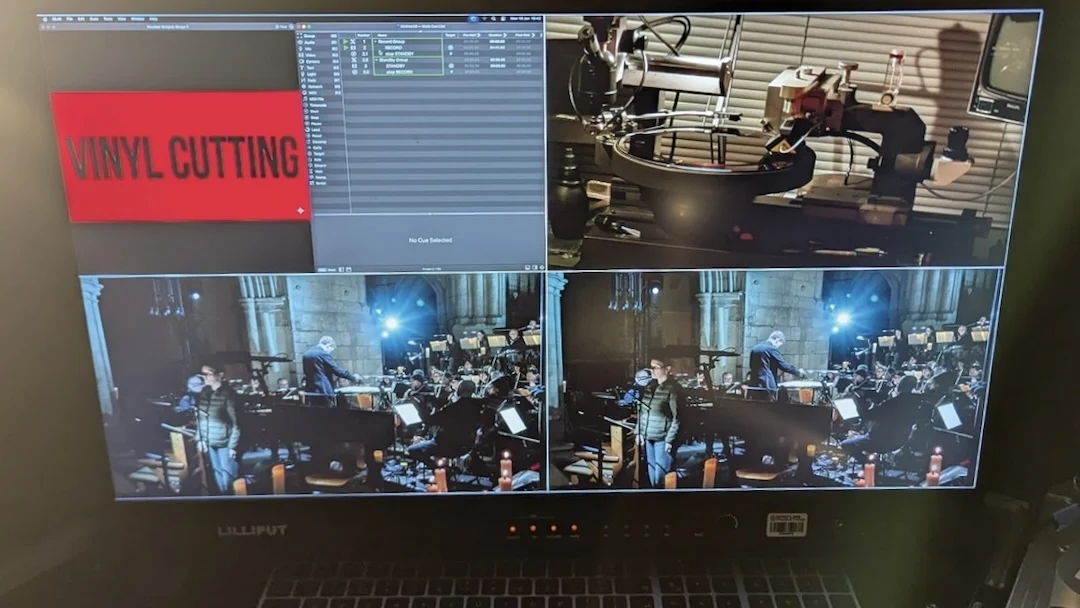
The day also highlighted the vital importance of history and legacy. In a unique display, first-time exhibitor George Blood LP introduced their "Obsolete Media Petting Zoo." This exhibit provided a stark reminder of the 211 different media formats the company is capable of stabilizing and digitizing, highlighting the industry’s ongoing race against time to preserve our global media heritage.
Supporting Data: By the Numbers
The success of NAB New York 2026 is reflected in more than just anecdotal feedback. The organizational metrics highlight a resilient and growing market:
- Global Reach: 72 countries represented among the attendee base.
- Market Growth: Over 57% of participants were first-time attendees, pointing to a diversifying audience.
- Exhibitor Footprint: More than 250 companies occupied the show floor, showcasing a mix of legacy broadcast giants and emerging tech innovators.
- Content Density: Dozens of educational sessions and panels, ranging from technical "how-to" workshops to high-level financial strategy discussions.
Official Responses and Industry Sentiment
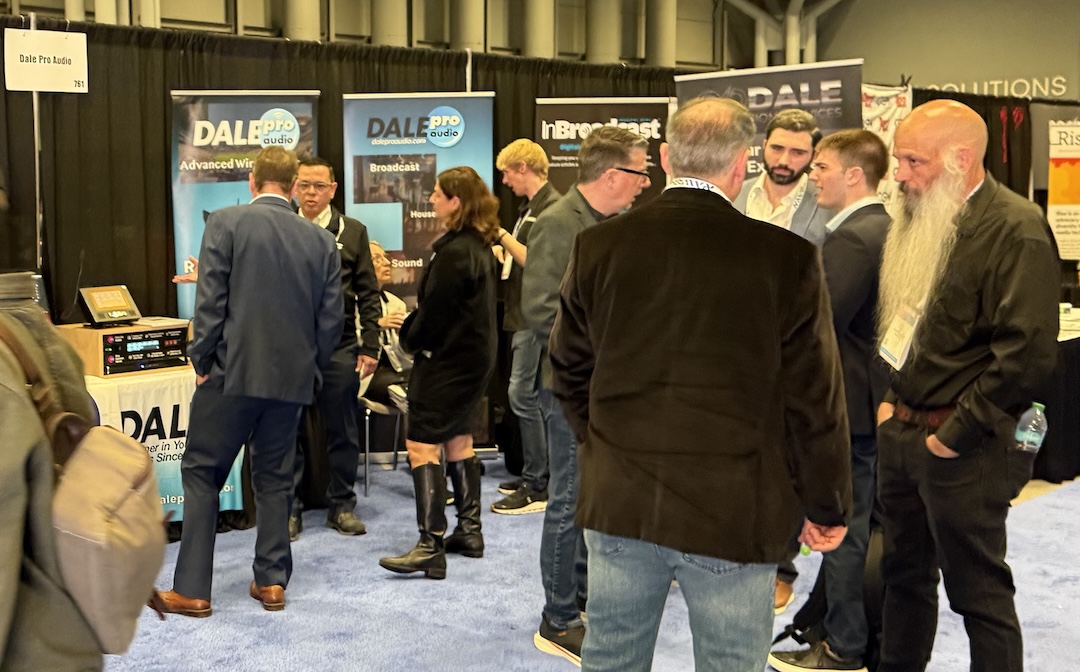
The atmosphere on the floor was consistently described as "busier than last year." The sentiment among exhibitors was one of optimistic exhaustion.
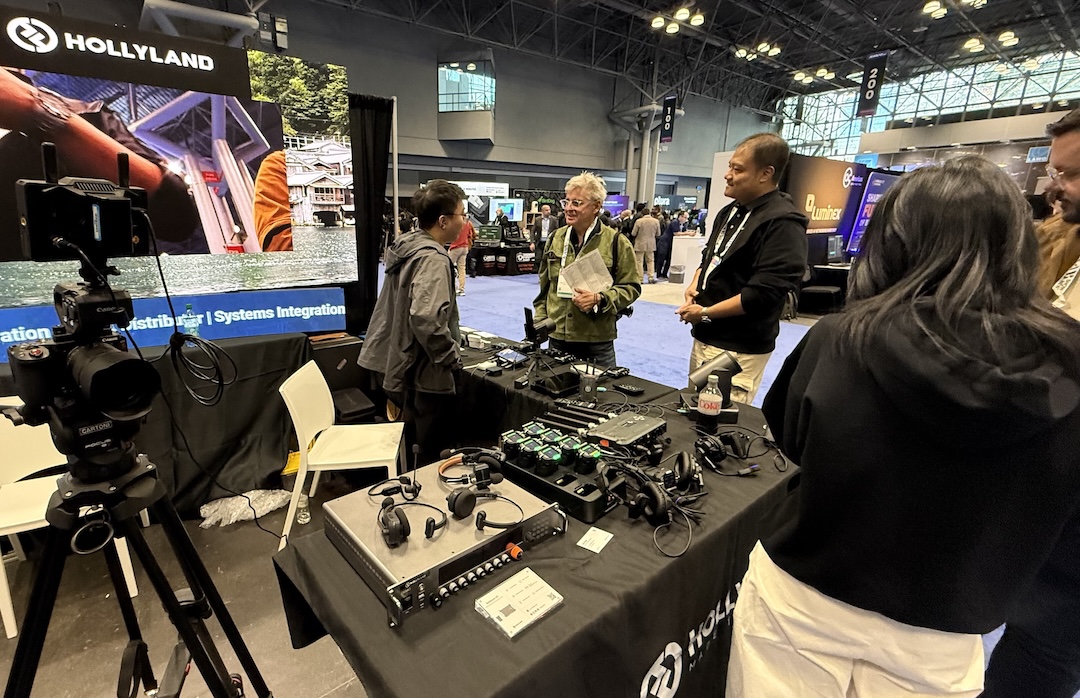
"It is significantly busier than last year; the booth has been non-stop all day," said Gary Rosen, VP of Global Sales for Pliant. His sentiment was echoed across the aisle by Tracy Ye, North American Sales Manager for Hollyland, who jokingly remarked, "I haven’t had lunch yet and it’s 3 PM!"
The shift in audience composition between the Las Vegas and New York shows was a frequent topic of conversation among veterans of the trade show circuit. Ken Smalley of RTS Intercom Systems articulated the distinction clearly: "In Las Vegas, we get more executives who want to know what’s happening. Here in New York, we get more end-users. The questions we get are more project-based and, ‘Here’s what I have in mind—can your product help me do this and this and this?’"
This feedback suggests that while Las Vegas remains the venue for industry-wide announcements and strategic vision, New York has solidified its position as the "workhorse" show—a place where technical professionals come to solve specific, immediate problems.
Technological Implications and Future Outlook
The product announcements at NAB New York 2026 pointed toward several key technological imperatives for the coming year:
1. The Rise of the "All-in-One" Ecosystem
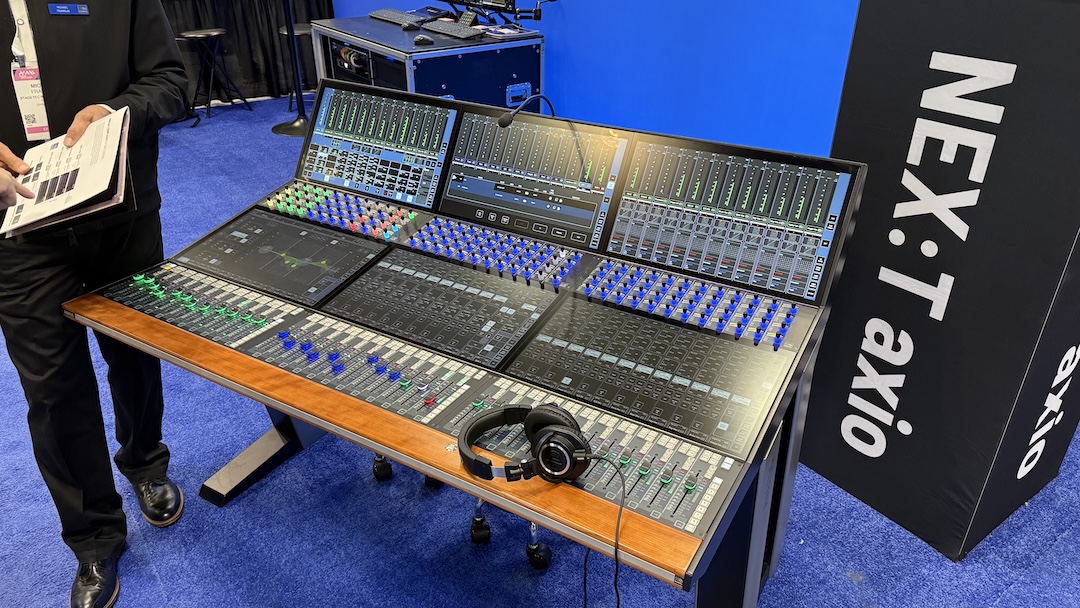
Companies like Calrec (with the Type RT console) and Pliant (with the CrewCom Flex platform) are moving away from siloed hardware. The trend is clearly toward unified ecosystems that integrate DSP, control, monitoring, and I/O into single, streamlined units. This reduces the footprint in the rack room while increasing the flexibility of the production.
2. Wireless at Scale and Reliability
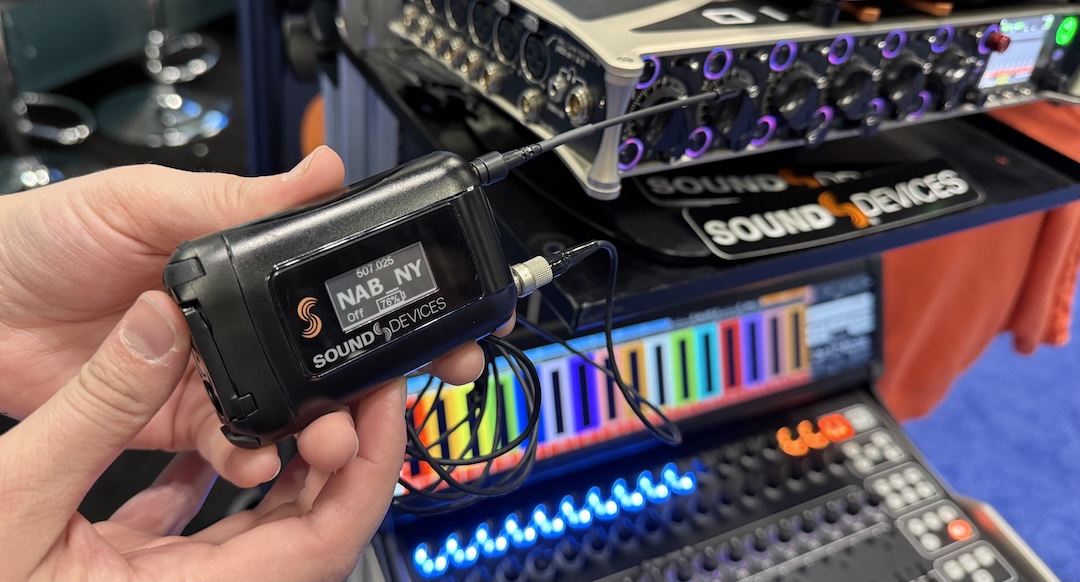
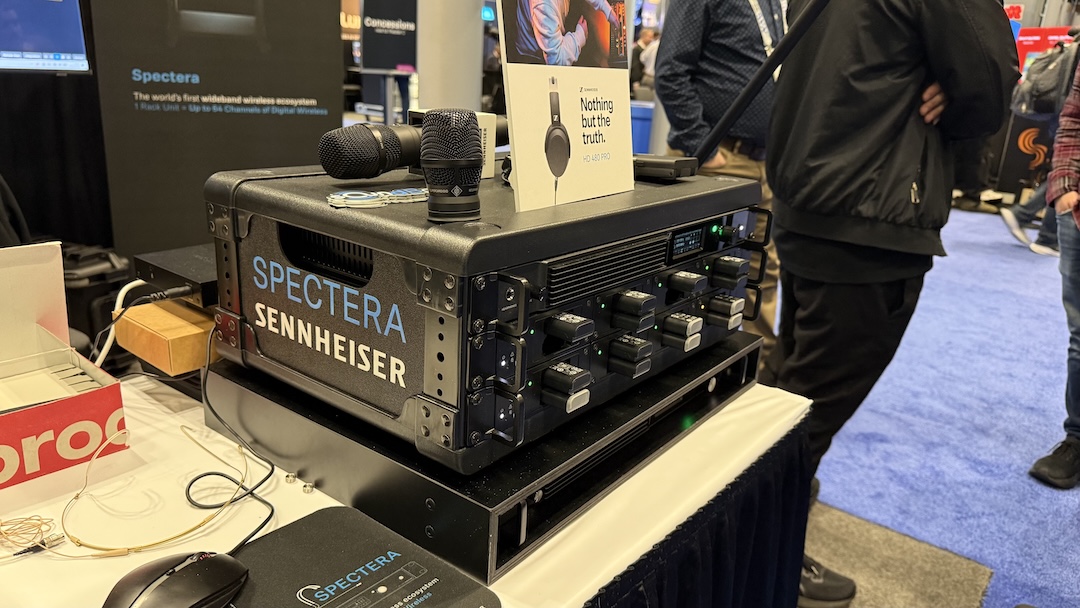
Wireless technology is no longer just about range; it’s about density and security. Sennheiser’s Spectera ecosystem and Sound Devices’ new Astral Mini Plus transmitter—with its IP67-rated waterproofing and 169–1525 MHz SpectraBand tuning—highlight a focus on mission-critical reliability. In an era where live content is consumed instantaneously, there is zero tolerance for signal dropouts or interference.
3. IP and Software-Defined Workflows
The presence of companies like Lawo and Wheatstone underscored the maturation of IP audio. Features like AES67/SMPTE 2110 compatibility are now standard expectations rather than "cutting-edge" features. The industry has moved past the question of if it should adopt IP networking to how it can best optimize these networks for massive, multi-venue scale.
Looking Ahead: The Road to 2027
As the lights dimmed at the Javits Center, the sentiment among attendees and exhibitors alike was one of forward momentum. The industry is currently in a state of rapid flux, characterized by the "Great Media Reshuffling" and the constant pressure to deliver higher quality content with leaner, more efficient workflows.
The takeaway from NAB New York 2026 is that while the digital tools of the trade are evolving, the human element of the industry—the ability to share knowledge, demonstrate technical capability, and collaborate on complex solutions—remains the driving force of the broadcast sector.
For those who were unable to attend this year, the calendar is already set for next season. NAB New York is scheduled to return to the Jacob Javits Convention Center on September 29-30, 2027. Industry professionals are encouraged to begin their preparations early, as the rapid pace of innovation seen this year suggests that the 2027 show will likely be even more focused on the integration of artificial intelligence and the next generation of cloud-based production tools.
In conclusion, the 2026 edition of NAB New York has not only met expectations but exceeded them, providing a vital bridge between the theoretical future of media and the practical, day-to-day realities of those working on the front lines of content production.