The history of technology is often told through the lens of monolithic corporations and Silicon Valley boardrooms. However, a significant, often overlooked thread in this narrative is the grassroots "maker" movement—a spirit of inquiry that has consistently redefined how we interact with the physical world. From the DIY enthusiasts of the early 20th century to the sophisticated AI-driven robotics of today, the impulse to "build it yourself" remains a cornerstone of innovation.
As we stand in the late 2020s, that spirit has reached a new inflection point. With the launch of the Arduino VENTUNO Q, the industry is witnessing a marriage between traditional, real-time hardware control and the cutting-edge realm of artificial intelligence.
The DIY Spirit: A Historical Perspective
In the 1920s and 30s, the "maker" culture was not a subculture; it was a societal norm. In cities like Birmingham, Alabama, local newspapers regularly featured columns dedicated to amateur radio, electromechanical devices, and vacuum tube electronics. These were not mere toys; they were sophisticated engineering projects that demanded a working knowledge of physics and electrical theory.
By the 1970s, the hobbyist landscape had evolved into a commercial powerhouse. Newsagents were lined with magazines detailing the construction of microcomputers and audio equipment. The legendary Heathkit brand became the gold standard, selling 47,000 units of their GR-2000 DIY color television in a single year—a device that featured revolutionary on-screen channel displays and time-keeping. This was an era of "can-do" optimism, where the barrier to entry for complex electronics was lowered through education and modular kits.
However, as the millennium approached, the trend shifted. Consumer electronics became cheaper to replace than to repair, and the hobbyist spirit appeared to be in decline. The rise of "black box" consumerism threatened to create a generation of passive users rather than active creators.
The Renaissance: 2005 and the Arduino Era
The tide turned in 2005. The debut of MAKE magazine provided a manifesto for a new generation, while the emergence of the Arduino open-source hardware platform provided the tools. Arduino’s philosophy was simple: democratize computing by making it accessible.
For the author, who cut his teeth on 8-bit microprocessors, the Arduino Uno was a revelation. Even with its modest 16 MHz clock and 2 KB of RAM, it allowed for the creation of intricate, functional devices. This is best exemplified by the "Chronological Contraption"—a custom-built device utilizing 14 vacuum fluorescent display (VFD) tubes, all orchestrated by an Arduino Uno R3, designed to count down to a 100th birthday celebration.

The success of the Arduino Uno created a lineage of development boards, culminating in the 2023 release of the UNO R4, which transitioned the platform to a 32-bit Arm Cortex-M4 architecture, vastly expanding the capabilities of the familiar form factor.
The Qualcomm Integration and the Birth of the "Dual-Brain"
In October 2025, the landscape shifted once more. Qualcomm’s acquisition of Arduino signaled a major strategic pivot. The goal was no longer just connectivity or IoT; it was the democratization of Edge AI.
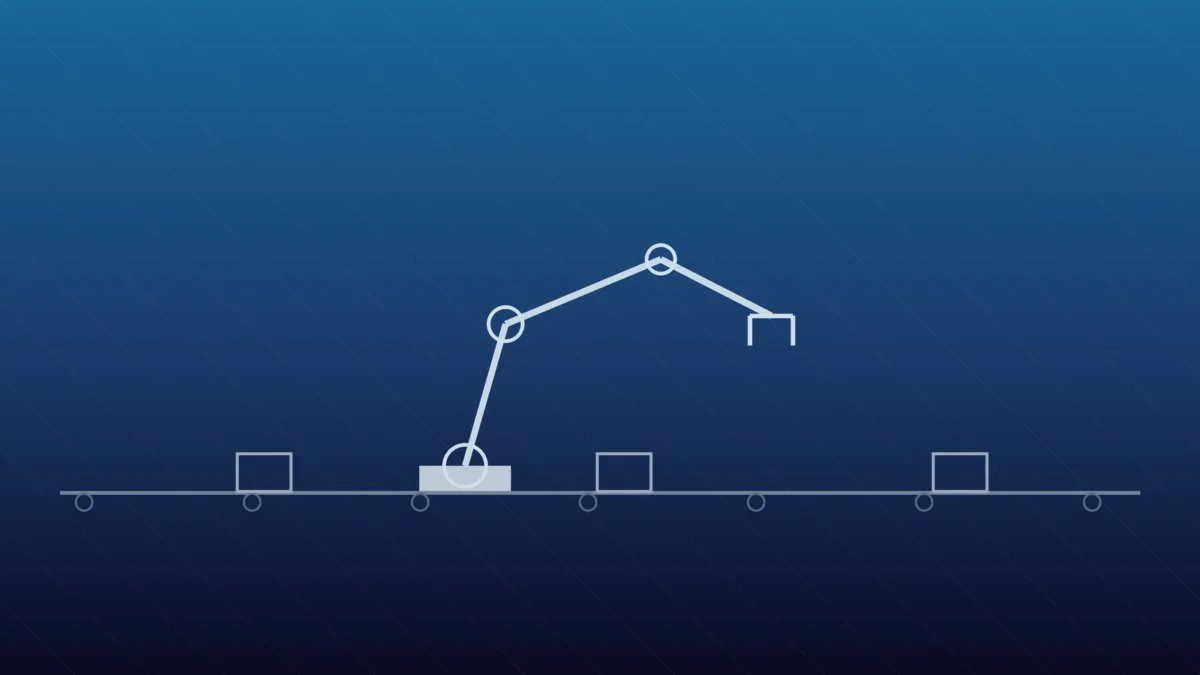
The first product of this new era was the UNO Q. It introduced a "dual-brain" architecture, featuring both a microprocessor (MPU) for running Linux-based AI workloads and a microcontroller (MCU) for deterministic, real-time tasks. This dual-architecture solves a fundamental engineering dilemma: while MPUs excel at juggling complex software and graphics, they lack the precision timing required for motor control and real-time physical interaction. By combining these on one board, Arduino bridged the gap between digital intelligence and physical movement.
Arduino VENTUNO Q: Turning the Capability to 11
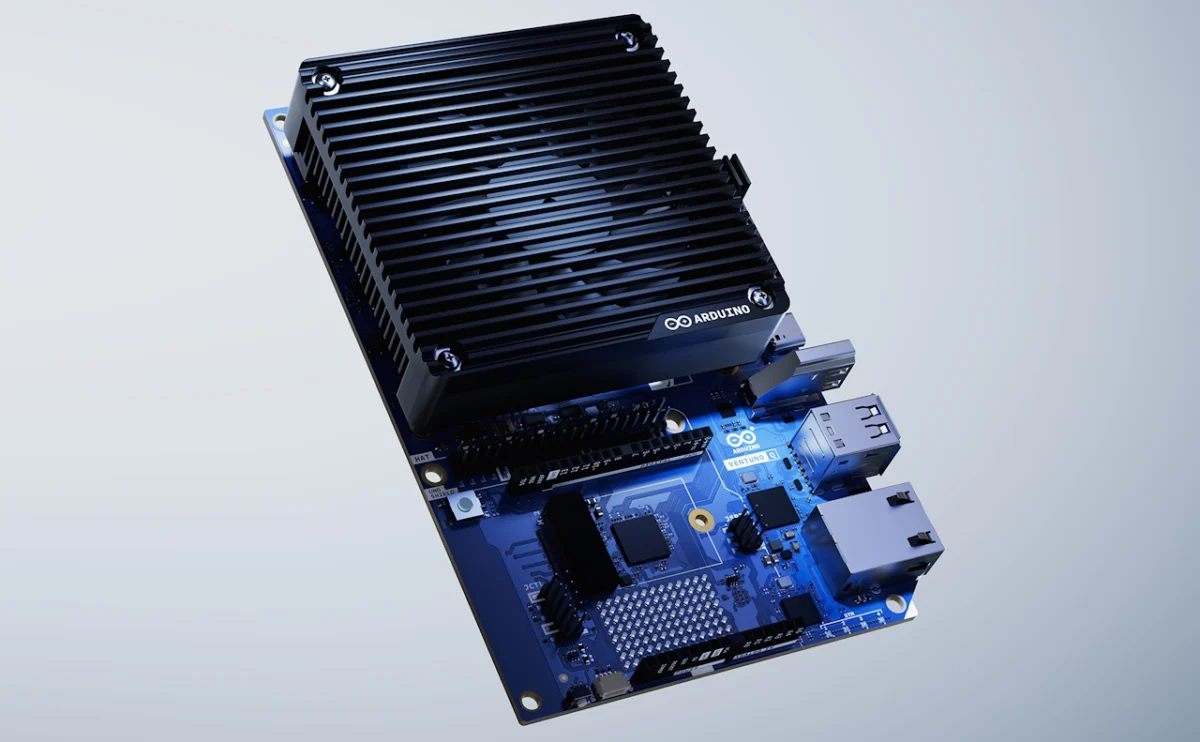
The recently announced Arduino VENTUNO Q represents the realization of this vision. It is a high-performance engine capable of 40 dense TOPS (trillions of operations per second) of AI processing power, thanks to the Qualcomm Dragonwing IQ8 processor.
Technical Specifications and Capabilities
- High-Performance Brain: Qualcomm Dragonwing IQ8 (8-core CPU, GPU, and NPU).
- Real-Time Brain: STM32H5 microcontroller for precise actuation.
- AI Performance: Up to 40 TOPS for local Large Language Model (LLM) execution.
- Multimedia: Support for three simultaneous 4K video streams, enabling advanced machine vision.
- Connectivity: High-speed networking, multiple camera interfaces, CAN-FD, and extensive expansion headers.
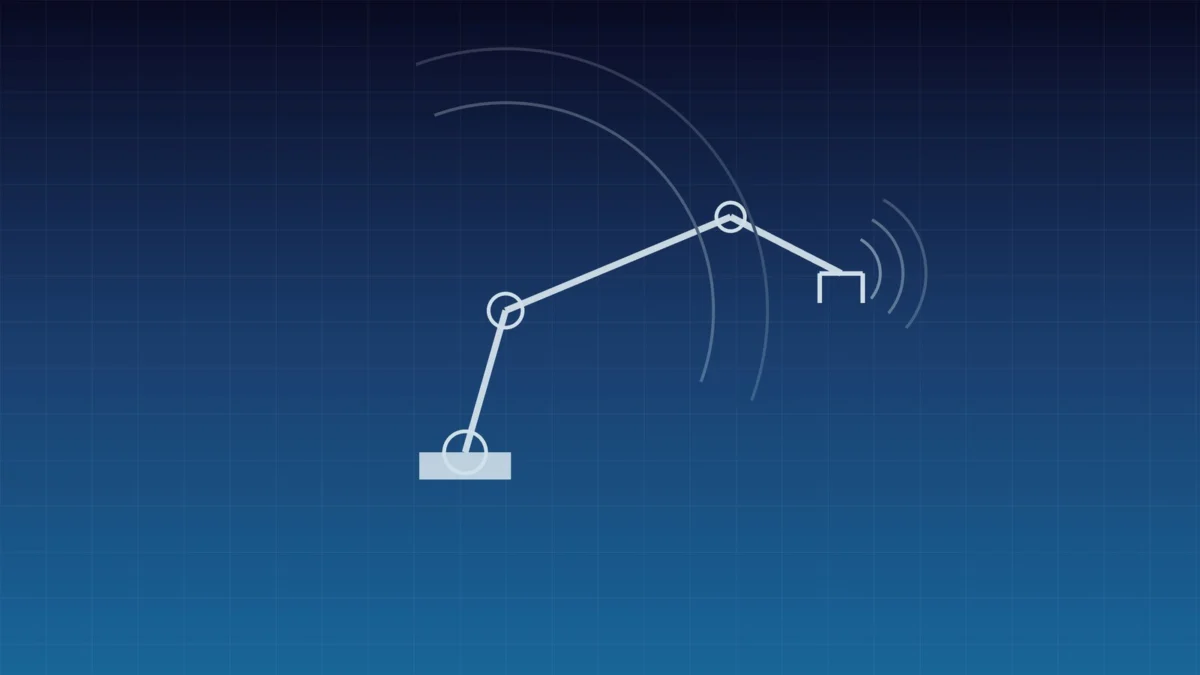
The VENTUNO Q is not merely a faster board; it is a platform for "Physical AI." Unlike traditional AI, which processes digital data in a vacuum, Physical AI allows a machine to perceive the world through sensors, reason through that data, and physically alter its environment.
Simplifying Complexity: The App Lab Ecosystem
The greatest hurdle to widespread AI adoption is the daunting software stack. Developers often struggle to manage containers, libraries, and drivers. To address this, Arduino introduced the App Lab.
App Lab functions like a digital construction site. It provides "Bricks"—reusable, pre-configured software modules. A Brick might contain a database, an LLM, or a vision-processing algorithm. By allowing developers to snap these Bricks together, Arduino has effectively turned complex software engineering into a modular assembly process.

Marcello Majonchi, Qualcomm’s Chief Product Officer for Arduino, highlights a personal project as proof of concept: an automated library cataloging system. By wrapping the Tesseract OCR framework into a custom Brick, Majonchi transformed a massive, manual effort into an automated process that identifies books via camera input. This is the essence of the new Arduino mission: removing the friction between an idea and a functional, intelligent reality.
Implications for the Future of Industry
The significance of the VENTUNO Q extends beyond the maker’s workshop. Through the "Works with Arduino" program, developers can prototype on the VENTUNO Q and seamlessly migrate their software to industrial-grade System-on-Module (SoM) solutions provided by partners like Toradex and SECO.
This creates a clear, professional pathway from a Saturday afternoon garage project to industrial automation, autonomous robotics, and smart city infrastructure. The target audience for this platform is fluid; as Majonchi notes, makers and professional engineers are often the same individuals in different contexts.
For those interested in testing this technology, the element14 Community is currently hosting a roadtest program, inviting engineers to push the boundaries of the VENTUNO Q. It serves as an open invitation to join the third phase of the Arduino story: the era of accessible, edge-based intelligence.
Conclusion: A New Era of Creation
Twenty-one years ago, Arduino removed the intimidation factor of microcontrollers, sparking a global wave of innovation. Today, they are attempting a similar feat with Artificial Intelligence.
The VENTUNO Q is more than a piece of hardware; it is a philosophy. By providing the tools to perceive, reason, and act, Arduino is handing the power of modern AI to the individuals who build the world. As we look toward the future, the question is no longer "what can this technology do," but rather, "what will you build with it?" The barriers to creating intelligent, physical systems are falling—and for the modern maker, that is the most exciting prospect of all.