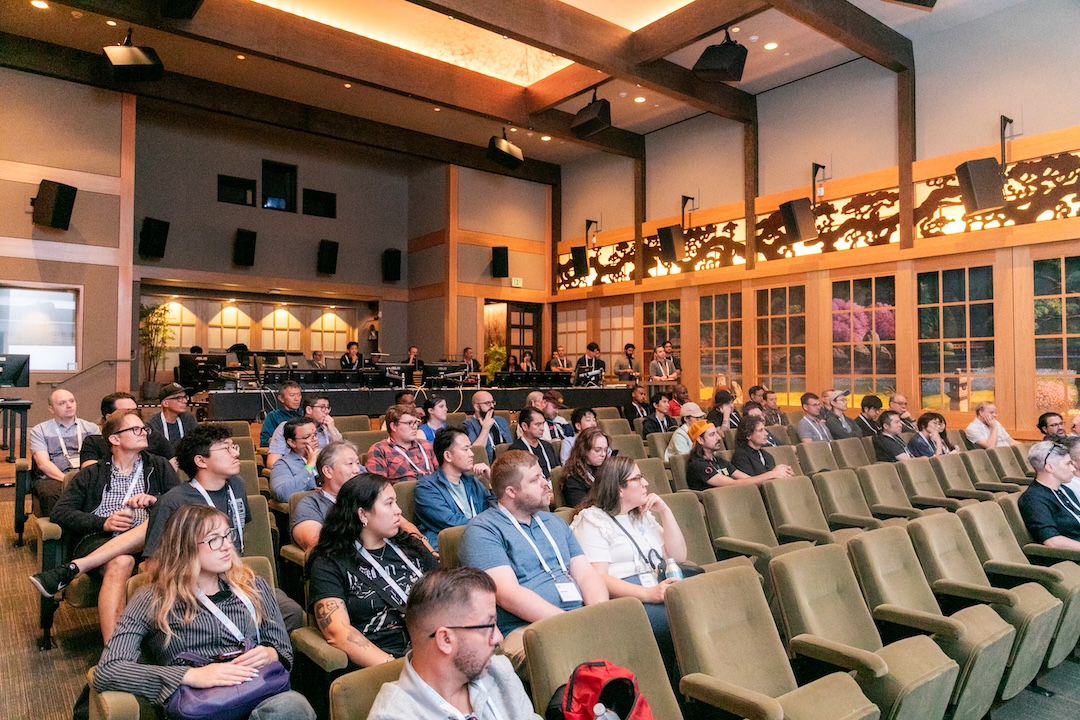
CULVER CITY, CA – On Saturday, September 26, the hallowed grounds of Sony Pictures Studios transformed into the epicenter of the global post-production industry. The annual Mix Sound for Film & Television event returned with renewed vigor, drawing over 500 of the world’s most influential audio professionals, sound designers, mixers, and engineers to the legendary Culver City lot.
The event, which has become a hallmark of the audio calendar, provided an immersive day of technical deep dives, career-defining workshops, and an exclusive look at the sonic architecture behind the year’s most acclaimed cinematic and streaming projects. As the industry grapples with the dual pressures of rapidly evolving AI-driven tools and the increasingly high fidelity expectations of modern audiences, this year’s gathering proved that at the heart of every great film, there is a human storyteller wielding sound as a narrative instrument.
The State of the Industry: A Day of Collaboration
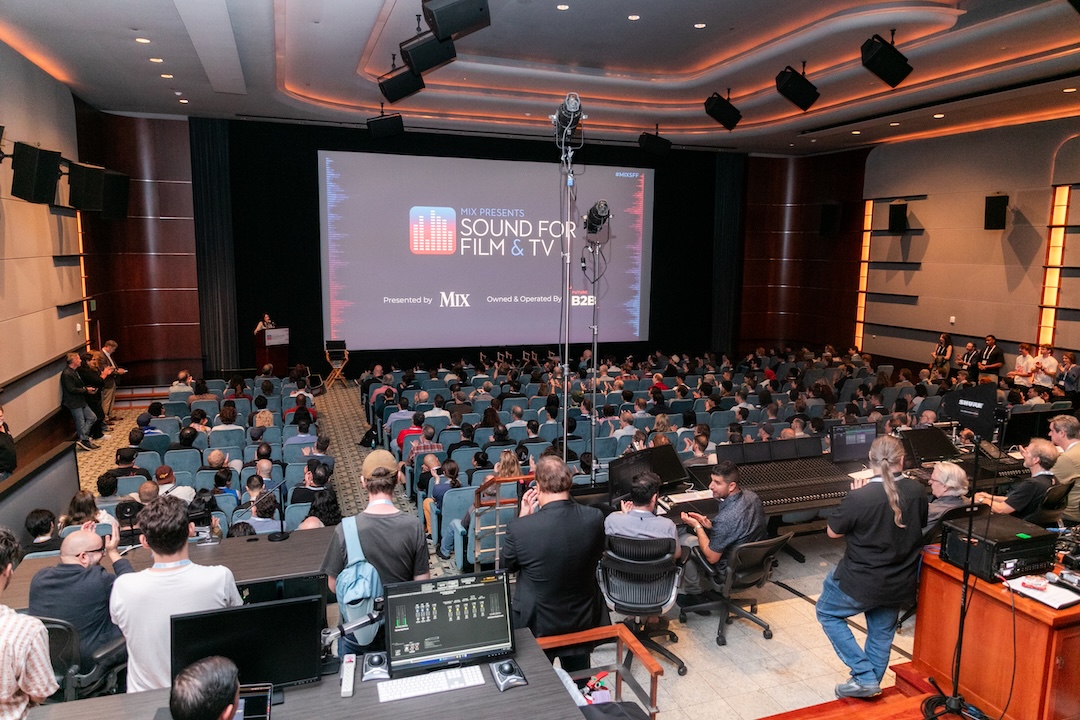
The morning kicked off with a palpable sense of community inside the iconic Cary Grant Mix Stage. The opening remarks set a forward-looking tone, emphasizing the resilience and innovation of the post-production sector. Tom Kenny, co-editor of Mix magazine, was joined by Kimberly Jimenez, Sony’s Senior Vice President of Post Production Services, and Marielle Abaunza, VP of Business Development at The Sound Dept.
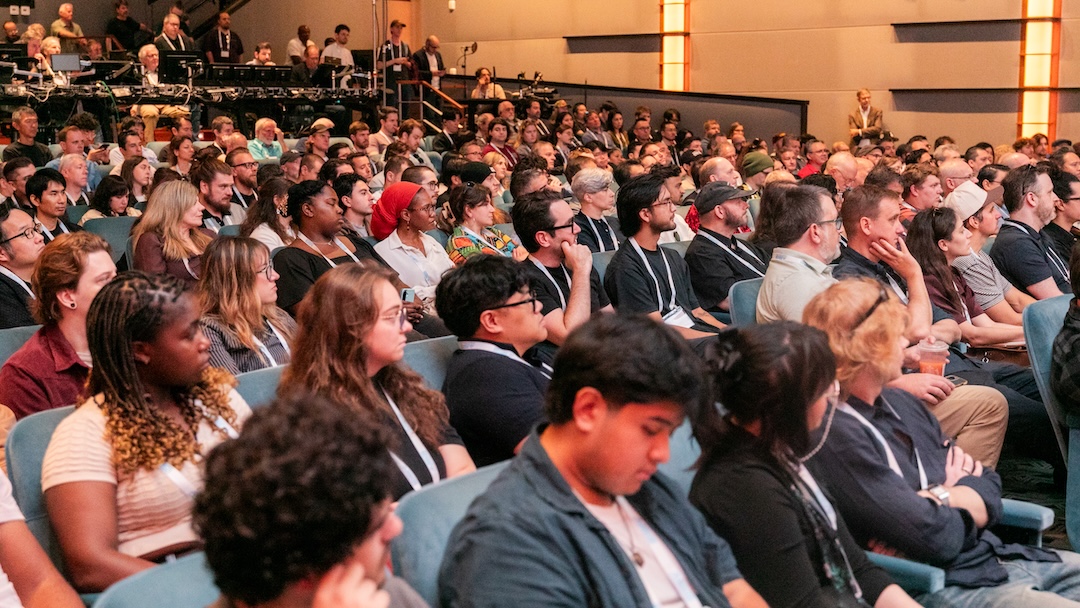
Their collective message was clear: while technology changes, the fundamental goal of the sound department remains the translation of emotion into audio. Whether through the nuance of a Foley artist’s footsteps or the grand, sweeping dynamics of an orchestral score, the panelists and attendees represented the vanguard of an industry that is currently redefining how we experience narrative content.
Chronology of an Immersive Day
Morning: The Psychology of Fear
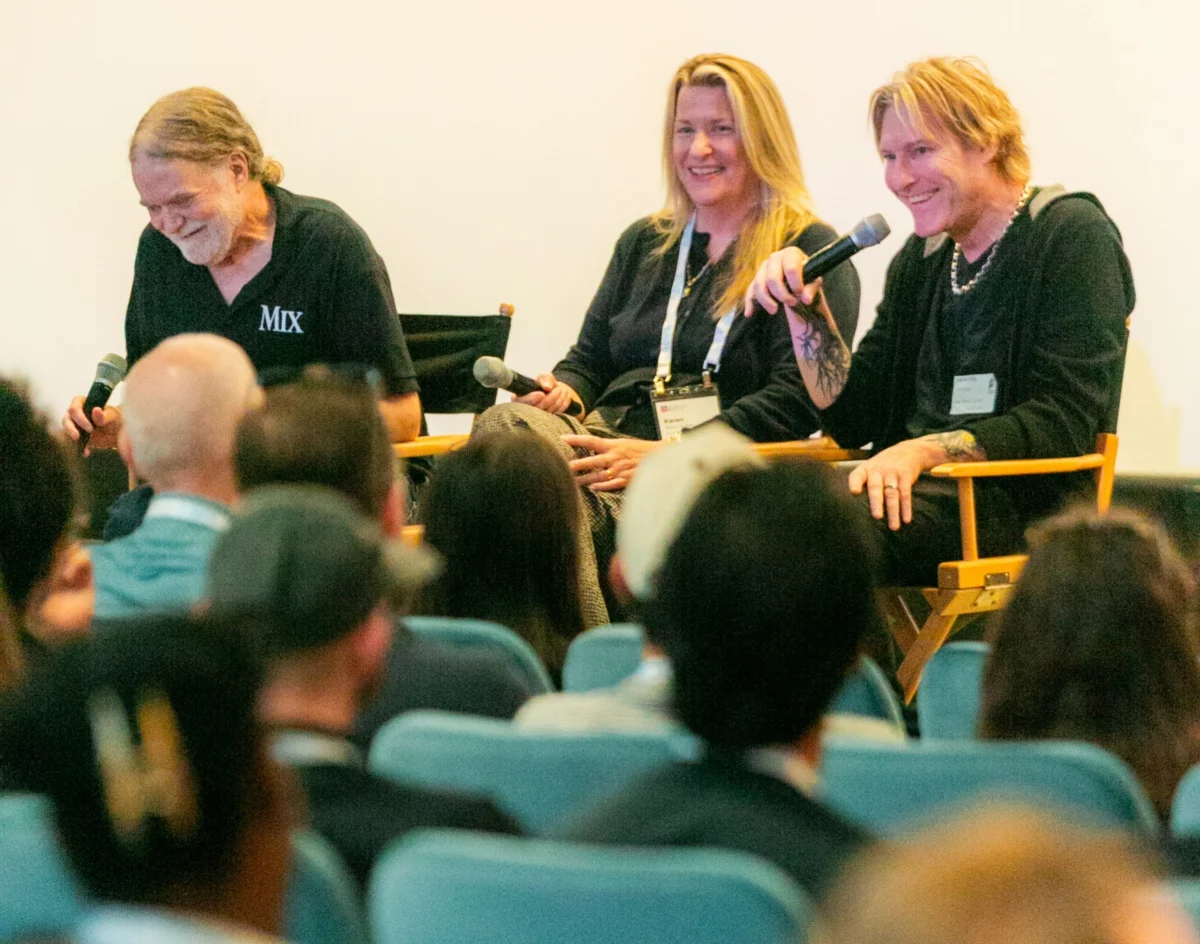
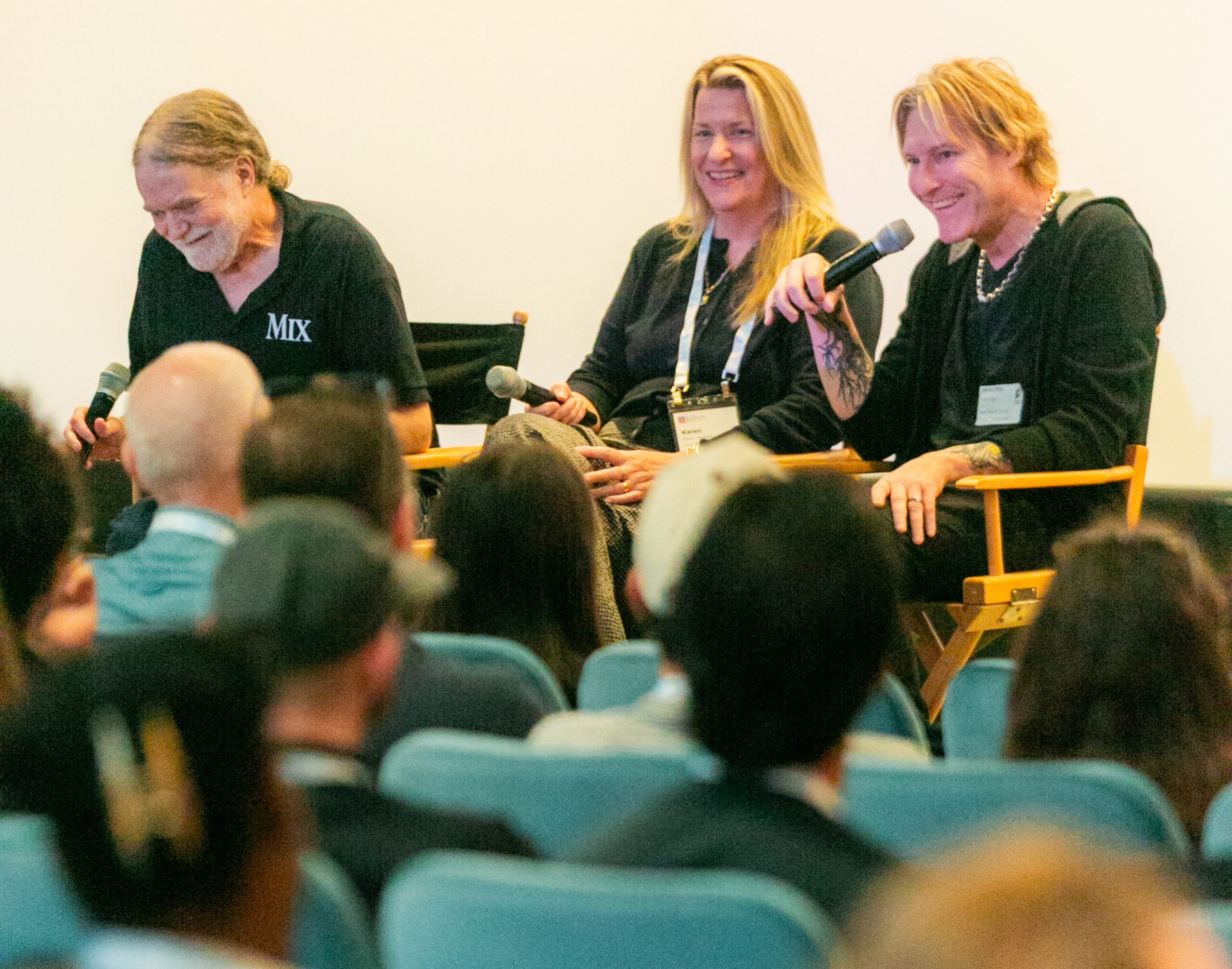
The day’s intellectual anchor was the keynote conversation, Fear, Tension and the Psychology of Sound. Moderated by Tom Kenny, the session featured two industry heavyweights: Oscar-winning sound supervisor Karen Baker Landers (Formosa Group) and the prolific composer/producer Tyler Bates, known for his visceral work on the John Wick franchise and 300.
The discussion transcended technical specifications, moving instead into the "why" of sound design. Landers and Bates dissected the physiological responses triggered by specific frequencies and pacing, explaining how silence can be just as weaponized as a cacophonous explosion. For the standing-room-only crowd, the takeaway was profound: sound is not merely an accompaniment to the image; it is the subconscious tether that keeps an audience trapped in the tension of the scene.
Midday: The Path to Professional Success
Following the keynote, the event split into a series of specialized tracks. A highlight for the next generation of audio professionals was the panel Entering The Industry: The Next Step, held at the Burt Lancaster Mix Stage.
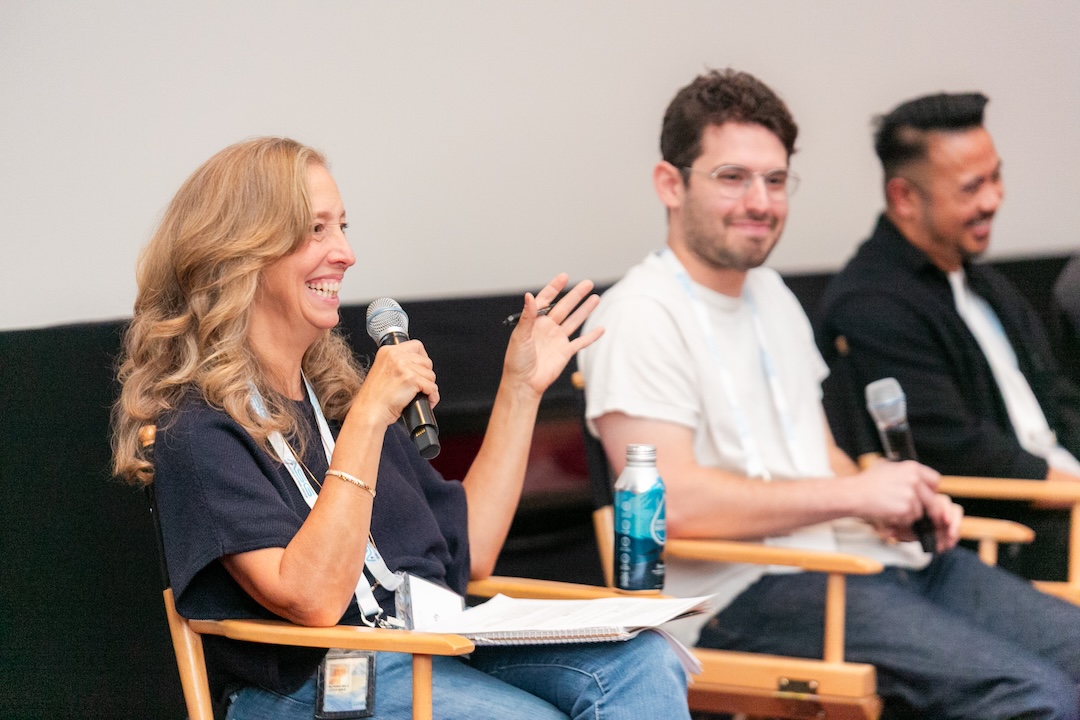
This session felt personal and grounded. Kimberly Jimenez guided a panel of rising stars and established pros, including David Semon (Formosa Group), Sang Kim (Immersive Media, Inc.), Vicki Lemar (Sony), and Christian Buenaventura (Pacific Standard Sound). The panel moved away from the "glamour" of Hollywood and into the grit of the edit suite. The conversation focused on the pivot points in their careers—the specific projects, mentors, or "aha!" moments that allowed them to transition from entry-level assistants to lead mixers on hit projects. The consensus among the speakers was that technical proficiency is a baseline requirement, but adaptability and a keen ear for narrative structure are what lead to longevity.
Afternoon: The Art of the Emmy-Winning Soundtrack
As the afternoon progressed, the focus shifted to the technical execution of award-winning projects. The William Holden Mix Stage hosted a standout panel featuring the teams behind the Emmy-winning projects Spider-Noir and Beef.
Moderated by Timothy Muirhead of the Tonebenders Sound Design Podcast, the panel featured an all-star roster: Penny Harold, Chris Gomez, and Andy Lange (Formosa Group), alongside Ryan Collins (RC Sound) and Andy Sisul (Sony Pictures Post Production Sound). The panelists provided a rare look under the hood of these high-profile productions, detailing how they balanced Foley, complex dialogue tracks, and score to create a cohesive sonic landscape.
The discussion highlighted the collaborative synergy between departments. In the case of Beef, for instance, the panel explored how the sound design reflected the internal chaos of the characters, a technical feat that earned the team critical acclaim and industry accolades earlier this month.
Evening: The Sound of Horror
Rounding out the day was a session that hit home for the approaching Halloween season: The Sound of Horror. With the genre currently enjoying a massive resurgence at the global box office, the discussion felt timely and urgent.
Tom Kenny returned to the stage to facilitate a deep dive with Marti D. Humphrey (The Dub Stage), Jay Jennings (Warner Bros / Reach Audio), Duncan McRae, and Brad Zoern (Formosa Group). The conversation shifted to the "unseen" elements of horror sound—the micro-movements, the sub-bass frequencies that cause physical discomfort, and the art of the jump-scare setup. The panelists shared how they manipulate listener expectations, using silence and expectation to drive the narrative forward, ensuring that the audience is never quite comfortable.
Supporting Data and Technical Context
The event served as a microcosm of the current state of post-production. According to post-event surveys and industry observations, the focus has shifted heavily toward:
- Immersive Audio Integration: A growing emphasis on Dolby Atmos and spatial audio as the standard, rather than a premium add-on.
- Workflow Efficiency: A push toward cloud-based collaboration tools that allow sound teams to work across time zones without sacrificing quality.
- The AI Dialogue: While generative AI was not the central focus, its role in automating tedious tasks—like noise reduction or cleanup—was a recurring theme in the informal networking sessions. Professionals noted that while tools are becoming smarter, the "human touch" remains the final filter for emotional resonance.
Implications for the Industry
The 2026 Mix Sound for Film & Television event underscored that we are in a "Golden Age" of sound. As streaming platforms demand higher delivery standards and theatrical releases compete for the "big screen experience," the role of the sound team has never been more critical.
The implications of this year’s discussions suggest three major shifts:
- Professional Mobility: The barriers between film, television, and gaming sound design are dissolving. The skills required for one are increasingly transferable to the others, fostering a more versatile workforce.
- Mentorship as a Necessity: With the industry evolving so rapidly, the emphasis placed on the Entering the Industry panel indicates that veteran professionals are acutely aware of the need to cultivate new talent to keep up with the sheer volume of content being produced.
- The Rise of the "Sound Auteur": Directors are increasingly viewing their sound supervisors as primary creative partners rather than post-production technicians. This shift is giving sound designers more agency in the early stages of pre-production, leading to more integrated and impactful audio-visual storytelling.
Conclusion: Looking Ahead
As the sun set on the Sony Pictures lot, the energy among the attendees remained high. The event was not merely a retrospective of the year’s best work, but a proactive strategy session for the future of audio.
By bridging the gap between established Oscar winners and the next generation of sound engineers, Mix has once again reinforced the importance of the studio environment as a place of collaborative discovery. As the industry moves into the final quarter of 2026, the insights shared in Culver City will undoubtedly resonate in the edit suites and mix stages of projects that will define the cinematic landscape of the coming years.
For those who missed the live panels, the energy of the day serves as a reminder that in the world of film and television, the picture may capture the eye, but the sound captures the heart. Stay tuned to Mix for further in-depth reports and technical breakdowns from the event.