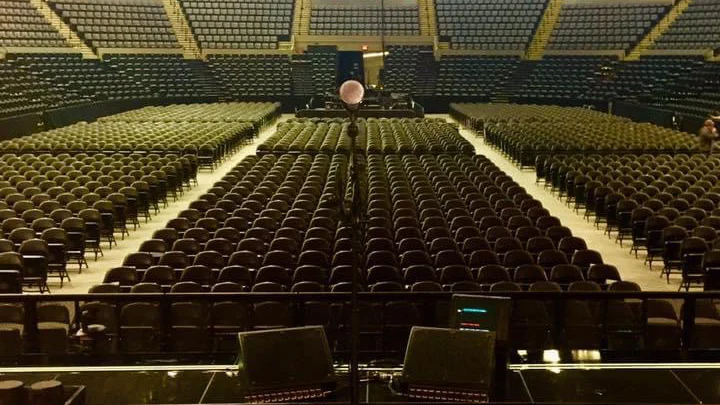
Fear is a primal force, a visceral reaction that dictates everything from our movie theater screams to our political anxieties. In the spring of 2026, the entertainment industry found itself gripped by a different kind of fear—a collective, media-fueled panic over the health of the concert touring business. Pundits coined the term "Blue Dot Fever," a reference to the sea of unsold seats visible on digital seating charts, and warned that the summer concert season was on the precipice of a historic collapse.
However, as the dust settles on a record-breaking year for both live music and cinema, it has become clear that the "Blue Dot" narrative was not just an exaggeration; it was a fundamental misreading of the post-pandemic cultural landscape.
The Anatomy of a Narrative: The Rise of "Blue Dot Fever"
Throughout the early months of 2026, the airwaves and online columns were saturated with bearish forecasts. Critics pointed to a confluence of economic headwinds: persistent inflation, the "stadium fatigue" of fans still reeling from the high cost of the previous year’s massive tours, and the sheer saturation of the market. The argument was simple: fans had run out of disposable income, and the "blue dots" on Ticketmaster—representing unsold inventory—were the smoking gun that spelled doom for the touring sound and staging industry.
The fear was palpable. If the concert business failed, the ripple effects would be catastrophic for the thousands of audio engineers, roadies, riggers, and sound companies that rely on the seasonal touring cycle. Yet, the industry’s long-standing mantra remained, as it has for decades: "Live sound is the most recession-proof business in the world."
While industry veterans have repeated this for years—sometimes perhaps to reassure themselves—the data suggests they were right. When times are flush, fans buy tickets to mega-spectacles; when times are lean, they shift their spending toward regional festivals or local acts. The fundamental human need for communal entertainment remains constant, regardless of the fiscal climate.
Chronology of a Resilient Season
To understand how the "Blue Dot" narrative crumbled, one must look at the timeline of the 2026 season:
- Q1 2026: Media outlets begin questioning the sustainability of premium concert pricing. Reports of "slow sales" for major tours dominate headlines.
- April-May 2026: Fear reaches a fever pitch. Analysts speculate that the "post-pandemic boom" is over, citing a lack of consumer liquidity.
- June 2026: As the summer season kicks into high gear, the actual numbers begin to surface, contradicting the bearish projections.
- July-August 2026: Live Nation reports a significant jump in ticket sales, effectively silencing the "Blue Dot" narrative.
- September 2026: Industry focus shifts from "survival" to "innovation," as cinemas and concert promoters look to bridge the gap between digital convenience and the in-person experience.
Supporting Data: The Numbers Tell a Different Story
The "Blue Dot" panic ignored the sheer scale of the live entertainment market. According to official reports, Live Nation sold over 143 million tickets during the first half of 2026 alone—an increase of 14 million tickets compared to the same period in 2025.
Financially, the results were equally impressive. Concert revenue surged by 8.32% to $6.44 billion during the second quarter. This growth occurred precisely while the media was sounding the alarm about a market "flop." Live Nation CEO Michael Rapino provided the necessary context for this performance, noting to The Hollywood Reporter that in an age of AI-generated content and infinite digital screens, the physical, in-person experience is an irreplaceable commodity. "The one thing that can’t be copied is ‘being there,’" Rapino stated.
This resilience extends beyond concert stages into the cinematic world. The global box office is currently on track to be the highest-grossing post-pandemic year, with domestic grosses up 15% to $6.2 billion through August. Perhaps most encouraging is the demographic data: Gen Z, often cited as the generation most tethered to their screens, is visiting theaters an average of seven times a year—a higher frequency than any other age group.
Official Responses: The Value of the "Communal Experience"
The industry is not resting on its laurels, however. The success of Taylor Swift’s Eras tour film, which grossed $261 million, served as a blueprint for the future. AMC Theatres has responded by launching "Arena One," an initiative designed to livestream one-off interactive concerts directly to cinema screens. This move attempts to monetize the "FOMO" (Fear Of Missing Out) that drives modern concert attendance, bringing the energy of a live show to a wider, more accessible audience.
Lowell Greenblatt, a Rondo-nominated author and expert in horror cinema, believes this demand for the communal experience is rooted in human biology. "People have been predicting the death of movie theaters forever, but the theatrical experience will never go away," Greenblatt says. "Experiencing a horror movie with a crowd, there’s nothing like it. Everyone wants to be part of a big swell where you say, ‘Can you believe that just happened?’"
This collective emotional response is exactly what keeps the industry vital. Whether it is the tension of a horror film or the roar of a stadium crowd, the sound industry plays a critical role in facilitating these moments.
Implications: The Sound of Success
The implications for the pro-audio industry are profound. If the concert and cinema markets continue to grow, the demand for high-end audio engineering, sophisticated Foley work, and immersive sound design will only intensify.
Sound is the invisible architect of the audience’s emotional journey. In horror cinema, as Greenblatt notes, "the music is a character." The same applies to live concerts, where the fidelity of a line array or the precision of a digital console determines the quality of the "being there" experience that Rapino describes.
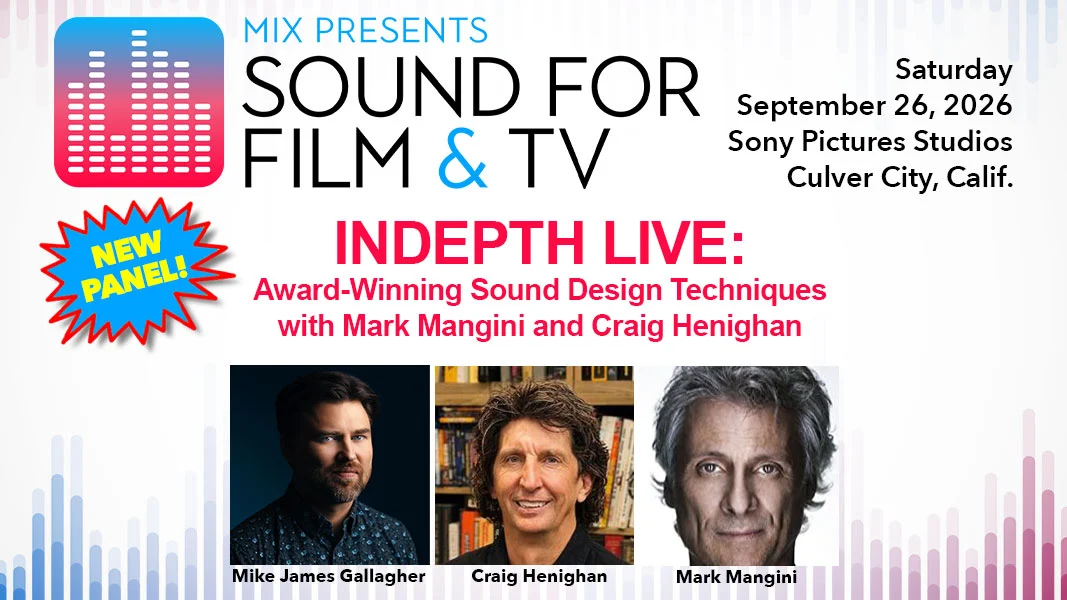
As we look toward the future, the industry is gathering to discuss these very topics. The upcoming Mix Sound for Film & Television event, scheduled for September 26 at Sony Pictures Studios in Culver City, Calif., will serve as a hub for this dialogue. The event features a diverse agenda ranging from production methodologies to product demos, but the highlight will undoubtedly be the "Sound of Horror" panel. Top sound supervisors and mixers will gather to deconstruct how they manipulate audio to trigger primal human fears—the same fears that, ironically, drive people back into theaters and stadiums in droves.
Conclusion: Turning Fear into Opportunity
The "Blue Dot" panic of 2026 serves as a valuable lesson for industry analysts and professionals alike. It demonstrated that while economic indicators are important, they are often insufficient to predict the behavior of a public hungry for shared experiences.
The industry did not collapse; it adapted. It proved that in a digital world, the value of the "analog" experience—the visceral, loud, and communal reality of a concert or a crowded theater—is higher than ever. If there is anything to be afraid of in the current climate, it is not the death of the industry, but the prospect of missing out on the innovation and creative leaps that define the next era of live entertainment.
As we move forward, the "Blue Dot" may persist as a feature of the modern booking landscape, but it will be viewed not as a sign of failure, but as a standard reflection of a market that continues to thrive on the raw power of sound and the irreplaceable magic of being there.