In the world of high-fidelity audio, there is an enduring temptation to let the technical specifications of a file—its sample rate, its bit depth, or its format—dictate the value of the music itself. As audiophiles, we often find ourselves chasing the "aural density" that only native DXD or DSD256 recordings can provide. However, focusing solely on the upper echelons of resolution risks narrowing our musical horizons.
This installment of Recent Finds explores a collection of recordings that challenge the notion that format must be the primary arbiter of quality. While one featured album represents the gold standard of Pure DSD256, the others exist in more modest PCM resolutions. Yet, in their artistry and emotional weight, they remain profound. As we navigate these releases, we find that the most significant "high resolution" is not found in the technical data, but in the clarity of the performance and the depth of the listener’s engagement.
The Philosophy of the Complete Program
Before diving into the individual releases, it is essential to address the "how" of listening. In an age of streaming algorithms and "bleeding chunks" of music, the deliberate, start-to-finish experience of an album has become a radical act.
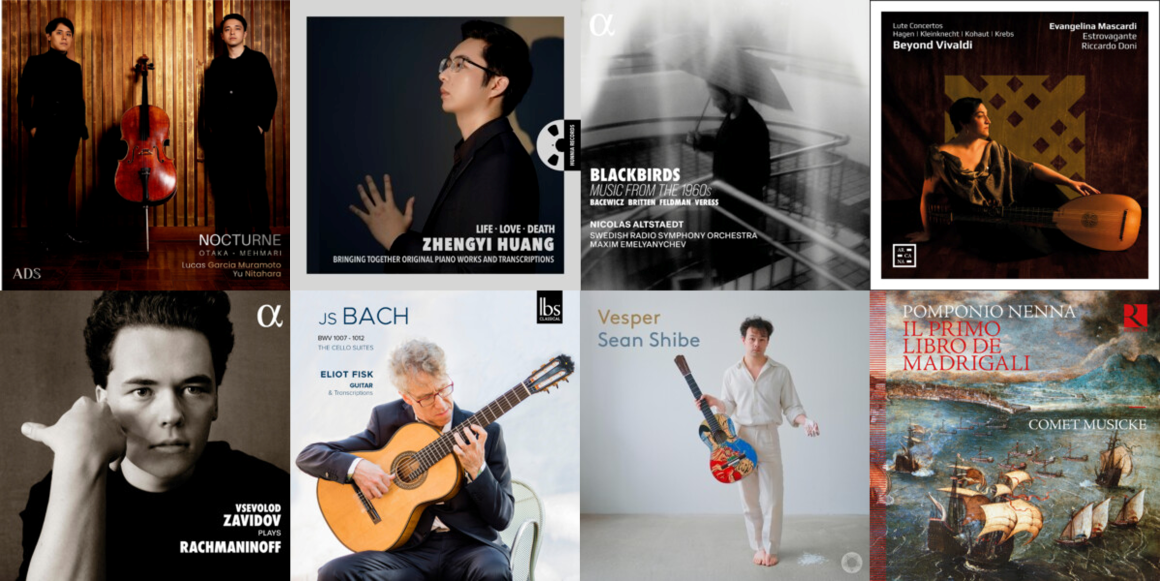
When we listen to an artist’s curated sequence, we move beyond mere sound; we participate in a narrative arc. Whether it is a thematic cycle about the human condition or an interplay of 20th-century movements, the intended order offers a perspective that randomized playlists simply cannot replicate. By allowing ourselves to sit with an entire album, we discover nuances in composition and structure that remain invisible when we listen to individual tracks in isolation.
Chronology of Releases: A Curated Selection
1. Life, Love, Death – Zhengyi Huang (Piano)
Label: Hunnia Records | Resolution: Pure DSD256
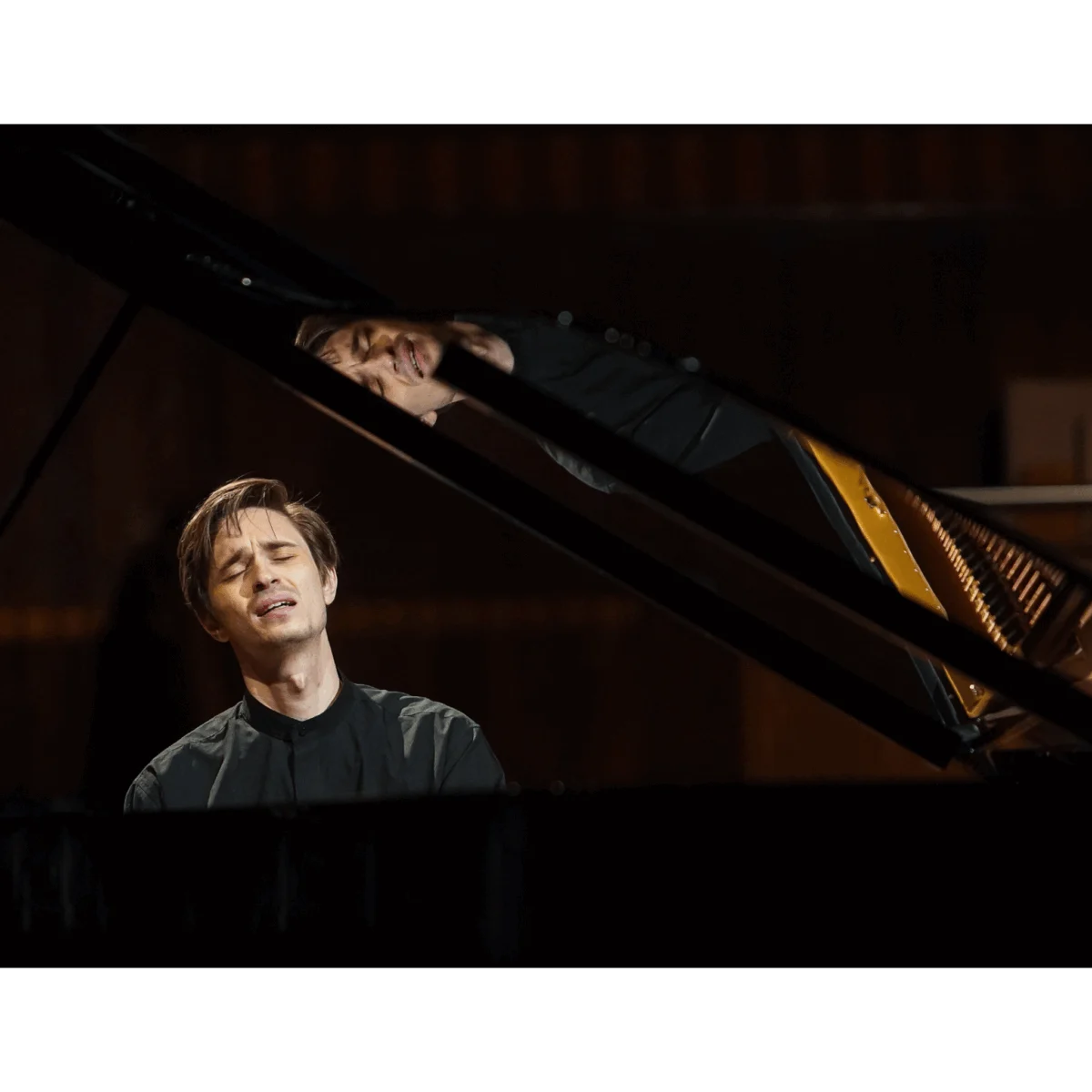
The crown jewel of this collection is Life, Love, Death, performed by the award-winning pianist Zhengyi Huang. This album is a masterclass in thematic programming. Huang takes us on a journey through the works of Stravinsky, Liszt, Brahms, Schumann, Kreisler, and Wagner, weaving a narrative that traces the arc of human existence.
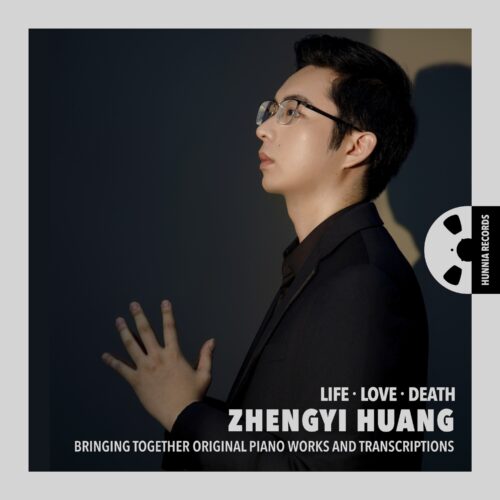
The album opens with Stravinsky’s Three Movements from Petrushka. Huang describes this as the "first metamorphosis"—the transition from a lifeless puppet to a being with a soul, desire, and vulnerability. The central "Love Cycle" follows, moving from the idealized dream of Liszt’s Liebestraum No. 3 to the transcendental, self-annihilating climax of Wagner’s Isolde’s Liebestod.
Huang’s brilliance lies in his ability to make the program feel like a conversation. By pairing the nostalgic memory-fragments of Kreisler with the autumnal, interiorized acceptance of Brahms’ Intermezzo in A major, he prepares the listener for a profound shift. The final track, Liszt’s Totentanz, serves as a stark, unavoidable reckoning. It reminds us that no matter how deep our love or how cherished our memories, we exist under the shadow of the inevitable. It is a chilling yet essential conclusion to a beautiful cycle.
2. Vsevolod Zavidov Plays Rachmaninoff
Label: Alpha Classics | Resolution: 192kHz PCM
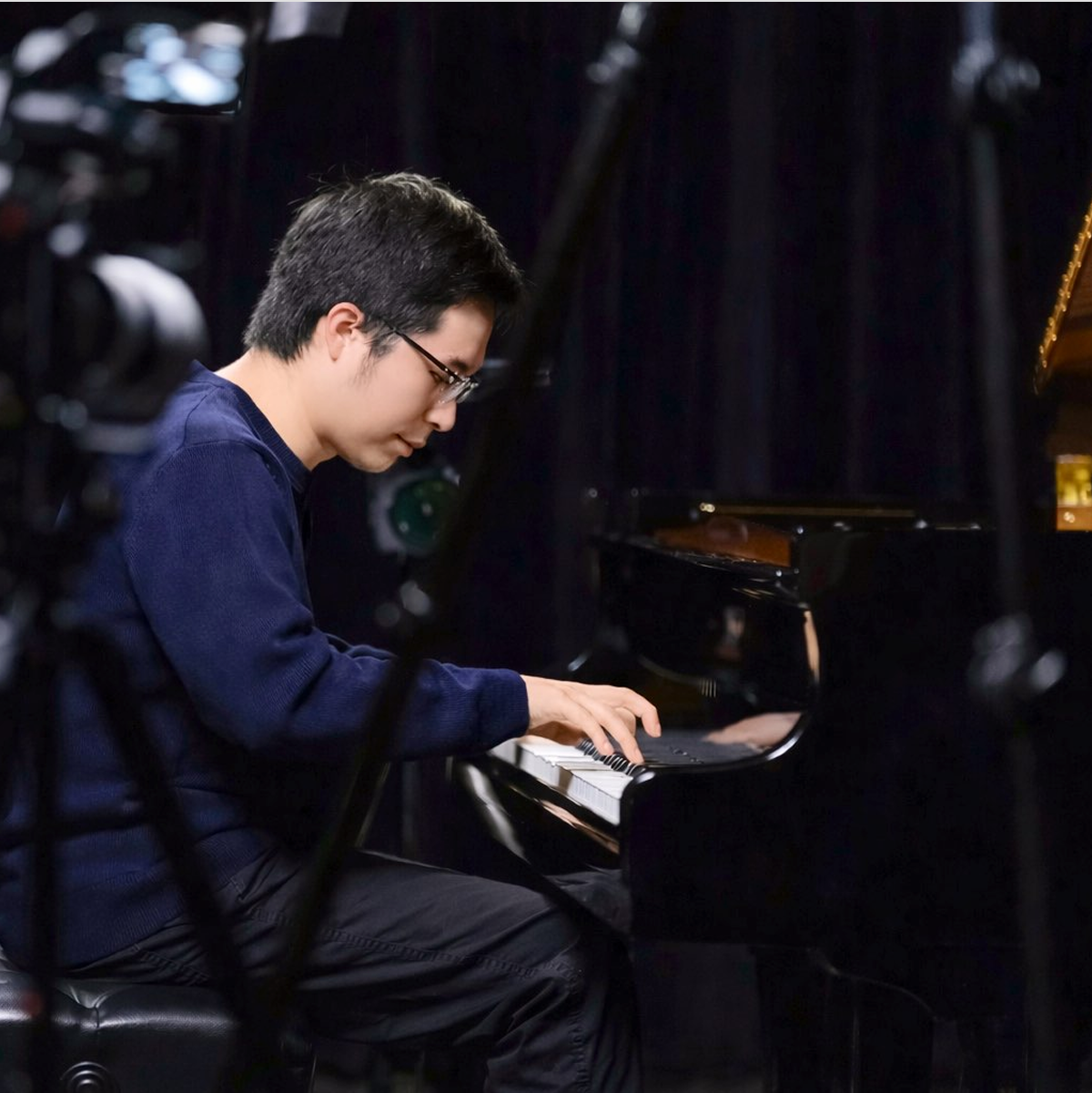
Rachmaninoff is often treated as a monolith of heavy, saturated romanticism. Vsevolod Zavidov, however, offers a refreshing alternative. A rising star of the Russian tradition, Zavidov avoids the thick, enveloping sonority that listeners might expect. Instead, his Rachmaninoff is defined by a lightness of touch and a quicksilver, improvisatory agility.
In the Corelli Variations, Zavidov clarifies the texture, allowing inner voices to emerge with remarkable transparency. He is not interested in overwhelming the listener; he is interested in structural integrity. This is a lean, analytical, and highly expressive take on Rachmaninoff—a performance that proves that even the most "monumental" music can benefit from a lighter, more nimble approach.
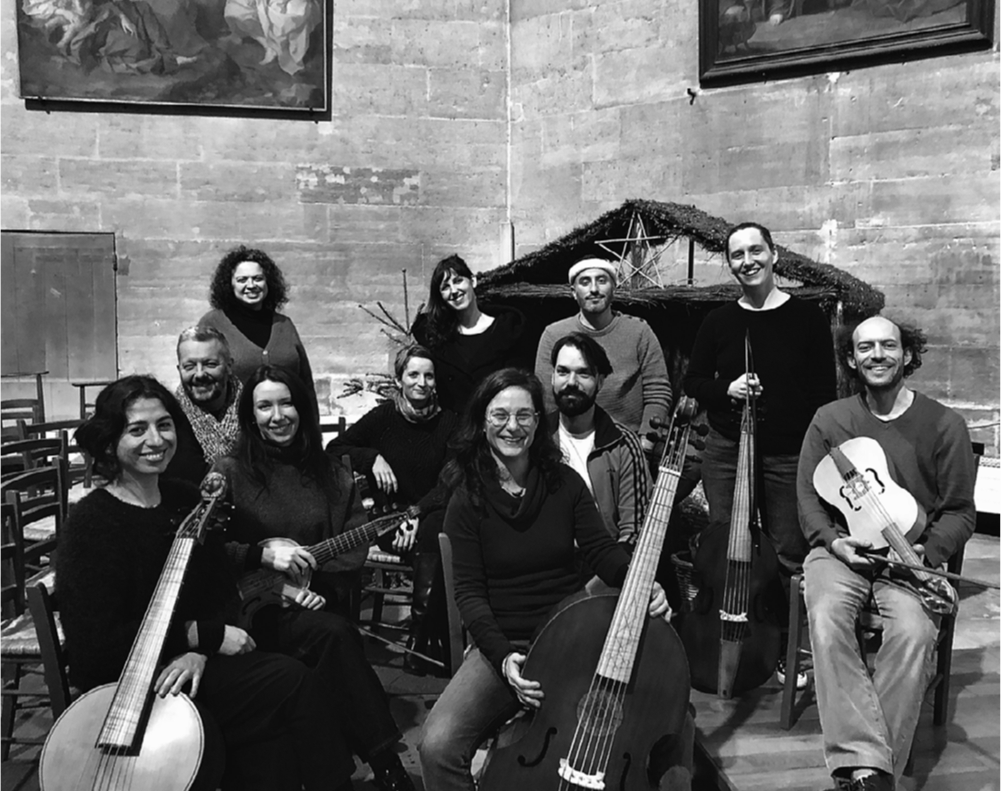
3. Pomponio Nenna: Il primo libro de madrigali – Comet Musicke
Label: Ricercar | Resolution: 88.2kHz PCM
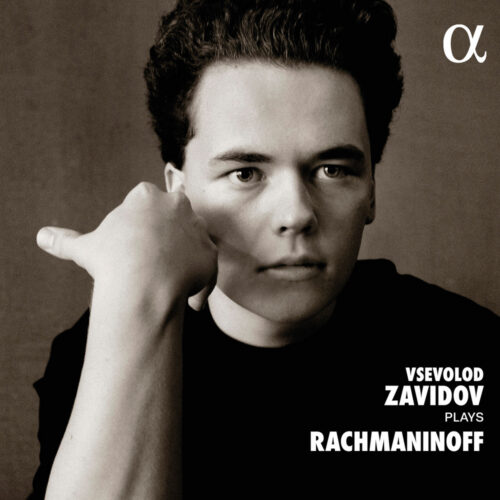
Pomponio Nenna (1556–1608) has long lived in the shadow of his contemporary, Carlo Gesualdo. With this release, the ensemble Comet Musicke brings Nenna into the light. The program interweaves Nenna’s vocal madrigals with instrumental works by Giovanni de Macque and Giovanni Maria Trabaci, effectively using the instrumentals as palate-cleansing interludes.
The madrigals are filled with rhythmic playfulness and harmonic layers that feel surprisingly modern for the late 16th century. Notably, the collection opens with a tribute to the birth of Nenna’s son. It is an intimate, humanizing touch that colors the entire experience. While recorded at 88.2kHz, the natural acoustic of the Chapelle Saint-Louis de l’hôpital de la Pitié-Salpêtrière is captured with sufficient clarity to make the music feel immediate and vital.
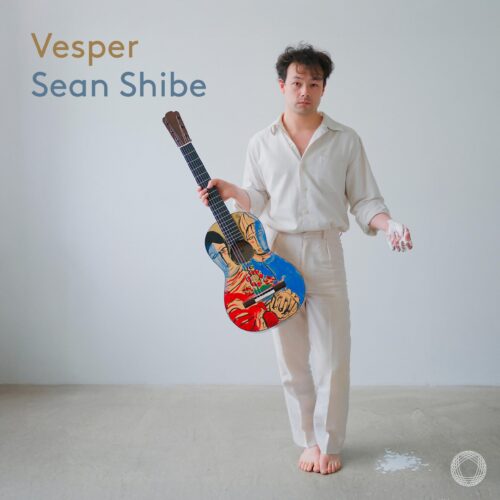
4. Vesper – Sean Shibe (Guitar)
Label: Pentatone | Resolution: 192kHz PCM

Scottish guitarist Sean Shibe continues to prove himself one of the most innovative performers in the classical space. Vesper is a bold collection of 21st-century works by Harrison Birtwistle, James Dillon, and Thomas Adès. None of these composers are guitarists, which leads to a fascinating exploration of the instrument’s untapped potential.
Shibe describes the program as a link to Spain, often referencing figures like Picasso or Lorca. The textures range from the "shivers" of Dillon’s Caprices to the explosive, heartbreaking nature of Adès’ Forgotten Dances. Shibe’s ability to pull new, unexpected colors from his Simon Ambridge guitar makes this an essential listen for anyone interested in the future of the classical guitar.
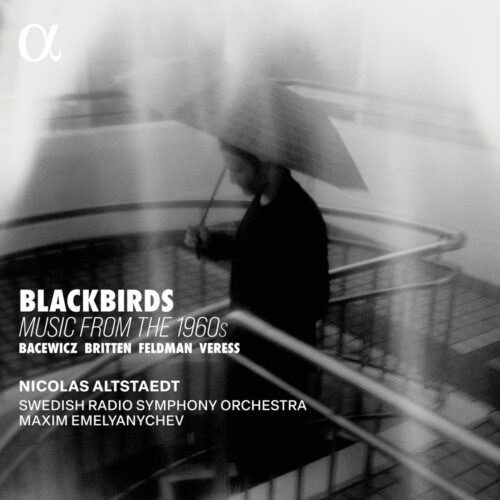
5. Blackbirds – Nicolas Altstaedt (Cello)
Label: Alpha Classics | Resolution: 96kHz PCM
This album is a journey through the musical landscape of the 1960s, featuring works by Grażyna Bacewicz, Benjamin Britten, Morton Feldman, and Sándor Veress. The juxtaposition of styles is jarring in the best way possible. From the dramatic, confrontational nature of the Bacewicz Second Concerto to the floating, suspended temporality of Feldman’s Durations II, Altstaedt guides us through a decade of radical musical exploration.
The closing track, a rendition of The Beatles’ Blackbird played on lute and voice, provides a startlingly organic, de-formalized conclusion. It is a moment of pure, unadorned beauty that acts as a bridge between the avant-garde experiments of the 60s and our own modern sensibilities.
Supporting Data: The Case for Diversity in Resolution
While the audio industry often fixates on the "superiority" of higher bit rates, these releases highlight a different metric of quality: the intent of the capture.
| Artist/Album | Resolution | Primary Focus |
|---|---|---|
| Zhengyi Huang | Pure DSD256 | High-density nuance |
| Vsevolod Zavidov | 192kHz | Structural clarity |
| Comet Musicke | 88.2kHz | Natural acoustics |
| Sean Shibe | 192kHz | Timbral innovation |
| Altstaedt/Muramoto | 96k/176k | Narrative & Cultural fusion |
The takeaway is clear: A well-engineered 88.2kHz recording of a talented ensemble in a great acoustic space will almost always outperform a poorly engineered DXD recording. The "aural density" we crave is often a byproduct of the recording environment and the producer’s fidelity to the source, rather than the raw file format alone.
Official Responses and Artistic Context
The artists involved in these projects have been vocal about the importance of context. Lucas Garcia Muramoto, reflecting on the Nocturne project, notes that music acts as a "meeting point" for disparate cultures. Whether it is the dialogue between Japanese and Brazilian musical traditions in Nocturne or the interaction between viols and voices in the Comet Musicke release, these albums serve a greater purpose: to prove that music is the ultimate language of connection.
When asked about the challenge of recording contemporary repertoire, Sean Shibe noted that the "startlingly wide range of unique and new sonorities" provided by non-guitarist composers actually forces the performer to grow. These are not merely pieces to be mastered; they are problems to be solved, and in solving them, the performer invites the listener into the workshop of creation.
Implications: The Future of Listening
What are the implications for the audiophile of 2026? We must remain critical of the "format-first" mentality. While native high-resolution audio provides a spectacular canvas for sound, the paint—the performance itself—is what defines the work.
If we allow ourselves to be limited by a desire for a specific file format, we miss out on the delicate clarity of the Ricercar engineering on the Nenna madrigals or the profound structural agility of Zavidov’s Rachmaninoff. The goal of high-end audio should not be to build a wall of "perfect" specs, but to create a window into the artist’s intent.
These albums remind us that whether we are listening to a Pure DSD256 master or a 88.2kHz PCM recording, the ultimate test remains the same: does the music move us? Does it challenge our perceptions? Does it provide a space for contemplation? If the answer is yes, the format becomes secondary, and the experience becomes truly high-resolution in the only way that matters.