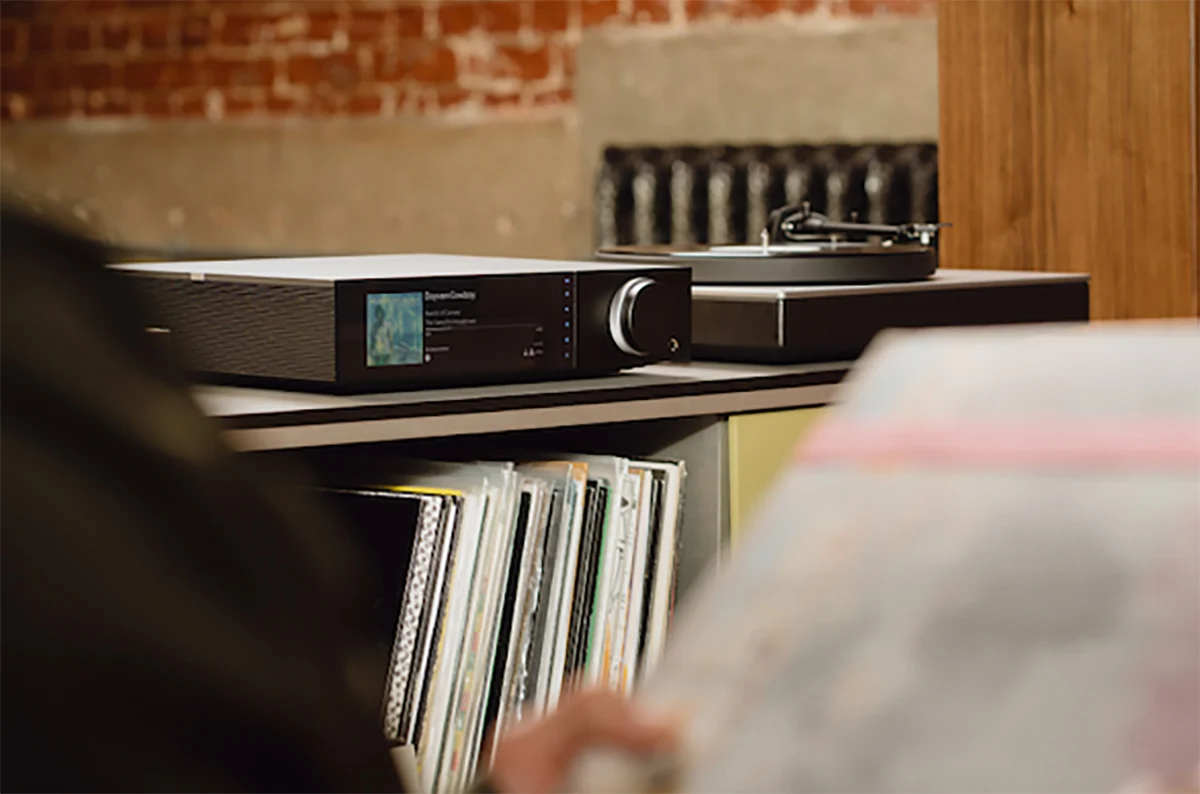
In the landscape of modern high-fidelity audio, the convergence of convenience and uncompromising performance has long been the "holy grail" for manufacturers. Today, that objective has taken a significant leap forward with the release of the Evo 300, a premium streaming amplifier that promises to redefine the home audio experience. By marrying the raw power of 300 watts per channel with the sophisticated architecture of a dual-mono design, the Evo 300 stands as the flagship of a new generation of audiophile equipment—one that demands as little from the user as it gives to the listener.
The Main Facts: Defining the Evo 300
At its core, the Evo 300 is a comprehensive, all-in-one streaming powerhouse designed to serve as the singular hub of a high-end home audio system. It eschews the clutter of multiple separates in favor of a unified, elegant chassis that houses a powerhouse amplifier, a reference-grade DAC, and a cutting-edge streaming platform.
The device boasts 300 watts of meticulously engineered power, designed to deliver not just volume, but "effortless scale." The focus here is on dynamics and control; the amplifier is engineered to maintain a firm grip on the low-end frequencies, ensuring deep, controlled bass even at higher listening levels. Beyond its raw amplification capabilities, the Evo 300 is a multi-source master. Whether the user is streaming high-resolution digital files, spinning vinyl, or routing television audio through the system, the device acts as a transparent conduit for high-fidelity sound. As the manufacturer notes, the philosophy behind the product is simple: "Just add speakers and enjoy."
A Chronology of Composition: The Engineering Journey
The development of the Evo 300 did not begin with a desire to break power output records. Instead, the design team set out to create their most "composed" amplifier to date. The chronology of its development reflects a shift from quantity to quality, prioritizing internal architecture over simple wattage metrics.
Phase 1: The Dual-Mono Foundation
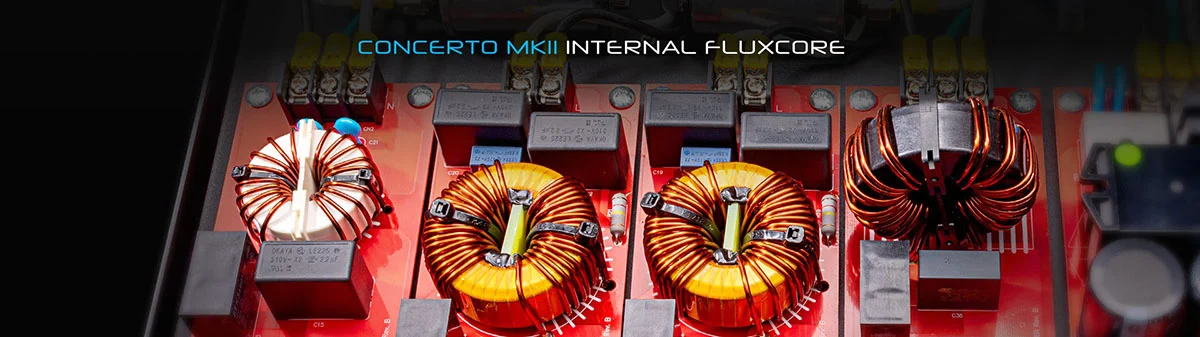
From the very first sketches, the Evo 300 was conceived as a dual-mono system. This architectural choice is critical in high-end audio, as it ensures that the left and right channels remain completely electrically isolated. By preventing the channels from sharing power supplies or signal paths, the designers eliminated cross-talk and interference, ensuring that the integrity of the stereo image remains pristine.
Phase 2: Signal Path Integrity
Once the foundation was laid, the engineering team turned their attention to the pre-amplification stage. They implemented a fully balanced pre-amplifier circuit. In professional audio circles, balanced signaling is the gold standard for rejecting noise and preserving the micro-details of a musical performance. This serves as a protective barrier, shielding the delicate audio signal as it traverses the internal circuitry on its way to the power amplification stage.
Phase 3: The Digital-to-Analog Conversion
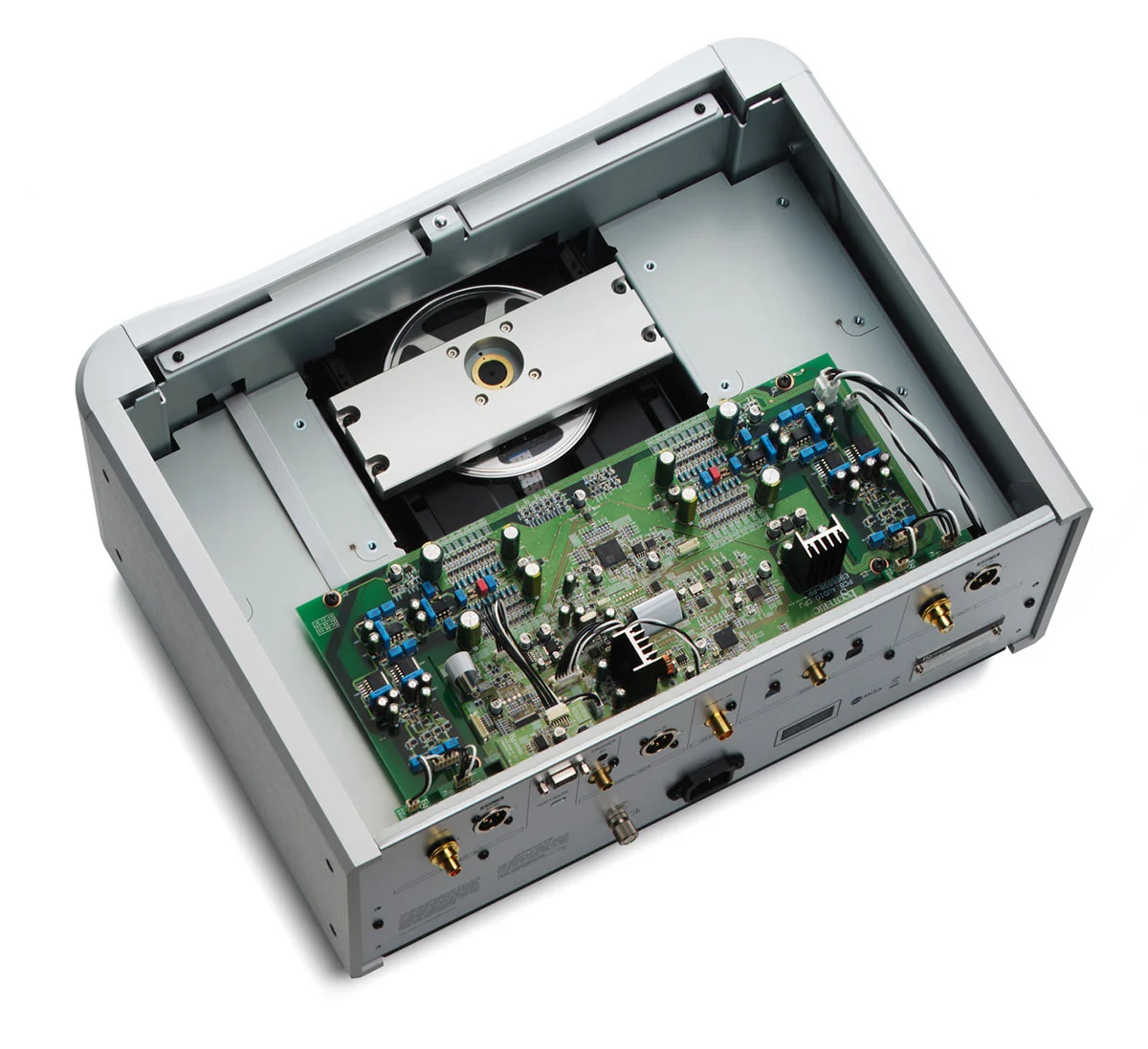
The heart of the digital experience within the Evo 300 is the ESS Sabre ES9038Q2M DAC. Widely regarded as a reference-grade component, this chip is capable of bit-perfect playback, ensuring that digital files—whether streamed via Wi-Fi or connected via physical media—are translated into analog signals with surgical precision.

Phase 4: The StreamMagic Integration
The final piece of the puzzle was the integration of the award-winning StreamMagic platform. This software layer is what elevates the Evo 300 from a mere amplifier to a modern streaming gateway. It provides the interface through which users navigate their music libraries, ensuring that the "rich user experience" is just as polished as the sonic output.
Supporting Data: Technical Specifications and Performance Metrics
The Evo 300’s performance is anchored by its technical specifications, which suggest a level of headroom rarely seen in integrated units.
- Amplification: 300 watts of power, engineered for high-current delivery, allowing the unit to drive even difficult-to-power speakers with ease.
- DAC Chipset: The ESS Sabre ES9038Q2M is a benchmark component, providing an expansive dynamic range and an incredibly low noise floor.
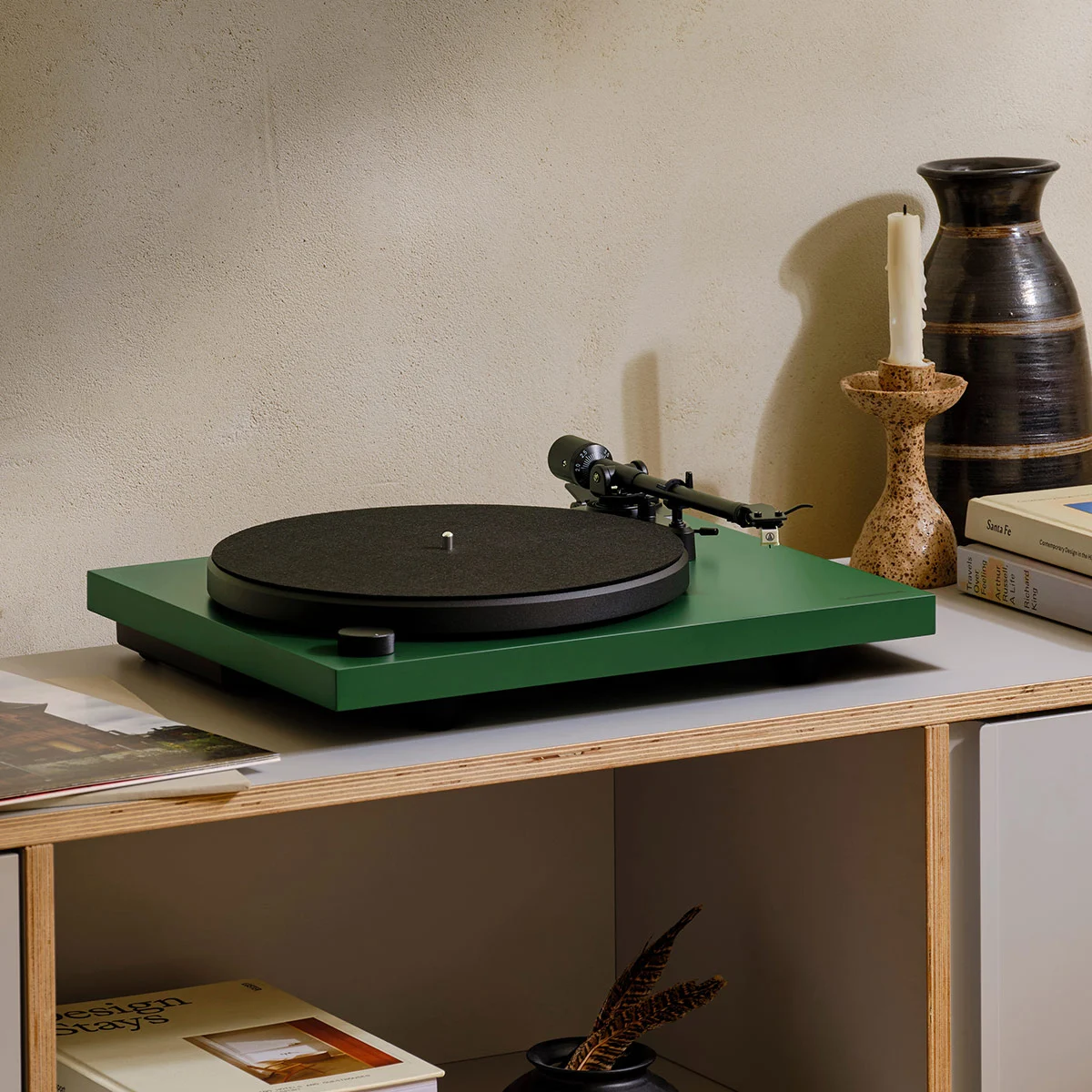
- Connectivity: The unit is designed for the modern listener, featuring inputs for analog sources (vinyl enthusiasts will find the system fully compatible with external phono stages), digital inputs for television and gaming consoles, and robust wireless streaming capabilities.
- Architecture: Dual-mono design throughout, ensuring absolute separation of channels and minimizing intermodulation distortion.
These specs are not merely numbers; they represent a commitment to "composed" power. In the context of home audio, "scale" refers to the ability of the amplifier to recreate the size of a soundstage. A system with 300 watts of controlled power can replicate the sudden impact of a drum kit or the sweeping crescendo of an orchestra without the "compression" that lesser amplifiers experience when pushed to their limits.
Official Perspectives: The Human Element
To truly understand the Evo 300, one must look at how the manufacturer presents it to the community. Liam, the company’s Community Manager, has been at the forefront of the product launch, providing in-depth demonstrations that highlight the unit’s versatility.
In official demonstrations, the focus remains on the ease of use. While the internal engineering is incredibly complex, the user experience is designed to be invisible. The company emphasizes that the Evo 300 is the "finest Evo we have ever made," a statement that carries weight considering the company’s long-standing reputation for high-end audio engineering. The shift in messaging from "power" to "composition" signals a maturity in the brand’s design language—they have mastered power, and now, they are refining the delivery.
Implications: The Future of High-End Streaming
The release of the Evo 300 has significant implications for the wider audio industry. It represents a clear trend toward the "all-in-one" high-end system. For decades, the audiophile path required a stack of components: a dedicated streamer, a separate DAC, a pre-amp, and a power amp. Each connection between these components introduced the potential for signal degradation and required expensive interconnect cables.
The Evo 300 challenges this paradigm. By housing these components in a single, high-performance chassis, the manufacturer has effectively removed the variables of external interconnects and power supply matching. This is not "convenience audio" in the sense of entry-level lifestyle products; this is the marriage of high-end performance with the realities of modern living.

Impact on the Audiophile Consumer
For the consumer, the implications are two-fold. First, it simplifies the setup process. By eliminating the need for a complex rack of gear, the Evo 300 allows high-fidelity sound to occupy a smaller footprint in the living room. Second, it raises the bar for what an integrated amplifier can achieve. The use of a reference-grade DAC and a balanced signal path suggests that the company is aiming to convert the "separates" crowd—those who have traditionally been skeptical of integrated units.
The Streaming Revolution
As streaming becomes the primary medium for music consumption, the "Streaming Amplifier" category is becoming the most competitive sector in the hi-fi market. With the StreamMagic platform, the Evo 300 is well-positioned to compete with the likes of Naim, Linn, and Cambridge Audio’s own previous offerings. It proves that a streaming amplifier does not need to be a compromise; it can be the primary engine of an endgame audio system.
Conclusion: A New Standard for Home Audio
The Evo 300 is more than a piece of hardware; it is a manifestation of the current state of audio engineering. It recognizes that modern listeners want the convenience of Spotify, Tidal, and Qobuz, but they also want the visceral, physical impact of 300 watts of high-current power.
By prioritizing a dual-mono architecture and a balanced signal path, the designers have ensured that the unit remains "composed" even when the music becomes complex. Whether you are listening to a subtle jazz trio or a massive cinematic score, the Evo 300 is designed to disappear, leaving only the music behind.
As the industry moves forward, it is likely that we will see more manufacturers following the path set by the Evo 300. The era of the "messy rack" may be coming to a close, replaced by systems that are as elegant in their design as they are powerful in their output. For those looking to invest in a system that can last a decade or more, while providing constant access to the world’s music library, the Evo 300 stands as a compelling, highly engineered solution. Your music has been waiting for this level of clarity and power—and now, it has finally arrived.