The mid-1970s represented a transformative era in the Los Angeles recording scene. It was a time of high-fidelity experimentation, where the lines between pop, disco, and R&B blurred under the influence of world-class session musicians and perfectionist producers. At the center of this creative vortex in 1976 was Leo Sayer, a British singer-songwriter who, despite his initial reservations about the "L.A. sound," would soon find himself at the top of the global charts with a song that was never intended to be written.
“You Make Me Feel Like Dancing” remains a cornerstone of the disco era, a track characterized by its infectious falsetto and a rhythmic precision that feels both effortless and mathematically perfect. Yet, the story of its creation—from a spontaneous car-ride challenge to a high-pressure three-hour recording window—reveals a masterclass in serendipity, technical obsession, and the collaborative brilliance of the decade’s finest musical minds.
Main Facts: A Spontaneous Smash Hit
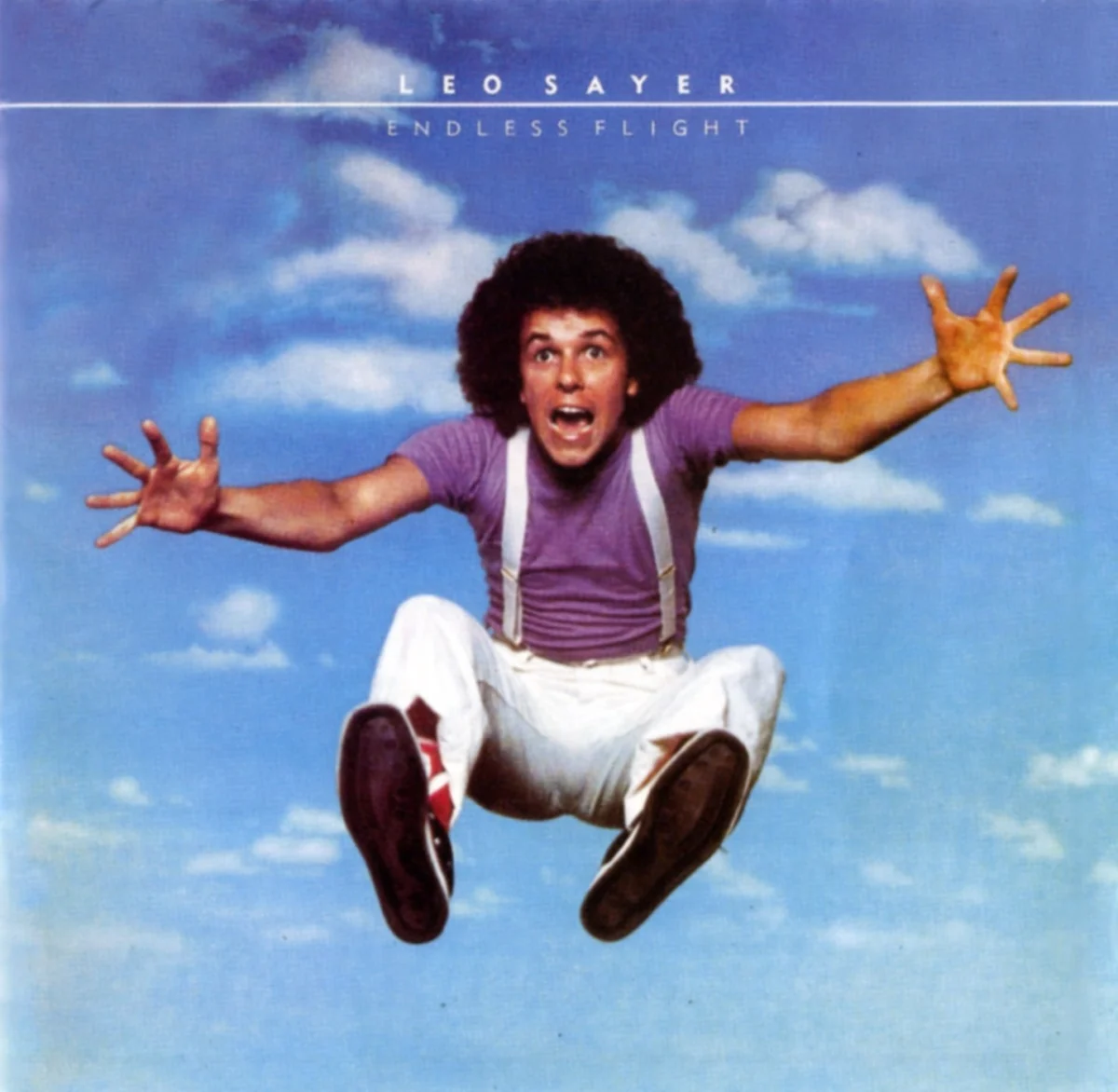
At its core, “You Make Me Feel Like Dancing” was an accidental masterpiece. Leo Sayer had traveled to Los Angeles to work with producer Richard Perry on the album Endless Flight. Perry, known for his work with Ringo Starr and Carly Simon, was a producer who demanded nothing less than sonic perfection. Sayer, initially wary of Perry’s lack of interest in his existing compositions, was quickly won over by the caliber of the band Perry had assembled.
The song’s success was immediate and profound. Released in late 1976, it climbed to the Number 1 spot on the Billboard Hot 100 by January 1977. Its cultural impact was cemented in 1978 when Sayer and co-writer Vini Poncia were awarded the Grammy for Best R&B Song—a notable achievement for a British pop artist in a category dominated by American soul legends.
The technical backbone of the track was a "who’s who" of session royalty. While the initial jam featured Jeff Porcaro (later of Toto fame), the final recording was anchored by the legendary Steve Gadd on drums, Ray Parker Jr. and Larry Carlton on guitars, Chuck Rainey on bass, and John Barnes on keyboards.
Chronology: From the Freeway to the Grammy Stage
The Morning Challenge
The genesis of the song occurred not in a writing room, but on the L.A. freeway. During the Endless Flight sessions, Leo Sayer and drummer Jeff Porcaro developed a ritual of challenging each other to find the "groove of the day" on the radio during their morning commute.
One particular morning, Sayer arrived at Studio 55 buzzing from a track he had heard by Shirley & Company titled “Shame, Shame, Shame.” He began singing the lines to Porcaro, who immediately caught the vibe. Porcaro sat behind his kit, Sayer grabbed a microphone, and a spontaneous jam erupted. The energy was so palpable that Richard Perry, recognizing a potential hit in its rawest form, physically threw a finished reel off the tape machine to clear space for a new one, shouting for the engineers to "record now!"
The Five-Minute Writing Session
A month later, Perry revisited the jam tape. Despite its rough edges and stops and starts, Perry saw the "Cheshire cat" grin of a hit record. He dispatched Sayer and songwriter Vini Poncia to Studio 2 with a simple directive: find the hook and finish the song.
In a moment of creative clarity that occurs only a few times in a career, Poncia identified a line Sayer had shouted during the original jam: "You make me feel like dancing." They shifted the key, structured the verses, and within five minutes, the song was essentially complete. Poncia famously ended the session abruptly, claiming he had to see a chiropractor, knowing that they had already captured the magic they needed.
The "Aja" Crossover
The final recording of the track is a legendary tale of studio logistics. Engineer Bill Schnee was simultaneously working with Steely Dan at Producers Workshop on their magnum opus, Aja. When drummer Steve Gadd arrived for the Steely Dan sessions, Schnee called Richard Perry, suggesting that Perry could "borrow" Gadd and the rest of the elite rhythm section—but only for a three-hour window.
Under this intense time constraint, the team recorded the basic tracks for “You Make Me Feel Like Dancing.” They worked with such efficiency that they even managed to cut the basics for another hit, “How Much Love,” within the same session.
Supporting Data: Technical Craftsmanship and Analog Precision
The "Classic Track" status of this song is as much a result of the engineering as the performance. Bill Schnee’s preference for Producers Workshop was rooted in its custom-made console and the Stephens tape machine. The Stephens multitrack was a rarity in the industry, known for its minimalist electronic path and superior sonic clarity.

The Signal Chain
To achieve the crisp, punchy sound of the 1970s, Schnee utilized a specific array of high-end analog gear:
- Drums: A minimal mic setup consisting of a kick, snare, three toms, two overheads, and a hi-hat mic. Steve Gadd’s signature "drag snare" provided the rhythmic texture that defines the track.
- Guitars: Ray Parker Jr. and Larry Carlton’s guitars were processed through Teletronix LA-2A leveling amplifiers to maintain a consistent, warm "squeeze."
- Bass: Chuck Rainey’s bass was routed through a UREI 1176 peak limiter, ensuring the low end remained tight and prominent without muddying the mix.
- Tape: The sessions were recorded on 2-inch, 24-track tape at 30 inches per second (ips). This provided maximum fidelity but limited recording time to approximately 16 minutes per reel.
The Art of the Edit
Before the advent of digital workstations like Pro Tools, "comping" (combining the best parts of multiple takes) was a grueling physical process. Richard Perry was notoriously "pedantic," often spending hours analyzing a single word across twenty different takes.
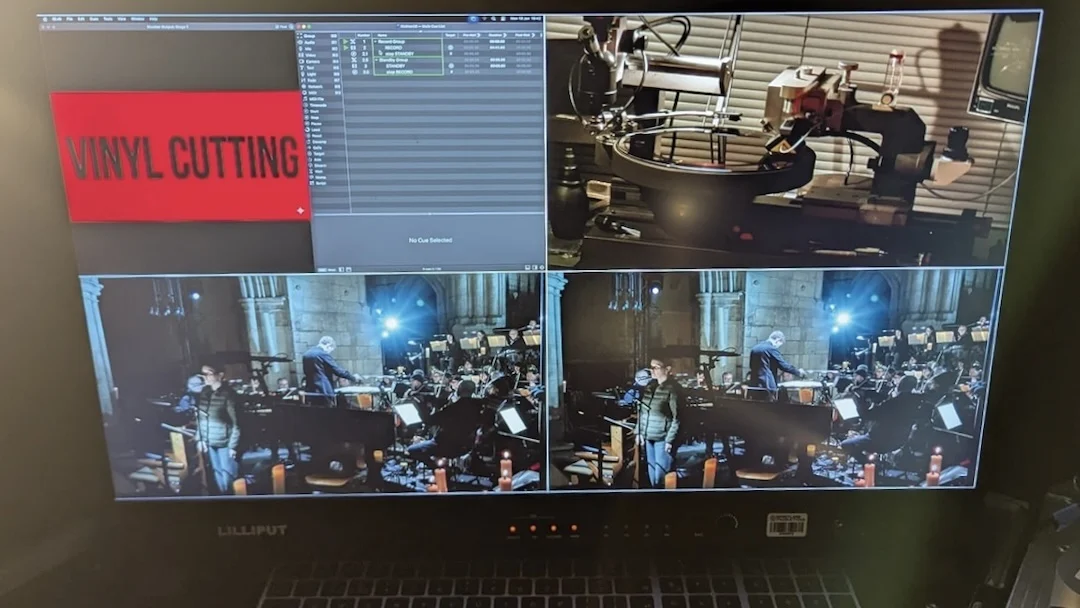
The process involved using a white wax pencil to mark points on the tape while manually rolling the spool across the playback heads. Once the cut points were identified, the engineer would use a razor blade to slice the tape diagonally and join the sections with specialized adhesive tape. This manual labor was the only way to achieve the seamless, "human metronome" feel that Perry demanded.
Official Responses: Reflections from the Studio
Leo Sayer’s recollections of the sessions highlight both the exhaustion and the exhilaration of working under Richard Perry’s exacting standards. Speaking to Mix magazine, Sayer recalled the atmosphere of those late-night editing sessions:
"I loved [producer Peter Asher] for suddenly standing up and stating, ‘Richard, you’re so f—ing pedantic!’ to which Richard replied, ‘Surely that’s a good thing, no?’ We’d sit there trying to stay awake while Richard would ask, ‘I like the way he sings the ‘when’ from take two, but then listen to what he does with it in take 19. Better, no?’"
Bill Schnee, looking back on the session, noted that the song’s success was apparent from the very first playback:
"The opening line pulled you right in, and it had a great hook… Between Sayer’s falsetto and the melody, the song captivated me immediately."
These accounts underscore a period in music history where "perfection" wasn’t a digital preset, but a result of human endurance and elite-level musicianship.
Implications: The Legacy of a Disco Classic
The success of “You Make Me Feel Like Dancing” had lasting implications for both Leo Sayer’s career and the evolution of pop music. For Sayer, it was a successful pivot from a singer-songwriter image to a global pop superstar, proving his versatility as a performer.
More broadly, the track stands as a testament to the "L.A. Studio System" of the 1970s. It represents a peak in the era of the "Session Legend," where a single phone call could assemble a band capable of recording a Number 1 hit in two hours. The song also bridged the gap between the rock-centric early 70s and the dance-dominated late 70s, utilizing R&B sensibilities to create a pop song with universal appeal.
Furthermore, the technical hurdles overcome during the Endless Flight sessions—manual tape splicing, word-by-word comping, and the use of the Stephens machine—illustrate the sheer level of craftsmanship required before digital technology simplified the recording process. Today, "You Make Me Feel Like Dancing" is not just a nostalgic dance floor filler; it is a document of a time when hits were hand-carved out of magnetic tape and sheer creative instinct.
As the music industry continues to move toward AI-assisted production and bedroom recording, the story of Leo Sayer’s accidental hit serves as a reminder that sometimes, the best music comes from a spontaneous jam, a morning commute, and a producer who knows a hit when he hears it.