For the dedicated audiophile, the pursuit of the "perfect" recording is often a battle against the invisible hand of the industry. We are accustomed to hearing albums that have been polished, compressed, and EQ-tweaked to meet the specific requirements of commercial formats like vinyl or standard-resolution streaming. However, a new initiative from NativeDSD is peeling back these layers, offering listeners an unprecedented look into the studio through the release of the Harris Eisenstadt Canada Day “Unmastered” bundle.
By bypassing the traditional mastering process, NativeDSD is allowing the original, dynamic intent of these landmark jazz sessions to shine through, providing a sonic clarity that many listeners have never before experienced.
The Philosophy of "Unmastered": Bridging the Gap Between Studio and Home
To understand the significance of this release, one must first distinguish between the two pillars of post-production: mixing and mastering.
Mixing is the art of balancing the instruments to recreate the spatial reality of the recording venue. In a high-quality acoustic jazz session, the goal is to position the players within a coherent, three-dimensional soundstage. Mastering, conversely, is often a commercial necessity. It is the final "polishing" stage where engineers apply gain, peak limiting, and EQ adjustments to ensure the record sounds loud and consistent across various playback devices, from high-end floor-standing speakers to smartphone earbuds.

The Conflict of Compression
The issue arises when these commercial mastering techniques—designed to "squeeze" dynamic range to increase perceived loudness—are applied to hi-res digital files. An audiophile listening to a high-resolution DSD stream expects the full, unbridled dynamic range of the original performance. When that file is mastered with heavy peak limiting (often at or near 0dB), the very benefit of the hi-res format is effectively negated.
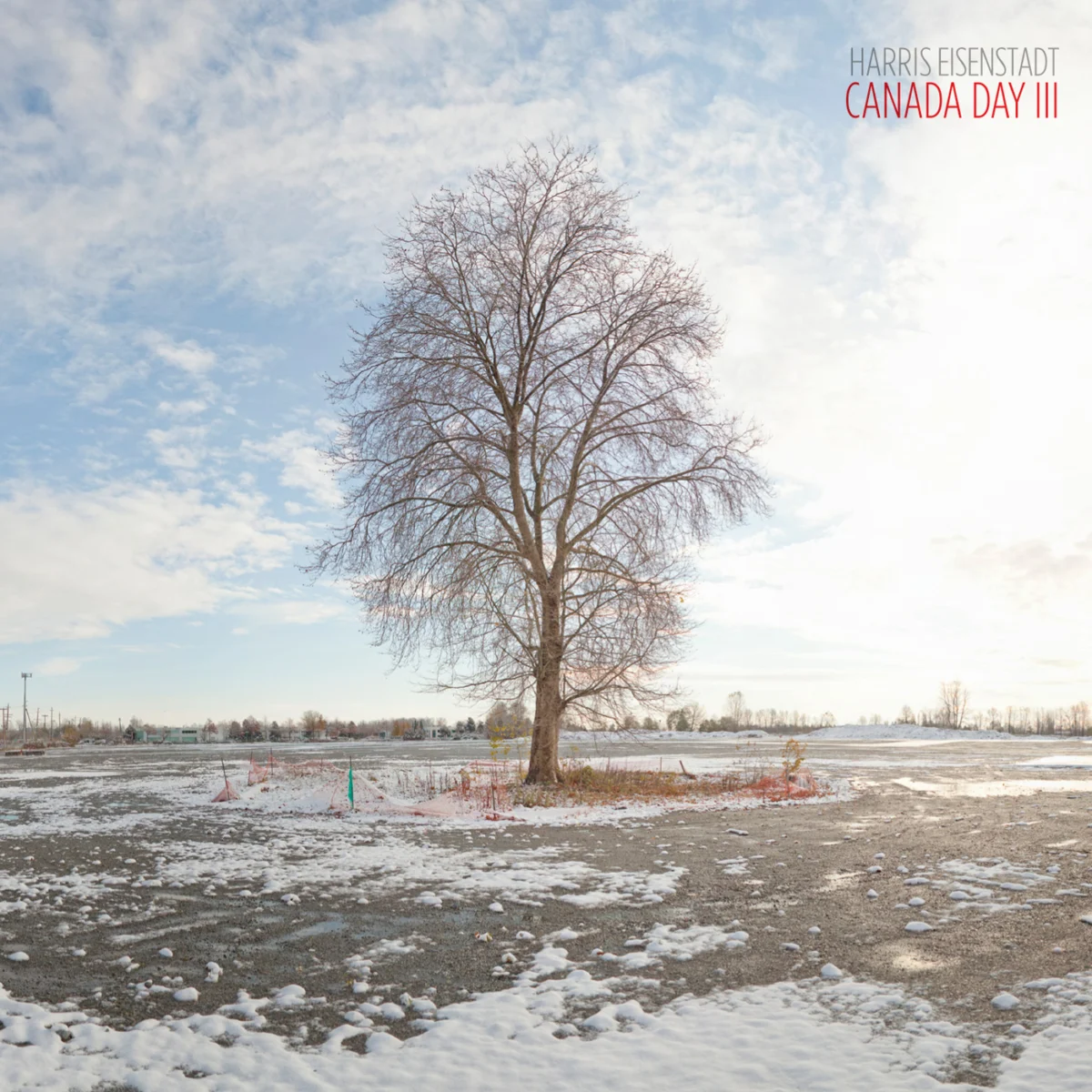
NativeDSD’s mastering engineer, Tom Caulfield, identified this exact hurdle while reviewing the Songlines Recordings album Canada Day III. He discovered that the standard commercial release had been pushed to its limit, rendering it unsuitable for the high-rate DSD conversion that allows for maximum sonic transparency. This realization sparked a label-wide search for the original, "unmastered" final mixes. The results, confirmed by Songlines owner Tony Reif, were transformative: the unmastered tracks exhibited significantly deeper soundstages, more natural timbres, and a far more expansive dynamic range that mirrored the atmosphere of the studio itself.
A Chronological Journey: The Canada Day Series
The Canada Day project, led by drummer and composer Harris Eisenstadt, is a modern masterpiece of piano-less jazz. The ensemble’s evolution across three albums—Canada Day II, III, and IV—represents a masterclass in the balance between rigorous composition and free-spirited improvisation.
Canada Day II: The Foundation
Released during a time when Eisenstadt was heavily influenced by his MFA studies in African American music and traditional percussion, Canada Day II established the group’s aesthetic. The music is buoyant, melodic, and rhythmically complex.

In a 2011 interview, Eisenstadt noted: "No matter how detailed my scores are, the strength and vibrancy of the music comes from the band finding its collective voice through rehearsals and performances." The unmastered edition captures this collective voice with startling intimacy, particularly on tracks like "To Be," where the interplay between Eivind Opsvik’s bass and Chris Dingman’s vibraphone feels as if the listener is standing in the middle of the rehearsal room.
Canada Day III: The Peak of Interaction
By the time the band reached Canada Day III, they had solidified their identity. With the addition of bassist Garth Stevens, the rhythm section gained a new level of muscularity and precision.
The unmastered edition of III is particularly revelatory. Recorded at the renowned Water Music Recorders, the session captured the natural decay of vibraphone chords and the visceral "air" around the trumpet and tenor sax. On tracks like "The Magician of Lublin," the unmastered DSD format allows for a level of micro-detail—such as the vocalized growls in Nate Wooley’s trumpet playing—that simply disappears under the blanket of traditional mastering compression.
Canada Day IV: The Leap into Modernity
The final installment, Canada Day IV, pushed the ensemble into more abstract, experimental territory. Recorded just before the closure of Water Music Recorders, this album serves as a historical document of a legendary studio’s final days.

The unmastered mix highlights the tension between the structured compositions and the free-form solos. In "After Several Snowstorms," the sonic space is so vast and quiet that the sudden, abrupt ending of the track feels physically jarring—a testament to the dynamic integrity preserved in this release.
Technical Implications: Why DSD Matters
The decision to offer these tracks in NativeDSD’s high-rate DSD format is not merely a marketing gimmick; it is a technical imperative. DSD (Direct Stream Digital) captures the analog waveform with a level of precision that preserves the phase and timing information crucial to acoustic instruments.
When you strip away the peak limiting of a standard "mastered" CD, you leave the transients intact. A trumpet blast or a snare hit retains its initial "snap," and the subsequent decay into the room’s ambient space remains undisturbed. For the audiophile, this translates to a "you-are-there" experience. You aren’t just hearing a recording; you are hearing the room, the wood of the vibraphone, and the breath of the horn players.
Official Responses and Industry Impact
The collaboration between NativeDSD and Songlines Recordings sets a new benchmark for label transparency. By acknowledging that traditional mastering can sometimes impede the listener’s connection to the music, they are inviting the audience into a more collaborative relationship.
Tony Reif, owner of Songlines, has expressed strong support for these unmastered releases. By making the original final mixes available, the label is essentially giving archivists and audiophiles access to the "master tape" equivalent of the digital age. This move challenges other labels to reconsider their archival practices. Are there thousands of "final mixes" sitting in hard drives, waiting to be rediscovered, that sound better than the "final products" currently available on streaming platforms?
The Verdict: Is It Worth the Upgrade?
For the casual listener, the differences might be subtle. But for those with high-resolution playback systems, the Canada Day unmastered bundle is an essential acquisition.
- Clarity: The separation of instruments is significantly improved. You can hear the specific texture of the bass strings and the exact point where a trumpet note begins to vibrate.
- Dynamic Range: The "breathe-ability" of the music is restored. Soft passages remain delicate, while crescendos carry the intended weight without being artificially capped by digital limiters.
- Authenticity: This is the sound of a band at its peak, captured by a high-end studio (Water Music Recorders), presented without the "makeup" of commercial post-production.
Conclusion
Harris Eisenstadt’s Canada Day series is a testament to the longevity of post-bop jazz, but it is the unmastered editions that truly allow the brilliance of the compositions to shine. In an era where music is often over-processed for the sake of convenience, NativeDSD’s commitment to the "unmastered" experience is a vital service to both the artist and the listener.
By removing the barriers between the performance and the playback, we are finally able to hear the "truth" of the session. These albums are not just jazz records; they are high-fidelity snapshots of human creativity in its most raw, unadulterated form. For those who value the sanctity of the original performance, this bundle is not just recommended—it is mandatory listening.