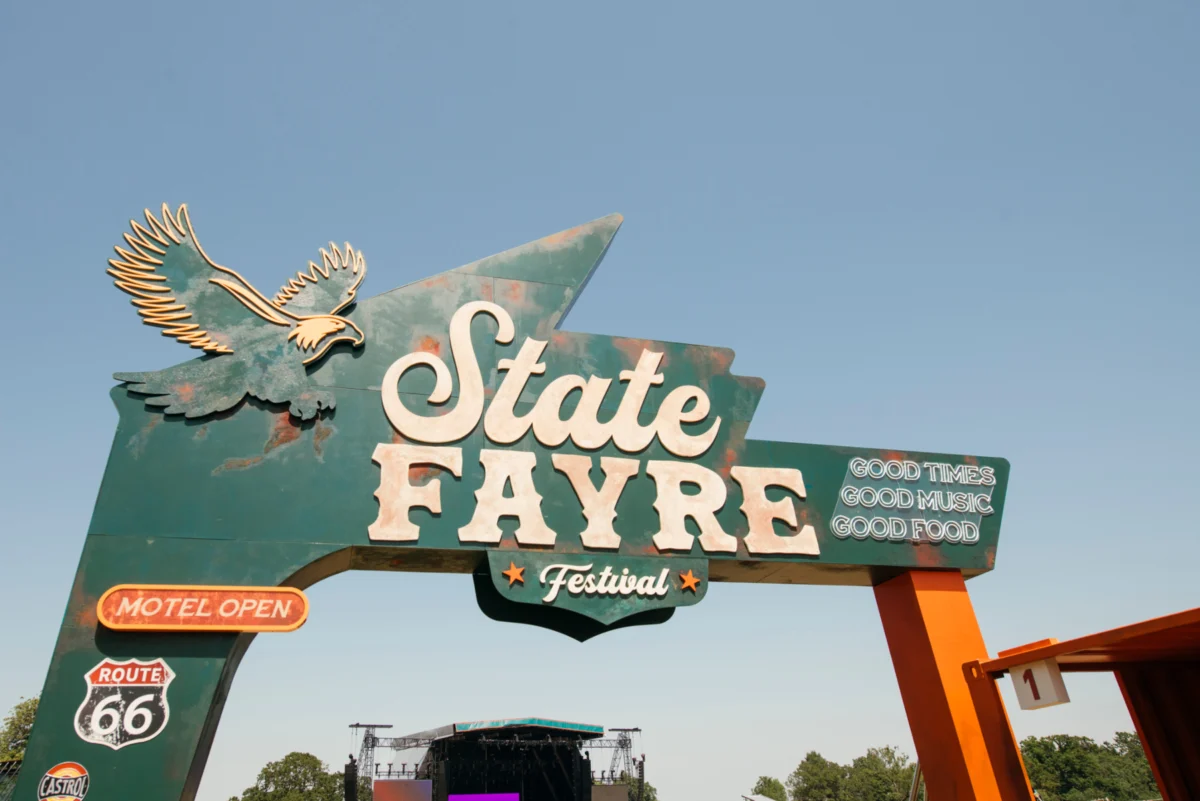
As the sun beats down on the sprawling, 50,000-capacity grounds of Hylands Park in Essex, the skeletal frames of stages and infrastructure are rapidly transforming into a landscape of promise. For Anna-Sophie Mertens, senior vice president of touring at Live Nation U.K., this construction site is the physical manifestation of a long-gestating vision.
The air is thick with the mechanical chorus of forklifts and the steady rhythm of hammers—a stark contrast to the melodic atmosphere she hopes will define the inaugural State Fayre this weekend (June 26–28). As she walks the site, gesturing toward the blueprints of what will soon be an immersive, multi-sensory experience, it becomes clear that State Fayre is not just another addition to the British summer circuit. It is an ambitious attempt to redefine how the U.K. consumes and experiences roots-influenced music.
The Genesis: A New Identity in a Crowded Market
The British festival landscape has faced significant headwinds in recent years, with many established events scaling back or folding under the pressures of rising costs and shifting consumer habits. Into this climate steps State Fayre, held at the historic Hylands Park—a site famously associated with the mid-2000s dominance of the V Festival.
Live Nation’s strategy here is deliberate. Rather than competing directly with the heavy-metal monolith of Download or the eclectic, genre-fluid lineups of Glastonbury, State Fayre aims to carve out a specific niche at the intersection of Americana, country, and classic rock.
"One thing that always frustrated me was that there were country-specific events, but no real home for country within a truly all-genre environment," Mertens explains during a video call from the site. Her position as a board member of the Country Music Association (CMA) provides her with a unique vantage point on the genre’s explosive growth. With U.K. country music consumption rising by 10.9% in the last year—marking the fastest growth rate globally—the timing for a large-scale live platform seems optimal.
A Curated Sonic Tapestry
The festival’s inaugural lineup is a bold statement of intent. By anchoring the event with headliners like Kings of Leon, Alanis Morissette, and The Lumineers, the organizers are signaling a desire to bridge the gap between stadium-filling rock and the intimate storytelling of the folk and Americana traditions.

"It was really important for us to bring together a few different musical elements, but to ensure they blended together so that we could showcase the real depth of each genre," says Mertens. "There really isn’t any other event doing that at such a large scale."
The choice of headliners is particularly strategic. Kings of Leon, with their roots in Tennessee, embody the "Southern-rock-meets-alternative" spirit that serves as the festival’s DNA. Alanis Morissette brings the raw, emotive power of the 90s singer-songwriter era, while The Lumineers represent the modern, chart-topping apex of indie-folk. By layering these acts over a bill that includes emerging stars like Kingfishr, Dylan Gossett, and Orville Peck, the festival promises a cohesive, if diverse, experience.
The "Fourth Headliner": Gastronomy as Culture
While the music will draw the crowds, the organizers are banking on the atmosphere to keep them there. A central pillar of State Fayre is "The Fume Pit," an extensive food strip dedicated to the art of the barbecue.
Mertens refers to the culinary experience as the festival’s "fourth headliner." Moving away from the generic festival burger van, the team has curated a collection of dozens of BBQ traders, offering a communal, smoke-filled experience designed to mimic the laid-back, festive spirit of an American state fair.
"We’ve got a dedicated stage with food demonstrations, eating competitions, and lots of activity that isn’t driven by music," Mertens notes. "It’s a really important part of the experience for me. I’m curious to see how fans engage with that side of the festival."
The Fusion of British and American Traditions
The spelling of "Fayre" is no accident. It is a nod to the historical British county fair, blended with the carnival-like exuberance of its American cousin. The site features an arcade bar, axe-throwing lanes, amusement rides, and a massive big wheel, all designed to create an environment where the entertainment extends far beyond the main stage.

For the weekend campers, a dedicated spa area provides a touch of comfort, while bespoke bunting and flags aim to create an aesthetic that feels both artisanal and festive. "These little touches are intentional," Mertens says. "They give the festival a lot of character. It’s so exciting to see it finally coming to life."
The Evolution of the Fan Experience
The decision to launch such an ambitious project in the current economic climate is, in itself, a testament to the changing nature of music discovery. Mertens believes that the "siloed" era of music fandom is effectively over.
"I think the way we consume music now is completely different, mainly because of streaming," she explains. "Fans aren’t as tied to specific tastemaker shows anymore—they’re happy to discover and listen quite freely. That really breaks down genre boundaries."
This shift has enabled the festival to take risks on acts that might have previously been considered too niche for a main-stage slot. A case in point is the rapid ascent of Buffalo Traffic Jam. "When we first booked them, these were set to be their first shows in the U.K.," Mertens recalls. "Since then, they’ve really taken off. They’ve got some fantastic songs, and we’re really excited to see them play on Sunday."
Looking Toward a Sustainable Future
When asked about the long-term vision for State Fayre, Mertens is characteristically ambitious but grounded in the realities of the industry. The goal is to establish the festival as a "destination event"—a place that draws not only from the local Essex area or the broader U.K. but from international markets as well.
"We have seen fans travel far and wide for concerts in the past, particularly to the U.K., and we’d love for that to happen with State Fayre too," she says.

The model for success, she notes, is closer to home. The longevity and community-building power of the Download Festival—another Live Nation success story—serves as a blueprint. By creating a distinct "moment" in the calendar where fans feel a sense of belonging, the organizers hope to foster a loyal following that will return year after year.
Implications for the U.K. Live Economy
The launch of State Fayre is a significant bellwether for the U.K. music industry. In an era where large-scale festivals have been in decline, the arrival of a new, well-resourced entrant is a sign of confidence. It suggests that while the "all-genre" festival model (like Glastonbury) remains dominant, there is a clear, untapped appetite for curated, genre-specific experiences that offer a more intimate, thematic connection to the music.
"We really wanted to make a mark on the scene and deliver something to the music economy, but also for the fans," Mertens concludes. "We’ve got this beauty of a site, which has lots of areas to play with, and a real opportunity to grow the festival to quite a significant size year on year."
As the gates prepare to open on June 26, the success of State Fayre will be measured not just in ticket sales, but in the atmosphere of the site—the smell of the BBQ smoke, the thrill of the fairground, and the collective resonance of the music. For now, the construction noise at Hylands Park is a reminder of the hard work behind the scenes, but by the weekend, that noise will be replaced by the sound of a new community coming together, marking a potential turning point for the U.K. festival circuit.